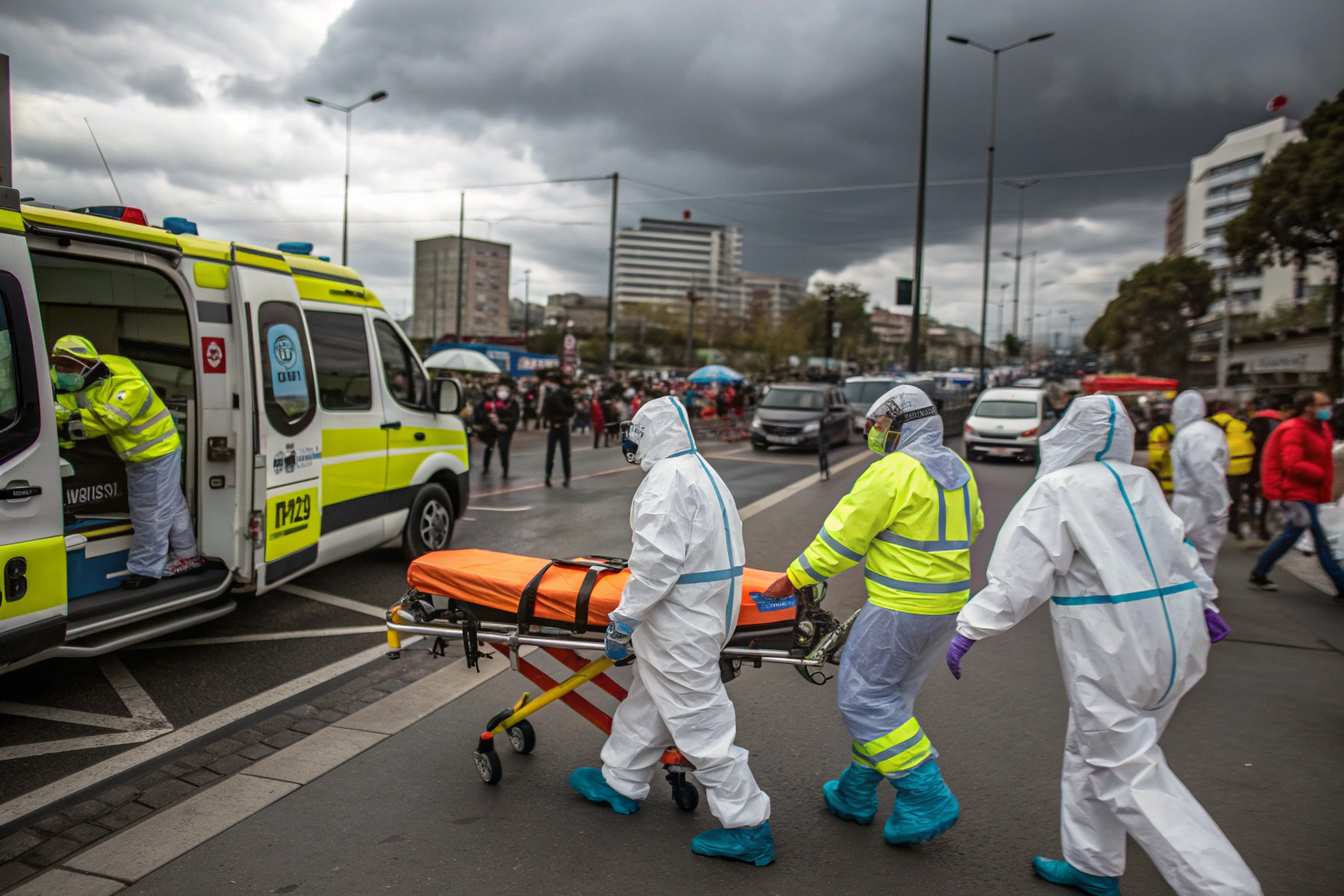
In the fast-paced world of emergency response, every second counts, and every piece of protective equipment can mean the difference between safety and serious risk. Emergency medical professionals face exposure to blood, body fluids, and hazardous pathogens every day, which makes the quality and reliability of their personal protective equipment (PPE) non-negotiable. The NFPA 1999 standard was created to ensure that medical first responders have PPE that meets the strictest performance and safety requirements.
What Does NFPA 1999 Cover?
The NFPA 1999 standard, issued by the National Fire Protection Association, is specifically designed for emergency medical operations. It focuses on garments, gloves, footwear, and face/eye protection used by EMS providers.
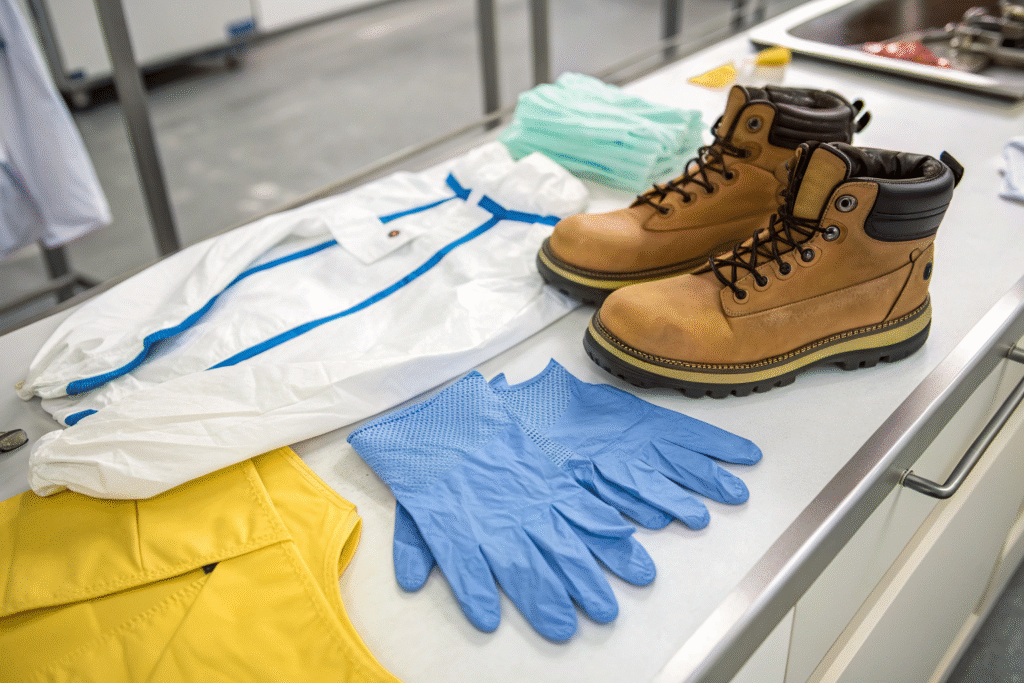
What PPE Categories Are Included?
NFPA 1999 applies to:
- Protective clothing against bloodborne pathogens
- Examination and utility gloves
- Footwear designed for contaminated environments
- Face and eye protection like goggles and shields
For example, NFPA 1999-certified gloves must demonstrate resistance against penetration by blood and bodily fluids while maintaining dexterity for medical procedures (CDC Bloodborne Pathogens). Similarly, footwear must resist liquid penetration while offering comfort during long shifts.
How Does Testing Ensure Reliability?
All PPE covered under NFPA 1999 undergoes rigorous laboratory testing for liquid integrity, seam strength, and viral penetration resistance. This ensures that first responders wearing NFPA 1999-certified products have consistent, verifiable protection in real-world emergencies (OSHA PPE Standards).
Why Is Bloodborne Pathogen Protection Essential?
First responders are often the first line of contact with patients who may carry infectious diseases. Exposure to HIV, hepatitis B, hepatitis C, or emerging viruses can occur within seconds if PPE fails.
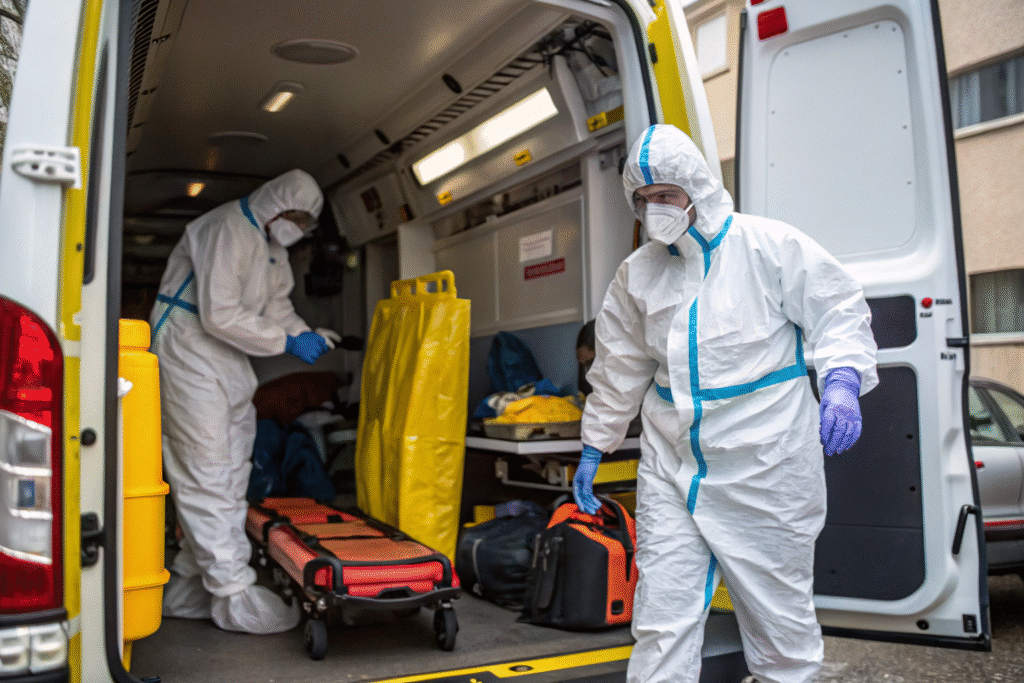
How Does NFPA 1999 Address These Risks?
The standard mandates barrier protection performance far above basic workplace PPE. It requires proof that garments, gloves, and footwear resist penetration by viral surrogates like Phi-X174 bacteriophage, which is smaller than most dangerous viruses. This makes NFPA 1999 a proactive shield against worst-case scenarios.
What Are the Real-World Consequences of Non-Compliance?
Without certified PPE, emergency personnel face heightened risks of occupational infections, lawsuits, and operational downtime. Hospitals and EMS organizations that adopt NFPA 1999-compliant PPE significantly reduce needlestick exposures and contamination cases, which translates to better workforce safety and lower liability costs (NIOSH Healthcare PPE).
How Does NFPA 1999 Support PPE Durability and Comfort?
Protective gear is only effective if workers can actually wear it comfortably during long shifts. Stiff, heavy, or poorly designed PPE can cause fatigue and reduce performance.
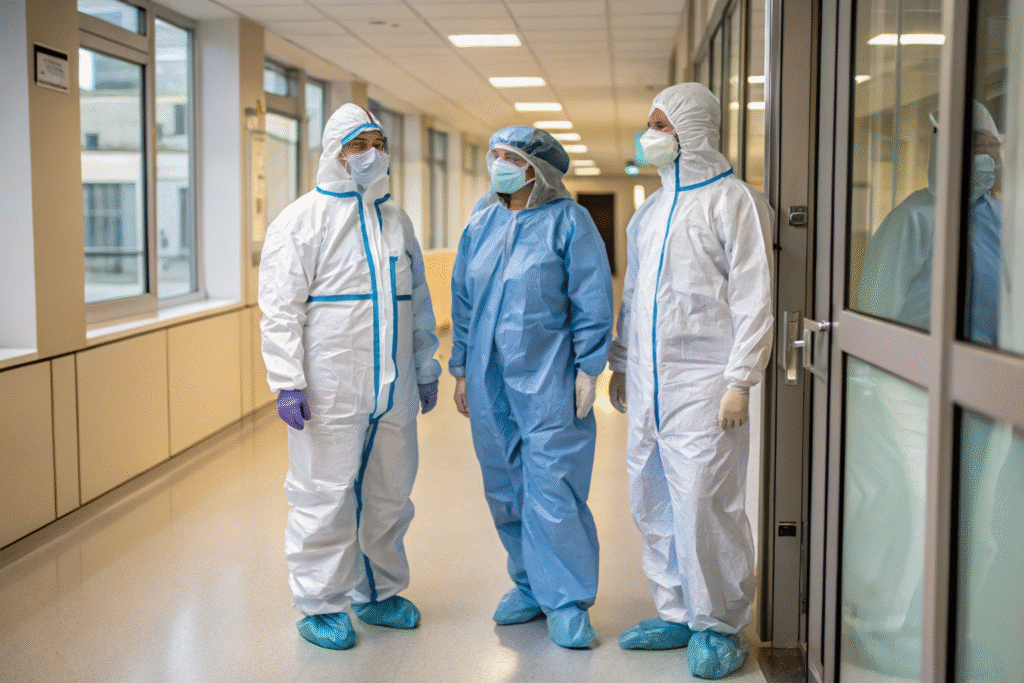
Why Does Comfort Matter in Emergency PPE?
Emergency responders often work 12+ hour shifts in stressful, high-heat environments. If PPE is too heavy or restrictive, workers may skip wearing it properly, compromising safety. NFPA 1999 requires materials that balance barrier protection with breathability and ergonomic design.
How Do Manufacturers Meet These Demands?
Leading manufacturers test fabrics not only for pathogen resistance but also for flexibility, moisture management, and thermal regulation. This allows PPE to function as both a barrier and a tool that supports peak human performance (3M PPE Solutions).
Why Should EMS Providers Prioritize NFPA 1999 Certification?
Ultimately, NFPA 1999 is more than just a compliance requirement—it is a life-saving benchmark. For EMS organizations, adopting this standard signals a commitment to both patient care and worker safety.
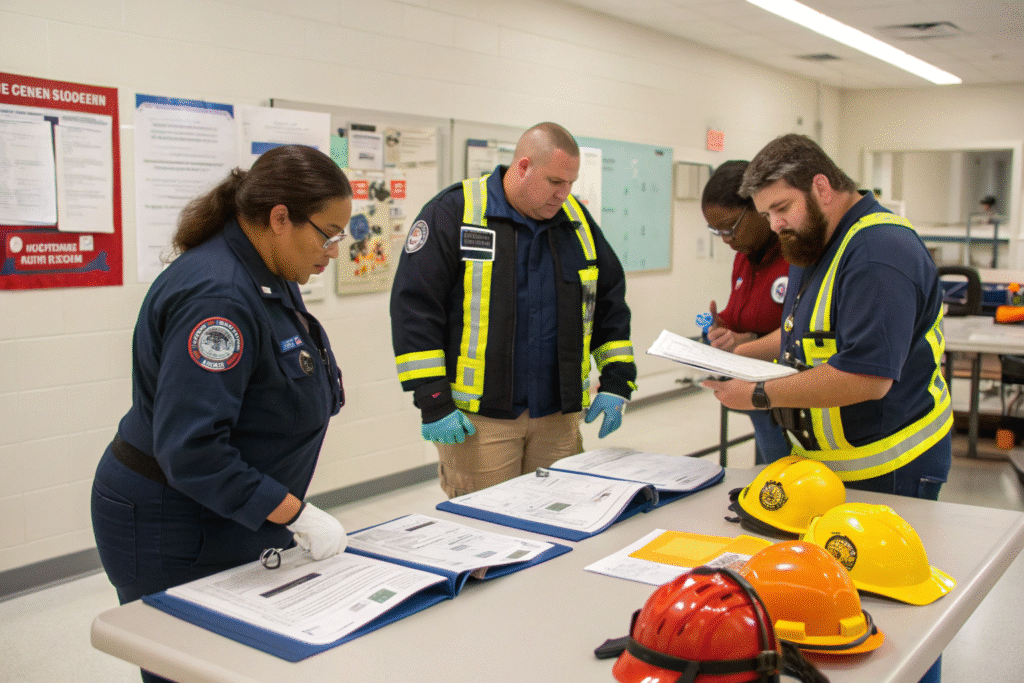
How Does Certification Impact Procurement?
Procurement teams choosing NFPA 1999-certified products demonstrate due diligence in meeting occupational safety regulations. This not only protects workers but also shields organizations from legal and reputational risks.
What Does This Mean for the Future of Emergency PPE?
With growing threats from pandemics, drug-resistant pathogens, and bioterrorism, NFPA 1999 will continue to evolve as the backbone of emergency medical PPE standards. Organizations that adopt and update their PPE according to NFPA 1999 will remain prepared for both present and future challenges (NFPA Standards).
Conclusion
NFPA 1999 is not just a technical standard; it is a frontline defense for emergency medical professionals. By mandating rigorous pathogen protection, durability, and ergonomic design, it ensures that PPE can withstand the most extreme conditions while keeping workers safe.
For EMS providers, hospital systems, and procurement leaders, NFPA 1999 compliance is a direct investment in workforce safety and patient trust. Choosing certified PPE is not only the right decision but also the most responsible one.