
Let’s be honest—after twenty years in this business, I’ve seen it all. Schools choosing the wrong uniform fabric, kids suffering through sweltering classrooms, parents complaining about rashes and discomfort. The question isn’t just about fabric; it’s about keeping children cool, focused, and honestly—happy. Personally I think we often overcomplicate this. The answer? It’s simpler than you might imagine.
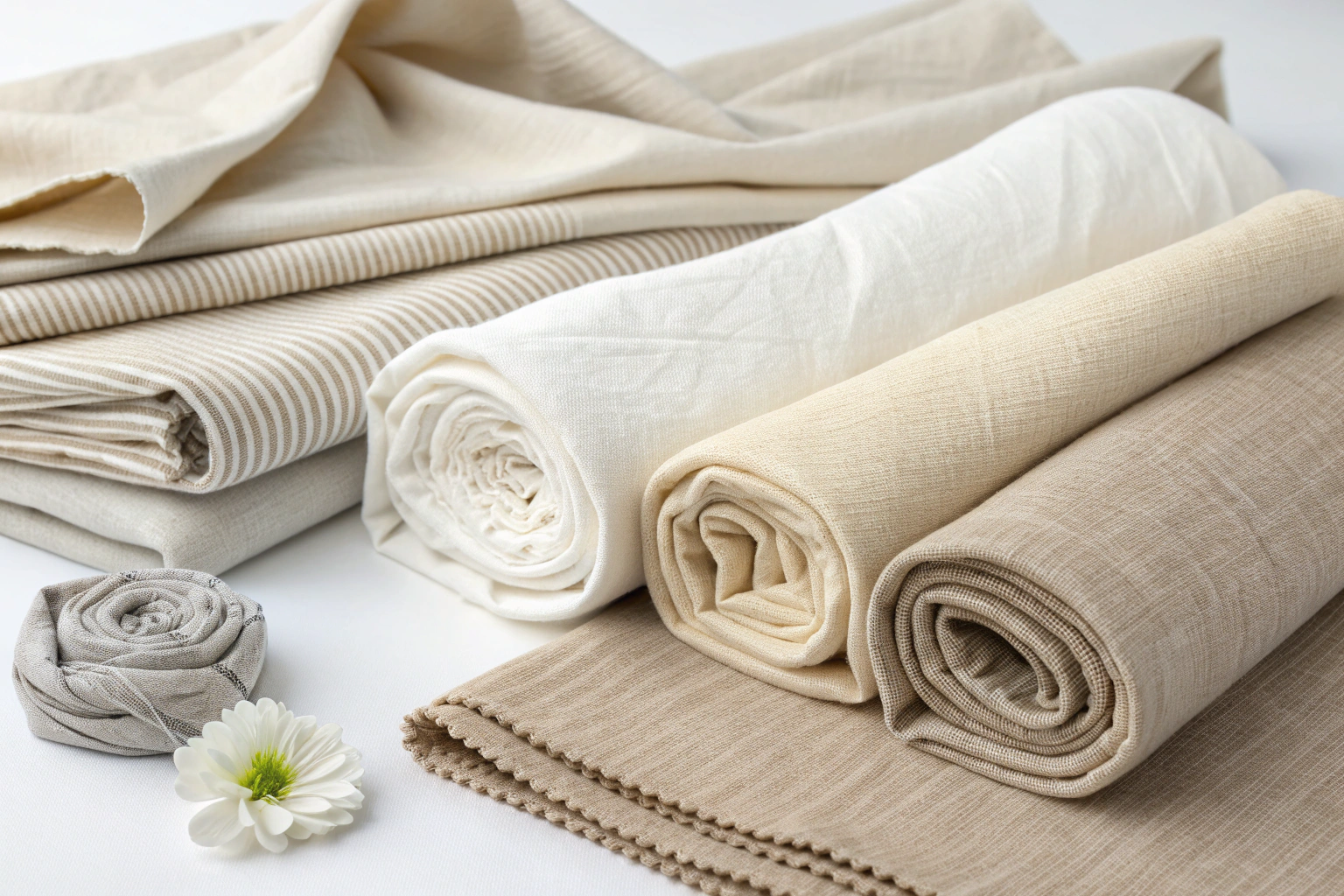
Truthfully, the best fabrics come down to natural fibers—cotton, linen—and honestly, some surprisingly good semi-synthetics like Tencel™. What makes them work? Breathability. Moisture-wicking. Softness against sensitive skin. These properties create air circulation, allow sweat to evaporate… basically, they prevent that awful overheated feeling that distracts from learning.
But here’s the thing—comfort isn’t the whole story. You’ve got durability to consider. Cost factors. Maintenance. Let’s walk through what really matters when choosing uniforms for steamy climates.
What fabrics actually breathe best in heat?
Breathability—that’s the magic word. When temperatures climb, you need fabric that lets air move freely. Trapped heat means miserable students. Actually, it means distracted, uncomfortable kids who can’t focus on lessons. The science is simple: breathable fabrics allow body heat to escape and sweat to evaporate. That evaporation creates natural cooling. For uniforms worn eight hours daily? Non-negotiable.
Personally I’d rank cotton, linen, bamboo rayon, and Tencel™ as top performers. Cotton and linen—natural, porous structures. Bamboo and Tencel™—regenerated cellulose, fantastic moisture management. All four offer that crucial air circulation while being gentle on skin. Frankly, they just feel cooler.
Why does cotton remain so popular—really?
Cotton’s been the classic choice for centuries. And honestly? For good reason. Naturally breathable—absorbs significant moisture before feeling damp. Hypoallergenic too, which matters for children’s sensitive skin. The durability? Withstands frequent washing—school uniforms need that.
But let’s be real—pure cotton wrinkles. Modern blends with a touch of polyester help. Maintain comfort while improving wearability. Practical solution, honestly.
For deeper technical insights, Textile Exchange provides excellent resources. Understanding fiber properties helps too.
Are modern fabrics like Tencel™ worth the investment?
Here’s my take—Tencel™ performs exceptionally well. Derived from sustainable wood pulp. Actually more absorbent than cotton. The fibers feel luxuriously smooth and cool—almost silky.
The production process? Environmentally responsible—closed-loop system recycles water and solvents. Cost is higher, true. But the performance—and the sustainability story—often justify it for schools prioritizing both comfort and eco-credentials.
How do you balance durability with comfort—honestly?
School uniforms take beating. Daily wear, playground activities, repeated washing. Comfortable fabric that disintegrates after three months? Useless. The challenge—finding materials offering natural fiber comfort with synthetic strength.
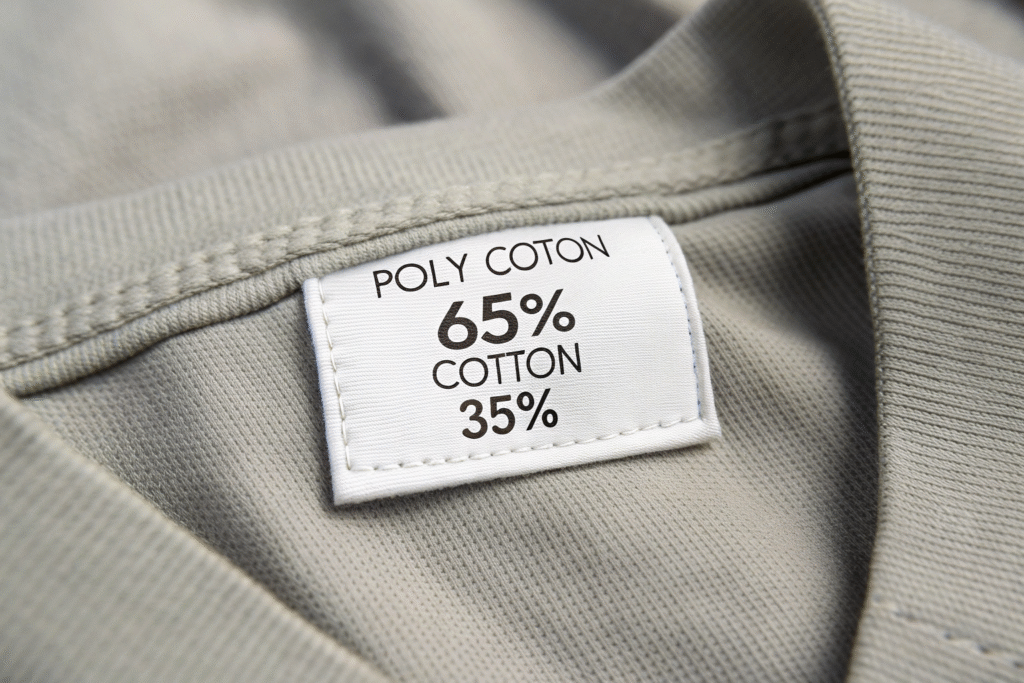
Frankly, blending fibers works best. Poly-cotton blends—65% cotton/35% polyester, for example. Cotton provides breathability; polyester adds strength, wrinkle resistance. Creates uniforms that withstand rigorous use while remaining comfortable to wear. Practical compromise, to be honest.
What are the real pros and cons of poly-cotton blends?
Let’s break it down honestly:
| Feature | Advantages | Drawbacks |
|---|---|---|
| Durability | Resists tearing and abrasion well | Less breathable than pure cotton |
| Maintenance | Wrinkle-resistant, easy care | May pill over time |
| Cost | Very affordable, widely available | Not as eco-friendly as natural fibers |
| Comfort | Better breathability than full polyester | Not as cooling as linen or Tencel™ |
For most schools? The pros outweigh the cons. Budget-friendly, practical, comfortable enough.
The American Association of Textile Chemists offers great information on blends. Fabric testing standards provide additional guidance.
Is 100% polyester ever viable for hot climates?
Generally? I’d avoid it. Tends to trap heat, feel clammy. But—modern performance polyester with moisture-wicking technology? Different story. Engineered to pull moisture away from skin.
Still—requires careful selection. Lower-quality polyester will disappoint. For most uniform applications? Blends remain safer choice. Honestly.
What certifications truly matter for children’s uniforms?
Certifications—they’re not just paperwork. They’re promises. Safety promises. Quality promises. Especially crucial for children’s clothing worn daily. Parents deserve peace of mind. Schools need trustworthy suppliers.
Oeko-Tex Standard 100 and GOTS—these are the ones that matter. Oeko-Tex ensures textiles are free from harmful substances. GOTS covers organic fiber content plus environmental and social standards throughout production. Both provide independent verification—actually essential for children’s wear.

Why is Oeko-Tex so crucial—really?
Children’s skin—more sensitive, more permeable. Vulnerable to chemicals and allergens. Oeko-Tex tests for over 100 regulated and non-regulated harmful substances—pesticides, heavy metals, allergenic dyes.
Seeing that label? Confidence the uniform won’t harm the child. It’s about health—not just comfort.
Verify certifications through the Oeko-Tex database. REACH compliance matters too for European markets.
How does GOTS support truly sustainable uniforms?
GOTS goes beyond material safety. Covers entire production process. Restricts toxic chemicals and dyes. Enforces wastewater treatment protocols. Ensures safe working conditions and fair wages.
Choosing GOTS-certified uniforms? Powerful statement. Aligns institutional values with purchasing decisions. Transforms uniform into sustainability teaching tool. Honestly—worth supporting.
How do weight and weave affect real-world comfort?
Fiber type? Only part of the story. Construction matters equally. Heavy, tight weave using breathable fiber? Still feels hot. Understanding weight and weave? Key to optimizing comfort.
Lighter weights, open weaves—essential for heat. Fabric weight (GSM)—120-180 range ideal for summer wear. Weave type—plain weaves like poplin work best. Less dense, more air circulation. Unlike tight weaves like denim. Simple physics, really.

What’s the ideal GSM for summer uniforms—frankly?
GSM measures fabric weight. Lower number—lighter, more breathable. For hot climates? 120-160 GSM for shirts. 160-200 GSM for trousers needing more durability.
Our 140 GSM cotton-poly poplin? Personally I recommend it often. Light enough for breathability, substantial enough to look neat. Always ask suppliers for GSM—professional ones will provide it.
Textile Institute offers measurement guidance. Understanding weave types helps selection.
How do poplin and twill compare in real use?
Weave determines texture, strength, porosity.
Poplin—plain weave. Simple over-under pattern. Smooth surface, crisp feel. Naturally breathable—excellent for shirts.
Twill—diagonal rib pattern. Denser, more durable. Good for pants—but can be warmer. For heat? Light-weight twill preferable.
Matching weave to garment function? Smart strategy. Honestly.
Conclusion
Selecting uniform fabric for hot climates? Multi-faceted challenge. Balance breathability, durability, safety, cost. Natural fibers lead for comfort. Modern materials offer advanced performance. Blends provide practical everyday solutions. Certifications ensure safety and sustainability.
Details matter—weight, weave, construction. Small differences create significant comfort impacts.
Ready to develop comfortable, durable school uniforms? We can help. Full-package production expertise. Contact our Business Director Elaine—discuss your needs, request swatches. Create uniforms students actually enjoy wearing. Email elaine@fumaoclothing.com. Let’s be honest—your students deserve it.


One Response