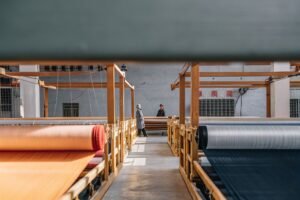
With twenty years in Keqiao’s textile industry, I’ve helped countless brands select linings. The perfect lining enhances comfort; the wrong one ruins a garment. Breathability prevents heat and moisture buildup. Today we explore three common lining fabrics: Cupro, Acetate, and Polyester. Which truly offers superior airflow?
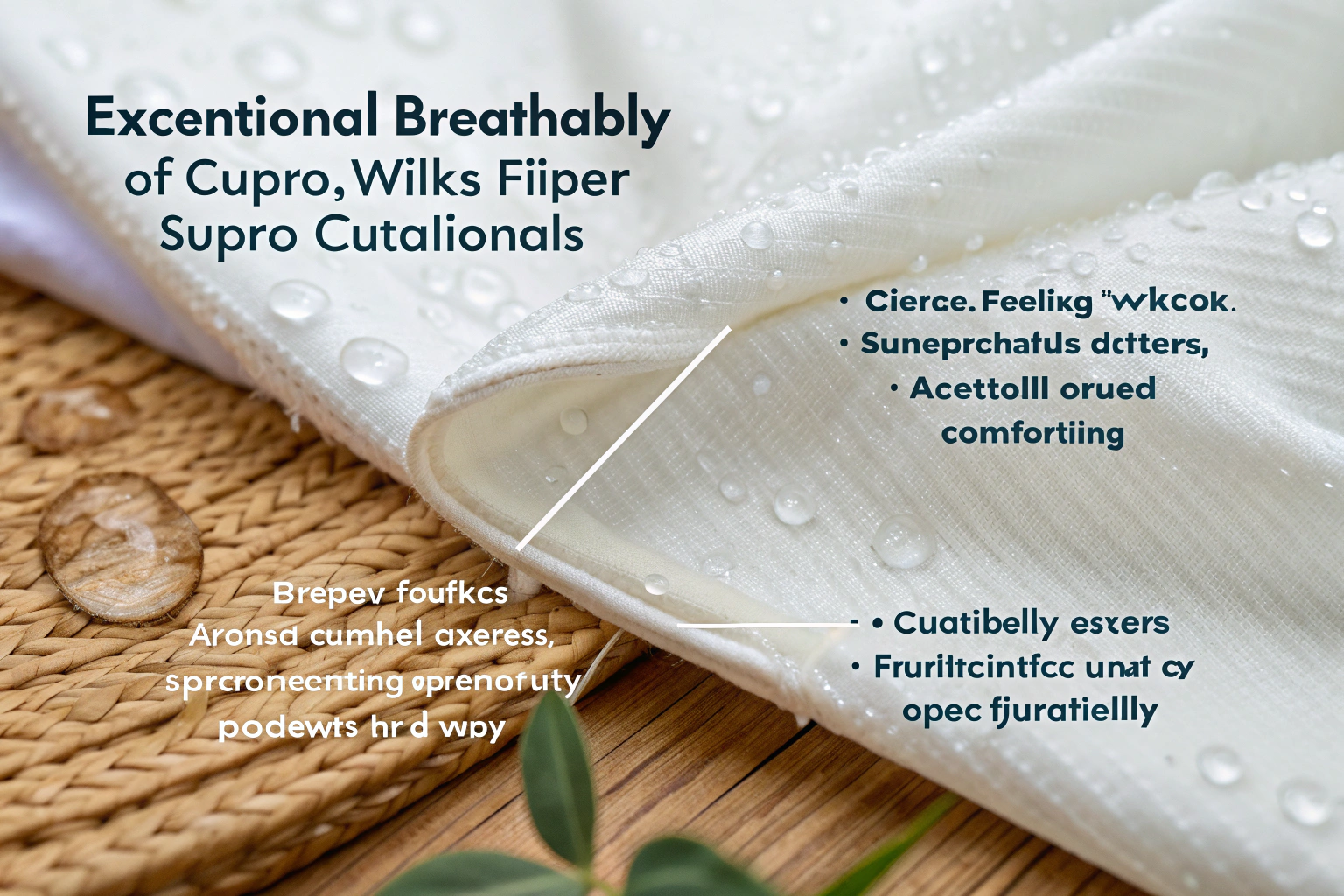
Cupro delivers exceptional breathability. This plant-based fiber wicks moisture effectively. While acetate feels silky and polyester has evolved, Cupro’s structure enables optimal air circulation. Its natural composition outperforms synthetics for pure comfort.
Selecting lining material requires careful thought. It impacts garment quality and wearer experience. Breathable linings pull moisture away from skin. They allow constant air movement. This maintains cool, dry comfort throughout the day.
Understanding Cupro’s Breathability
Cupro regenerates from cotton linter. This silky fuzz remains after cotton processing. Too short for regular spinning, it finds new purpose. The cuprammonium solution transformation creates luxurious fabric. The result rivals high-quality silk in smoothness.
Molecular structure explains Cupro’s performance. As cellulose fiber, it’s naturally hydrophilic. This means strong water attraction. Cupro absorbs skin moisture rapidly. Then it releases humidity into the air. This moisture-wicking process ensures ongoing comfort. Loose weaving enables excellent airflow. This combination makes Cupro top-tier.

How does Cupro differ from similar materials?
Cupro joins other semi-synthetics like viscose and Tencel™. All originate from plants. Yet Cupro’s manufacturing creates unique qualities. Compared to viscose, it demonstrates better durability. Against Tencel™, it provides softer texture. However, Tencel™ often features greener production methods.
Where should designers apply Cupro lining?
Cupro works perfectly where comfort matters most. Ideal uses include:
- Premium dresses and blouses: Enhances luxury against skin
- Warm-weather suits: Prevents sticky discomfort
- Delicate outer materials: Offers smooth protection
The main constraints involve cost and maintenance, often requiring dry cleaning.
Evaluating Acetate for Lining Use
Acetate derives from wood pulp through acetylation. This chemical modification creates cellulose acetate. It emerged as affordable silk alternative. Designers love its shine and elegant fall. The smooth texture elevates garment interiors.
Breathability remains moderate in acetate. It absorbs moisture slower than Cupro. For daily wear in dresses or jackets, it generally suffices. It definitely beats standard polyester. Low static prevents clinging, indirectly boosting comfort.

What are acetate’s main weaknesses?
Acetate carries important limitations. Heat resistance proves particularly poor. Hot irons can damage it easily. Abrasion resistance also rates low. Friction causes pilling over time. Strong acids in perspiration may cause deterioration. Environmental concerns exist around production chemicals.
When does acetate make sense?
Despite drawbacks, acetate fits specific scenarios. Consider it for:
- Evening and formal wear: Beautiful drape and appearance
- Low-wear garments: Costume pieces or seasonal items
- Mid-range budgets: Natural feel without silk pricing
It balances breathability, aesthetics, and cost effectively.
Polyester’s Breathability Evolution
Polyester originates from petroleum polymers. Traditional versions notoriously trap moisture. Being hydrophobic, it repels water. Sweat accumulates on skin surface. This creates unpleasant clamminess. Hence cheap polyester’s poor reputation.
Modern textile engineering changed this. Moisture-wicking polyester now exists. Micro-channels and special treatments help. These pull moisture along fiber surfaces. Then spread it for faster evaporation. Though not absorbent, it transports moisture. Quality polyester linings now work well, especially for activewear.

What varieties of breathable polyester exist?
Polyester linings come in different forms:
| Type | Characteristic | Ideal Application |
|---|---|---|
| Basic Woven | Economical, limited breathability | Budget items, low-ventilation needs |
| Moisture-Management Taffeta | Special finish for dryness | Sports uniforms, easy-care clothing |
| Mesh Construction | Open netting for maximum airflow | Athletic wear, ventilation zones |
Why does polyester remain popular?
Practical benefits explain polyester’s dominance. It resists wrinkles, shrinking, and stretching. Machine washing works easily. From manufacturing perspective, it’s affordable and available. Brands prioritizing fast production and cost choose polyester routinely. Specify performance grades for breathability needs.
Selecting Your Ideal Lining
Lining choice balances multiple factors. Look beyond fiber content alone. Weave density affects breathability significantly. Tight satin weaves restrict air more than plain weaves. Fabric weight also matters. Lightweight linings naturally permit better airflow.
Let garment purpose guide your decision. Ask key questions: Who’s the target customer? What’s the price range? How will they maintain it? Luxury gowns need different linings than raincoats. Create a priority matrix to simplify selection. Maximum breathability suggests Cupro. Durability and cost point to polyester.

What should you ask suppliers?
Engage suppliers with precise questions:
- "Do you have test results for air permeability?"
- "How durable is the moisture-wicking treatment after washing?"
- "What’s the fabric weight and weave structure?"
- "Can we get samples for prototype testing?"
Good suppliers provide this data from certified labs.
How does pricing affect decisions?
Cost structure clearly influences choices. Cupro costs most, reflecting luxury quality. Acetate occupies middle price range. Polyester remains most budget-friendly. Consider value beyond price. Cupro lining justifies premium positioning. Basic polyester might harm quality perception. Align material with brand positioning.
conclusion
Our exploration reveals clear conclusions. Cupro leads for natural breathability. Acetate balances beauty and function. Modern polyester offers practical performance. Your decision should reflect garment purpose and brand values.
Remember: lining represents hidden comfort layer. Customers feel it constantly. Don’t treat it as afterthought. Need quality breathable linings? We can help. Request swatches and technical data. Contact Business Director Elaine: elaine@fumaoclothing.com. Let’s create amazing garments together.