A buyer once showed me a beautiful flowy viscose dress she imported for her boutique. The colors were stunning, the drape was liquid silk. She sold out in two weeks, and then the returns started flooding in. Every single customer complained that after one gentle wash, the dress looked like a worn-out sock—covered in tiny, ugly fuzz balls. She lost her entire profit margin on refunds and return shipping, not to mention the trashed brand reputation. The fabric felt luxurious in the hand, but the hidden structure was a disaster waiting to happen.
Pilling in viscose isn’t random bad luck. It’s the predictable result of a mill using short, weak staple fibers, a loose twist on the yarn, and an insufficient singeing process to save pennies per meter. Cheap viscose is essentially made from chopped-up wood pulp extruded into short cotton-length fibers that don’t have the strength to stay locked inside the yarn. When you agitate them in a washing machine, the weak fibers snap, migrate to the surface, and tangle into those nasty little pills. At Shanghai Fumao, we specify long-staple, high-tenacity viscose and run a double singeing pass on our woven viscose precisely to lock the fibers in place for the life of the garment.
I’ve burned, rubbed, and washed more viscose than I care to remember over the last twenty years. Stick with me, and I’ll teach you three physical field tests you can do right at your desk to spot the cheap stuff before you commit to a bulk order. I’ll explain why the "wet strength" of viscose matters more than the dry hand feel, how a simple lighter can reveal the synthetic starch coating that hides poor structure, and what specific weave constructions resist pilling better than others.
Why Short-Staple Fiber Length Is the Root Cause of Viscose Pilling
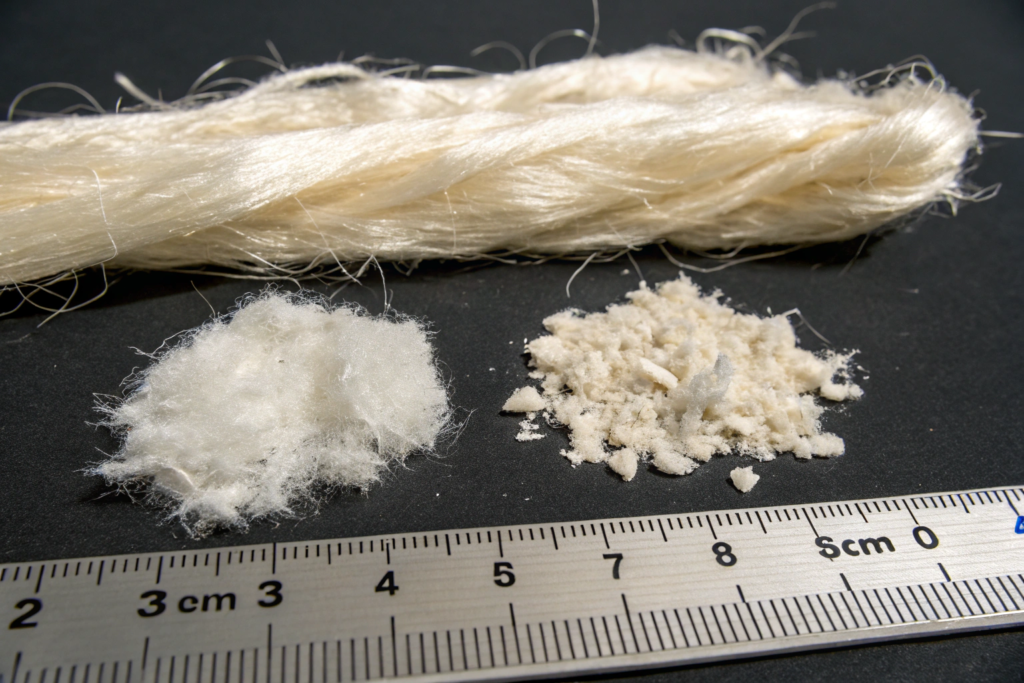
Viscose is a regenerated cellulose fiber, which means we take wood pulp, dissolve it into a soup, and extrude it through spinnerets. So far, so good. But then comes the cost-cutting step: cutting the filament into staple fibers. A quality mill cuts those filaments into long staples, around 40-50 mm, mimicking the length of premium cotton. A cheap mill chops them short, 25-32 mm, because shorter fibers are easier to blend with low-cost cotton waste and process on older, less precise spinning frames.
The shorter the fiber, the less grip it has inside the yarn structure. Think of long-staple fibers like a bundle of long sticks tied together—hard to pull out. Short-staple fibers are like a bundle of toothpicks; one wiggle and they slide right out. That "wiggle" is your washing machine. During agitation, the short viscose fibers work their way to the yarn surface, snap, and form pills. The fiber length is literally the foundation of the fabric’s integrity. If it’s short, no amount of finishing can fix it permanently.
How Does the "Wet Strength" Test Expose Low-Grade Regenerated Cellulose?
Viscose has a dirty secret: it loses roughly 40% to 50% of its strength when it gets wet. Cotton actually gets stronger when wet. This inherent weakness is amplified if the mill uses low-grade pulp or cuts corners on the regeneration process. A premium viscose, like a Tencel-branded lyocell or a high-wet-modulus modal, retains more of its strength under water load. A cheap viscose turns into a fragile, slippery mush.
You can do this test yourself. Take a single yarn from the fabric. Soak it in a glass of water for 30 seconds, then try to snap it. A quality yarn will fight you and squeak as it breaks. A cheap yarn will dissolve with almost no resistance, pulling apart like wet tissue paper. This weakness under wet agitation is exactly what causes the fibers to fragment and pill in the laundry. You should learn how to perform a simple wet break strength test on a single yarn to predict pilling propensity. I do this demo for new buyers in our showroom. It’s visceral. They feel the difference instantly, and they never forget it. The wet state is the true test of the viscose quality.
Why Is "Linting" on a Black T-Shirt a Preview of Pilling Failure?
Before the pills form, the fabric sheds. Hold a cheap viscose challis up to a bright light and rub it against a piece of black cotton or denim. If it leaves a fine, powdery white dusting of micro-fibers, run away. That dusting is the first stage of catastrophic pilling. The short fibers haven’t even survived the friction of being handled in dry form; they are already breaking off at the surface.
This linting is a direct indicator of poor fiber entanglement. The yarn twist isn’t holding the fibers, so the surface is essentially a loose cloud of broken ends. A single wash cycle won’t just produce more lint; it will mat those loose ends together into hard pills. I tell our weaving manager to check the "black shirt test" on every new viscose warp. If the loom is producing excessive fly and dust, the fiber is trash, and we reject the yarn batch. You should search for a technical explanation of how short-staple fiber migration causes surface fuzzing in woven viscose fabrics. The migration theory is exactly this: the short fibers have low inertia, so any mechanical friction pushes them up and out. Once they’re out, they grab onto each other, and the pill is born.
The Critical Role of Yarn Twist and Singeing in Viscose Fabrics
Even with decent fiber length, a lazy spinner can ruin everything by using insufficient twist. Twist is what binds the fibers together under compression. Low twist makes the fabric feel softer and more "buttery" on the bolt, which seduces buyers in the showroom. But it’s a trap. That softness comes at the cost of structural integrity. The fibers are loose, ready to pull out at the first sign of stress.
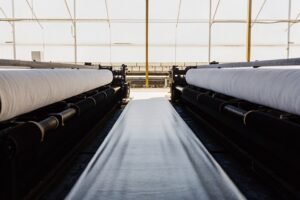
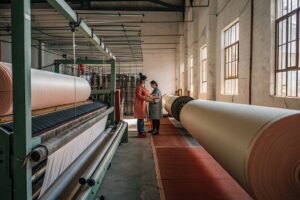
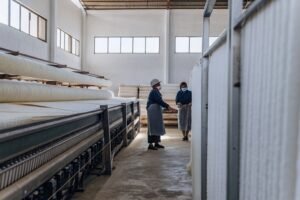
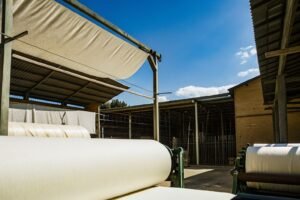
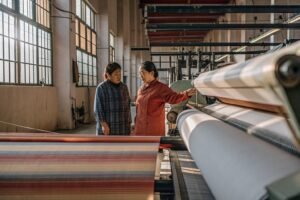
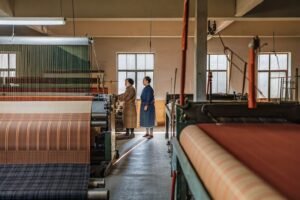
Then you have the finishing process. Singeing is the industrial secret to a clean viscose surface. We pass the woven fabric over a row of gas flames at high speed, burning off all the protruding micro-hairs before they can tangle into pills. A cheap mill skips this step or runs it at low flame because they’re afraid of burning the fabric. A quality mill does it, and does it precisely. The result is a fabric that starts smooth and stays smooth because there are no loose ends waiting to grab each other.
What Is the Ideal Twist Factor for a Pill-Resistant Viscose Crepe?
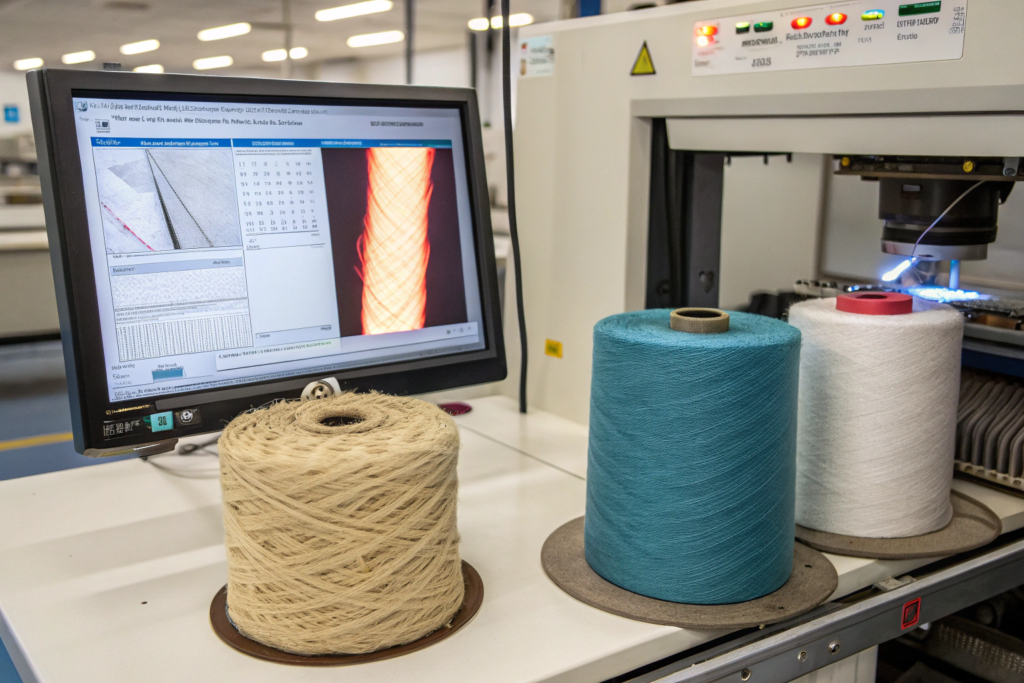
Crepe weaves are popular for viscose because they give that pebbly, fluid drape. But they are also notorious for pilling if the yarn twist is wrong. Crepe yarns need high twist—we’re talking 2000 to 3000 turns per meter (TPM) for a heavy crepe. This high twist imparts a slight stiffness to the raw yarn, which relaxes into the beautiful crepe texture after wet finishing.
A low-twist crepe yarn, say 1200 TPM, feels softer in the greige but lacks the internal torque to hold the fibers. The "crepe effect" will be weak, and the pills will be strong. You can ask your supplier for the technical parameter of the ideal viscose yarn twist multiplier to guarantee wash durability in woven fabrics. The twist multiplier is a formula that balances yarn count with turns per inch. If a mill can’t give you the TPM number, they probably don’t know it, or they know it’s low. I always spec a minimum of 4.0 twist multiplier for viscose challis. It gives a crisp, dry hand that transforms into a soft drape after washing, but without the fuzz.
Can You See "Ghost Fuzz" Before the Singeing Process Is Applied?
Unsinged viscose looks dusty under a magnifying glass. Even with the naked eye, if you hold a fabric up at a grazing angle against a bright window, you’ll see a halo of tiny hair-like fibers sticking straight up off the surface. That’s the "ghost fuzz." On a printed viscose, this fuzz scatters light, making the colors look muted and chalky.
A proper singeing burns that halo off clean. The printed surface suddenly looks brighter, sharper, and more saturated because the light reflects cleanly off the smooth yarn surface. This is a quick test you can do when a salesman hands you a swatch. Rub the fabric hard against itself twenty times. If a fuzzy cloud appears instantly, the singeing was inadequate or non-existent. This fuzz will pill in the wash, guaranteed. (Here’s a practical tip from my factory floor: we run a double singe on the right side of printed viscose. First pass burns the loom state fuzz, second pass cleans up any raised fibers from the desizing wash. It costs maybe $0.05 more per meter. Worth every cent.)
How to Physically Test a Swatch for Pilling Before Booking the Order
Salesmen are good at selling drape and color. They are less good at admitting that their beautiful $1.80/meter viscose will self-destruct in your customer’s laundry. You can’t rely on their spec sheets alone, because many small mills don’t even own a Martindale pilling tester. You need simple, repeatable physical tests that you can perform on a small cutting swatch in your office or right on the trade show floor.
These tests don’t require a laboratory. Your fingers, a piece of dark paper, and a bit of water are enough to expose the structural weakness that leads to pilling. I teach these methods to every young fashion designer who visits our Keqiao showroom. They walk in trusting the hand feel; they walk out trusting the rub test. The goal is to stress the fabric in a way that accelerates the wear a consumer will put it through over several washes.
How Does the "Thumb Rub Test" Simulate Agitation in a Washing Machine?
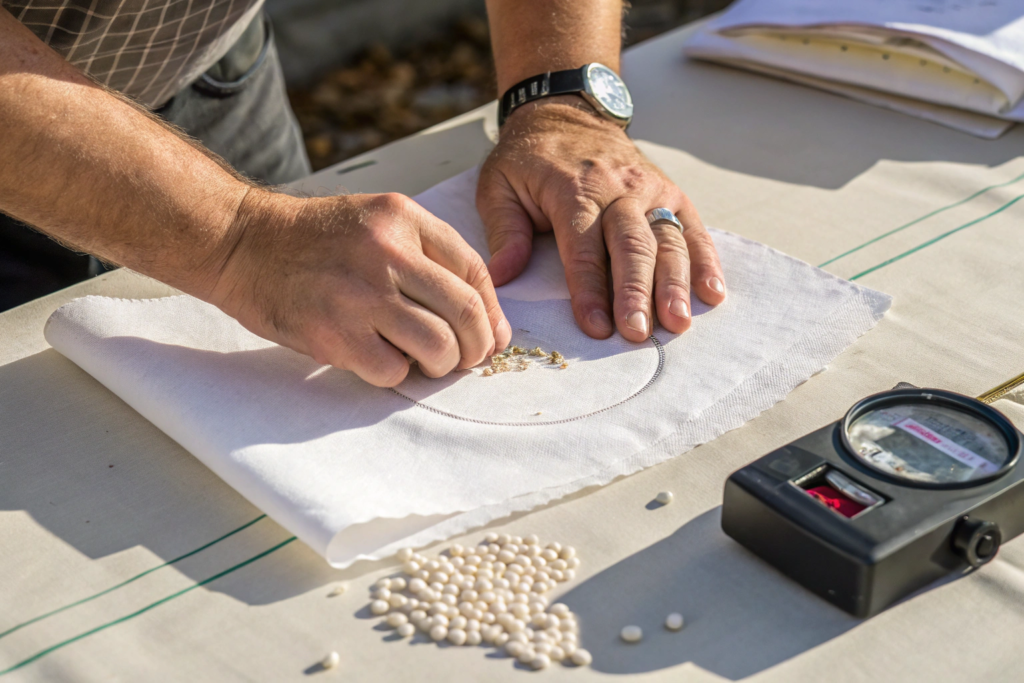
This is my go-to, and it has saved my clients thousands. Take a 4-inch by 4-inch swatch of the viscose. Place it face-up on a table. Wet your thumb and forefinger, and rub the fabric hard in a circular motion, 50 times, right in the center. Don’t be gentle; a washing machine isn’t gentle. Now, look at the rubbed area under a light.
If the fabric shows a fuzzy halo, you’re looking at incipient pilling. If small balls of fiber are already forming, reject the lot immediately. A quality, high-twist, properly singed viscose will show minimal surface disruption—maybe a slight flattening, but no loose fibers pulled up. This test combines moisture (activating the wet-weakness) and friction (simulating the agitator). It’s a brutally honest predictor. I also do a "dry rub" version against a piece of denim to simulate wearing friction. You should look up a demonstration of a manual circular rub test method for assessing surface fuzz and pilling in woven fabrics. The manual method correlates surprisingly well with the expensive Martindale machine when done consistently.
What Does the "Snap Test" Tell You About Yarn Strength and Elastic Recovery?
A fabric that pills is a fabric full of broken fibers. Broken fibers come from weak yarn. The snap test measures the yarn’s tensile integrity in a dramatic, audible way. Unravel a single warp yarn and a single weft yarn from the swatch, about 6 inches long. Hold them at both ends, bring them close to your ear, and snap them apart sharply.
A strong, high-quality viscose yarn will give a crisp, high-pitched "snap" and the broken ends will be clean. A weak, short-staple yarn will pull apart with a dull "tearing" sound, and the broken ends will look frayed and splintered. This indicates the individual fibers are separating from each other rather than breaking cleanly under tension. This fiber separation under stress is exactly the mechanism that creates loose ends on the fabric surface that eventually pill. I keep a set of "reference snaps" on my desk—a tiny bundle of quality viscose yarns that I use to demonstrate the correct sound to new buyers. Once they hear the difference, they can’t unhear it.
Differentiating Pilling From Normal "Fibrillation" in Lyocell Blends
There’s a lot of confusion in the market now because lyocell (Tencel) is often marketed as "premium viscose." And it is, chemically speaking, a regenerated cellulose. But its behavior in the wash is totally different because of the manufacturing process. Lyocell has a tendency to "fibrillate"—developing a uniform, micro-level peach fuzz on the surface—which designers actually want for a soft-hand feel. Cheap viscose doesn’t fibrillate; it pills. The distinction is critical.
Fibrillation is micro-scale, uniform, and does not lead to tangled balls of fiber. Pilling is macro-scale, localized, and generates hard, tangled balls. If you buy a lyocell-cotton blend expecting the beautiful, clean drape, and you get a generic viscose blend that pills, you have a serious quality and cost discrepancy. You paid lyocell prices and received low-grade viscose performance. You need to distinguish the two in a finished fabric.
How Can You Distinguish Clean Fibrillation From Destructive Pilling Under a Loupe?
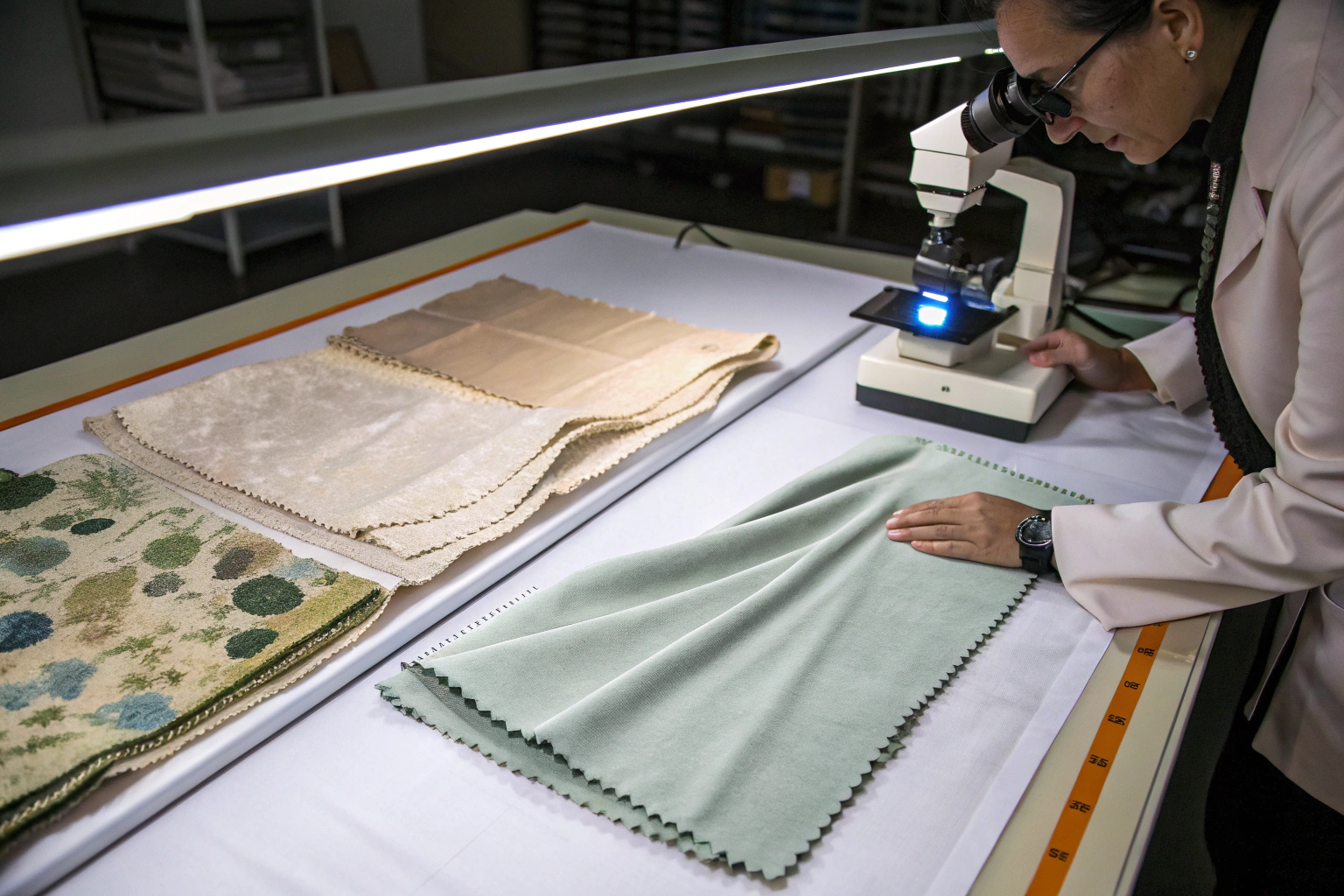
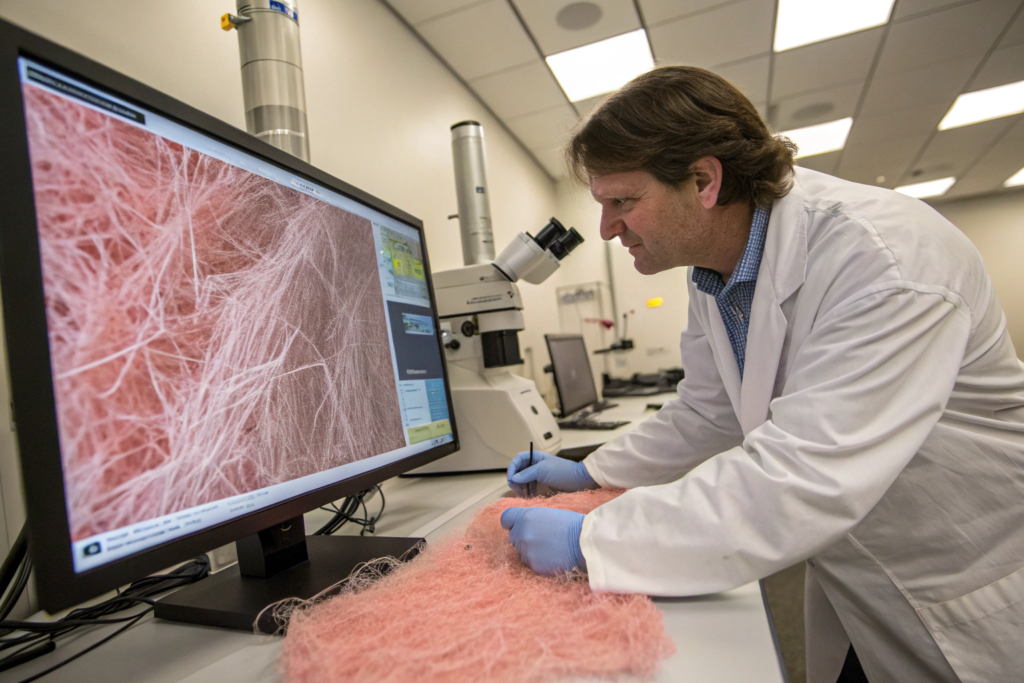
A fabric loupe, a simple 40x pocket magnifier, is your best friend here. Lay the washed fabric sample on a table and look at the surface through the loupe. Fibrillation on lyocell appears as thousands of ultra-fine, identical micro-fibrils standing perpendicular to the yarn. It looks like a peach skin—dense, even, and velvety. The underlying yarn structure remains clearly intact.
Destructive pilling looks completely different. You’ll see thick, tangled clumps of fibers sitting on top of the weave, often still attached at one end to a yarn. The surrounding yarn will look thin and abraded, because it has lost significant fiber mass to the pill. This visual check separates the premium from the cheap instantly. You should consult a microscopic guide to differentiating lyocell fibrillation from generic viscose pilling in blended fabrics. Once you see the two images side-by-side, the difference is unmistakable. The fibrillation is a feature; the pilling is a failure.
Does Enzyme Washing Prevent Viscose Pilling or Just Mask a Bad Yarn?
Enzyme washing is a legitimate finishing technique. Cellulase enzymes eat the surface fuzz off cellulose fabrics, leaving a clean, smooth hand. A light enzyme wash on a quality viscose can enhance the surface and remove any stray fibers. But on a cheap, short-staple viscose, enzyme washing is just a temporary mask.
The enzymes eat the surface fuzz, but they can’t fix the short fiber length inside the yarn core. The first consumer wash will pull a fresh batch of short fibers to the surface, and the pilling will start all over again. Think of it like mowing a lawn of weeds. It looks clean for a day, but the roots are still there, and the weeds grow back. A heavy enzyme wash on a weak yarn also risks destroying the fabric’s tensile strength, leading to tear failures. I always ask a supplier, "Was this fabric singed, enzyme-washed, or both?" The best answer is "singed for structure, enzyme washed for hand." If they only enzyme wash, be suspicious. The enzyme might be doing all the heavy lifting that a proper twist and singe should have done.
Conclusion
Spotting cheap viscose isn’t a mysterious art; it’s a systematic physical investigation. You now know that the root cause of pilling is not the washing machine’s fault, but the short, weak fibers a mill selected to save a few cents. You’ve learned to distrust the seductive, buttery hand feel of a low-twist yarn and to look for the clean, sharp reflection of a properly singed surface. You have practical field tests—the wet thumb rub, the black lint check, the snap test—that can be performed on a trade show table in under a minute. And you can distinguish the premium, intentional peach-fuzz of lyocell fibrillation from the catastrophic, tangled balling of genuine pilling. The scale and the loupe always tell the truth when the label doesn’t.
The cost of a pilling garment is not just the fabric invoice. It’s the lost customer trust, the social media photo of a ruined dress, the chargeback from an angry wholesale buyer. That’s an expensive fabric. Investing in a properly constructed viscose—long staple, high twist, gas-singed, and tested—costs a little more per meter but buys you a brand that lasts past the first wash cycle. That’s the math I’ve always believed in.
Ready to source viscose that flows beautifully and wears even better? Let’s cut through the marketing fluff and get down to the structural data. I invite you to work with our team to build the exact hand feel and durability you need. Reach out to our Business Director, Elaine, directly at elaine@fumaoclothing.com. Let’s make sure your next viscose garment generates compliments, not returns.