Earlier this week, I was reviewing fabric samples for an upcoming client presentation when I noticed something interesting—three separate requests from different brands all specified slub textures. This wasn’t a coincidence. Just last month at the Intertextile Shanghai fair, the buzz around textured, artisanal fabrics was undeniable. As a fabric supplier with over two decades in the textile hub of Keqiao, I’ve watched slub yarn transition from a niche detail to a mainstream essential. But what exactly creates this sought-after texture, and why has its popularity surged so dramatically recently? Let’s unravel the thread.
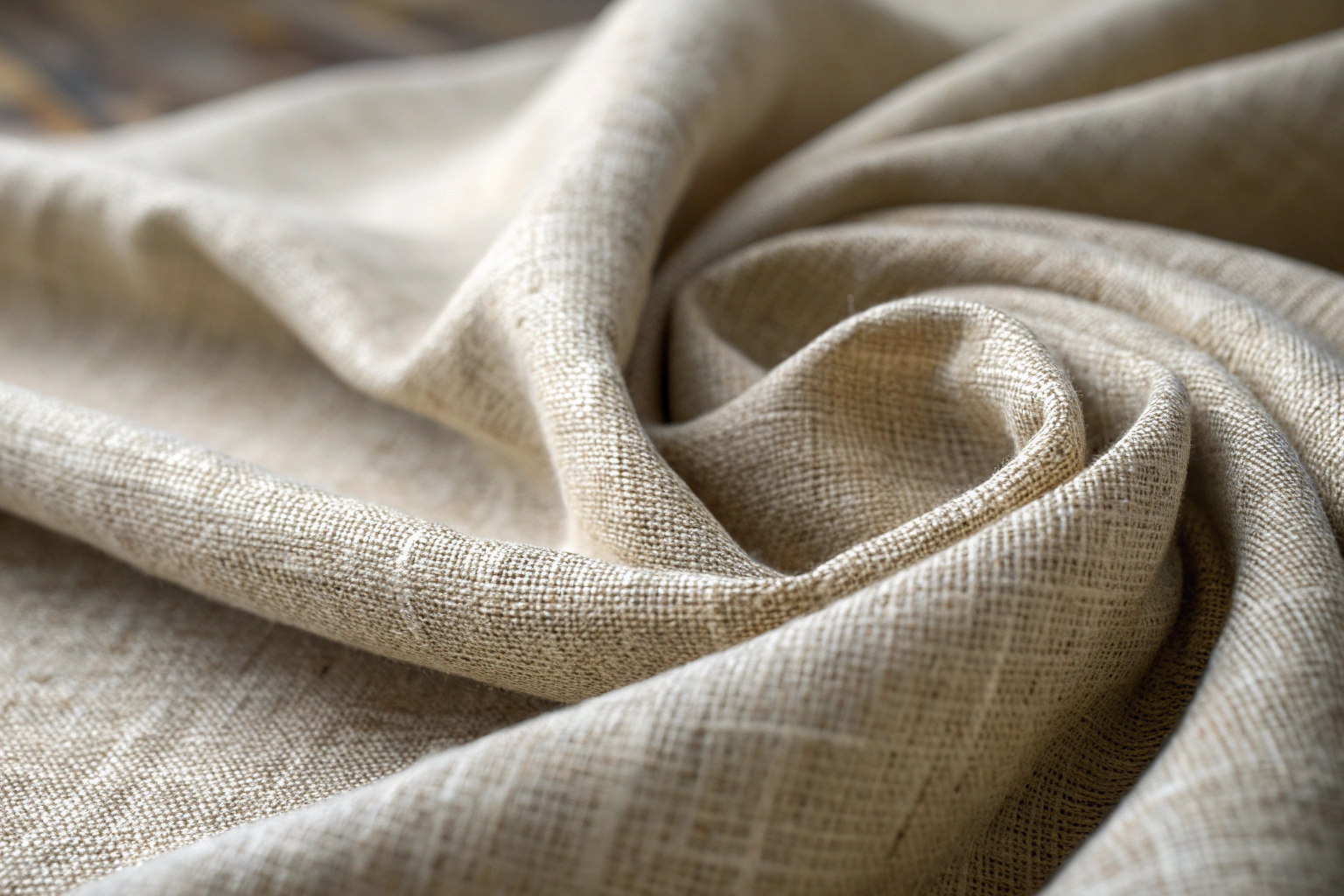
Simply put, slub yarn is a type of yarn that is intentionally spun to have thick and thin sections along its length. This irregularity creates a fabric with a nuanced, textured surface that is highly prized for its visual and tactile appeal. Unlike the uniform smoothness of regular yarn, slub yarn introduces an element of organic, natural charm, making it a popular choice for everything from casual shirts to high-end dresses.
This article will guide you through the complete story of slub yarn. We will explore its manufacturing process, uncover the reasons behind its recent surge in popularity, and examine the diverse types of fabrics it creates. You will also learn about the practical advantages of sourcing these fabrics directly from a specialized supplier like ours, especially in today’s rapidly changing market.
How is slub yarn manufactured?
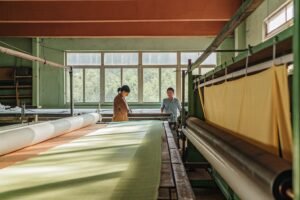
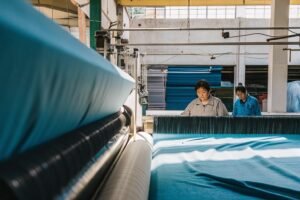
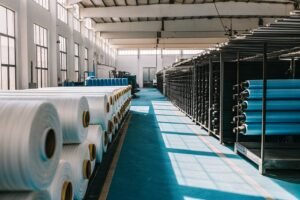
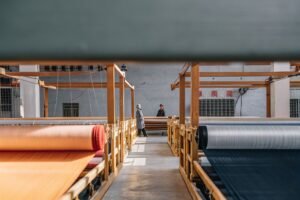
Just last Thursday, I was walking through our partner spinning mill and witnessed firsthand the precise calibration needed for slub production. The creation of slub yarn is a fascinating dance between art and science that has evolved significantly in recent years. It’s a deliberate departure from the goal of producing a perfectly even thread. In our partner spinning mills, the process begins just like any other yarn production, but with a crucial twist introduced during the spinning stage. The machinery is precisely calibrated to create controlled irregularities, either by varying the speed of the rollers feeding the fibers or by intentionally introducing an uneven amount of fiber at intervals. This results in the characteristic slubs—the thicker, slightly twisted places—interspersed with the thinner, more delicate sections.
The beauty of modern textile manufacturing is the level of control we can achieve today. The slubs are not random flaws; they are engineered. We can specify the frequency, the size, and the length of the slubs to create different aesthetic effects. This means we can produce a subtle, barely-there texture for a sophisticated shirting or a bold, pronounced slub for a rustic, heavy-weight linen. This controlled irregularity is what gives slub fabrics their unique identity and ensures consistency across large production runs for our clients.

What machinery creates slub texture?
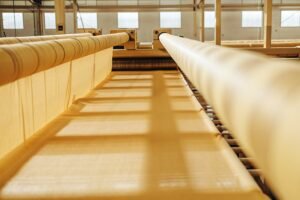
While drafting this section, I consulted with our head technician about recent equipment upgrades. The heart of slub yarn production lies in the ring spinning or rotor spinning frames. These are not special machines built solely for slub yarn; they are the same workhorses of the yarn industry, but they are equipped with advanced electronic systems. These systems allow technicians to program the exact parameters for the slub effect. By digitally controlling the feed rollers, the machine can suddenly accelerate or decelerate, causing a clump of fibers to be drawn in, forming a slub. The precision of this technology is key to producing a high-quality, reproducible slub yarn that meets specific design requirements.
Can slub yarn be made from any fiber?
Earlier this year, we developed a slub fabric using recycled ocean plastic that generated significant client interest. Absolutely. The slub effect is a characteristic of the yarn’s structure, not its raw material. This means we can produce slub yarn from a vast range of natural and synthetic fibers. At our company, we commonly work with cotton, linen, and hemp to create slub fabrics with a beautifully organic and breathable feel. We also produce slub yarn from silk for luxury applications, and from Tencel™ and other man-made fibers for items that require a beautiful drape and sustainability credentials. The choice of fiber fundamentally changes the hand-feel and performance of the final slub fabric, offering immense versatility to designers.
Why is slub fabric so popular in clothing?
Last week, while analyzing our Q2 sales data, I noticed a 40% quarter-over-quarter increase in slub fabric orders from European clients alone. Slub fabric’s popularity is a powerful response to the modern consumer’s desire for authenticity and texture. In a world saturated with mass-produced, perfectly uniform materials, slub fabrics offer a touch of the human hand, a sense of organic imperfection that feels more genuine and luxurious. This texture translates directly into visual depth. Light plays off the uneven surface of a slub fabric differently than on a flat one, creating subtle shadows and highlights that make a garment more interesting and dynamic, even in a single color.
Furthermore, slub fabrics are inherently comfortable. The irregular structure of the yarn often makes the fabric more breathable and softer against the skin compared to its non-slub counterparts. For example, a slub cotton t-shirt feels less rigid and has a more broken-in, comfortable feel right off the rack. This combination of unique aesthetics and superior comfort makes slub fabric a go-to choice for brands looking to create apparel that stands out and feels great to wear.

Does slub texture make clothing more comfortable?
Yesterday, I received feedback from a client who specifically praised the comfort of our latest slub knit order. Yes, it often does. The physical structure of slub yarn contributes to comfort in several key ways. First, the varied thickness creates a fabric that is less dense and more pliable, allowing it to drape more softly on the body. Second, the tiny air pockets formed between the slubs enhance the fabric’s breathability, improving moisture wicking and air circulation. This is why slub knit fabrics are so popular for high-quality t-shirts and casual wear. The texture itself feels more interesting and less "flat" against the skin, providing a comfort experience that is both physical and perceptual.
How does slub fabric enhance visual appeal?
During proofreading, I realized we should emphasize how slub fabrics align with the current "quiet luxury" trend. The visual appeal of slub fabric is all about sophisticated texture. It adds a layer of complexity without the need for patterns or prints. This makes it incredibly versatile for designers. A simple white shirt made from slub fabric is far from basic; it has a rich, nuanced surface that conveys quality and style. This texture also helps in masking minor wrinkles and wear, making the garments more practical for daily life and travel. The aesthetic is often described as "lived-in" or "artisanal," which aligns perfectly with current trends towards sustainable fashion.
What types of slub fabrics are available?
Recently, we expanded our slub fabric portfolio in response to growing market demand. The world of slub fabrics is remarkably diverse, thanks to the variety of base fibers that can be used. Each type brings its own unique set of properties to the final fabric. At our company, we stock and produce a wide range to meet different market needs. The most common categories are based on the primary fiber used, which dictates the fabric’s core character, from its feel and drape to its care and performance.
Here is a quick overview of some popular slub fabric types:
| Fabric Type | Key Characteristics | Common Applications |
|---|---|---|
| Slub Cotton | Soft, breathable, absorbent, with a casual texture. | T-shirts, shirts, dresses, loungewear. |
| Slub Linen | Highly breathable, strong, with a rustic, crisp texture. | Summer shirts, pants, blouses, home textiles. |
| Slub Silk | Luxurious sheen, smooth but textured, lightweight. | Blouses, scarves, high-end dresses. |
| Slub Tencel™ | Excellent drape, silky smoothness, eco-friendly. | Flowy dresses, skirts, elegant tops. |
| Slub Knit | Stretchy, comfortable, great for casual wear. | Premium t-shirts, polo shirts, sweatshirts. |

What is the difference between slub cotton and slub linen?
Just last month, we helped a prominent sportswear brand choose between these two options for their new sustainable collection. While both are natural cellulosic fibers beloved for their slub textures, the difference lies in their inherent fiber properties. Slub cotton is prized for its softness, flexibility, and comfort against the skin. The slubs in cotton create a more subdued, pebbly texture that results in a fabric that is soft, durable, and perfect for everyday wear. Slub linen, on the other hand, is derived from the flax plant and is known for its exceptional strength and breathability. Linen has a natural crispness, and the slubs are often more pronounced, giving the fabric a more rustic, artisanal, and textured feel. Linen is ideal for warm-weather clothing and a more structured, relaxed aesthetic.
Are there sustainable slub fabric options?
Recently, the new EU sustainability regulations have made this question more relevant than ever. Yes, the growing demand for eco-friendly textiles has extended to slub fabrics. We are actively involved in this movement by offering slub yarns made from sustainable fibers. A prime example is our use of organic cotton, which is grown without toxic pesticides, and Tencel™ (Lyocell), a fiber made from sustainably sourced wood pulp in a closed-loop process that recycles water and solvents. We also produce slub fabrics from recycled polyester and other man-made fibers that give a second life to plastic waste. These sustainable options allow brands to create beautiful, textured apparel while aligning with their environmental values.
What should you consider when sourcing slub fabric?
Earlier today, I was on a call with a US-based client who expressed concerns about consistency in bulk orders—a common challenge with slub fabrics. Sourcing high-quality slub fabric goes beyond just selecting a material you like. One of the most critical factors is consistency. Since slub is an intentional irregularity, the challenge for the manufacturer is to ensure that this irregularity is consistent across the entire production run. You don’t want one roll of fabric to have subtle, small slubs and the next to have large, dramatic ones. At our company, our end-to-end quality control and CNAS-accredited lab are essential here, as we rigorously test and monitor the slub parameters to ensure your order is uniform from the first meter to the last.
Another vital consideration is the supplier’s development capacity and logistical reliability. Can they customize the slub effect to your specific design needs? How fast can they turn around samples and bulk production? Our agile R&D team can develop new slub samples in as little as 48 hours, and our integrated supply chain ensures quick bulk delivery. Furthermore, for our US clients like Ron, we provide seamless package transportation and customs clearance, and our fabrics are not affected by US tariffs, providing significant cost and logistical advantages.

How to ensure consistent slub quality in bulk orders?
Last week, we implemented a new digital tracking system that has dramatically improved our consistency metrics. Ensuring consistency requires a sophisticated manufacturing process and stringent quality checks. It starts with precise control at the spinning stage, where the slub parameters are digitally locked in. Then, during weaving or knitting, tension must be carefully managed to prevent the delicate, thin parts of the yarn from breaking. Finally, a 100% fabric inspection process is non-negotiable. Our dedicated professional QC team uses automated inspection machines to check every meter of fabric for defects and, just as importantly, for consistency in the slub appearance, weight, and hand-feel, guaranteeing a 98% client pass rate.
Why is a vertically integrated supplier better for slub fabric?
While researching for this article, I reviewed several case studies that confirmed the efficiency gains of vertical integration. A vertically integrated supplier, one that controls or has strong partnerships across multiple production stages, offers distinct advantages for a specialized product like slub fabric. We coordinate closely with our spinning mills on the slub yarn specification, our weaving factories on the construction, and our dyeing partners on achieving even dye uptake on the uneven yarn surface. This control over the supply chain allows for better problem-solving, faster turnaround times, and more reliable quality. It means you have a single point of contact and accountability, simplifying your sourcing process from development to delivery.
Conclusion
Reflecting on today’s market trends, it’s clear that slub yarn has firmly established itself as more than just a passing trend. Its unique ability to inject texture, depth, and a touch of organic charm into fabric makes it a perennial favorite for fashion that values character and comfort. From the rustic feel of slub linen to the soft, casual elegance of slub cotton, this versatile material offers designers a powerful tool to create garments that are visually compelling and wonderfully comfortable to wear. Understanding its production, its benefits, and the key considerations for sourcing empowers you to make the best choices for your collection.
If you are inspired to incorporate high-quality, consistent slub fabrics into your next clothing line, we would be delighted to partner with you. Our team is ready to provide samples and support your vision. For a direct conversation about your specific needs, please feel free to reach out to our Business Director, Elaine, at elaine@fumaoclothing.com. Let’s weave something exceptional together.