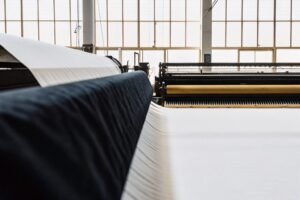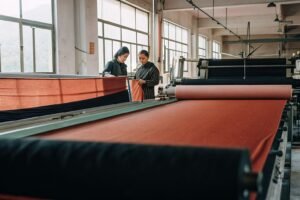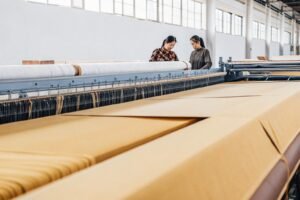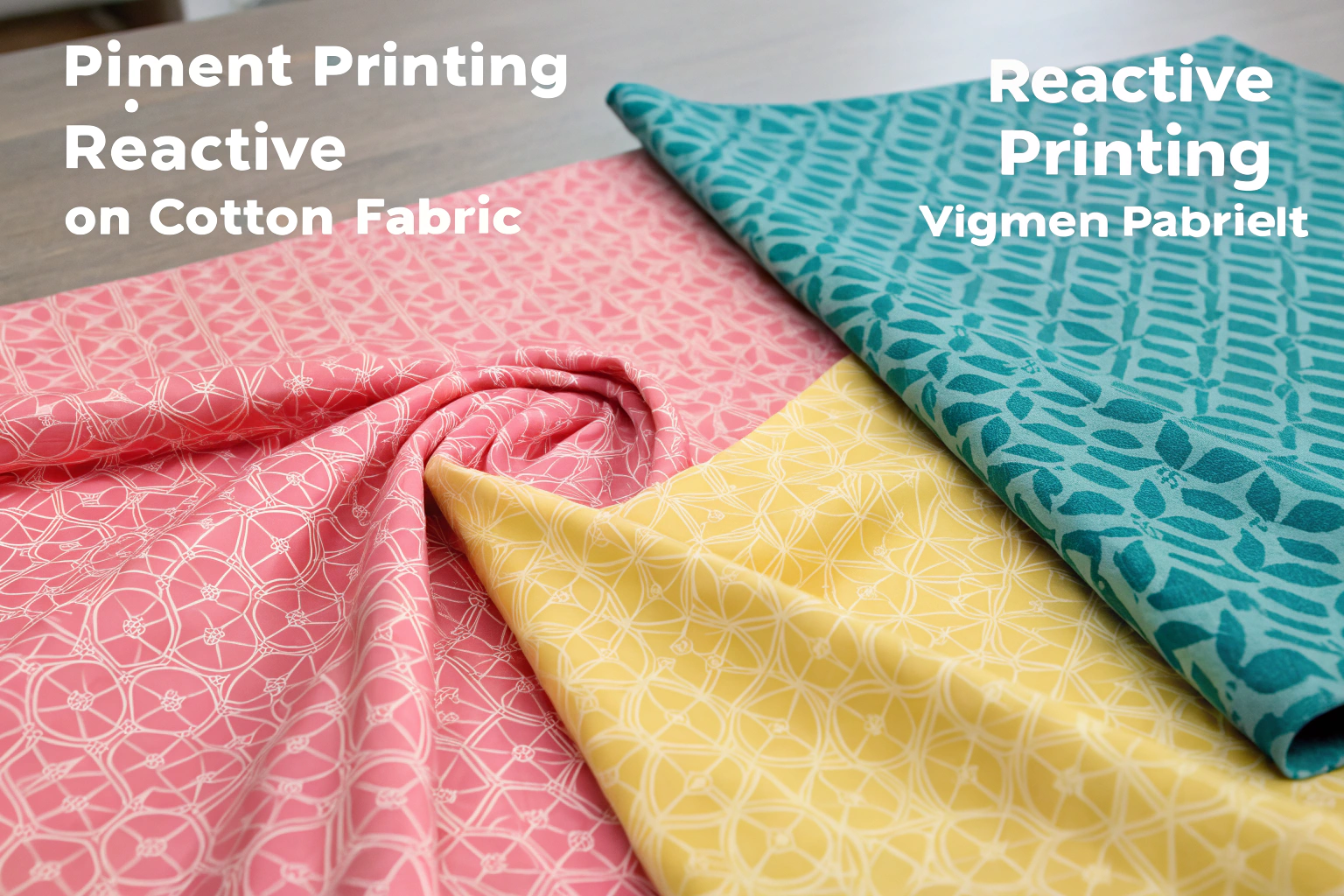
When it comes to fabric printing on cotton, two widely used methods are pigment printing and reactive printing. Both techniques offer unique benefits, making them suitable for different purposes, but they differ significantly in terms of process, quality, durability, and ideal applications. Understanding these differences is key to selecting the right printing method for your needs.
Choosing between pigment printing and reactive printing depends on various factors, including the complexity of the design, production volume, and the desired quality of the print. This article will explore how each printing method works, along with their advantages, disadvantages, and best uses.
What is Pigment Printing on Cotton?
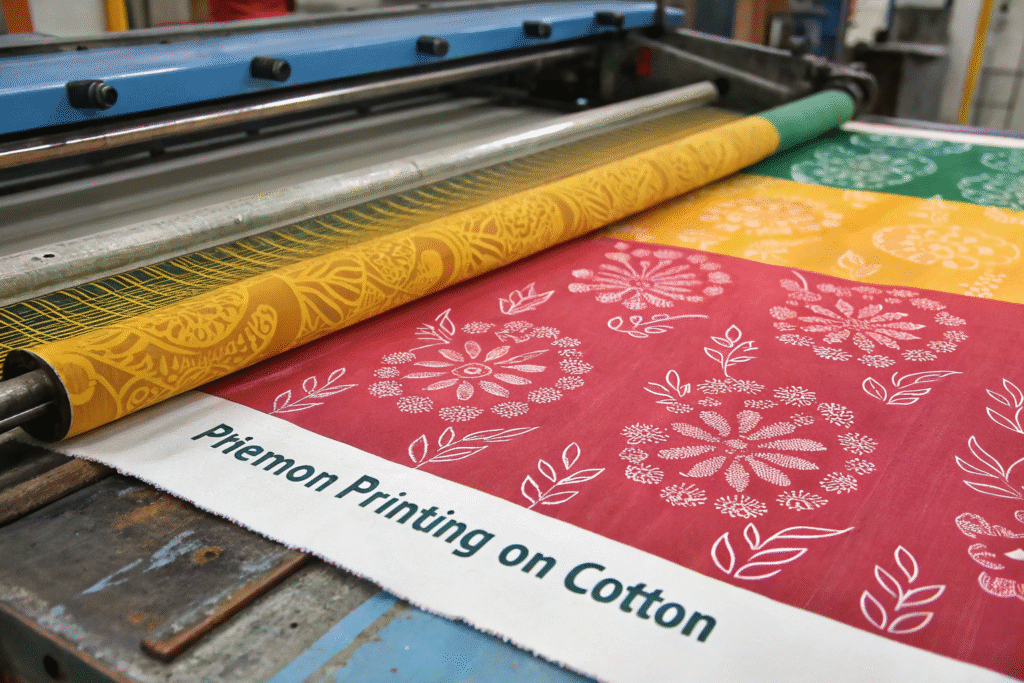
Pigment printing is a widely adopted method where pigments (colorants) are applied to the surface of cotton fabric. Unlike dyes, which chemically bond with the fibers, pigments simply rest on top of the fabric, making the process easier and quicker.
How Does Pigment Printing Work?
In pigment printing, pigment particles are combined with a binder solution, which helps the pigment adhere to the fabric’s surface. The binder ensures that the pigment stays in place, but there’s no chemical reaction between the pigment and the cotton fibers. This makes the printing process simpler and faster compared to other methods.
Advantages of Pigment Printing
- Cost-Effective: Compared to other methods, pigment printing is more affordable, especially for smaller production runs.
- Versatility: It works well on a wide range of fabrics, including cotton, and doesn’t require water or chemical reactions.
- Quick Drying: Since pigments sit on top of the fabric, the drying process is faster, making it ideal for fast-paced production.
Disadvantages of Pigment Printing
- Durability Issues: Pigment prints may fade or crack over time, as the color remains on the surface rather than bonding with the fabric.
- Less Vibrant Colors: Compared to reactive printing, pigment printing tends to produce less intense or vibrant colors, particularly for darker or bolder designs.
What is Reactive Printing on Cotton?
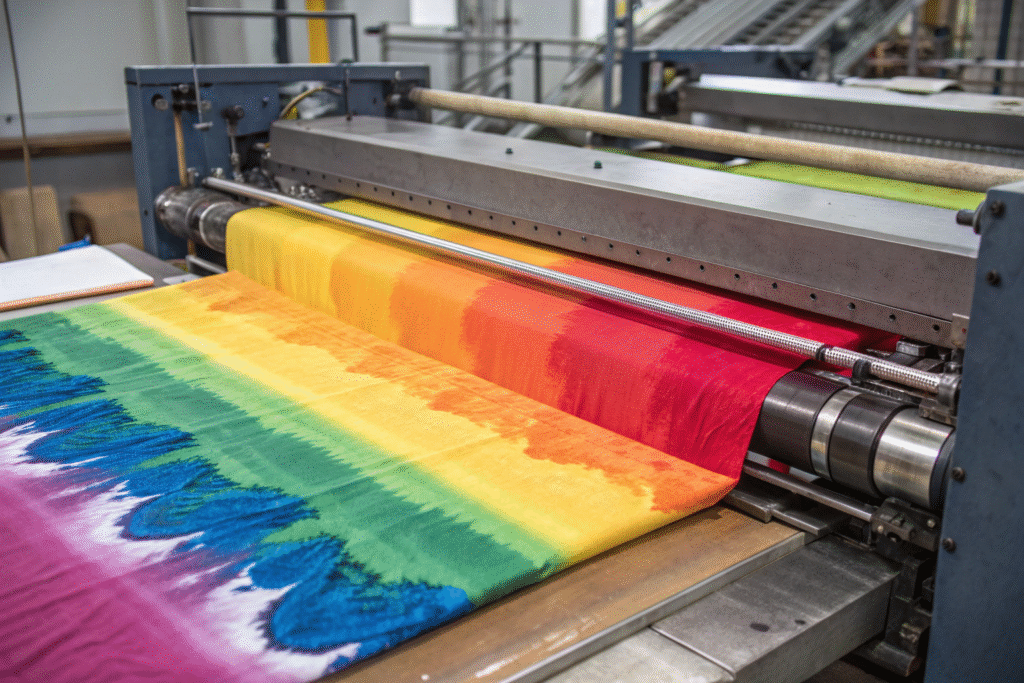
Reactive printing uses dyes that form a chemical bond with the cotton fibers, ensuring that the color becomes an integral part of the fabric itself. This process involves applying a reactive dye that reacts with the cotton fibers, creating a stable and long-lasting color.
How Does Reactive Printing Work?
In reactive printing, the fabric is treated with a reactive dye that forms a covalent bond with the cellulose in the cotton. This bonding process occurs in the presence of heat or an alkaline solution, making the color permanent and resistant to washing and fading. Once the dye has bonded with the fabric, it becomes stable and long-lasting.
Advantages of Reactive Printing
- Long-Lasting Durability: Since the dye chemically bonds with the cotton fibers, the printed colors are more resistant to fading, washing, and abrasion.
- Vibrant and Intense Colors: Reactive printing offers brighter and more intense hues, making it ideal for designs that require bold colors.
- Soft Feel: The dye becomes a part of the fabric, resulting in a soft, flexible feel, unlike pigment printing, which can feel stiff or rigid.
Disadvantages of Reactive Printing
- Higher Cost: The process is more expensive due to the chemical reactions required and additional steps like washing or steaming.
- Complex Process: Reactive printing is a more time-consuming method, requiring several stages to complete, including curing, washing, and sometimes steaming to ensure the dye bonds properly.
Key Differences Between Pigment Printing and Reactive Printing on Cotton
| Feature | Pigment Printing | Reactive Printing |
|---|---|---|
| Dye Type | Pigments (sit on fabric surface) | Reactive dyes (chemically bond with fabric fibers) |
| Color Vibrancy | Less vibrant, more muted tones | Bright, vivid, and intense colors |
| Durability | Less durable, may fade or crack over time | Highly durable, resistant to fading and abrasion |
| Cost | More cost-effective, ideal for small runs | More expensive due to chemical processes |
| Fabric Handling | Simple, no need for chemical reactions | Requires more complex processes (steaming, washing) |
| Feel of Print | May feel slightly stiff or heavy | Soft feel as the dye bonds with the fabric |
| Environmental Impact | Generally lower environmental impact | Requires water and chemicals, higher environmental footprint |
Which Method is Best for Your Cotton Fabric?
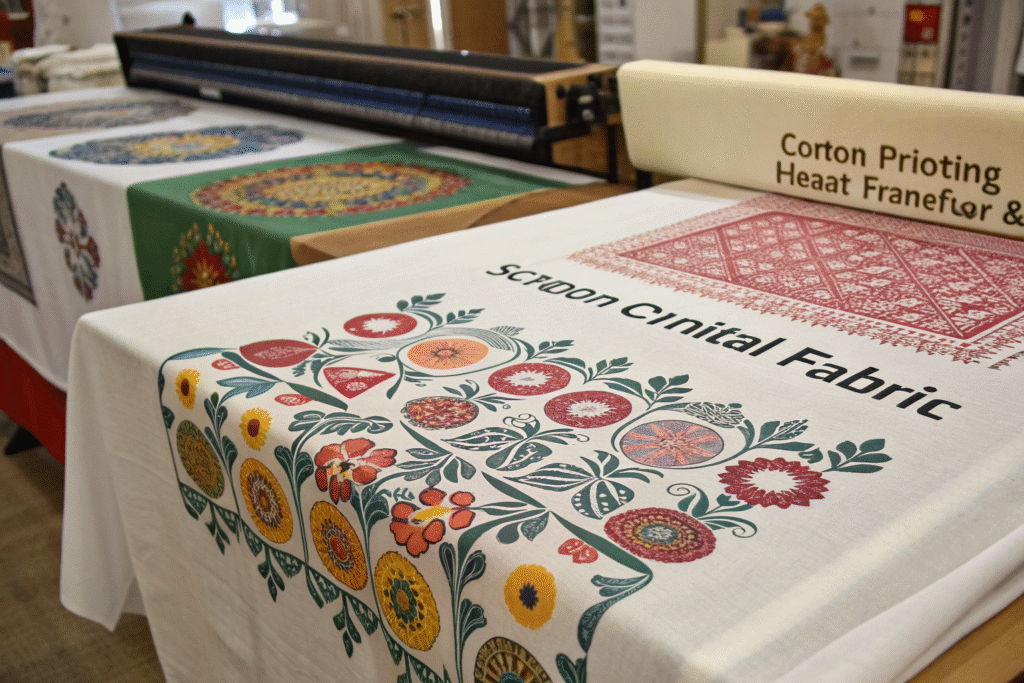
Choosing the best method for your cotton fabric printing depends on your specific needs. Consider factors such as design complexity, production volume, and durability requirements before deciding.
-
Pigment Printing is ideal for quick, cost-effective prints on smaller production runs or simpler designs. It’s suitable for when vibrancy isn’t a priority, and when quick drying and low setup costs are crucial. However, it may not be the best choice for designs requiring high durability or vibrant colors.
-
Reactive Printing is better suited for large-scale productions with complex, multi-color designs or when long-lasting, vibrant colors are essential. This method provides superior durability, especially for items like garments that need to withstand frequent washing. However, it comes with higher costs and a more intricate production process.
Conclusion
Both pigment printing and reactive printing offer distinct advantages depending on the project. Pigment printing is a more affordable and faster option for simple designs, while reactive printing excels in creating vibrant, long-lasting colors suitable for high-quality, durable prints. The choice ultimately depends on your needs, budget, and design specifications.
If you’re looking for the right printing method for your cotton fabric, Shanghai Fumao can assist you in choosing the most suitable option for your project. Contact Elaine at elaine@fumaoclothing.com for more information and support with your fabric printing needs.