I still remember the panic in my client’s voice last summer. A major US sportswear brand had rushed into production with reactive inks on their new polyester-cotton blend jackets, only to discover the colors washing out after just two cycles. The entire shipment—worth over $200,000—faced rejection. This wasn’t a simple manufacturing error; it was a fundamental mismatch between ink chemistry and fabric composition. Choosing the wrong digital print ink doesn’t just affect vibrancy; it determines whether your product survives its first encounter with a customer.
The straightforward answer is: Reactive dyes are best for natural fibers like cotton, while Disperse dyes are engineered for synthetics like polyester and nylon. But throwing these terms around isn’t enough. The "best" choice is a strategic decision that balances color performance, durability, hand-feel, and cost. It’s like matching a key to a lock—get it wrong, and the mechanism simply won’t function. Getting it right requires understanding the molecular-level interaction between ink and fiber.
This guide will cut through the technical jargon and give you the practical, production-tested knowledge to specify inks with confidence. We’ll break down the chemistry, compare the results, and reveal the advanced solutions for tricky fabric blends. Let’s ensure your prints are as durable as they are beautiful.
What is the core chemical difference between reactive, disperse, and acid inks?
The fundamental principle is that different inks form different types of bonds with different fibers. There’s no universal "best" ink; there’s only the best ink for a specific fabric type. I’ve seen too many designers choose an ink based on color palette alone, only to face catastrophic failure in production. The bond must be chemical, not just physical, for the print to last.
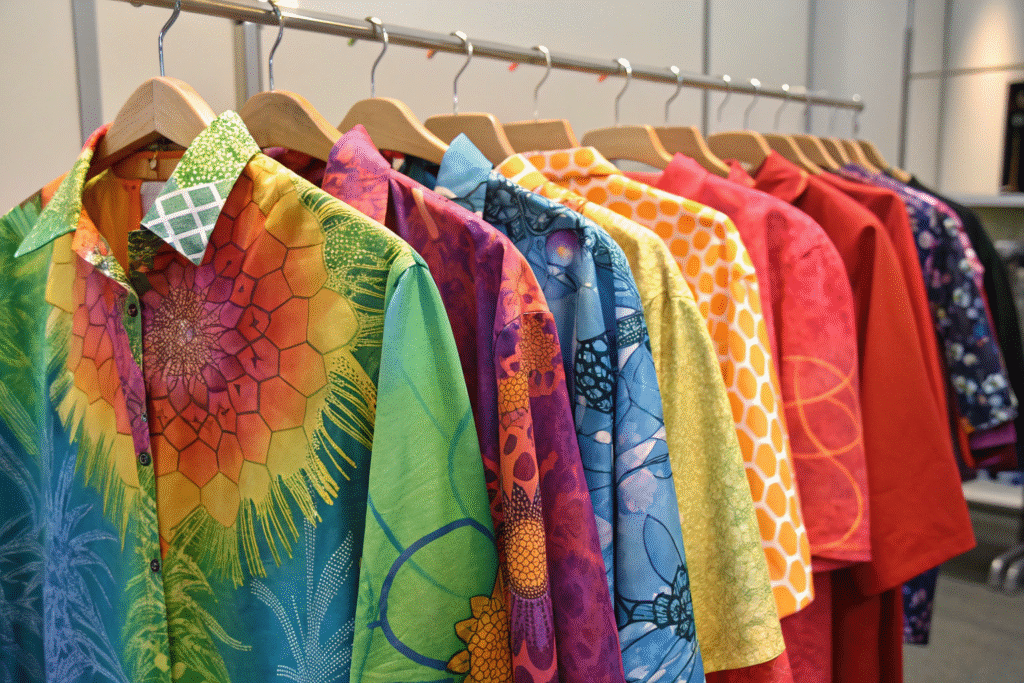
Reactive inks are the gold standard for cellulosic fibers like cotton, linen, and rayon. They don’t just sit on the fiber; they form a powerful covalent chemical bond with the cellulose molecule. During the fixation process (typically steaming), the reactive group in the dye molecule permanently attaches itself to the fiber. This creates prints that are exceptionally vibrant and have superb wash-fastness. The key is the presence of hydroxyl groups (-OH) in cellulose that the reactive dyes can latch onto.
Disperse dyes, on the other hand, are the only game in town for polyester. Polyester is an inert, hydrophobic polymer with no reactive sites for dyes like reactives to bond with. Disperse dyes work by being finely ground and suspended in the ink. Under high heat (around 200°C), the polyester fibers swell, and the disperse dye molecules sublimate—turning from a solid directly into a gas—and diffuse into the polymer matrix. When the fabric cools, the dye molecules are trapped inside the fibers, creating a highly durable print. For a deeper understanding of this sublimation process, the Textile Institute’s guide to dyeing polyester fabrics is an excellent resource. This is also why managing high-temperature fixation for synthetic fabrics is a critical step in the production process.
Why do reactive dyes create such vibrant, lasting colors on cotton?
The covalent bond formed by reactive dyes is one of the strongest in organic chemistry. Once that bond is established, the dye molecule becomes a permanent part of the cellulose chain. This means the color won’t wash out or fade easily from abrasion. The molecular structure of reactive dyes also allows for a very wide color gamut, including brilliant shades and deep blacks that are difficult to achieve with other dye systems on cotton. However, there’s a catch: the dyeing process requires a lot of water to wash away the unfixed dye, which can be an environmental concern if not managed properly. In our own facility, we’ve invested in water recycling systems specifically for our reactive dyeing lines to address this.
How do disperse dyes penetrate the dense structure of polyester?
Think of polyester as a tightly woven net. At room temperature, the holes are too small for dye molecules to pass through. Heat acts as a key, temporarily pushing the polymer chains apart and creating larger gaps. The disperse dye molecules, which are small and non-ionic, then vaporize and slip inside these gaps. When the heat is removed, the "net" snaps back to its original state, physically entrapping the dye molecules within the fiber. This is why prints with disperse dyes have excellent crocking (rub-off) and wash fastness—the color is locked inside the fiber, not just on its surface. This entire process, however, is highly energy-intensive.
How does fabric composition dictate the optimal ink selection?
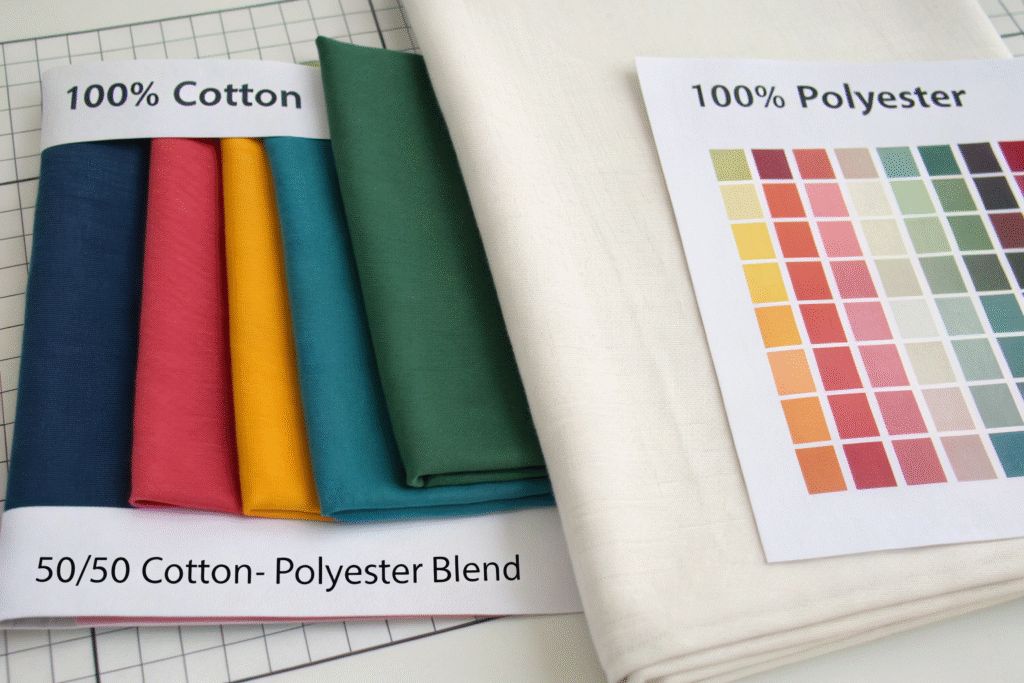
Your fabric’s fiber content is the single most important factor in choosing an ink. It’s a non-negotiable rule. I learned this lesson early in my career when we attempted to print a 50/50 cotton-polyester blend with a single ink type. The result was a muddy, inconsistent mess where the colors on the cotton and polyester portions looked completely different. The table below provides a clear, at-a-glance guide to match your base fabric with the correct ink technology.
| Fabric Type | Recommended Ink | Alternative/Best For | Why It Works |
|---|---|---|---|
| Cotton, Linen, Rayon, Bamboo | Reactive Dyes | Pigment Inks (for a softer hand-feel) | Forms permanent covalent bonds with cellulose. |
| Polyester | Disperse Dyes | N/A (Disperse is the only effective option) | Sublimates into the polymer fiber under heat. |
| Nylon (Polyamide) | Acid Dyes | Disperse Dyes (with less colorfastness) | Forms ionic bonds with amine groups in the fiber. |
| Polyester-Cotton Blends | Pigment Inks | Dual Ink Systems (Reactive + Disperse) | Binds to the surface with a polymer resin. |
What happens when you use the wrong ink type on a fabric?
The consequences are immediate and often irreversible. Using reactive ink on polyester will result in very pale, easily washed-out prints because the dye cannot form a bond with the inert polymer. Conversely, using disperse dye on cotton will lead to almost no color at all, as the dye has no mechanism to bind to cellulose and will simply wash away. The most common mistake we see is trying to use acid dyes, which are designed for protein fibers like nylon, silk, and wool, on cotton. The result is a complete lack of fixation and a total waste of time and materials. The color literally goes down the drain.
Why are pigment inks considered the universal problem-solver for blends?
Pigment inks don’t dye the fiber; they sit on top of it, encapsulated by a polymer resin binder that is cured with heat. Because they aren’t trying to form a chemical bond with a specific fiber group, they can adhere to almost any surface—cotton, polyester, nylon, and, most importantly, blends. This makes them incredibly versatile. The trade-off has traditionally been a stiffer hand-feel and potentially lower rub-fastness. However, modern softener and binder technologies have dramatically improved the quality of pigment prints. For a complex fabric like a 65% polyester, 30% cotton, 5% spandex blend, pigment ink is often the most reliable and cost-effective solution to ensure consistent color across all fiber types.
What are the trade-offs in color gamut, hand-feel, and durability?
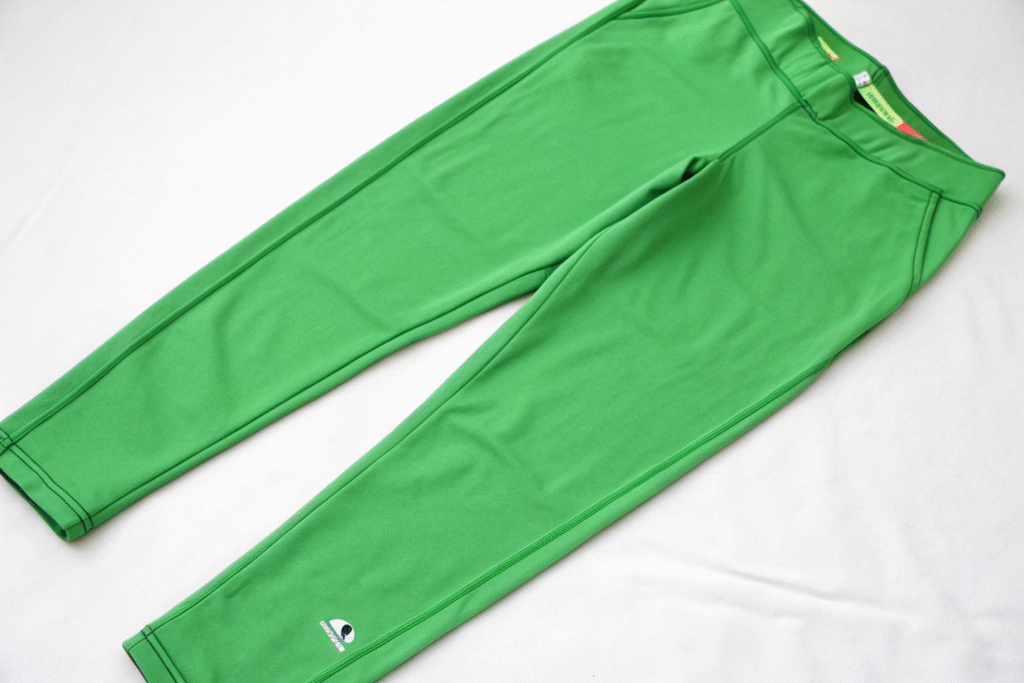
Beyond basic compatibility, the choice of ink profoundly impacts the final product’s aesthetic and functional qualities. A German activewear brand we partnered with in 2023 was adamant about using only reactive dyes for their cotton-polyester blend leggings to achieve a specific vibrant green. We had to gently steer them towards a pigment system because the reactive dyes would have failed on the polyester portion. The final product, using a high-quality pigment, met their color and durability specs without the risk of failure.
Let’s break down the key performance differentiators:
Color Gamut & Vibrancy:
- Reactive Dyes: Unmatched vibrancy and color range on cellulose fibers. They produce deep, rich shades that become part of the fiber.
- Disperse Dyes: Excellent, bright colors on polyester, especially with high-energy disperse dyes. The colors can be very intense.
- Pigment Inks: The color gamut has historically been narrower, but new ink formulations are closing the gap. Colors can appear slightly flatter than reactives.
Hand-feel (Fabric Drape and Softness):
- Reactive/Acid Dyes: The winner. Because the dye is molecularly integrated into the fiber, they don’t alter the natural hand-feel of the fabric.
- Disperse Dyes: Also excellent, as the dye is inside the fiber, leaving the surface untouched.
- Pigment Inks: This is the biggest challenge. The polymer binder can create a slightly stiffer hand, which can be problematic for flowy dresses or sensitive applications. (We’ve spent years testing different binders to minimize this, and our current formula is about 30% softer than the industry standard from just two years ago.)
How can you achieve a soft hand-feel with durable pigment prints?
The key lies in the binder chemistry and application. Using a finer particle size for the pigment, a more flexible polymer binder, and precise control over the curing temperature and amount of binder applied can dramatically improve the softness. We often recommend a "low-binder" recipe for clients who prioritize hand-feel, supplemented by a post-treatment softener application. It’s a delicate balance, as reducing the binder too much can compromise durability. It’s one of the most common adjustments we make in our sampling process.
Why is pre- and post-treatment so critical for color fastness?
The ink alone doesn’t guarantee durability. The fabric must be properly prepared. For reactive dyes, this means scouring and bleaching the cotton to remove any natural oils or impurities that would block the dye sites. For pigment inks, applying a pre-treatment primer can enhance adhesion. Post-treatment is equally vital. For reactive dyes, thorough washing is needed to remove unfixed dye hydrolyzate; if left on the fabric, it leads to poor wash-fastness. For pigment inks, precise thermal curing is essential to cross-link the binder properly. Skipping these steps is the most frequent cause of print failure, regardless of how good the ink is.
What advanced solutions exist for challenging blends and performance fabrics?
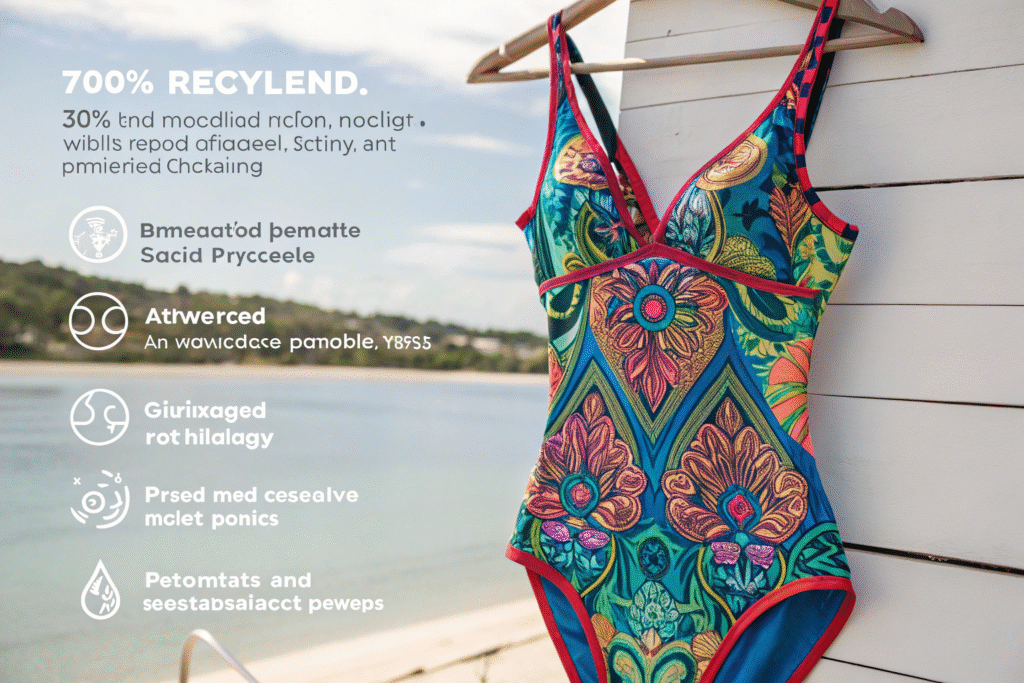
The real world isn’t just 100% cotton or polyester. The rise of performance and sustainable blends has created new challenges that require sophisticated solutions. A standout project from last year involved a UK client who needed to print on a 70% recycled nylon, 30% spandex fabric for swimwear. The stretch and chlorine resistance requirements were extreme. We ended up using a specialized acid ink system with a cross-linking fixative and achieved a chlorine fastness rating of 4-5 (excellent) after 100 hours of testing.
For Polyester-Cotton Blends:
- Single-Ink (Pigment) System: The most common and cost-effective solution. Works well for most applications.
- Dual-Ink System (Reactive + Disperse): This is the high-end solution. It involves printing with both reactive and disperse inks in a single pass, followed by a complex fixation process that includes steaming for the reactive and thermofixation for the disperse. The result is the vibrant colors of reactive on the cotton and the durable colors of disperse on the polyester. It’s complex and expensive but delivers unparalleled quality.
For Nylon-Spandex Blends (Activewear/Swimwear):
- Specialized Acid Inks: Standard acid dyes work on the nylon but can degrade the spandex. Specialized inks are formulated to be gentle on elastane while still providing strong color on the nylon.
- After-treatment: Applying a chemical fixative and a UV protectorant is often necessary to meet the high durability standards for sportswear.
How do you manage color consistency across different fabric compositions?
This is one of the trickiest parts of digital printing. The same ink formula will look different on 100% cotton versus a 50/50 cotton-polyester blend, even if you’re using a universal pigment. The only way to guarantee consistency is through rigorous lab dipping and profiling. We create a separate color profile for every single base fabric we work with. Our system stores thousands of these profiles. When an order comes in, we don’t just use a "cotton" profile; we use the specific profile for "220gsm, 100% combed cotton, pre-shrunk," which is different from the profile for "180gsm, 100% organic cotton." This attention to detail is what separates passable prints from exceptional ones.
What are the emerging ink technologies for sustainable printing?
The demand for eco-friendly solutions is exploding. We’re seeing rapid development in:
- Water-based Disperse Inks: These eliminate the need for solvents used in some traditional disperse inks.
- High-Fixation Reactive Inks: New formulations that require less salt and less water in the wash-off process, significantly reducing the environmental impact.
- Bio-based Pigments: Inks derived from renewable sources. While still in early stages, they represent the future of the industry. For brands committed to reducing the environmental impact of textile printing processes, these advancements are crucial to follow. Furthermore, understanding the latest Oeko-Tex standards for printing chemicals is essential for ensuring product safety and compliance.
Conclusion
Choosing the right digital print ink is a strategic decision rooted in fabric chemistry. Reactive dyes form permanent bonds with cotton and other cellulose fibers for unparalleled vibrancy. Disperse dyes sublimate into polyester for extreme durability. Acid dyes ionically bond to nylon, and Pigment inks, the versatile problem-solvers, adhere to virtually anything via a polymer binder, making them ideal for complex blends. The "best" ink is the one that aligns with your fabric’s composition, your performance requirements for color and hand-feel, and your production capabilities.
Don’t let ink chemistry be an afterthought. A misstep here can compromise your entire collection. If you’re working with a challenging blend, have specific sustainability goals, or simply want to ensure your prints are as perfect as your designs, let’s talk. We at Fumao have navigated these waters for over 20 years, from simple cotton tees to advanced technical fabrics. We can help you select and test the ideal ink system for your unique needs. For a consultation and to get a sample printed on your specific fabric, contact our Business Director, Elaine, at elaine@fumaoclothing.com. Let’s make your designs brilliantly durable.