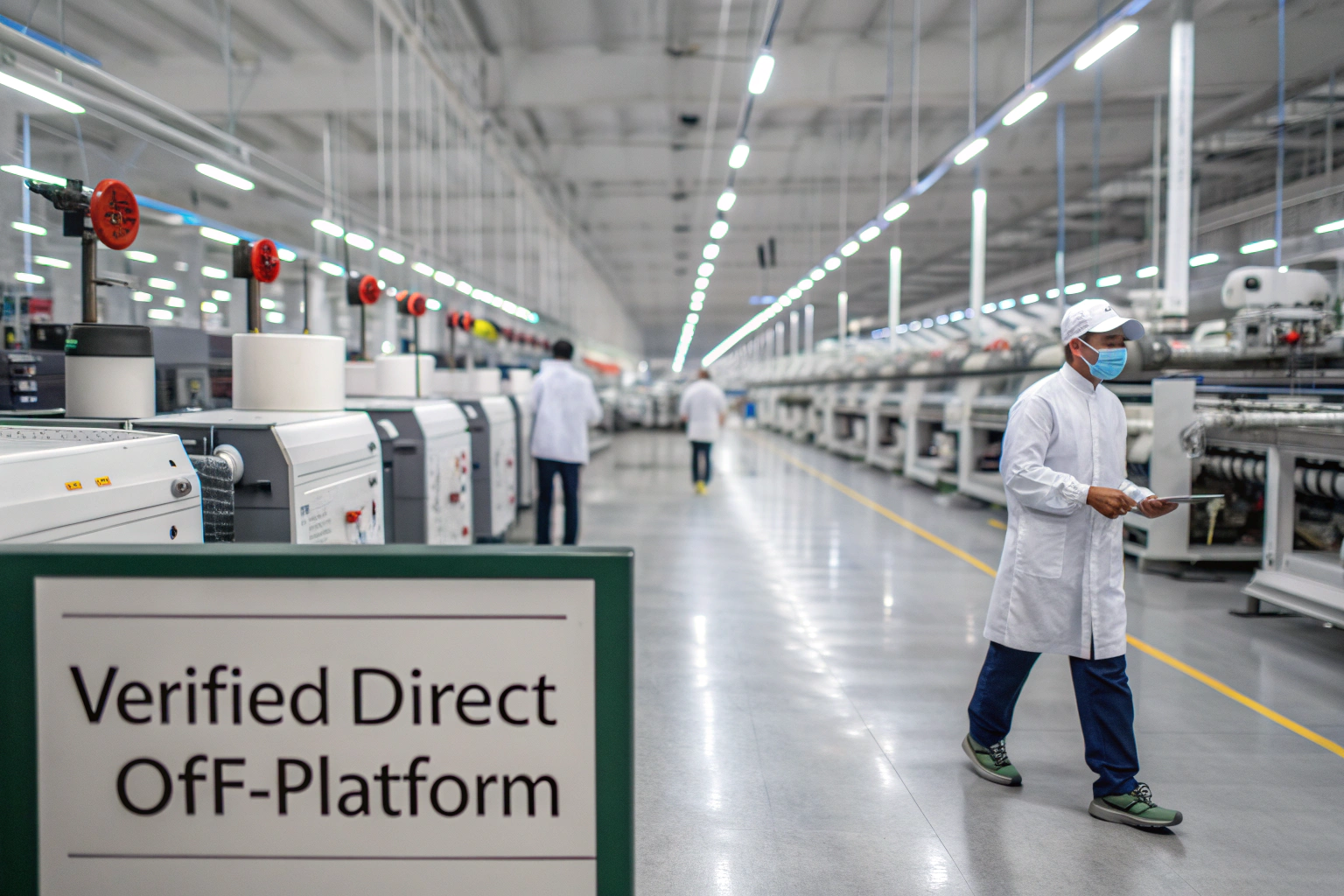
For years, Alibaba was the first stop for buyers looking for Chinese manufacturers. You typed in “cotton jersey fabric” or “woven twill supplier,” and you got hundreds of results. You sent inquiries. You compared prices. You hoped for the best.
But something has changed. I’ve watched it happen over the past five years. The top quality factories—the ones with the best equipment, the strictest quality control, the most reliable delivery—are pulling back from Alibaba. They’re still there, maybe. But they’re not investing in their storefronts. They’re not responding to cold inquiries. They’re not competing on price with hundreds of other suppliers.
Why? I run one of those factories. Well, we’re a comprehensive fabric solution provider with our own weaving, dyeing partners, printing, coating, inspection, and packaging. And I can tell you from experience why the best suppliers are moving away from Alibaba.
At Shanghai Fumao, we still have an Alibaba presence. But it’s not where we put our energy anymore. Our best clients come to us through referrals, trade shows, LinkedIn, and our own website. They come to us because they’re looking for quality, not the lowest price. And they stay because we deliver.
Let me walk you through the real reasons why top quality factories are moving away from Alibaba. I’ll share the economics, the platform dynamics, the buyer behavior changes, and what this means for you as a serious buyer.
What’s Wrong with the Alibaba Business Model for Quality Factories?
Alibaba was built for volume and price competition. A buyer searches for a product. They see dozens or hundreds of suppliers. They sort by price. They send inquiries to the cheapest ones. That’s the platform dynamic.
For a top quality factory, this is a losing game.
Why Can’t Quality Factories Compete on Price?
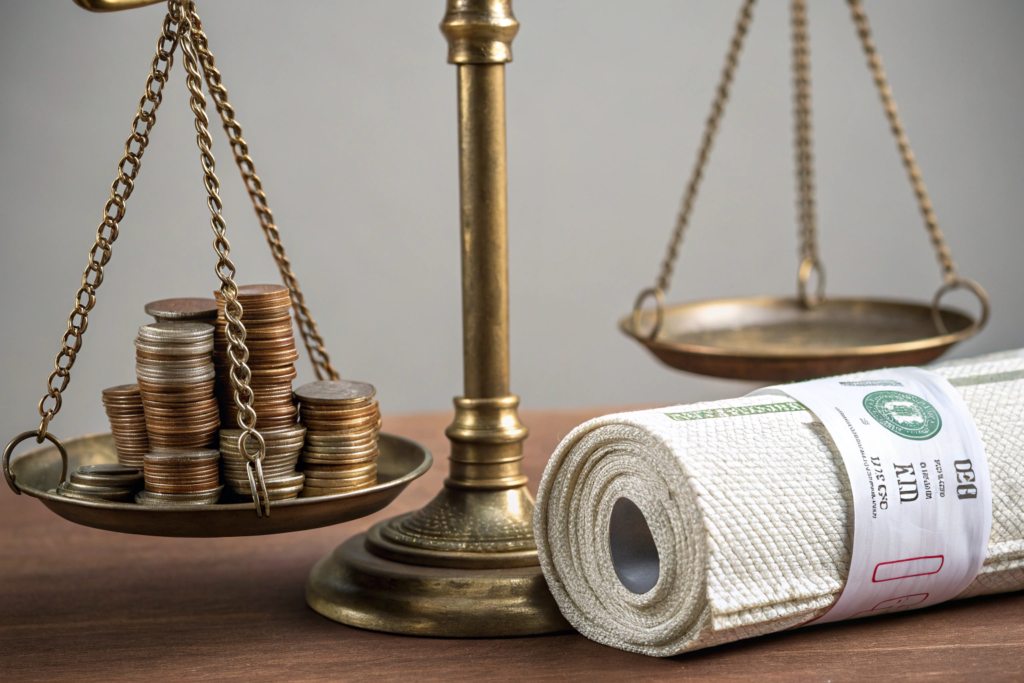
A top quality factory has higher costs. We use better yarn. We maintain our machines more frequently. We run more inspections. We pay for certifications. We invest in our people.
All of these things cost money. And that money shows up in our price.
On Alibaba, a buyer sees our price and a competitor’s price. The competitor might be using cheaper yarn. They might be skipping inspections. They might not have certifications. Their price is lower. The buyer, especially a new buyer who doesn’t know the difference, often chooses the cheaper option.
I’ve lost deals to cheaper suppliers. I’ve also watched clients come back to me six months later, after the cheaper fabric fell apart, after the shipment was late, after the color didn’t match. They told me, “I learned my lesson. Cheap isn’t cheap when you have to redo the order.”
But that lesson costs time and money. And many buyers never come back. They just assume all Chinese suppliers are the same.
How Does the Bidding War Hurt Quality?
Alibaba encourages a bidding war. A buyer posts a request for quote. Suppliers compete to offer the lowest price. The lowest price wins.
But here’s what happens in a bidding war. The winning supplier, if they’re a quality factory, has to cut corners to meet that low price. They use cheaper yarn. They rush production. They skip testing. Or they lose money on the order, which is not sustainable.
A quality factory won’t do that. We have standards. We have costs. We have a reputation to protect. So we don’t win bidding wars. We don’t even enter them anymore.
In 2022, a buyer posted a request for 10,000 yards of organic cotton jersey. The target price was ridiculously low. We calculated our cost. We couldn’t meet the target without losing money. We didn’t bid. A cheaper supplier won. Six months later, the buyer contacted us. The fabric had failed GOTS inspection. The certification was fake. The buyer needed a new supplier fast. We helped them. But they had lost months and money.
What About Alibaba’s Fees and Requirements?
Alibaba charges fees. Gold Supplier membership. Trade Assurance fees. Advertising costs. For a quality factory, these fees are a significant expense. And what do we get in return? Mostly price shoppers.
The platform also pushes suppliers toward certain behaviors. Fast response times. Low prices. High transaction volumes. These are not the priorities of a quality factory. Our priority is making good fabric, not answering 50 cold inquiries per day from buyers who will never place an order.
We still have our Alibaba storefront. But we don’t pay for the top-tier advertising anymore. We don’t assign our best salespeople to manage it. The return on investment just isn’t there.
How Have Buyer Behaviors Changed on Alibaba?
The buyers on Alibaba have changed too. Or maybe the serious buyers have moved elsewhere.

The Rise of the Tire Kicker
Alibaba has made it very easy to send inquiries. Too easy. A buyer can send 50 inquiries in an hour. They can ask for samples from 20 suppliers. They can request quotes for quantities they have no intention of ordering.
For a quality factory, responding to these inquiries takes time. Our salespeople could be talking to serious buyers, building relationships, solving problems. Instead, they’re answering the same basic questions over and over from people who will never place an order.
We track our conversion rates. For every 100 inquiries we get through Alibaba, maybe 5 turn into sample requests. Maybe 1 turns into a real order. The other 99 are tire kickers. That’s not a good use of our time.
A client from the US told me, “I used Alibaba to find you. But I almost didn’t. I sent 30 inquiries. You were the only one who answered my technical questions instead of just sending a price. That’s why I chose you. But finding you was like finding a needle in a haystack.”
That’s the problem. The serious buyers are drowning in a sea of tire kickers. And the serious suppliers are drowning in a sea of low-quality inquiries. Everyone loses.
The Trust Problem
Alibaba has a trust problem. There are too many stories of fake suppliers, fake certifications, fake reviews. A buyer can’t tell the difference between a real factory and a trading company with nice photos.
Alibaba has tried to fix this. Verified supplier badges. Trade Assurance. On-site inspections. But the problem persists. A determined fake supplier can still look real.
For a quality factory, this is frustrating. We’ve invested in real certifications. We’ve built a real factory. We’ve hired real people. But on Alibaba, we look the same as a supplier who bought a Gold Membership last week and posted stock photos.
In 2023, a client from Australia told me, “I was burned twice on Alibaba before I found you. Both suppliers had good reviews. Both had Gold Memberships. Both shipped me garbage fabric. I almost gave up on China altogether.”
That client now only works with suppliers who come through referrals. He doesn’t trust Alibaba anymore. And he’s not alone.
The Race to the Bottom on Price
Alibaba trains buyers to focus on price. The platform is organized around it. Search results can be sorted by price. RFQs are won by the lowest bidder.
For a quality factory, this is a problem. We’re not the lowest price. We’re not trying to be. We’re trying to be the best quality, the most reliable, the most transparent.
But on Alibaba, being the best doesn’t get you to the top of the search results. Being the cheapest does. So quality factories get buried. Buyers have to scroll past dozens of cheap suppliers to find us. Most don’t.
Where Are Top Quality Factories Going Instead?
If top quality factories are leaving Alibaba, where are they going? The short answer is: to places where serious buyers find serious suppliers.

Direct Relationships and Referrals
The best factories get most of their business through referrals. A happy client tells another brand. That brand reaches out directly. No platform. No bidding war. Just a relationship.
At Shanghai Fumao, referrals are our largest source of new clients. A client in New York tells a client in London. A client in London tells a client in Sydney. The network grows. Each new client comes pre-vetted. They already know we’re quality. They already trust us. The conversation starts at a different place.
In 2023, we gained seven new clients through referrals. Not one of them found us on Alibaba. They found us because someone they trusted recommended us.
LinkedIn and Professional Networks
LinkedIn has become a powerful tool for connecting serious buyers with serious suppliers. A buyer can see a supplier’s company page, their employees’ profiles, their industry engagement. It’s more transparent than Alibaba.
We’ve gained several clients through LinkedIn. A buyer searches for “woven fabric supplier China.” They find our page. They see our posts about our factory, our certifications, our team. They reach out. The conversation is professional from the start.
A client from Germany told me, “I found you on LinkedIn. I looked at your page. I looked at your team’s profiles. I saw that you were real. That gave me confidence before I even sent an email.”
Trade Shows (Smaller, Specialized Ones)
The big trade shows—Magic, Première Vision—are still important. But the smaller, specialized shows are where quality factories connect with quality buyers.
We attend shows focused on sustainable fabrics, technical textiles, and luxury materials. The buyers at these shows are not price shoppers. They’re looking for quality. They’re looking for expertise. They’re looking for partners.
In 2024, we met a client from Japan at a sustainable textile fair in Munich. We talked for an hour about fiber blends and certification requirements. He didn’t ask for a price until the end of the conversation. That’s the kind of buyer we want.
Direct Outreach via Own Websites
Quality factories are investing in their own websites. Not just a brochure site. A real website with technical information, certification documentation, factory photos, team profiles.
A buyer who finds our website through Google search is already a different kind of buyer. They’re looking for information. They’re doing research. They’re not just comparing prices.
Our website gets a fraction of the traffic of our Alibaba page. But the conversion rate is 10x higher. The buyers who find us through our website are serious. They place orders.
What Does This Mean for You as a Buyer?
If top quality factories are moving away from Alibaba, you need to change how you find them. The old method—search, sort by price, send inquiries—won’t work as well anymore.
How Should You Find Quality Suppliers Now?
First, use multiple channels. Don’t rely on Alibaba alone. Search LinkedIn. Attend trade shows. Ask for referrals. Use Google to find supplier websites.
Second, look for suppliers who invest in their own brand. A supplier with a professional website, active LinkedIn presence, and participation in industry events is more likely to be a quality supplier.
Third, be willing to pay for quality. The cheapest price is rarely the best value. A quality fabric costs more. A reliable supplier costs more. But the total cost of a bad supplier—delays, returns, lost customers—is much higher.
In 2023, a client from the US told me, “I used to source on Alibaba based on price. I spent more time fixing problems than designing clothes. Now I source based on referrals and relationships. I pay more per yard. But my total cost is lower and my stress is lower.”
What Questions Should You Ask a Potential Supplier?
When you find a potential supplier outside of Alibaba, ask different questions. Don’t just ask for a price. Ask about their production capacity. Their quality control process. Their certifications. Their lead times. Their payment terms.
Ask for a factory visit, virtual or in-person. Ask to speak with the production manager. Ask for test reports. Ask for client references.
A quality supplier will welcome these questions. They have nothing to hide. A low-quality supplier will deflect, delay, or disappear.
How Should You Build the Relationship?
Once you find a quality supplier, invest in the relationship. Don’t treat every order as a one-off transaction. Communicate clearly. Pay on time. Give feedback. Visit the factory when you can.
A quality supplier will prioritize clients who are serious. They’ll give better lead times. They’ll be more flexible on MOQs. They’ll share new developments. They’ll go the extra mile when something goes wrong.
At Shanghai Fumao, we have clients who have been with us for over a decade. They’re not just customers. They’re partners. We know their collections. We know their timelines. We know their challenges. And we work together to solve them.
Conclusion
Alibaba is not dead. It still has a role in the global textile trade. For simple, standardized products in large volumes, Alibaba can work. For buyers who are price-sensitive and have low quality requirements, Alibaba can work.
But for buyers who need quality, reliability, and expertise, Alibaba is no longer the best place to look. The top quality factories are moving away. They’re tired of competing on price. They’re tired of tire kickers. They’re tired of the trust problem.
Instead, they’re building direct relationships. They’re investing in their own brands. They’re showing up on LinkedIn, at trade shows, and through referrals. They’re looking for buyers who value quality over price.
At Shanghai Fumao, we’ve made this shift. We still have an Alibaba storefront. But our best clients find us through other channels. They find us because they’re looking for a partner, not just a supplier.
If you’re a buyer who’s tired of the Alibaba lottery, I want you to reach out to our Business Director, Elaine, at elaine@fumaoclothing.com. Connect with her on LinkedIn. Visit our website. Ask for a virtual factory tour. Ask for test reports. Ask for client references.
We’re not the cheapest. We’re not trying to be. We’re trying to be the best. And the best is not found on Alibaba. The best is found through relationships.
Let’s start a relationship.