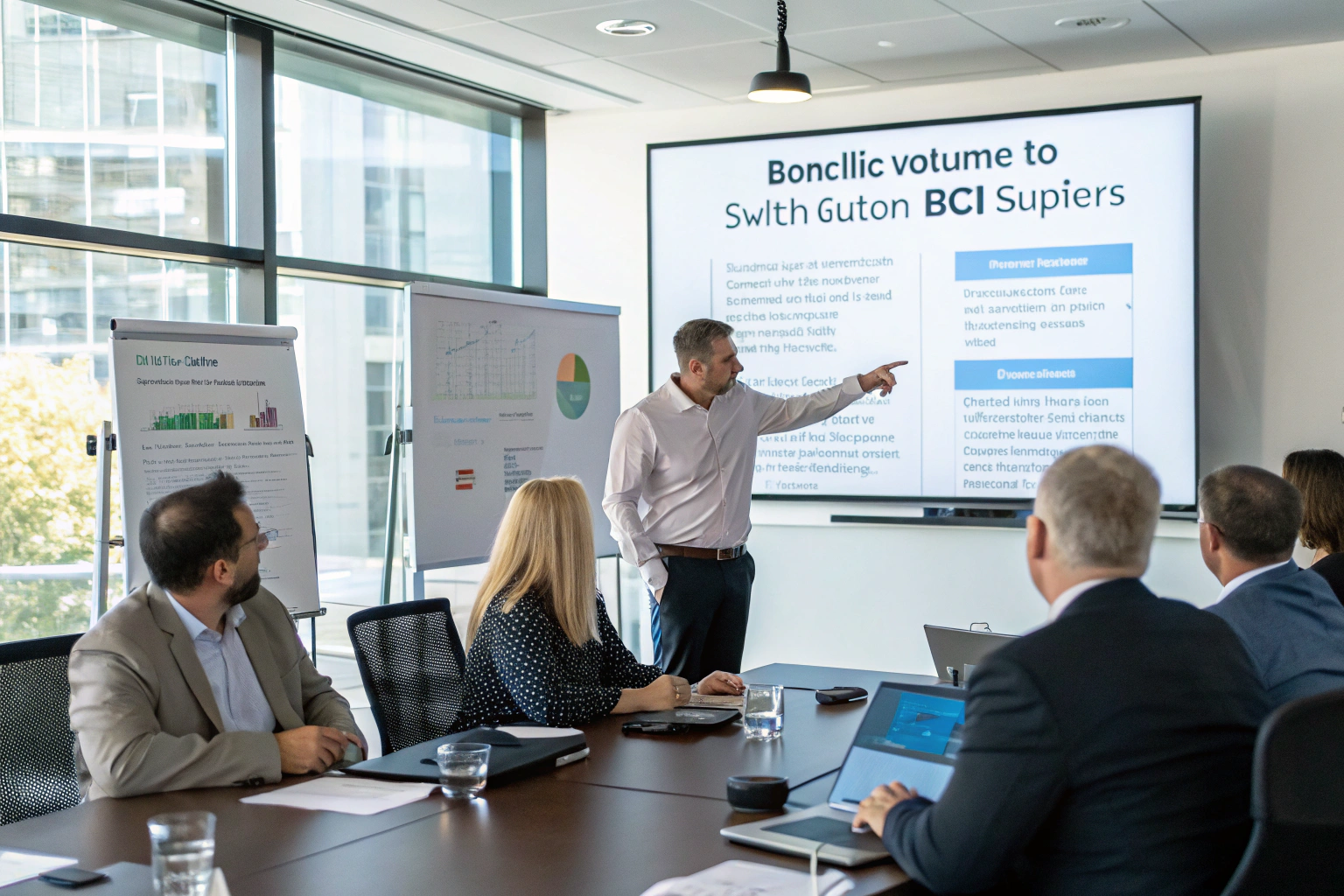
You manage sourcing for a brand that moves 500,000 units a season. Your decisions aren’t about sampling a few hundred meters; they’re about securing container-loads of fabric, locking in production windows across multiple factories, and mitigating risks that could cost millions. In this high-stakes environment, you’ve likely noticed a shift: your peers and competitors are increasingly formalizing partnerships with BCI-licensed suppliers. This isn’t a niche trend for small ethical labels. It’s a strategic pivot by volume buyers who have run the numbers and seen that conventional sourcing carries hidden costs that BCI helps eliminate. So, what’s the real, bottom-line driver behind this shift?
Large volume buyers are switching to BCI suppliers because it transforms sustainability from a cost center into a risk mitigation and supply chain optimization tool. For a buyer procuring 100 tons of cotton monthly, the minor premium for BCI is not an expense—it’s an investment in supply chain predictability, compliance security, and brand equity protection at scale. The calculus is simple: the financial and reputational risk of not having a verifiable, improving cotton source now outweighs the incremental cost of adopting BCI. It’s a move driven by procurement pragmatism, not just marketing.
When you’re dealing with volume, small percentages translate into massive absolute numbers. A 2% increase in fabric yield, a 15% reduction in audit failures, or securing a key retail account because of your credentials—these aren’t marginal gains; they’re business-critical advantages. Let’s dissect the precise, operational reasons why volume buyers are making this strategic switch.
Risk Mitigation at Scale: The Core Business Driver
For a large buyer, risk is the enemy of profit. A single compliance scandal, a major retailer delisting your products, or a disruptive NGO campaign can erase an entire season’s margin. BCI provides a structured, third-party-verified system to mitigate these risks across millions of garments.
1. Regulatory & Compliance Risk: Legislation is no longer looming; it’s here. The EU’s Corporate Sustainability Reporting Directive (CSRD) and laws like the Uyghur Forced Labor Prevention Act (UFLPA) in the US mean buyers must prove due diligence on their supply chains. For cotton, this is a minefield. BCI provides an actionable path. While not a guarantee, sourcing from BCI-licensed suppliers demonstrates proactive engagement with a global standard that includes decent work principles. It generates the audit trails and documentation (Transaction Certificates) that compliance officers demand. The cost of BCI is dwarfed by the cost of a single customs hold or a failed social audit at a fabric mill.
2. Reputational Risk: Volume buyers supply major retailers and DTC platforms whose own reputations are on the line. These retailers are mandating sustainable sourcing programs. Being a BCI buyer makes you a preferred vendor. It directly answers the ESG questionnaires that are now part of every tender process. In 2023, a major European supermarket chain we work with mandated that 70% of its cotton apparel be sourced via BCI or equivalent by 2025. Their large-volume suppliers had no choice but to switch or lose the business. The switch was a defensive necessity to protect existing revenue streams.

How Does BCI Simplify Multi-Tier Supply Chain Management?
A volume buyer’s supply chain is a web: multiple fabric mills, dozens of garment factories, countless trim suppliers. Tracking a material like cotton through this web is a logistical nightmare. BCI’s Mass Balance system, when implemented with a primary BCI-licensed supplier (like a large fabric mill or vertical manufacturer), simplifies this. The licensed supplier purchases the Better Cotton Claim Units (BCCUs) for the total volume they produce. As the buyer, you receive one consolidated Transaction Certificate covering your entire order, regardless of which downstream factory sewed the garments. This centralizes traceability, saving an immense amount of administrative tracking and verification work across dozens of partners.
Does BCI Provide Insurance Against Raw Material Volatility?
Cotton prices and availability fluctuate due to weather, politics, and trade policies. BCI-licensed mills often have more stable and transparent relationships with their ginning and farming partners because they are part of a managed program. This doesn’t immune you to market forces, but it can lead to better forward planning and communication about potential issues. You’re partnering with suppliers who are incentivized to think long-term about their raw material base, not just chase the cheapest spot price.
Operational Efficiency & Cost Control in Disguise
The upfront price per meter is just one line item. Volume buyers analyze Total Delivered Cost, which includes waste, rework, delays, and quality failures. Here, BCI-contributing materials often deliver hidden efficiencies.
1. Enhanced Quality Consistency: As detailed in previous articles, BCI’s focus on fiber quality leads to more uniform raw material. For a buyer producing 200,000 identical t-shirts, fabric consistency is paramount. Uniform yarn means fewer weaving/knitting defects, more consistent dyeing, and fewer surprises during cutting and sewing. This translates directly to:
- Higher Fabric Yield: More usable meters per roll.
- Lower Rejection Rates: Fewer garments flagged as seconds.
- Smoother Production Flow: Fewer line stoppages due to fabric faults.
A case study from Shanghai Fumao illustrates this: A US-based volume buyer of polo shirts switched their primary piqué fabric to a BCI source. Over one year (approx. 1.5 million garments), their recorded fabric defect rate dropped by 1.8%. This seemingly small percentage saved them over $120,000 in wasted material and reduced seconds, effectively covering the entire BCI premium for their annual fabric consumption.
2. Streamlined Approval and Sampling: Large buyers run on tight calendars. Multiple rounds of lab dips and strike-offs for color matching are a major timeline killer. The inherent batch-to-batch consistency of cotton from a managed BCI system means first samples are more representative of bulk. This can cut pre-production sampling time by 1-2 weeks, a critical advantage in fast-fashion or seasonal cycles.

How Does This Impact Logistics and Planning?
Predictability is king in logistics. When you trust that your fabric will arrive on time and within quality spec, you can book shipping, line up factory capacity, and plan warehouse intake with greater confidence. The reduced risk of quality-based production delays prevents costly air freight emergencies and missed shipping windows. For a volume buyer, avoiding one shipment of air-freighted goods can pay for the BCI premium on an entire container.
Strategic Sourcing & Market Access Advantages
Switching to BCI is often a forward-looking move to unlock future growth, not just protect current business.
1. Access to New Markets and Retailers: Many large retailers (e.g., IKEA, H&M, M&S) are not only BCI members but have public goals to source 100% of their cotton more sustainably. To become a supplier for these giants, you often need to demonstrate alignment with their sourcing principles. Having an established relationship with BCI-licensed suppliers and a track record of BCI volume is a powerful credential. It opens doors to billion-dollar accounts.
2. Future-Proofing Against Tighter Regulations: The regulatory trajectory is clear: more disclosure, more due diligence, stricter penalties. By building your volume sourcing around BCI now, you are building the data collection and reporting muscles you will need in 2-3 years. You avoid a painful, costly, and rushed transition later. It’s a proactive investment in operational readiness.
3. Building a Cohesive Brand Portfolio: Large buyers often have multiple brands or private labels across different price points. Using BCI as a baseline for cotton allows for a unified, scalable sustainability story across the entire portfolio. You can then layer on more premium certifications (like GOTS) for specific high-end lines. This portfolio approach is efficient and strategically coherent.

How Do Volume Buyers Negotiate with BCI Suppliers?
Volume confers leverage. Large buyers don’t just accept the standard BCI premium; they negotiate it as part of a larger strategic partnership. They bundle fabric orders, commit to forward forecasts, and in return, seek:
- Transparent Cost Breakdown: Understanding the exact cost of the BCCU and any related system costs.
- Value-Add Services: Such as integrated carbon footprint calculations, support with retailer reporting, or dedicated R&D for new BCI-based fabrics.
- Scalable Pricing Tiers: Agreements where the premium decreases slightly as volume increases over a multi-year period.
This is where partnering with a large, capable supplier like Shanghai Fumao is critical. We are structured to have these strategic conversations, offering not just a product, but a program that scales with your business.
Conclusion
The switch to BCI suppliers by large volume buyers is a definitive sign that sustainable sourcing has matured from a moral choice to a core component of sophisticated supply chain management. The decision is driven by a cold, hard reassessment of cost, risk, and opportunity.
The new math for the volume buyer is:
(Cost of BCI Premium) < (Cost of Compliance Failure + Cost of Reputational Damage + Cost of Inefficient Yield + Cost of Missed Market Opportunities)
When evaluated through this lens, the switch isn’t an added cost—it’s an investment in resilience, efficiency, and growth. It’s procurement strategy catching up with the realities of the 21st-century marketplace.
Are you a volume buyer looking to de-risk your supply chain, streamline operations, and secure your future market access? Shanghai Fumao is built for partnership at scale. With our vertically-connected capabilities and deep expertise in BCI sourcing programs, we can help you execute this strategic shift efficiently and effectively. Contact our Business Director, Elaine, at elaine@fumaoclothing.com to discuss a volume sourcing strategy that adds value far beyond the price per meter.