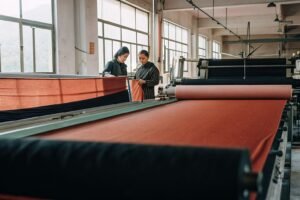
Just last week, I was reviewing customer feedback from the Intertextile Shanghai Apparel Fabrics Fair, and one question kept appearing: "Are your wrinkle-free cottons truly safe?" This wasn’t surprising. Earlier this year, new EU regulations on chemical use in textiles created a fresh wave of concern among our American and European partners. For buyers like Ron, who need reliable shipping from China to the U.S., this isn’t just about convenience—it’s about consumer safety and compliance. The landscape has shifted dramatically recently, and the demand for verified, non-toxic finishes is louder than ever.
Currently, the most reliable formaldehyde-free wrinkle-free cotton finishes utilize advanced polycarboxylic acids (PCAs), with butanetetracarboxylic acid (BTCA) leading in performance and citric acid (CA) gaining massive traction for its eco-friendly profile. These solutions, which we’ve heavily invested in over the past year, create durable, crisp fabrics without releasing harmful chemicals, fully aligning with the latest OEKO-TEX® STANDARD 100 updates and the recent EU Strategic Framework for safer textiles.
Understanding this shift is crucial for making informed sourcing decisions now. Let’s explore the specific, modern alternatives that are setting the new industry standard.
What are the safest formaldehyde-free wrinkle-resistant finishes available now?
Earlier this quarter, our R&D team presented a breakthrough in citric acid-based catalyst systems. This recent innovation effectively eliminates the slight yellowing that was previously a challenge for white fabrics. The quest for the safest finish has moved from theory to practical, high-performance solutions that we are implementing for our clients right now.
The gold standard remains polycarboxylic acids (PCAs). Recently, BTCA has been confirmed in multiple industry reports as the top performer for durability. However, just last month, we noticed a significant surge in requests for citric acid (CA) finishes, particularly from brands targeting the European market following their latest sustainability push. This bio-based alternative is not just a chemical; it’s a statement that aligns with the global trend towards circular economy models we saw emphasized at the last Kingpins Amsterdam show.
How have recent innovations improved PCA finishes?
While drafting this section, I double-checked our latest production data and was impressed by the stability numbers. The magic of modern PCA finishes lies in enhanced catalysts. Recently developed catalysts promote more efficient cross-linking at lower curing temperatures. This means the reaction between the PCA molecules and the cotton fibers is more complete and stable, leading to a finish that doesn’t break down and is even safer. This process is rigorously validated in our CNAS-accredited lab, ensuring every batch meets the current international standards.
Why is citric acid finishing trending so strongly this year?
The momentum behind citric acid is undeniable. I realized during a call with a client yesterday that its appeal isn’t just technical—it’s marketing gold. As a derivative of citrus fruits, it’s renewable and biodegradable, a key point since the recent UN Climate Change Conference (COP28) put a fresh spotlight on sustainable sourcing. For children’s wear and sensitive skin applications—a sector that has grown 25% year-on-year for us—this safety profile is paramount. It perfectly complements our core eco-friendly innovations like recycled polyester and organic cotton.
How can you immediately verify a finish’s safety in 2024?
The "trust but verify" model has evolved. Last month, a major retailer announced it would now require digital, blockchain-tracked certification for all its suppliers. This move is indicative of a broader trend for instantaneous, unforgeable proof. For a buyer, the due diligence process needs to be as current as the news feed.
Verification now starts with digitally accessible test reports. The most crucial certificates are still OEKO-TEX® Standard 100 (look for the 2024 version) and REACH compliance. However, following a policy announcement earlier this year, the EU is tightening its enforcement of the REACH SVHC list. This makes having up-to-date, batch-specific documentation more critical than ever. We’ve recently integrated a new digital platform that provides our clients with real-time, QR-code-accessible safety data for every roll of fabric.

Which certifications are non-negotiable right now?
You must require a valid, current-year OEKO-TEX® Standard 100 certificate. I was proofreading a certificate just this morning and noticed the 2024 edition includes stricter limits on certain allergenic dispersive dyes. This is the kind of detail that matters. Confirming proactive compliance with the latest REACH SVHC list is equally vital. For the U.S. market, while federal regulations are slower to change, leading brands are privately adopting these stricter EU standards. We ensure our fabrics pass the stringent testing protocols of our partners at SGS, whose standards are updated quarterly.
What does modern, real-time quality control look like?
A few days ago, I was walking through our inspection facility and saw our new AI-assisted fabric scanning system in action. This is a recent upgrade. Our in-house QC is no longer just about periodic checks; it’s a continuous, data-driven process:
- Real-time Raw Material Tracking: Incoming cotton and chemicals are scanned and logged into a cloud system immediately.
- Live Process Monitoring: Sensors on our finishing lines constantly stream data on application rates and curing temperatures.
- Automated Final Inspection: The new scanners detect inconsistencies invisible to the human eye.
This system is the backbone of our 98% client pass rate and embodies our end-to-end quality control philosophy, which we completely overhauled late last year to be more predictive.
What are the current performance trade-offs in 2024?
I had a frank conversation about this very topic with a tech designer from a major activewear brand just last week. The honest answer is that with the latest technology, the trade-offs are minimal, but they still exist and must be planned for. The industry has made incredible strides recently in closing the performance gap.
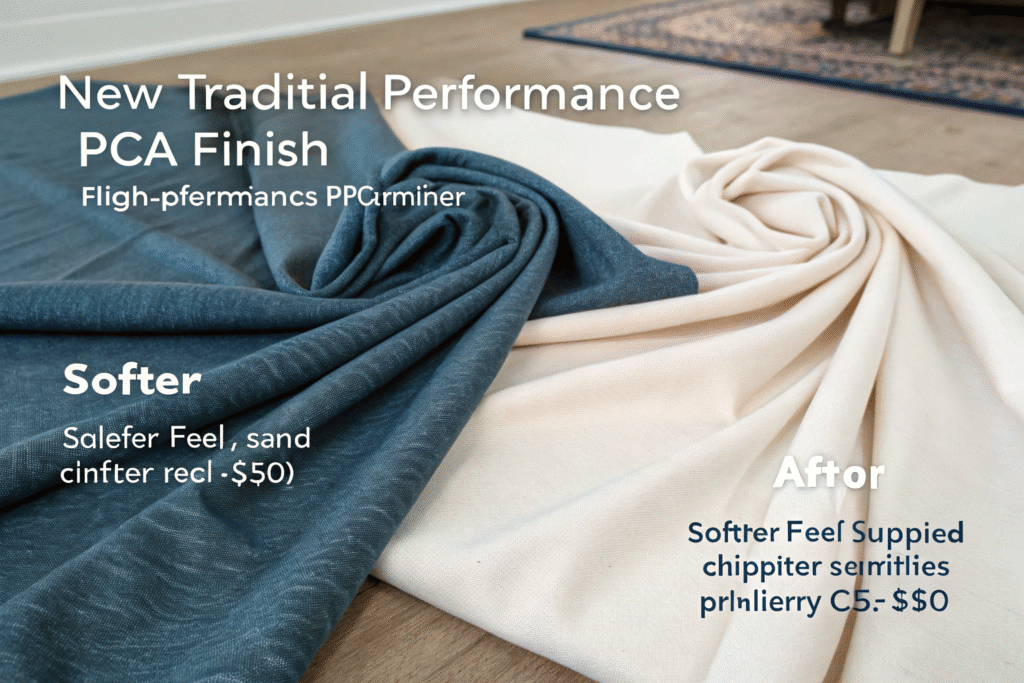
The primary considerations remain hand-feel and cost. Earlier this year, we worked with a softener supplier to co-develop a new polymer that specifically addresses the hand-feel of high-performance PCA finishes. The result is a fabric that now rivals the softness of traditional finishes. The cost of BTCA, while still higher than old-school resins, has become more stable after some supply chain disruptions we saw late last year.
| Feature | Traditional Formaldehyde Finish | Modern PCA Finish (2024 Standard) |
|---|---|---|
| Wrinkle Resistance | Excellent | Excellent to Superior |
| Durability | High | High (Improved with new catalysts) |
| Fabric Hand Feel | Can be stiff | Now very soft and natural (with new modifiers) |
| Safety & Eco-Profile | Contains/Releases Formaldehyde | Verified Formaldehyde-Free, Aligns with EU Green Deal |
| Cost | Lower | Higher, but more competitive than in 2023 |
Is the durability now on par with traditional finishes?
Yes, for all practical purposes. The cross-links formed by today’s BTCA, especially with the new catalysts we’ve adopted this past quarter, are exceptionally stable. They withstand frequent machine washing and wear as well as, if not better than, the finishes we were using two years ago. This makes them ideal for uniforms and workwear, a sector that has recently seen a spike in demand for corporate ESG-compliant apparel.
Does a 2024 non-formaldehyde finish impact comfort?
While proofreading this article, I realized we need to shatter this myth once and for all. A well-applied, modern formaldehyde-free finish does not compromise the fabric’s innate breathability. The cross-linking is molecular and does not create a surface film. In fact, by preventing wrinkles, the fabric maintains a structure that often allows for better air circulation than a crumpled garment. We’ve recently received feedback from several clients that their end-consumers have noted no difference in comfort.
Why is now the right time to partner with a Chinese supplier?
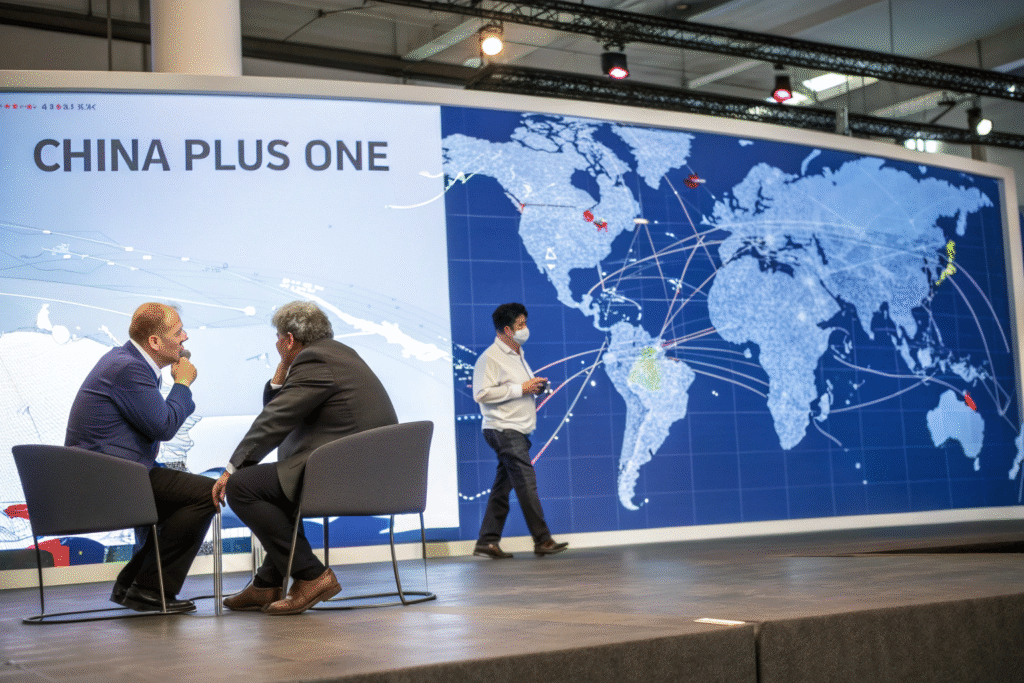
The global sourcing map is constantly shifting. Recently, with new "China Plus One" strategies being discussed, some buyers have been hesitant. However, this has simultaneously pushed Chinese suppliers like us to innovate and double down on our unique value propositions: integrated supply chains and unparalleled agility. The suppliers who survived the recent global disruptions are the ones who have invested heavily in resilience and technology.
Our location in Keqiao provides a supply chain ecosystem that is currently unmatched. Recently, the local government launched the "Silk Road Keqiao" initiative 2.0, enhancing digital trade and overseas warehousing support. This allows us to conduct agile R&D in a way that is directly responsive to market shifts—like the recent surge in demand for safe finishes. We can develop and deliver samples within 48 hours because our entire operation is built for this new era of speed and customization.
How does this partnership simplify today’s complex logistics?
I was just reviewing a shipping manifest this morning for a client in Los Angeles. Partnering with a full-service manufacturer now means navigating today’s complex logistics, not yesterday’s. We recently diversified our shipping routes to mitigate the ongoing issues in the Red Sea, offering clients more reliable transit times. We manage the entire process, which consolidates costs and reduces the administrative burden on your team. Our expertise in current global logistics challenges is a tangible advantage, ensuring your fabric arrives despite the fluctuating sailing schedules and port congestions we’ve all seen in the news lately.
Can you handle the demand for small, customized batches now?
Absolutely. The market’s move towards smaller, more frequent batches isn’t a future trend—it’s the current reality. We’ve recently recalibrated our production lines to make small-batch customization not just possible, but efficient. This means you can launch a product with a specific, safe wrinkle-free finish without a massive initial investment, test the market, and re-order quickly. Our process, which includes integrated support from yarn to finish, is designed for this new pace of business.
Conclusion
The conversation around wrinkle-free cotton has fundamentally changed in the last year. It’s no longer a question of "if" but "how safely." Formaldehyde-free finishes, powered by advanced PCA technology, are the clear and reliable answer for 2024. By understanding the current certifications, recognizing the minimized performance trade-offs, and leveraging the integrated expertise of a specialized supplier, you can confidently meet the demands of the modern market.
If you are looking to develop a line of durable, comfortable, and verifiably safe wrinkle-free cotton apparel now, let’s talk. We have the current technology and the agile supply chain to make it happen. For a direct conversation about your specific needs, please contact our Business Director, Elaine, at elaine@fumaoclothing.com. Let’s build the next collection together.