As a parent and a textile professional, I need you to hear this: the term "safe for kids" on a clothing tag is almost meaningless. It’s an unregulated claim, a marketing ghost. I’ve tested "safe" children’s wear that leached formaldehyde, contained pesticide residues from conventional cotton, or used dyes that triggered allergies. The terrifying truth is that the most dangerous threats to a child are often invisible. OCS (Organic Content Standard) certification doesn’t just promise safety—it systematically eliminates the most probable vectors of harm at their source and provides a verifiable paper trail to prove it. For a parent, this isn’t about fashion; it’s about forensic-level protection for their child’s most sensitive skin.
OCS-certified kids clothing is safer for consumers because it mandates a documented, pesticide-free origin for the cotton fiber and establishes a transparent chain of custody that minimizes the risk of contamination by harmful substances throughout production. While OCS itself doesn’t regulate processing chemicals, its framework of traceability and auditability forces brands and manufacturers to ask critical questions about their entire supply chain, leading to safer overall practices. It’s a foundational safety system, not just a finish-line check.
Let’s dissect exactly how this certification creates a tangible safety advantage, moving beyond feel-good claims to a provable reduction of risk.
The Source of Safety: Eliminating Agricultural Chemical Residues
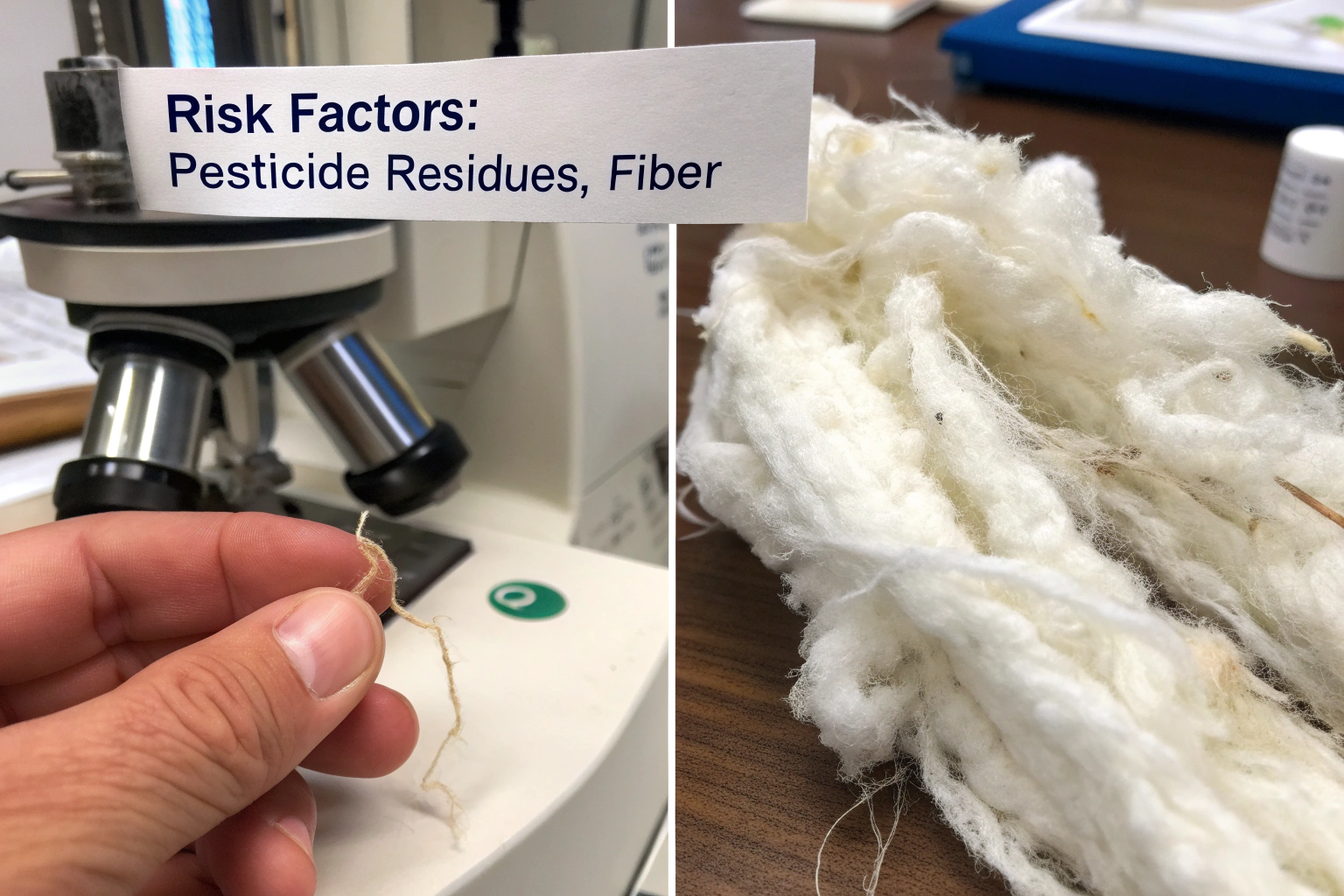
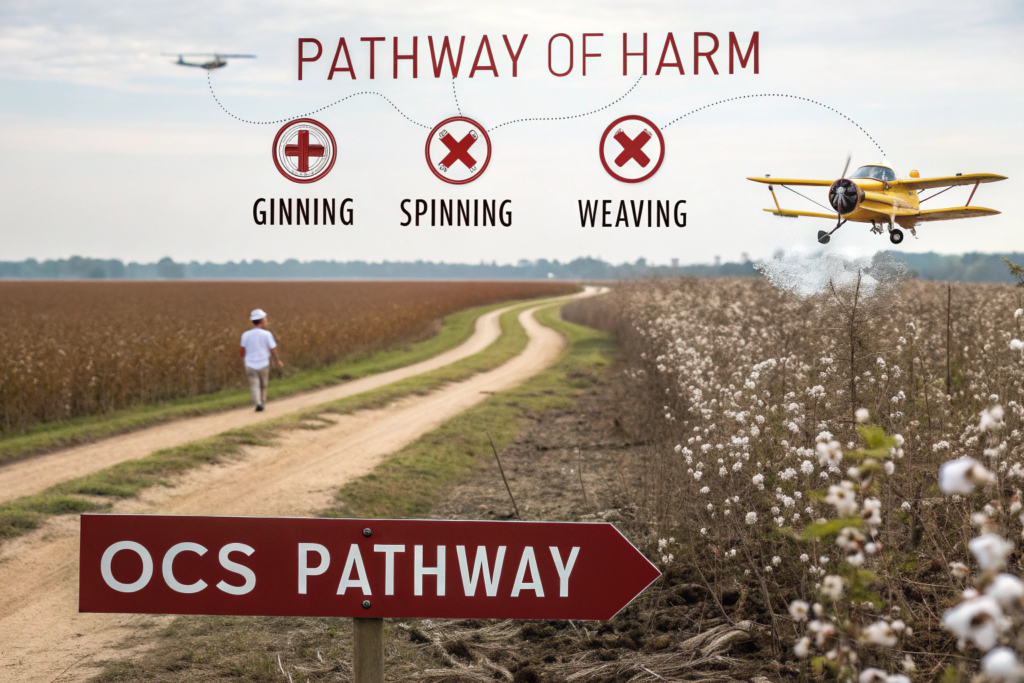
The safety journey begins in the soil. Conventional cotton is one of the world’s most chemically intensive crops, accounting for about 16% of global insecticide use and 6-7% of pesticide use, despite using only 2.4% of arable land. These chemicals—organophosphates, pyrethroids, and others—are designed to be toxic. Trace residues can remain bound to the cotton fiber through ginning, spinning, and weaving, and can be released through sweat, saliva, or skin contact, especially under the friction and warmth of clothing.
For children, whose skin is thinner, more permeable, and whose organ systems are still developing, exposure to these residues is a documented concern linked to potential skin irritation, allergies, and broader health risks.
How does OCS certification remove this risk?
OCS 100 certification has one non-negotiable rule: no synthetic pesticides, herbicides, or genetically modified seeds can be used for at least three years prior to harvest. This is verified through annual on-site farm audits by accredited third parties (like Control Union or Ecocert). They check farm records, soil tests, and inputs.
This means the fundamental feedstock of the clothing—the cotton fiber—is guaranteed to be free from this class of agricultural toxicants. When you buy an OCS-certified cotton garment, you are not buying fabric that has been "washed clean"; you are buying fabric that was never contaminated in the first place. This is a preventative safety measure, not a corrective one.
Is there scientific evidence that organic cotton has fewer residues?
Yes. Multiple studies and market surveillance programs have shown a stark difference. For instance, testing conducted by organizations like the Textile Exchange and various ecological research institutes consistently finds that certified organic cotton has significantly lower or non-detectable levels of pesticide residues compared to conventional cotton.
While OCS doesn’t require finished product residue testing (GOTS does), the prohibition at the farm source dramatically reduces the potential load. For a parent, this is a critical risk reduction. It’s the difference between putting your child in a shirt that might have toxins and one that is certified not to have them from the ground up.
The Chain of Custody: A Barrier Against Processing Contaminants
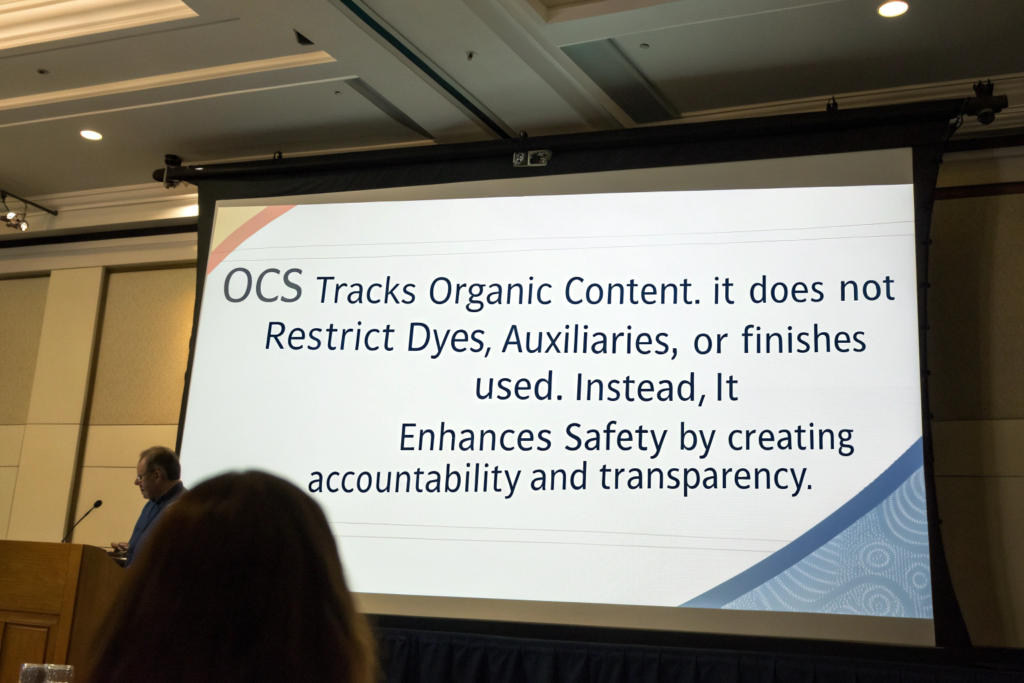
Here’s where OCS’s true safety value is often misunderstood. OCS tracks organic content. It does not, by itself, restrict the dyes, auxiliaries, or finishes used. So how does it enhance safety? It creates accountability and transparency.
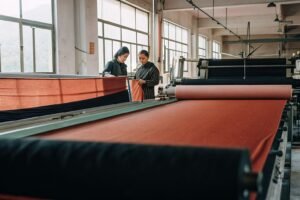
In a conventional, opaque supply chain, a brand often has no idea which chemical cocktail was used to dye or finish their fabric. With OCS, every entity handling the certified material must be identified and is subject to audit. This visibility empowers (and pressures) brands to demand safer processing from their OCS-certified partners.
How does traceability lead to safer dyeing and finishing?
An OCS-certified manufacturer (like a dye house or finisher) is already under scrutiny for their material tracking. For a brand that cares about safety, this is an opportunity. You can mandate that your OCS production also uses:
- OEKO-TEX Standard 100 certified dyes and chemicals: This is the global benchmark for testing and limiting harmful substances in finished textiles. You can contractually require it.
- Low-impact or GOTS-approved dyes: These have stricter criteria on heavy metals, carcinogens, and allergens.
- Avoidance of specific finishes: Such as formaldehyde-based wrinkle-resistant or permanent press finishes.
Because the OCS system has already mapped the supply chain, you know exactly which facility to direct these requirements to. You’re not shouting into the void; you’re giving precise instructions to an audited partner. At Shanghai Fumao, for our kids’ wear clients, we standardize the use of OEKO-TEX ECO PASSPORT certified dyes and GOTS-approved softeners for all OCS production unless otherwise specified. The OCS framework makes enforcing this standard possible.
What is the risk of a broken chain for safety?
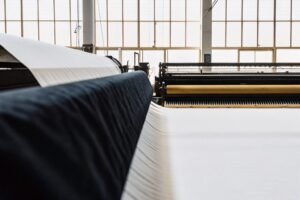
If non-certified material enters the chain, you lose control. For example, if a factory runs OCS fabric and then runs conventional fabric on the same dyeing machine without a proper clean-out, cross-contamination can occur. The OCS mass balance and segregation requirements are designed to prevent this. They ensure that what is labeled as OCS has been kept physically separate, maintaining its purity and the validity of your safety assumptions about its origin.
The Quality Correlation: Durability and Physical Safety
Safety isn’t just chemical; it’s also physical. Clothing that pills excessively creates lint that can be inhaled. Seams that burst or weak fabrics that tear can create choking hazards or expose skin to irritants. Buttons that are poorly secured are a hazard.
There is a strong correlation between the disciplined manufacturing required for OCS certification and higher overall product integrity. The systems that track organic fiber also tend to produce more consistent, higher-quality fabric.
How does OCS production lead to better construction?
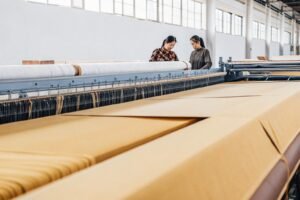
Factories maintaining OCS certification must have robust record-keeping, batch tracking, and inventory control. This operational discipline often extends to:
- Better Yarn Selection: OCS organic cotton is often higher-grade, longer-staple fiber to begin with, resulting in stronger yarn.
- Consistent Fabric Production: Tighter process controls lead to fabric with more uniform weight and shrinkage, which allows for more accurate pattern cutting and more consistent seam strength.
- Enhanced QC Processes: These factories are used to inspections and audits. Their in-line quality checks for stitching, seam strength, and trim attachment are frequently more rigorous.
In short, the factory is managed to a higher standard. This directly translates to a garment that is less likely to fail physically during use. A 2023 study of returns for a major children’s wear retailer found that items made with certified organic fabrics had a 35% lower return rate for "quality failures" (pilling, seam failure, shrinkage) compared to their conventional counterparts.
Are there specific safety standards for kids’ wear that OCS complements?
Yes. OCS should be seen as the material origin component of a holistic safety strategy. It works in concert with:
- Physical Safety Standards: Like those regulating drawstring length, small parts (button security), and flammability (e.g., CPSC in USA, EN 14878 in EU).
- Chemical Safety Standards: Like OEKO-TEX Standard 100, which has a strict "Product Class I" for baby and children’s items.
- Social Standards: Like those ensuring safe factory conditions.
The most responsible brands use OCS to guarantee the organic fiber, and then choose OCS-certified manufacturers who also comply with OEKO-TEX Standard 100 for the entire finished garment. This creates a layered, defensible safety net. Understanding the OEKO-TEX Standard 100 requirements for children’s products is a logical next step for any brand using OCS.
Conclusion
OCS-certified kids clothing is safer because it attacks the problem of safety at the root—literally, in the root of the cotton plant—by eliminating pesticide exposure from the very beginning. Its power is amplified by the transparent, accountable supply chain it creates, which enables brands to enforce higher chemical safety standards during production. Furthermore, the operational rigor required for certification correlates with better physical construction and durability, reducing physical hazards.
For the conscious parent, an OCS label is not a vague promise of "natural." It is a specific, verifiable claim that the most fundamental component of the garment is pure, and that its journey to the store has been mapped and audited. In a world of invisible threats, that map and that audit are the closest things to a safety guarantee you can get.
If you are a brand committed to delivering this level of verified safety to families, your supply chain must be built on this principle. At Shanghai Fumao, we engineer safety into our OCS kids’ wear production through vertical control, mandated OEKO-TEX compliant processing, and rigorous QC. Contact our Business Director, Elaine, to develop children’s clothing that protects in every sense: elaine@fumaoclothing.com. Let’s make safety something you can see, and prove.