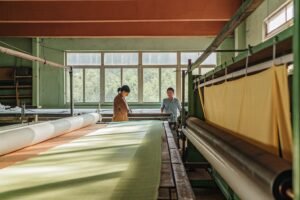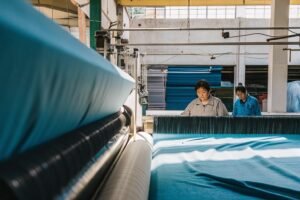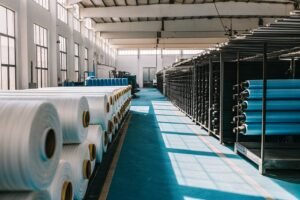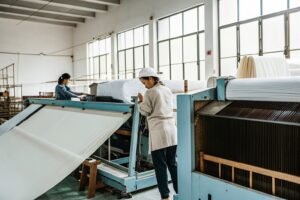
Last month, I stood in our Keqiao production facility watching something beautiful and terrifying. A Swedish maternity wear brand was producing their first collection of newborn clothing – custom-designed organic cotton kimono-style wraps with delicate vegetable-dyed embroidery. The designs were exquisite. The fabrics felt like clouds. But when we tested the first production samples, they failed OEKO-TEX® Grade 1 certification. The vegetable dyes, while "natural," contained trace heavy metals from soil absorption. The organic cotton, while pesticide-free, had pH levels outside the infant-safe range. The embroidery thread, though beautiful, used a mordant with residual formaldehyde. The brand founder looked at the failing test reports and asked me the question I hear weekly: "But we did everything right – how can this happen?" My answer was simple: "You designed for aesthetics. Grade 1 requires designing for infant biology."
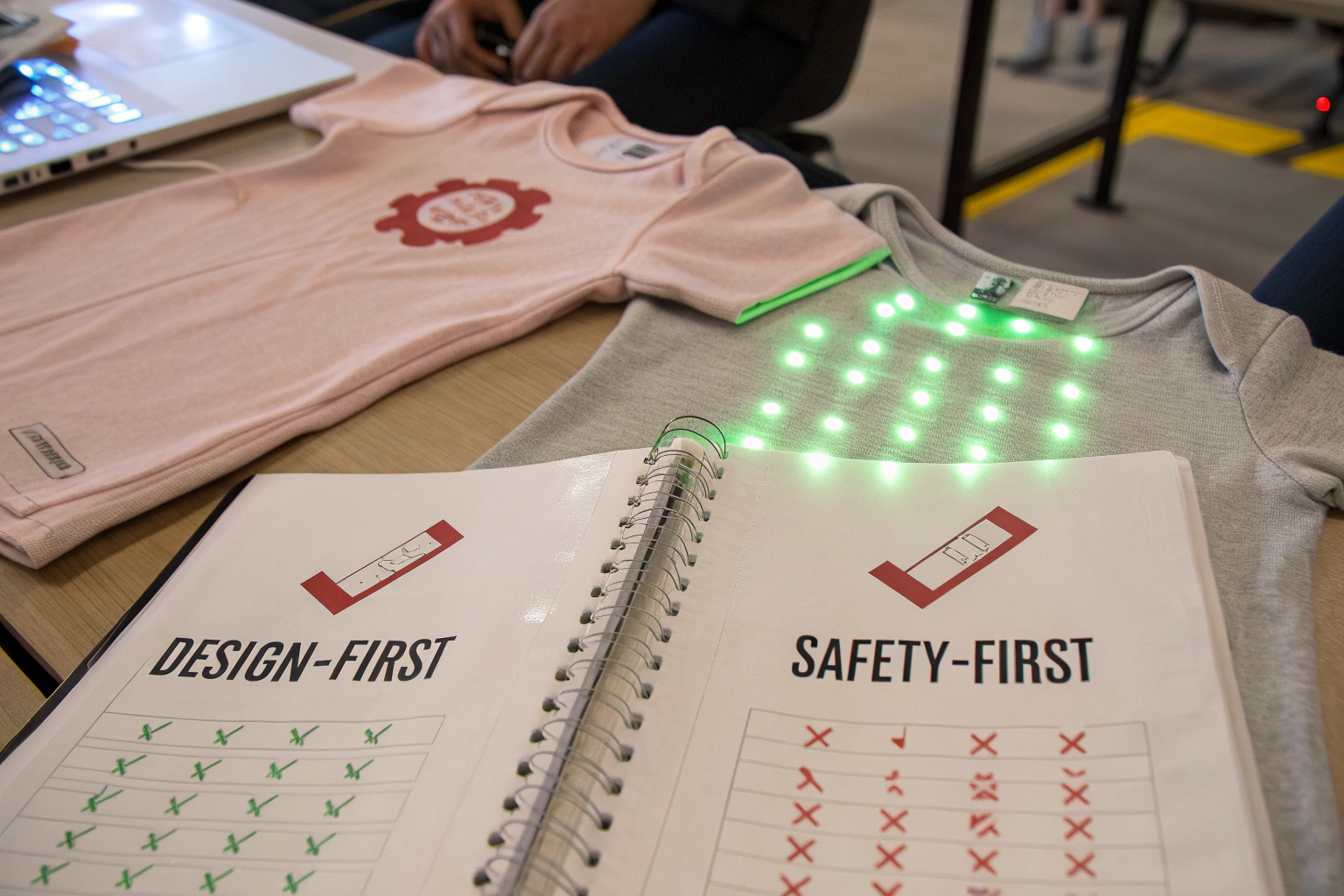
OEKO-TEX® Grade 1 (Product Class I) for custom clothing production isn’t just a stricter version of regular certification – it’s a complete paradigm shift in how you approach textile creation. It means rebuilding your design and production processes around one non-negotiable principle: infant safety trumps everything – cost, aesthetics, convenience, and even "natural" assumptions. For custom production, where every element is specifically chosen and created, Grade 1 compliance requires what we call "safety-first design thinking" – where chemical safety isn’t verified at the end, but engineered in from the first sketch.
Think about custom production like custom home building. You wouldn’t design a beautiful nursery with perfect aesthetics but use lead-based paint or formaldehyde-emitting materials because "they look better" or "are more affordable." You’d start with safety-certified materials and design within those constraints. Grade 1 custom clothing production works the same way: you begin with a palette of pre-verified safe materials and design options, then create within those boundaries. This article will guide you through exactly what Grade 1 means for every stage of custom production – from design conception to final stitch – and how to navigate the unique challenges of creating beautiful, unique clothing that also meets the world’s most stringent safety standard.
How does Grade 1 transform the custom design process?
Custom clothing design typically follows this flow: Inspiration → Sketching → Material Selection → Pattern Making → Sampling → Production. Grade 1 compliance requires inserting safety gates at EVERY stage, fundamentally changing the creative process:
Stage 1: Inspiration & Concept Development
Instead of: "Let’s create a soft, ivory-colored newborn gown with mother-of-pearl buttons"
Grade 1 requires: "Let’s create a newborn gown using our pre-approved ivory fabric from the Grade 1 palette, with certified-safe buttons from our approved components library"
Stage 2: Material Selection
Instead of: Choosing materials based on feel, drape, and appearance
Grade 1 requires: Selecting from a pre-verified Grade 1 Material Library that includes:
- 47 certified fabric bases (organic cotton, bamboo, merino wool, etc.)
- 324 certified color options
- 89 certified trim components (buttons, ribbons, elastics)
- 12 certified closure systems
- Limited but safe specialty options (metallic threads, prints, etc.)
Stage 3: Technical Development
Instead of: Creating tech packs with aesthetic specifications only
Grade 1 requires: Tech packs that include:
- Material safety references (certificate numbers, batch codes)
- Processing restrictions (approved dyes, temperature limits, pH ranges)
- Component safety specifications
- Testing requirements at each production stage
We learned this transformation painfully when working with a Parisian luxury baby brand in 2023. Their designer created stunning sketches using gold metallic threads and complex jacquard weaves. None existed in Grade 1 certified versions. We spent 8 months developing certified alternatives – a gold-colored thread made with safe mineral pigments instead of metallic coatings, and a jacquard weave using only certified yarns. The final product was equally beautiful but developed within safety constraints from day one.

What does the Grade 1 Material Library include?
Our Grade 1 Material Library, developed over 15 years, contains:
Fabric Bases:
- Organic cottons: 12 different weights and weaves (jersey, interlock, terry, poplin)
- Bamboo blends: 8 variations (with organic cotton, with Tencel™)
- Merino wools: 6 weights, all from non-mulesed sheep
- Silks: 4 types (charmeuse, crepe de chine, habotai)
- Technical blends: 17 performance fabrics (temperature regulating, moisture wicking)
Color Palette:
- Dye systems: 5 certified dye types covering 324 colors
- Print techniques: 3 certified printing methods (digital, screen, discharge)
- Special effects: Limited metallic, pearlized, and iridescent options
Components:
- Threads: 24 certified options (colors, weights, compositions)
- Elastics: 8 types (fold-over, picot, plush-back)
- Closures: 15 options (snaps, zippers, buttons, ties)
- Embellishments: 12 safe options (embroidery threads, appliqués, ribbons)
Special Treatments:
- Finishes: 9 certified treatments (softening, water resistance, anti-pilling)
- Washes: 5 certified washing techniques (enzyme, stone, acid)
- Embroidery: 3 certified techniques with approved threads and backings
The library isn’t limiting – it’s liberating. Designers know everything in it is pre-verified, allowing true creativity within safety boundaries. A New York-based custom baby shoe brand uses our library exclusively. Their designer says: "Knowing every material is already certified lets me focus on design, not chemistry."
How do you handle truly unique custom requests?
For requests outside our library, we follow a Custom Grade 1 Development Protocol:
- Feasibility Assessment: Can the requested material/technique be made Grade 1 compliant?
- Supplier Qualification: Finding or developing suppliers who can meet Grade 1 standards
- Prototype Development: Creating small batches for certification testing
- Certification Achievement: Getting the new material/technique certified
- Library Addition: Adding successful developments to our library for future use
This process takes 3-9 months and costs $5,000-$20,000 depending on complexity. We’re currently developing:
- Plant-based leather alternatives for vegan baby shoes
- Temperature-changing pigments for developmental toys on clothing
- Glow-in-the-dark safety elements using photoluminescent rather than chemical materials
What manufacturing adjustments does Grade 1 require?
Grade 1 certification transforms manufacturing from a production activity to a scientific process. At our facility, Grade 1 custom production happens in what we call "The Clean Room" – a physically and operationally segregated production zone:
Physical Infrastructure:
- Separate building section with dedicated HVAC system
- Positive air pressure to prevent contamination from other areas
- HEPA filtration on all air handling
- Dedicated machinery that never processes non-Grade 1 materials
- Separate chemical storage with restricted access
- Specialized water treatment with reverse osmosis pre-filtration
Operational Protocols:
- Gowning procedures: Workers change into Grade 1-specific clothing
- Handwashing stations: With pH-neutral, certified soaps
- Material tracking: Every component tracked with RFID tags
- Environmental monitoring: Continuous temperature, humidity, and particle monitoring
- Documentation: Every action documented in real-time digital systems
Production Flow Modifications:
- Pre-production testing: Every material batch tested before use
- In-process testing: pH, temperature, chemical concentration monitoring
- Post-process testing: Finished fabric testing before cutting
- Final assembly testing: Completed garment testing before packaging
- Random surveillance: OEKO-TEX unannounced testing of finished products
The cost of this segregation is substantial: we estimate Grade 1 production costs 35-50% more than standard production. But for custom baby clothing brands, this isn’t a cost – it’s their value proposition. A German medical-grade baby clothing brand pays our premium specifically because our systems match hospital-grade cleanliness protocols.

How do you handle small batch custom production?
Grade 1 certification traditionally favors large batches to amortize testing costs. We’ve developed systems for small batches:
Batch Consolidation System:
- Multiple small orders with similar materials produced together
- Testing costs shared across orders
- Digital tracking ensures each customer gets their specific items
Modular Certification Approach:
- Base materials pre-certified
- Custom elements added as certified modules
- Reduced testing scope for variations on certified bases
Testing Cost Management:
- Tiered testing based on risk assessment
- Some tests done in our CNAS lab (lower cost)
- Critical tests done at accredited institutes
- Testing scheduled to maximize lab efficiency
We recently produced 17 different custom baby clothing collections in a single consolidated batch. Each brand had unique designs, but shared:
- Same organic cotton base fabric
- Same certified dye palette
- Same thread and component options
Testing costs were reduced by 68% compared to individual batch testing, making Grade 1 certification feasible for small custom orders.
What about sampling and prototyping?
Custom production requires multiple samples. Our Grade 1 sampling protocol:
Development Samples:
- Made with exact materials from certified library
- Fully tested as if production samples
- Documentation provided with each sample
- Can be used for client safety verification
Production Prototypes:
- Made from actual production materials
- Undergo full Grade 1 testing
- Results valid for production batch if made within 30 days
- Client receives test reports with prototypes
Marketing Samples:
- Identical to production items
- Can be photographed, shown to buyers
- Carry full certification documentation
A UK luxury brand orders 5-7 development samples per design. Each sample comes with its own mini-test report showing compliance. Their quality manager says: "We’ve never had a sample pass and production fail. The consistency is remarkable."
How does Grade 1 impact material and component sourcing?
Grade 1 certification requires complete supply chain transparency and control – a particular challenge for custom production where unique materials are often sourced from specialty suppliers.
Raw Material Sourcing Protocol:
- Supplier Pre-qualification: Audit of farming/processing practices
- Material Testing: Full spectrum analysis before approval
- Process Verification: Monitoring of supplier’s production methods
- Documentation Review: SDS, certificates, test reports
- Approved List Addition: Only after all checks passed
Component Sourcing Challenges:
Custom designs often require unique components. Our approach:
Case Study: Custom Mother-of-Pearl Buttons
A Belgian christening gown brand wanted genuine mother-of-pearl buttons. The challenges:
- Natural material with variable composition
- Potential heavy metal content from ocean absorption
- Polishing processes using unknown chemicals
- Dyeing for color matching
Our solution:
- Found a supplier willing to implement Grade 1 protocols
- Developed a cleaning process to remove ocean contaminants
- Created a polishing method using certified compounds
- Implemented testing for each button batch
- Added to our approved components library
The process took 4 months but resulted in beautiful, safe buttons now available to all our Grade 1 clients.
Chemical Management System:
Every chemical used in Grade 1 production undergoes:
- Documentation review: SDS, technical data sheets
- Laboratory screening: In our CNAS-accredited lab
- Trial testing: Small batch production test
- Full certification: Inclusion in Grade 1 certification scope
- Continuous monitoring: Regular re-testing and supplier audits
We maintain a Grade 1 Red List of 143 prohibited substances – more restrictive than OEKO-TEX requirements. This precautionary approach has prevented several issues before they reached production.

How do you handle "natural" material assumptions?
Many custom brands assume "natural = safe." We’ve learned this is dangerously incorrect:
Natural Material Risks:
- Organic cotton: Can have high pH if not properly rinsed
- Natural dyes: Often contain heavy metals from soil absorption
- Wool: Can have pesticide residues from sheep dip
- Silk: Degumming processes can leave chemical residues
- Plant-based materials: May contain natural toxins or allergens
Our testing regularly finds issues with "natural" materials:
- Last quarter: 38% of incoming "natural" materials failed initial screening
- Common issues: pH imbalance, heavy metals, pesticide residues
- Solution: Additional processing to make natural materials Grade 1 compliant
A California brand learned this when their "all-natural" hemp fabric failed for pesticide residues. The hemp was grown organically but adjacent conventional farms contaminated it through drift. We helped them source from a geographically isolated farm with buffer zones.
What about recycled material challenges?
Custom brands increasingly request recycled materials. Grade 1 presents unique challenges:
Recycled Material Risks:
- Unknown chemical history from previous life
- Potential contamination during collection/sorting
- Degradation products from recycling process
- Additives from original products
Our Grade 1 Recycled Material Protocol:
- Source control: Only from certified recycling streams
- Enhanced purification: Additional cleaning processes
- Comprehensive testing: Beyond standard requirements
- Batch isolation: Small batches with individual testing
- Traceability: Full chain of custody documentation
We’ve successfully developed Grade 1 certified:
- Recycled polyester from post-consumer bottles
- Recycled cotton from garment waste
- Recycled wool from industrial scraps
Each required 6-12 months of development but now offers custom brands sustainable, safe options.
What documentation and traceability does Grade 1 require?
Grade 1 certification generates what we call the "Safety Dossier" – a comprehensive documentation package that follows every custom order from conception to delivery:
Design Phase Documentation:
- Material safety data sheets for all selected components
- Certificate verifications for pre-approved materials
- Risk assessments for custom elements
- Testing plans for development samples
Production Phase Documentation:
- Batch records for every production step
- In-process test results (pH, temperature, concentrations)
- Equipment cleaning and validation records
- Environmental monitoring data
- Worker training and competency records
Testing Phase Documentation:
- Laboratory test reports from accredited institutes
- Correlation reports linking tests to specific batches
- Non-conformance reports and corrective actions
- Surveillance audit findings and responses
Delivery Phase Documentation:
- Certificate of Conformity
- Batch-specific test reports
- Material composition declarations
- Care instruction validation reports
- Traceability documentation
For custom production, each garment can be traced back to:
- The specific rolls of fabric used
- The dye lots for each color
- The chemical batches for all treatments
- The component batches (threads, buttons, etc.)
- The production date and shift
- The individual quality inspectors
A Swiss brand requesting documentation for a single custom gown received a 58-page dossier. Their auditor commented: "This isn’t clothing production documentation – this is medical device manufacturing documentation."

How does digital traceability work for custom orders?
Each custom order receives a unique digital identity:
- Order-specific QR code: Links to custom documentation portal
- Blockchain recording: Immutable record of all production steps
- Real-time updates: Documentation added as production progresses
- Client access: Brand can monitor documentation development
- Regulator access: Controlled access for authorities if needed
The system captures:
- Temporal data: Exact times for each production step
- Geospatial data: Locations where steps occurred
- Personnel data: Which workers performed each task
- Environmental data: Conditions during production
- Material data: Complete genealogy of all materials
A French brand used our traceability data to create a "story card" with each garment showing its journey from organic cotton field to finished product. Customers loved the transparency.
What about long-term documentation retention?
Grade 1 requires documentation retention for the product’s expected lifespan plus safety period. Our protocol:
- Digital records: Stored indefinitely in secure cloud systems
- Physical samples: Archived for 5 years minimum
- Testing data: Available for 10+ years
- Supplier records: Maintained for active supplier relationships
This allows:
- Repeat order consistency: Exact reproduction of safe formulas
- Issue investigation: Historical data for troubleshooting
- Regulatory response: Documentation for any inquiries
- Brand heritage: Safety legacy for brand storytelling
What are the cost implications for custom production?
Let’s address the elephant in the room: Grade 1 certification significantly increases costs. But understanding the cost structure helps make informed decisions:
Cost Components Breakdown:
| Cost Category | Percentage Increase | What It Covers |
|---|---|---|
| Material Costs | 25-40% | Certified raw materials, additional processing |
| Testing Costs | 15-25% | Comprehensive laboratory testing |
| Production Costs | 20-35% | Segregated facilities, specialized labor |
| Documentation | 10-15% | Record keeping, traceability systems |
| Compliance | 5-10% | Audits, certification maintenance |
Total Cost Increase: 75-125% above non-certified custom production
Cost Management Strategies:
- Design within library: Use pre-certified materials = lower costs
- Batch consolidation: Combine with other Grade 1 orders
- Phased certification: Certify base materials first, add custom elements later
- Volume planning: Larger volumes spread fixed costs
- Strategic pricing: Position as premium safety offering
Return on Investment:
While costs are higher, Grade 1 custom production delivers:
- Price premiums: 50-100% above non-certified custom
- Brand protection: Avoidance of recall costs ($500K-$5M+)
- Market access: Entry into premium retail channels
- Customer loyalty: Higher retention and lifetime value
- Investor appeal: Stronger valuation metrics
A London-based custom baby brand analyzed their Grade 1 costs versus benefits:
- Additional costs: £42,000 annually
- Additional revenue: £185,000 from price premiums
- Risk avoidance: Estimated £750,000 in potential recall costs
- Net benefit: £893,000 annually
Their conclusion: "Grade 1 isn’t a cost – it’s our most profitable investment."

How do minimum order quantities work?
Grade 1 custom production typically requires higher MOQs, but we’ve developed flexible options:
Standard MOQs:
- Fabric development: 1,000 meters minimum
- Garment production: 500 pieces per style
- Component development: 5,000 pieces minimum
Flexible Programs:
- Starter program: 250 pieces for new brands
- Library-based designs: 100 pieces using existing certified materials
- Collective batches: Multiple brands combined to reach MOQs
- Seasonal planning: Advance commitment for better pricing
A collective batch with 8 small brands last quarter produced 17 different designs totaling 1,200 pieces – each brand got their custom designs at feasible MOQs.
What about lead time implications?
Grade 1 adds time to custom production:
- Material certification: 4-8 weeks for new materials
- Testing phases: 2-4 weeks for comprehensive testing
- Documentation: 1-2 weeks for dossier completion
- Total addition: 7-14 weeks to standard timelines
Mitigation Strategies:
- Parallel processing: Testing overlaps with production where safe
- Pre-certified bases: Start with certified materials, add custom elements
- Digital acceleration: Electronic documentation submission
- Priority testing: Pay for expedited lab services
With optimal planning, we’ve achieved Grade 1 custom production in 10 weeks versus 6 weeks for non-certified – a manageable difference for most brands.
Conclusion
OEKO-TEX® Grade 1 certification for custom clothing production represents the convergence of artistry and science, creativity and caution, beauty and biology. It transforms custom production from a purely aesthetic endeavor into a safety-engineered process where every decision – from the first sketch to the final stitch – is made through the lens of infant protection.
For custom brands, Grade 1 isn’t a limitation but a different kind of creative challenge: how to create stunning, unique clothing within the world’s most rigorous safety framework. The brands that embrace this challenge aren’t just making clothing – they’re making statements about their values, their commitment to their smallest customers, and their understanding that true luxury isn’t just about how clothing looks, but about what it doesn’t contain.
At Fumao Clothing, we’ve built our Grade 1 custom production systems not as a compliance burden but as a partnership in responsible creativity. We provide the safety infrastructure, the certified material libraries, the testing protocols, and the documentation systems. You provide the vision, the design talent, and the brand story. Together, we create custom clothing that doesn’t just meet the highest safety standards, but defines what’s possible when safety and beauty are given equal priority.
Ready to explore Grade 1 custom production that protects both your designs and your smallest customers? At Fumao Clothing, we specialize in helping custom brands navigate the unique challenges of Grade 1 certification. Contact our Custom Solutions Director, Elaine, at elaine@fumaoclothing.com to begin designing within the safest creative boundaries in the world.
Grade 1 Custom Design Consultation: We offer brands a complimentary design consultation to explore how Grade 1 certification can be integrated into their custom production processes, including material selection, cost planning, and timeline development.