Navigating the world of fabric sourcing can feel like deciphering a complex code, especially when your designs call for the timeless elegance and breathable comfort of linen. The promise of quality, cost-effectiveness, and variety draws many to China, but the path is often clouded with questions about authenticity, logistics, and finding a truly reliable partner. The stakes are high—your next collection depends on it.
The key to successfully sourcing linen from China lies in a strategic three-pronged approach: deeply understanding the unique characteristics and grades of linen, meticulously vetting suppliers for both quality and ethical compliance, and mastering the logistical dance of production timelines and international shipping. It’s not just about finding a seller; it’s about building a partnership with experts embedded in the supply chain who can guide you from fiber to finished fabric.
This guide cuts through the noise. We’ll move beyond generic advice and dive into the actionable steps, the hidden pitfalls, and the insider knowledge that separates a successful sourcing journey from a costly misadventure. As a company rooted in Keqiao with over two decades in the textile heartland, we’ve seen what works and what doesn’t. Let’s weave a strategy for your success.
What Are the Key Grades and Weaves of Linen to Consider?
You wouldn’t buy a car without knowing the engine specs. The same goes for linen. Walking into a sourcing conversation without knowing your linen grades is like shopping blindfolded. The terms "premium" or "European linen" get thrown around, but what do they really mean for your drape, your cost, and your final product?
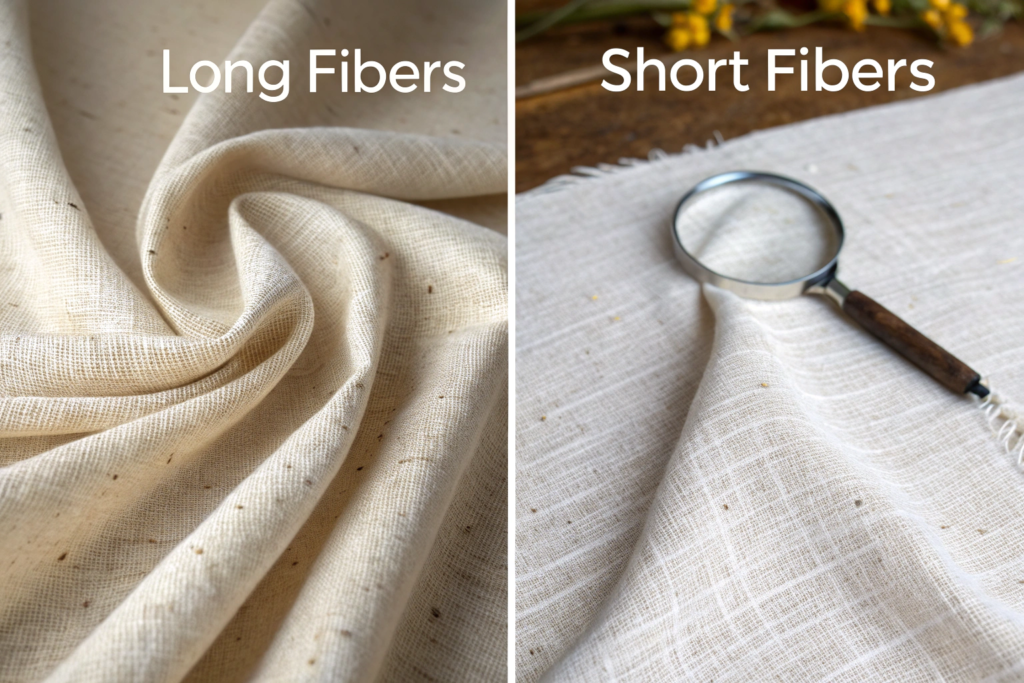
The quality and character of linen are primarily determined by its fiber length and the spinning technique. Longer flax fibers produce finer, stronger, and smoother yarns, resulting in what’s known as wet-spun linen. This is the gold standard, offering superior luster, minimal slubbing (those characteristic nubs), and a silkier hand feel. Conversely, shorter fibers are dry-spun, creating a more rustic, textured fabric with pronounced slubs—a look many designers actively seek for a relaxed, artisanal vibe. Knowing this difference is your first step in specifying exactly what you want and avoiding costly mismatches.
How Does Fiber Length Impact Linen Quality and Price?
Think of flax fibers like strands of hair. Longer, combed hair is smoother and stronger. In linen, fiber length is everything. Long-line flax fibers, often sourced from specific regions in Europe, are meticulously combed and wet-spun. This process aligns the fibers perfectly, creating a yarn that is dense, strong, and has a beautiful natural sheen. Fabrics made from this yarn resist pilling, have higher tensile strength, and dye more evenly. The cost is higher due to the raw material premium and the more intensive processing.
On the other hand, shorter fibers result in a yarn with more loose ends, creating the beloved slubbed texture. However, not all slub is equal. Uncontrolled slubbing can lead to weak points in the fabric. That’s why at Shanghai Fumao, our QC team uses specific tests to measure linen fabric weight and strength consistency across the roll. We once worked with a Danish home textiles brand in early 2023 that was struggling with inconsistent napkin durability. By switching their source to a controlled, medium-slub linen weave we recommended, they reduced their customer return rate by over 40% due to tearing. The right grade for the right application is non-negotiable.
For a deeper dive into fiber science, resources like Textile World often publish studies on natural fiber performance, which can help you build a stronger technical brief for your suppliers.
Which Linen Weave is Best for My Apparel or Home Collection?
The weave is your design blueprint. It dictates the fabric’s hand, drape, weight, and end-use. Here’s a quick guide:
| Weave Type | Characteristics | Best For |
|---|---|---|
| Plain Weave | Balanced, crisp, durable. The most common. | Shirts, dresses, lightweight suiting, table linens. |
| Twill Weave | Diagonal rib pattern, softer, more pliable, heavier. | Jackets, pants, upholstery, heavier drapes. |
| Loosely Woven/Linen | Breathable, gauzy, relaxed texture. | Summer blouses, scarves, lightweight curtains. |
| Evenweave | Uniform warp and weft, smooth surface. | Embroidery base, high-end apparel requiring precise printing. |
Don’t be afraid to ask for swatches. A reputable supplier like us will have a library. For instance, a US-based sustainable fashion startup approached us last August for a capsule collection. They wanted a "structured yet fluid" dress fabric. We sent them 5 options ranging from a mid-weight plain weave to a lighter twill. They chose the twill, and the resulting garments had the perfect drape they envisioned. (Here I have to add, our 48-hour sample service really makes this trial-and-error process painless). Understanding how to choose the right linen blend for durability and drape is a conversation we have daily with our clients. For practical designer perspectives, forums like The Fashion Business Coach community often have threads debating weave choices for specific projects.
How to Verify a Chinese Linen Supplier’s Quality and Ethics?
Finding a supplier is easy. Finding a trustworthy partner who delivers on promises is the real challenge. Beyond the glossy Alibaba storefront, you need proof of capability and conscience. Your brand’s reputation is on the line with every meter of fabric you ship.
Verification starts with transparency. A credible supplier won’t hesitate to share details about their mill partnerships, finishing processes, and compliance certifications. For linen, specifically, you need to ask about origin tracing. Where does the flax come from? Is it European, or Chinese? Each has different characteristics. You also need evidence of ethical manufacturing. The industry has been shifting, and brands are now held accountable for their entire supply chain.
What Certifications Should I Demand for Sustainable Linen?
Certifications are your independent audit. They are not just marketing badges. For linen, focus on these key ones:
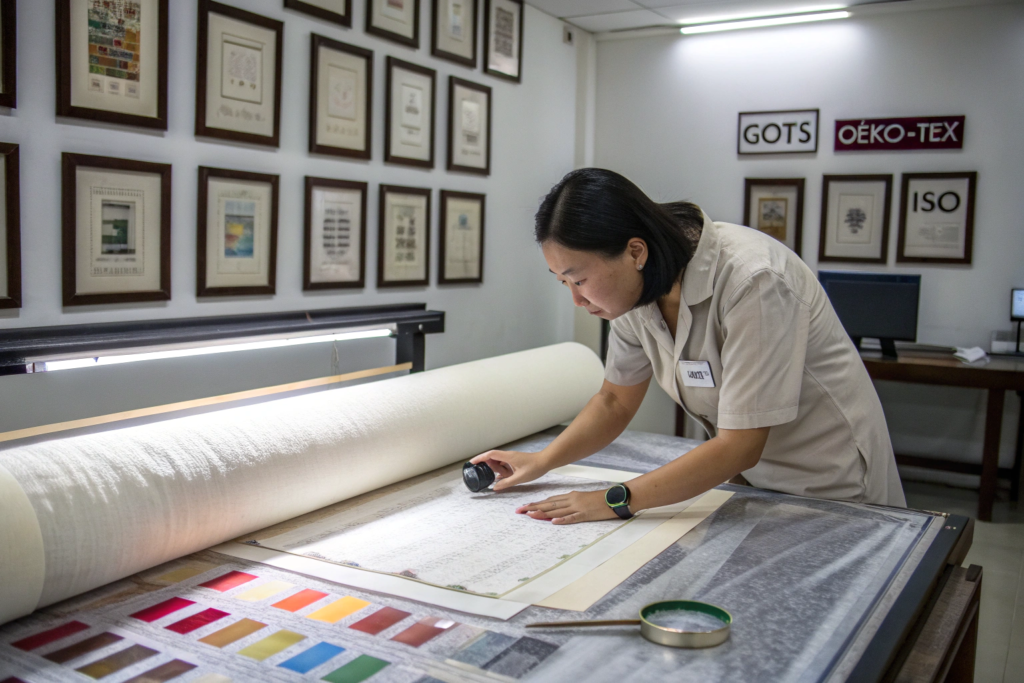
- OEKO-TEX Standard 100: This is non-negotiable. It tests for harmful substances in the final fabric. It assures you the dyeing and finishing processes are safe. Always ask for the valid certificate number.
- Global Organic Textile Standard (GOTS): This is the gold standard for organic fibers. It covers the entire process from harvesting to labeling, ensuring environmental and social responsibility. If you market "organic linen," this is a must.
- ISO 9001 (Quality Management): Shows the supplier has a structured system to maintain consistent quality.
We invested in our own CNAS-accredited lab precisely to give clients this peace of mind. Every batch of linen that leaves our Shanghai Fumao warehouse is tested. I remember a client from Germany in late 2022 who had a previous shipment fail heavy metal tests at EU customs, causing a massive delay and fine. When they switched to us, we provided full OEKO-TEX and SGS verification for imported fabric compliance documentation upfront. Their clearance process now runs smoothly every time. For a broader understanding of these standards, industry platforms like Ecotextile News provide excellent updates on global certification changes and their implications.
Can I Trust Supplier Audits and Factory Visit Reports?
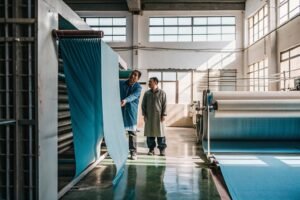
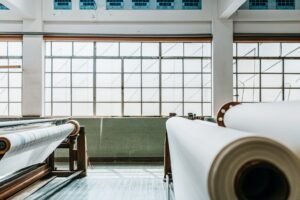
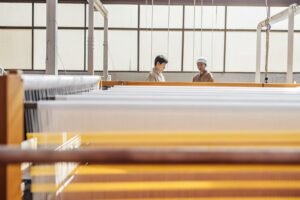
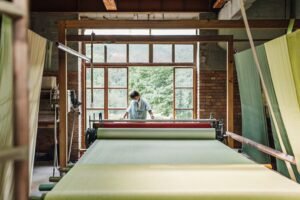
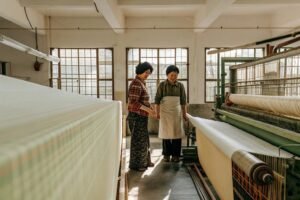
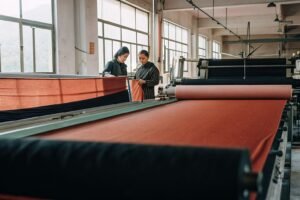
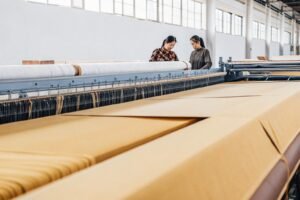
Photos can be staged. The best due diligence involves seeing the operation yourself or working with a partner you trust implicitly. If a physical visit to China isn’t feasible, a live video audit is a powerful alternative. Demand to see the weaving halls, the dyeing vats, and the finishing areas. Look for organization, modern equipment, and worker conditions.
Ask for specific, unpolished evidence. Request a recent third-party audit report (like from SGS or Bureau Veritas) not just a summary. Check the date and scope. A factory visit report should include details like machinery age, worker headcount per shift, and environmental management practices. A true partner will be transparent. We regularly host virtual factory tours for our key clients because we have nothing to hide. Our Fumao Fabric team on the ground acts as your extended eyes and ears, conducting pre-shipment inspections that cover everything from weave consistency to packaging. Learning how to conduct a virtual supplier audit for textile sourcing has become an essential skill for modern buyers, and resources exist to guide you, such as detailed checklists shared on sourcing advisor blogs.
What Are the Real Timelines and Logistics for Linen from China?
This is where many sourcing plans unravel. The calendar is your most important tool. Chinese manufacturing runs on a rhythmic cycle of peak seasons, holiday shutdowns, and slower periods. Ignoring this rhythm is the fastest way to miss your delivery date.
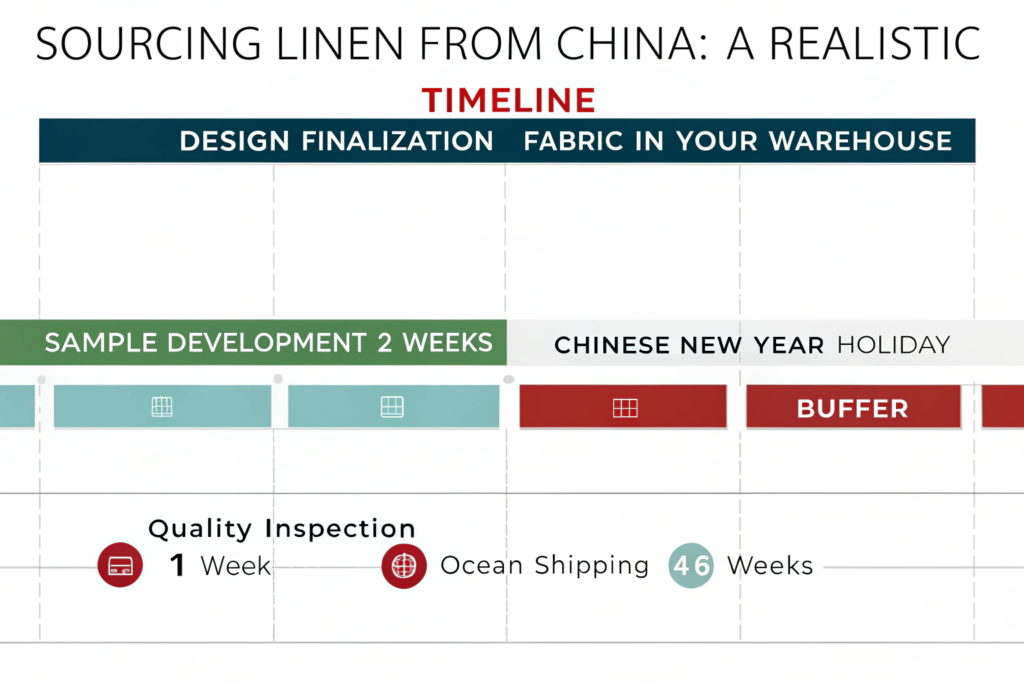
You must plan backward from your in-store or launch date. Factor in production time (spinning, weaving, dyeing, finishing), shipping time (sea freight is most common for linen rolls), and a buffer for the unexpected. The golden rule: for peak periods (Mar-May, Aug-Oct), add 1-2 weeks. For Chinese New Year (3-4 week shutdown), plan to have all pre-production finalized 6-8 weeks before the holiday.
How Do Chinese Holidays Impact Production Schedules?
Chinese New Year (CNY) is the biggest disruptor. Factories shut down for 3-4 weeks as workers travel home. The weeks before CNY are chaotic as everyone rushes to finish orders. The weeks after see a slow ramp-up. A European fashion brand we work with now plans religiously around this. They finalize designs and place orders by early December for a June delivery. This gives us time to produce and ship before the CNY rush, ensuring their production starts the moment their garment factory reopens.
National Day Golden Week (1 week in October) also causes a short delay. The lesson is simple: communicate your deadline early and ask your supplier for their detailed production calendar. A proactive partner will guide you. We provide all our clients at Shanghai Fumao with a detailed annual production calendar, highlighting blackout dates and recommended order placement windows. This level of planning is what separates professionals from amateurs in navigating Asian holiday shipping delays for fashion brands.
What Are the Best Shipping and Duty Strategies for US Import?
Logistics is a science. For heavyweight linen, sea freight (FCL or LCL) is the most cost-effective. Your decision between FCL (Full Container Load) and LCL (Less than Container Load) depends on your order volume. Work with a freight forwarder you trust, or use your supplier’s logistics network.
The critical US factor is tariffs. Linen (HS codes like 5309.11 or 5309.19) currently faces additional Section 301 tariffs. You must calculate this into your landed cost. The advantage of working with an integrated supplier is that they handle the complex export documentation and can often advise on the most efficient port of entry. Our "Silk Road Keqiao" initiative gives us direct partnerships with logistics hubs, streamlining the entire process from our warehouse to your destination port. For ongoing updates on the volatile topic of US import duty rates for textiles from Asia, it’s wise to follow logistics-focused news sources or customs brokerage blogs that provide regular analysis.
How Can I Start with Samples and Manage a Small First Order?
You’re convinced on the supplier, you understand the timelines. Now, how do you take the leap without overcommitting? The sample and small-order phase is your final, crucial test drive.
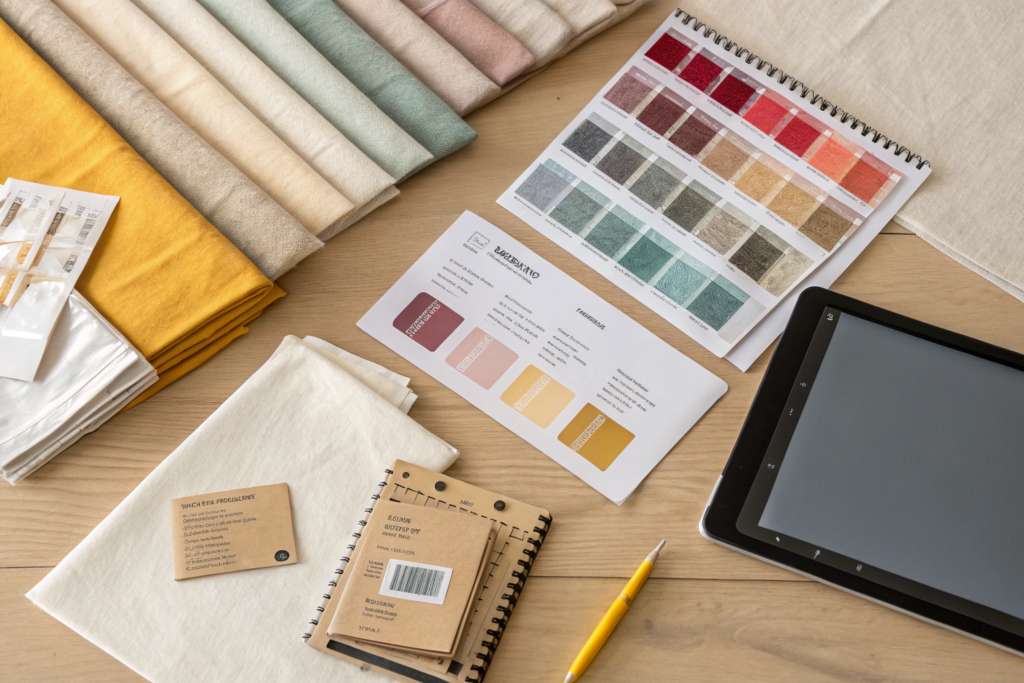
A reliable supplier will offer a logical sampling process: first, a lab dip for color matching, then a handloom sample for weave and hand feel, and finally a bulk production sample to confirm everything before the full run is cut. This process protects you. Never skip it, even if you’re in a hurry.
What Should a Professional Linen Sample Kit Include?
A professional sample kit tells a story. It should include:
- Physical Swatches (at least 15×15 cm): Of your shortlisted fabrics, clearly labeled with composition, weight (GSM), width, and price.
- Lab Dips: Strips showing color accuracy against your Pantone reference.
- Finish Samples: If you want a special finish (e.g., stone-washed, enzyme-softened), ask for a sample of that.
- Testing Reports: Even for samples, preliminary test data on shrinkage and colorfastness builds confidence.
We go a step further. For a new client looking at our organic cotton linen blend fabrics, we recently sent a "comparison kit" showing three different softening processes on the same base cloth. The client could feel the difference and make an informed choice that impacted their final garment’s look and cost. This consultative approach is what builds long-term partnerships. Engaging with online fashion designer communities can also give you a benchmark for what a comprehensive sample kit from a top-tier supplier should look like.
How Do I Ensure My Small Batch Order Mirrors the Sample Quality?
The "sample vs. bulk" discrepancy is the most common fear. Closing this gap requires a clear Tech Pack and a Golden Sample. Your Tech Pack must have all specifications: fiber origin, yarn count, weave detail, GSM tolerance (e.g., 180 GSM +/-5%), finished width, color standards, and physical test requirements.
The "Golden Sample," signed off by both you and the supplier, is the physical benchmark for the bulk order. Insist on a pre-production sample (PP sample) taken from the beginning of the bulk run. Compare it directly to your Golden Sample under the same light and with the same feel. At Shanghai Fumao, our QC team does this before shipment, but we always encourage clients to do their own check. In one case, for a small Australian boutique’s order of 500 meters of printed linen in July 2023, the client spotted a slight print registration shift in our pre-shipment photos. We halted the packaging, corrected the issue on the remaining rolls, and re-inspected. Their first small order was perfect, and they’ve since scaled to seasonal orders. Managing quality control for first-time fabric imports is all about clear communication and multiple checkpoints.
Conclusion
Sourcing linen fabric from China successfully is a deliberate journey of education, verification, and partnership. It starts with knowing your fibers and weaves inside out, moves to rigorously checking your supplier’s credentials and ethics, requires meticulous planning around production cycles, and culminates in a careful, sample-led order process. It’s a blend of technical knowledge and strategic relationship management.
The goal isn’t just to buy fabric; it’s to secure a reliable, high-quality stream of materials that will let your designs shine season after season. The complexity can be daunting, but you don’t have to navigate it alone. Partnering with an expert on the ground in China’s textile heartland transforms these challenges into a streamlined, transparent process.
If you’re ready to move from research to reality and explore how premium linen can elevate your next collection, let’s start a conversation. Our team, led by our Business Director Elaine, is built to guide you through every step. We provide the clarity, quality, and reliability you need. Reach out to Elaine directly at elaine@fumaoclothing.com to discuss your specific linen fabric requirements and how Shanghai Fumao can become your trusted partner in weaving your vision into reality.