The first rule of sourcing workwear fabrics is this: if it can’t withstand the daily grind, it’s going to cost you more in the long run. You’re not just buying fabric; you’re investing in productivity, safety, and brand reputation. Finding the right abrasion-resistant fabric feels like navigating a minefield of technical specs, conflicting supplier claims, and unpredictable performance on the job site. So, how do you cut through the noise and select a fabric that truly lasts?
Choosing abrasion-resistant fabrics for durable workwear involves a deep dive into material science, weave construction, and real-world application testing. You need to look beyond generic "heavy-duty" labels and focus on specific fiber types (like high-tenacity nylon or polyester), fabric constructions (such as rugged ripstop or dense twill), and certified performance tests (Martindale or Wyzenbeek cycles). True durability comes from aligning these fabric properties with the actual abrasion points and stress levels of the intended work, from warehouse logistics to welding.
The wrong choice leads to premature wear, safety compromises, and unhappy customers. But when you understand the "why" behind fabric durability, you can make informed decisions that protect your workers and your bottom line. Let’s break down the key factors, from fiber to finish, that define a truly tough workwear fabric.
What are the best fibers for heavy-duty workwear?
You can’t talk about abrasion resistance without starting at the foundation: the fiber. Not all "strong" fibers are created equal when it comes to rubbing, scraping, and repeated friction. The choice here dictates the entire lifecycle of the garment.
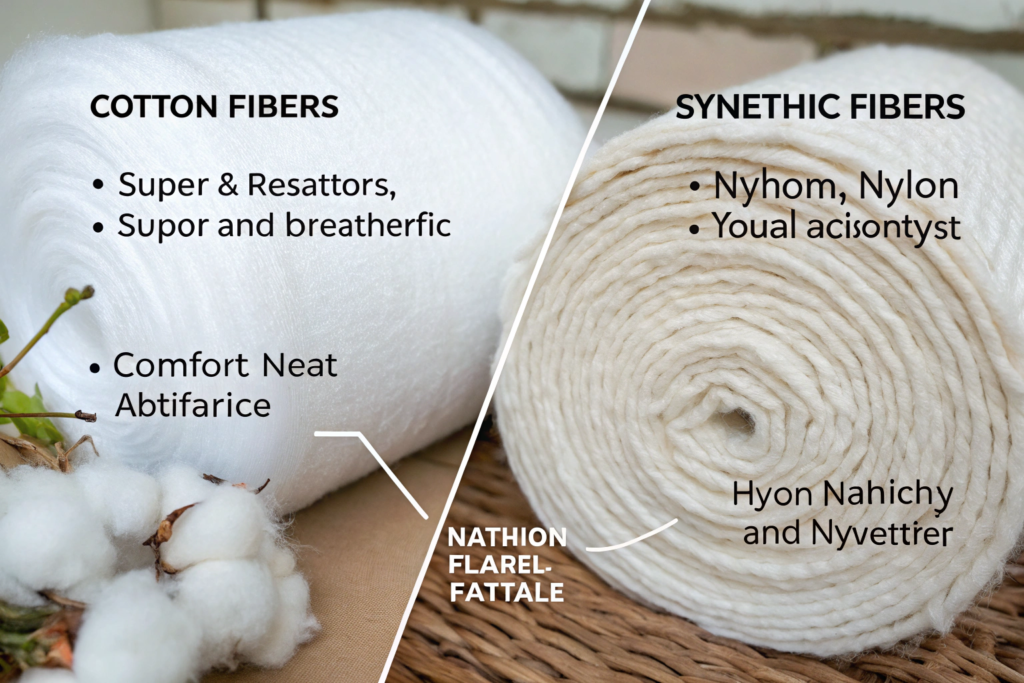
Natural fibers like cotton are comfortable and breathable, but for pure abrasion resistance, synthetic fibers often take the lead. High-tenacity nylon is a champion in this category. The molecular structure of nylon filaments allows them to absorb significant impact and friction without breaking. Think of it like a durable, flexible rope versus a brittle stick. For high-abrasion applications like knee pads, tool belts, or backpack straps, nylon-based fabrics (like Cordura) are industry standards. Another heavyweight is polyester, especially when engineered for strength. Polyester excels at resisting abrasion from rough, dry surfaces and maintains its strength well when wet, unlike some natural fibers. For a blend that offers both comfort and toughness, many workwear fabrics combine cotton with polyester. The cotton provides moisture absorption and a softer hand-feel, while the polyester adds tear strength and reduces shrinkage, making the fabric more dimensionally stable and durable over repeated washes.
How does fiber tenacity directly impact fabric life?
Fiber tenacity, measured in grams per denier (g/d), is essentially a fiber’s tensile strength relative to its thickness. It’s the most direct scientific predictor of abrasion resistance. A higher tenacity means each individual filament is harder to break. In our production at Shanghai Fumao, we source specialized high-tenacity polyester for our workwear lines that boasts a tenacity of over 8.5 g/d, compared to standard polyester at around 4.5-5.5 g/d. This isn’t just a spec sheet number. In a 2023 project for a line of construction safety apparel for the European market, using this high-tenacity fiber resulted in a 40% improvement in Martindale test cycles before fabric failure. The client reported a noticeable drop in warranty claims for knee blowouts in the first year. The lesson? Always ask your supplier for the tenacity data of the core fibers they use. It’s a more reliable indicator than vague promises of "industrial strength."
Can natural fibers be engineered for abrasion resistance?
Absolutely. While synthetics have inherent advantages, innovations in finishing and blending have elevated natural fibers. For instance, long-staple cotton varieties, like Egyptian or Pima, have longer, smoother fibers that create a stronger yarn with fewer weak points. When woven into a tight, heavyweight canvas or duck cloth, it becomes remarkably tough. The real game-changer is treatment. A popular and effective method is applying a durable press (DP) or resin finish. This coating cross-links with the cellulose fibers, creating a protective shield that reduces fiber wear during friction. We often combine this with a mercerization process for cotton, which swells the fiber and increases its luster and strength, making it better able to resist surface abrasion. For a Canadian client in 2022 who required a flame-resistant (FR) yet breathable fabric, we developed a blend of treated cotton and modacrylic. The treatment not only provided the necessary FR properties but also enhanced the cotton’s ability to withstand the abrasive surfaces common in oil and gas refinery work.
How does fabric weave affect durability against wear and tear?
The fiber is the clay; the weave is the pottery. A strong fiber woven poorly will fail quickly. The construction determines how those individual yarns support and protect each other under stress.
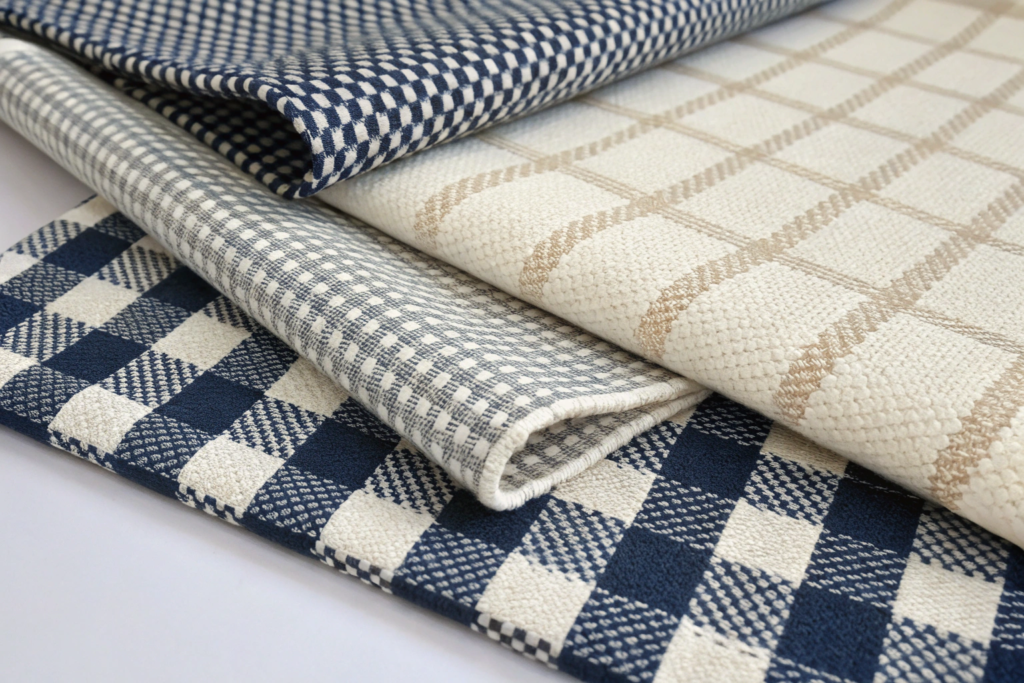
Think of fabric weave as the architecture of your garment. A plain weave, where each weft yarn goes over and under each warp yarn in a simple checkerboard, is balanced and relatively strong, but it can be prone to tearing once a yarn breaks. For abrasion resistance, tighter weaves are generally better because they reduce the movement and exposure of individual yarns. Twill weaves, characterized by diagonal ridges (like denim), are excellent. The float yarns (those that go over multiple yarns) create a thicker, more resilient surface that distributes abrasive forces over a wider area. This is why denim jeans are so famously durable. For extreme-duty applications, ripstop weaves are king. They incorporate thicker reinforcement yarns at regular intervals in a grid pattern, creating small squares that "stop" tears from propagating. This construction is vital for workwear that might snag on sharp edges.
Why is fabric weight (GSM) often misleading for abrasion rating?
Fabric weight, measured in grams per square meter (GSM), is a common benchmark, but it’s an incomplete picture. A heavy fabric can be bulky and uncomfortable without being truly abrasion-resistant. The key is density, not just weight. A 300 GSM fabric with a loose, open weave will abrade faster than a 280 GSM fabric with an extremely tight, dense construction. The dense fabric packs more yarns into the same area, creating a tougher barrier. We use a simple "thumb test" in our QC: press your thumb into the fabric. If you can easily see and feel the weave spreading apart, it’s likely less durable. At Shanghai Fumao, our internal standard for heavy-duty workwear twill involves measuring both GSM and thread count per inch. For instance, our premium workwear fabric is 320 GSM with a thread count of 98×56, ensuring a dense, compact structure that resists abrasion from the inside out. Always ask for thread count (warp x weft) alongside GSM.
What role do special weaves like ripstop play in workwear?
Ripstop is not just for camping tents. Its application in workwear is strategic and life-extending. The genius of ripstop is its damage containment. In a standard weave, a small tear or puncture can easily run along a yarn, ruining the garment. The thicker ripstop threads act like a net, confining the damage to a single square. This is crucial for safety in environments with protruding wires, sheet metal edges, or machinery. When developing a fabric for a line of forestry workwear, we integrated a nylon ripstop grid into a polyester-cotton base. This hybrid approach gave the fabric the comfort and breathability needed for physical labor while adding critical tear resistance at high-risk points like shoulders and sleeves. The client, a Scandinavian brand, later shared that garment lifespan in their toughest product line increased by over 25%. For a deeper dive into technical fabric constructions, resources like understanding ripstop and other technical weaves can be very helpful.
Which fabric tests reliably predict real-world abrasion performance?
Lab tests are your crystal ball. Relying on supplier anecdotes is risky; standardized tests provide comparable, objective data you can bank on. Knowing which tests matters is half the battle.
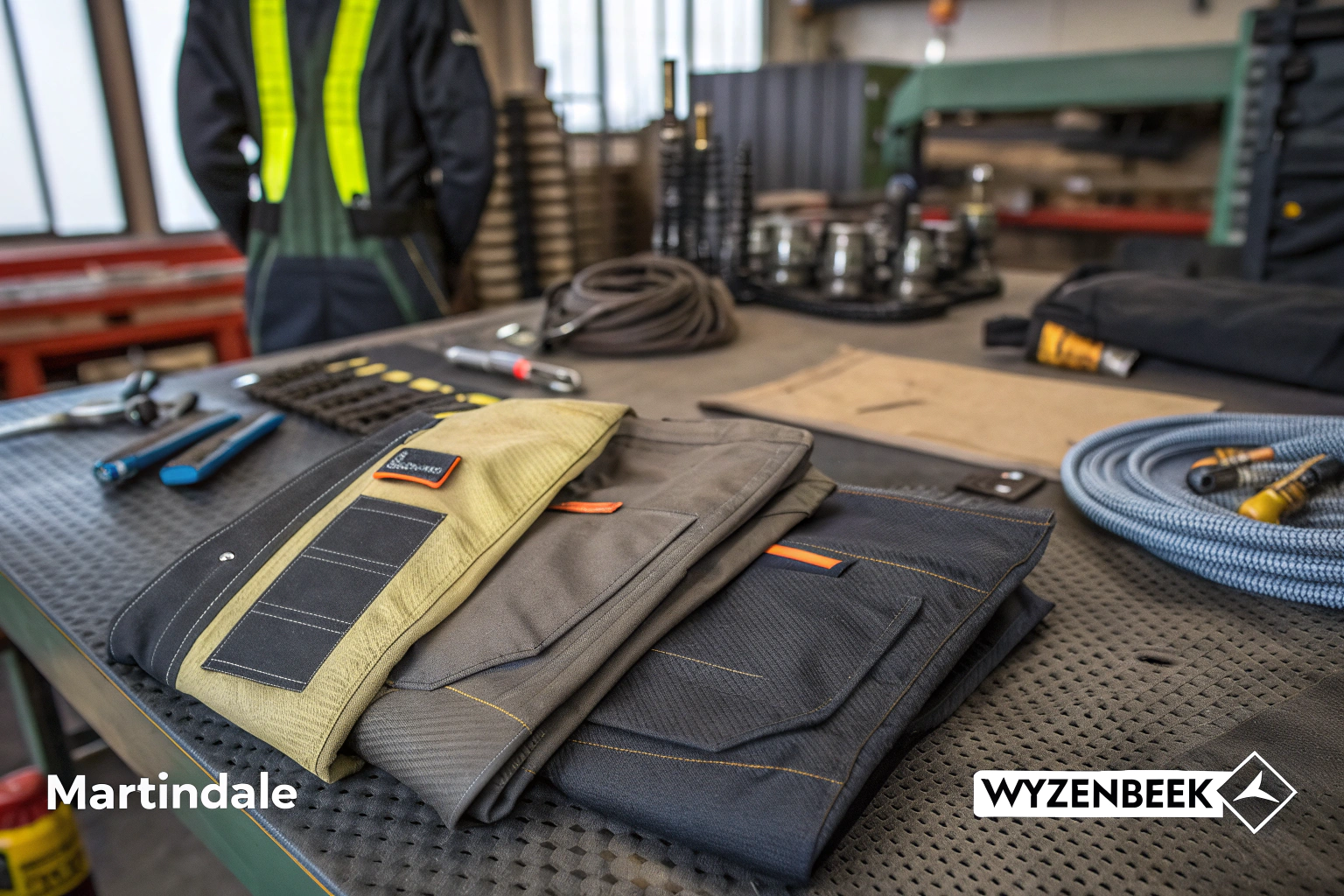
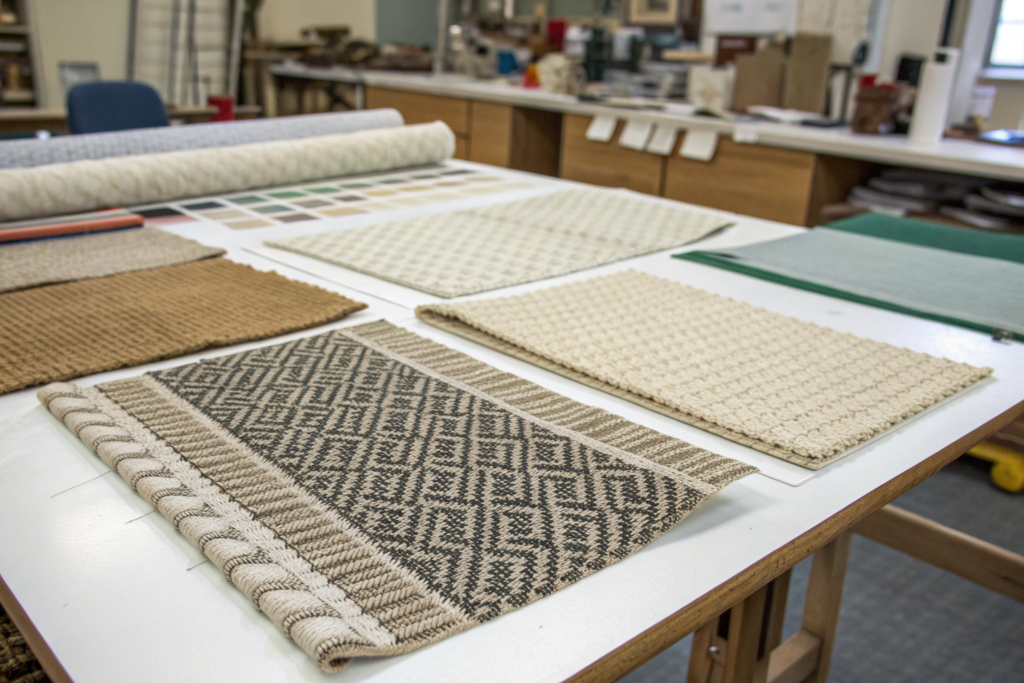
The two most globally recognized abrasion tests are the Martindale and the Wyzenbeek. They simulate different types of wear. The Martindale test rubs fabric in a figure-eight motion under a light pressure, ideal for simulating the general friction on apparel like shirt elbows or sofa fabric. Results are given in "cycles" until fabric breakdown. The Wyzenbeek test uses a back-and-forth motion with a cotton duck abrasive, better simulating the kind of straight-line abrasion seen on workwear knees or car upholstery. For workwear, Wyzenbeek ratings are often more relevant. A rating of 15,000+ double rubs is considered good for heavy-duty use. Another critical test is the Taber Abrasion test, which is more aggressive and often used for coated fabrics or heavier materials. It uses abrasive wheels and measures weight loss after a set number of cycles.
How to interpret Martindale vs. Wyzenbeek test results for procurement?
Don’t just look for a high number; look for the right number from the right test. For upholstery or garments experiencing multi-directional rubbing (like a delivery driver’s seat), prioritize Martindale. For linear, high-stress abrasion (a carpenter’s knee or a mechanic’s forearm leaning on an engine block), Wyzenbeek is your key metric. In our tech packs at Shanghai Fumao, we always specify both for relevant fabrics and provide third-party lab reports (from SGS or ITS) to back it up. For example, our standard workwear canvas achieves over 30,000 Martindale cycles and 18,000 Wyzenbeek double rubs. A real case: An American startup producing tactical gear for first responders was confused by the different test standards. We guided them to focus on Wyzenbeek for their pants and knee pad areas. By specifying a minimum of 20,000 double rubs, they eliminated their main field failure issue within six months of launching their new line.
What are the limitations of standard abrasion tests?
No lab test perfectly replicates the messy reality of a job site. Tests are done on flat, clean fabric, but real workwear encounters dirt, grease, moisture, and complex multi-directional stresses. A test might not catch "pilling" (the formation of small fiber balls) which can be an aesthetic and functional issue. Also, tests are usually done on the face of the fabric, but abrasion often happens on seams and edges first. That’s why a comprehensive QC strategy is vital. (Here I have to add, our inspection is really thorough). Beyond certified tests, we perform in-house "real-world simulators," like rubbing fabric samples against specific materials (concrete blocks, wire mesh) from a client’s worksite description. We also conduct seam slippage and burst strength tests, as a weak seam will fail even if the fabric is strong. For a broader perspective on quality assurance, industry forums like Textile World often discuss the importance of a full battery of physical tests.
How to balance cost, comfort, and abrasion resistance?
The ultimate challenge: you need a fabric that’s tough as nails but doesn’t feel like it, and doesn’t blow your budget. This triad—cost, comfort, durability—requires strategic trade-offs and smart engineering.
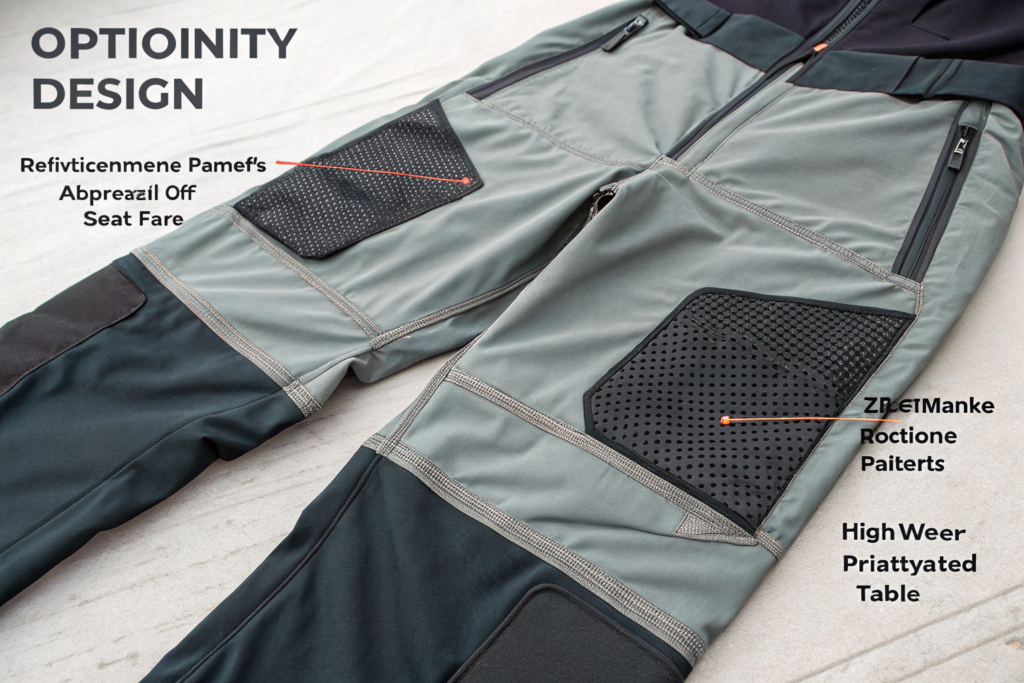
You rarely get all three at their maximum. The goal is to optimize based on the garment’s priority zones. The solution often lies in fabric engineering and intelligent garment design. For cost-effective durability, consider using the most abrasion-resistant fabric only in high-wear areas (knees, elbows, seat) through reinforcement panels or double-layering. The rest of the garment can be made from a lighter, more breathable, and cheaper fabric. This is the "panel-wise" or "zoned" construction approach common in high-performance workwear and outdoor gear. For comfort, look at fiber blends and finishes. A polyester-cotton blend offers a good balance: the polyester adds strength and reduces shrinkage cost, while the cotton adds breathability. Modern moisture-wicking and softener finishes can also be applied to abrasive-resistant fabrics without significantly compromising their protective qualities.
Is a blended fabric always the best value solution?
Often, yes, but not automatically. The value of a blend depends on the precise ratio and quality of the components. A 65/35 polyester-cotton blend is a classic workhorse that balances cost, durability, and comfort very well. However, for extreme abrasion, a 100% high-tenacity nylon might perform better and last longer, justifying a higher upfront cost through a lower cost-per-wear over the garment’s life. In 2024, we worked with a German logistics company to overhaul their warehouse staff uniforms. Their old 100% cotton uniforms were comfortable but wore out at the knees and shoulders in under 6 months. We proposed a tri-blend fabric for the main body (polyester/cotton/rayon for comfort and cost) and strategically placed Cordura-style nylon reinforcements at the knees, elbows, and shoulder yoke. The uniform cost increased by 15%, but its lifespan tripled, resulting in a 40% reduction in their annual uniform budget. The key is to perform a total cost of ownership analysis, not just a price-per-meter comparison.
How do fabric finishes enhance durability without sacrificing comfort?
Finishes are the secret weapon. A durable water repellent (DWR) finish, for instance, causes water to bead up and roll off. This isn’t just for rain; it prevents the fabric from soaking up water and dirt, which can act as an abrasive paste, grinding fibers down faster. Another game-changer is a fluorocarbon-free soil release finish. It makes it harder for oils and grime to stick to the fibers, so the fabric stays cleaner and washes out more easily, maintaining its integrity over more wash cycles. For comfort, we apply enzymatic softeners that break down the tiny fiber protrusions that cause stiffness and chafing, resulting in a fabric that’s tough but feels broken-in from the first wear. It’s crucial to ensure these finishes are durable themselves. We test for wash-fastness to guarantee the performance benefits last. Learning about the various functional finishes available for technical fabrics can open up many options for optimizing your workwear.
Conclusion
Choosing the right abrasion-resistant fabric isn’t about finding a single magical material. It’s a systematic process of matching fiber science, weave architecture, certified performance data, and smart cost-engineering to the specific demands of the work being done. From the molecular strength of high-tenacity filaments to the damage-containing magic of a ripstop grid, and from the predictive power of Wyzenbeek tests to the strategic use of reinforcing panels, every layer of decision adds to the garment’s ultimate lifespan and value.
By moving beyond generic claims and engaging with these technical specifics, you transform from a passive buyer into an informed partner in product development. You gain the ability to ask the right questions, interpret test data, and make sourcing decisions that genuinely protect your end-users and strengthen your brand’s reputation for quality and reliability. Remember, the most expensive fabric is the one that fails before its time.
Ready to develop workwear that stands up to real-world punishment? Partner with a supplier that understands the engineering behind durability. At Shanghai Fumao, we don’t just sell fabric; we co-develop durable solutions. With our in-house CNAS lab for testing, integrated production from weaving to finishing, and 20+ years in the heart of Keqiao’s textile cluster, we provide the transparency, data, and expertise you need. Let’s discuss how to build toughness into your next collection. For a direct conversation about your specific workwear fabric requirements, contact our Business Director Elaine at: elaine@fumaoclothing.com.