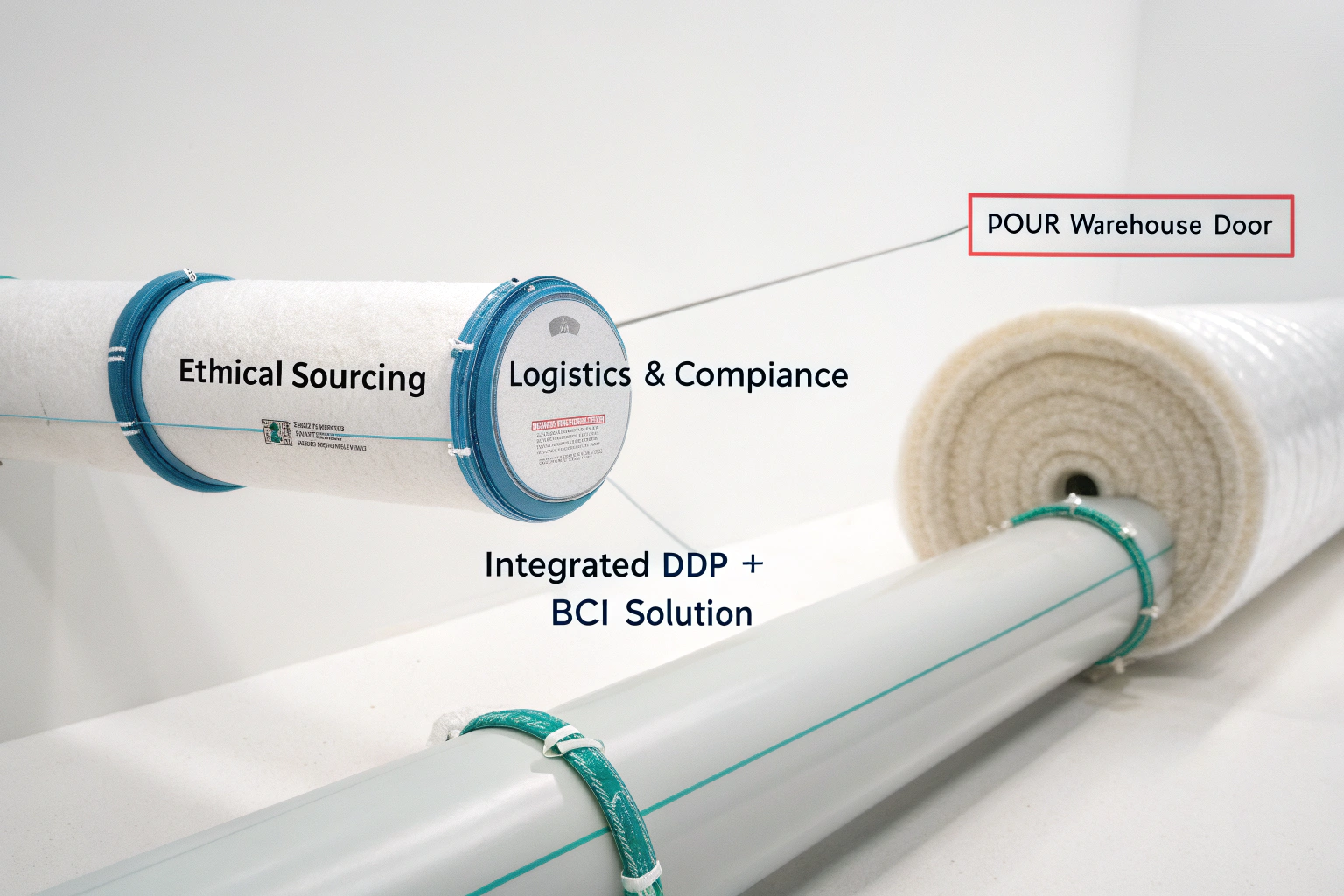
You’re considering DDP (Delivered Duty Paid) sourcing to simplify your logistics: one price, one partner, and the factory handles everything from production to delivering goods to your warehouse door. It’s efficient. But you also want to ensure your cotton is responsibly sourced, so you’re looking at BCI (Better Cotton Initiative). A question arises: Does adding a sustainability certification like BCI complicate the streamlined DDP model? The surprising answer is no—in fact, when executed correctly, BCI and DDP are a powerful, synergistic partnership. They align perfectly to create a truly turnkey solution that delivers not just a product, but a fully documented, ethically compliant supply chain package.
BCI and DDP align because they share the same core principle: consolidation of responsibility. DDP consolidates logistical and customs risk with the supplier. BCI consolidates ethical and environmental due diligence under a verifiable standard. When a garment factory offers both, you get a single point of accountability for the physical journey of the garment and the integrity of its raw material story. This alignment means you can source sustainably without managing a fragmented network of fabric mills, certification auditors, freight forwarders, and customs brokers. The smart factory becomes your one-stop solution for both ethical assurance and logistical simplicity.
Let’s map out exactly how these two systems dovetail, creating a smoother, lower-risk sourcing pathway for you.
Why Does a DDP Factory Benefit from Offering BCI?
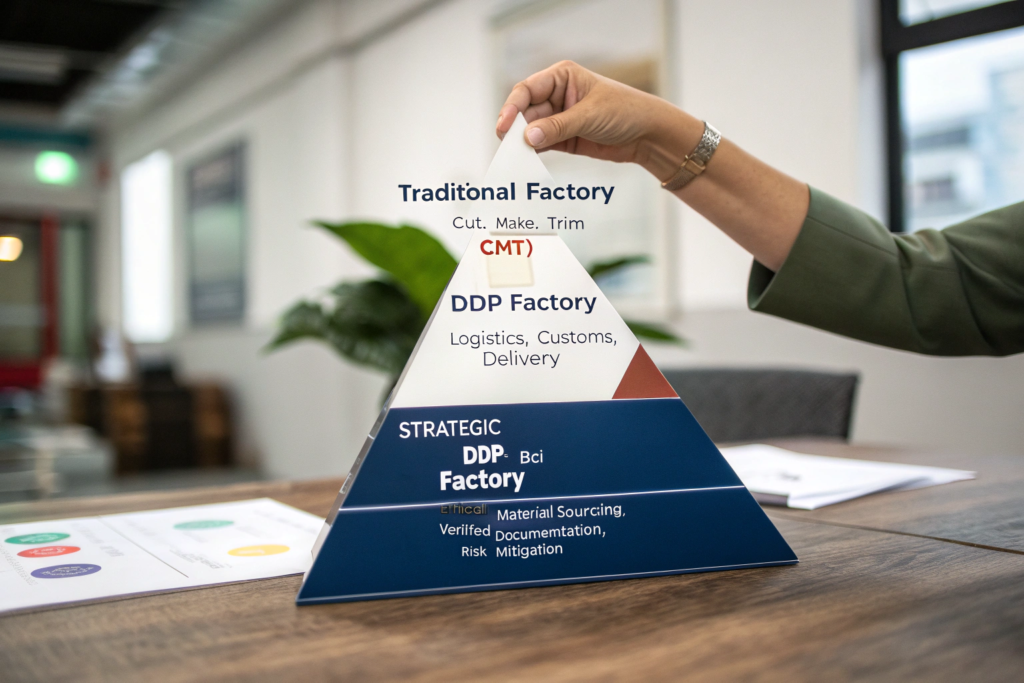
For a forward-thinking garment factory, offering BCI-certified DDP isn’t just an added service—it’s a strategic market differentiator. It allows them to move up the value chain. They are no longer competing solely on sewing labor costs; they are competing on comprehensive value assurance. By integrating BCI into their DDP offering, they solve two of your biggest headaches at once: complex international shipping and mounting pressure for sustainable sourcing.
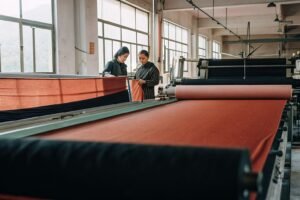
This integration requires the factory to have strong upstream control. They must partner with or be part of a vertically integrated group that manages fabric production. This is where a partner like Shanghai Fumao is critical. We act as the fabric arm for DDP factories, supplying them with BCI-certified fabrics and the accompanying Transaction Certificates (TCs). The factory then incorporates this pre-certified fabric into their DDP package. For them, it means locking in orders from brands that have strict sustainability mandates. For you, it means your DDP quote already includes the certified fabric cost, with no extra legwork.
How does this control simplify the DDP process?
In a standard DDP model, the factory sources fabric, often from a third-party mill. If you demand BCI, they must then find a BCI mill, manage that relationship, and ensure TCs are transferred—a new layer of complexity. In an integrated model where the factory works with a dedicated BCI fabric supplier like us, the fabric sourcing is a streamlined, internal process. The BCI fabric availability and credit tracking are managed proactively. This prevents a common DDP nightmare: the logistics are all set, but the fabric documentation isn’t ready, holding up the entire shipment. When BCI is part of the factory’s core system, the documentation flows as automatically as the shipping documents.
Does this affect DDP pricing and lead time?
It can make them more predictable. The DDP price will include a BCI premium for the fabric, which is transparent. The key advantage is in lead time stability. Because the fabric supply is managed within a controlled system, the risk of delays due to sourcing certified materials is drastically reduced. The factory can give you a reliable timeline because they aren’t waiting on an external mill’s uncertain production schedule for certified goods. In a recent case, a German streetwear brand sourcing DDP+BCI hoodies from a partner factory of ours had their order delayed by port congestion. Because the BCI documentation was already settled and tied to the shipment paperwork from the start, the customs clearance at the alternative port was swift, avoiding additional demurrage charges—a risk typically borne by the supplier under DDP, but one that can indirectly impact you through future price hikes.
How is BCI Documentation Handled in a DDP Shipment?
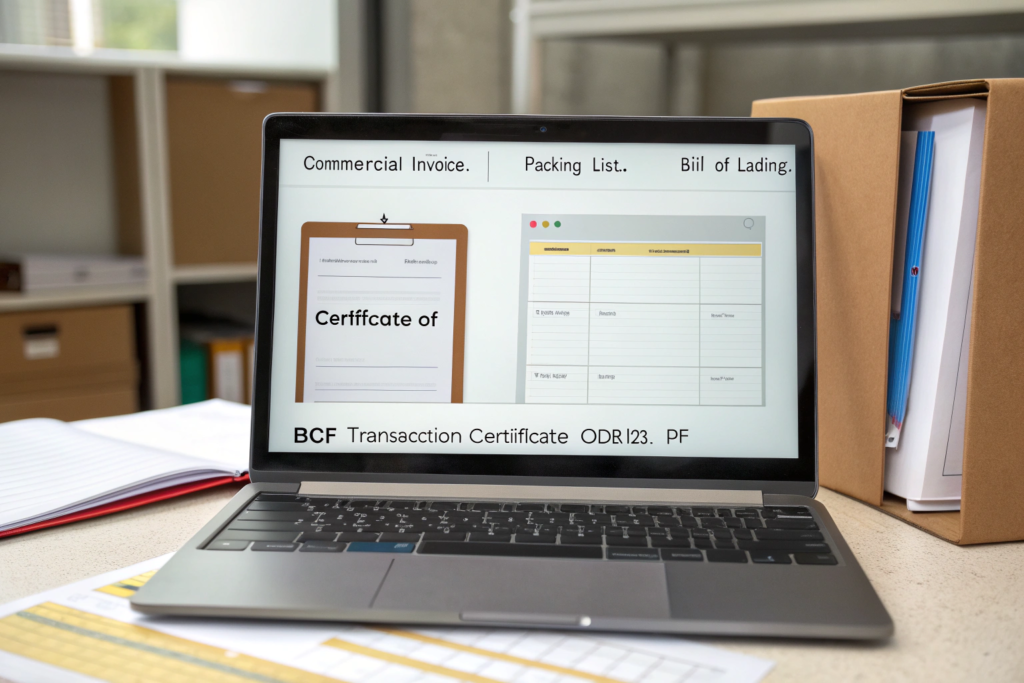
This is where the alignment shines. Under DDP, the factory is responsible for all export and import documentation. When BCI is included, the BCI Transaction Certificate (TC) simply becomes another required document in the master DDP dossier, alongside the commercial invoice, packing list, certificate of origin, and bill of lading.
A proficient factory will generate the final BCI TC based on the net weight of the shipped garments and include it in the digital packet sent to the freight forwarder and, ultimately, to you, the buyer. This ensures perfect alignment: the product description, HS code, value, and weight on the commercial invoice match the data on the BCI TC. This harmony is crucial for smooth customs clearance in regions with strict sustainability scrutiny and for your own audit purposes. We provide our partner DDP factories with a streamlined portal to request and download TCs directly, integrated into their shipment planning process.
What are the critical checkpoints for BCI in DDP production?
Your due diligence should include verifying these points with your DDP factory:
- Pre-Production: Request a copy of the BCI fabric purchase TC from the factory’s supplier (e.g., from us at Shanghai Fumao) to confirm the certified material has entered their system.
- During Production: Ask for evidence (e.g., photos) that the BCI-labeled fabric rolls are being used on the cutting table for your order, preventing commingling.
- Pre-Shipment: Review a draft of the final BCI TC to ensure the weight and volume align with your order before the shipment is sealed. This is your last chance to catch a discrepancy.
This process mirrors the quality checkpoints in a good DDP arrangement, where you’d review pre-shipment inspection reports. It just adds a layer of documentary compliance.
Can the BCI claim be made on the final commercial invoice?
Typically, no. The BCI claim is made via the separate Transaction Certificate. However, the commercial invoice under DDP should accurately describe the goods, e.g., "100% Cotton Knitted T-Shirts (Made with BCI Cotton)". This description links the physical goods to the separate TC. It’s vital that the factory’s export team understands this linkage to avoid contradictory information that could raise flags during customs valuation or product verification. A study of incoterms and their implications for sustainable goods documentation is useful here. Additionally, understanding how to avoid greenwashing in international trade claims is critical for both the factory and you as the importer.
What Are the Risk Mitigation Benefits of Combined DDP & BCI?
The combined model offers a powerful, two-layered risk shield:
- Layer 1 (DDP): Mitigates logistical and financial risk. You know your total landed cost upfront. The factory bears the risk of shipping delays, customs holds, and fluctuating freight costs.
- Layer 2 (BCI): Mitigates reputational and compliance risk. You have verified proof of ethical sourcing, protecting your brand from scandals and ensuring alignment with current and future regulations.
When bundled, these layers protect your entire investment—both the financial capital tied up in the shipment and the social capital of your brand. For a Canadian apparel brand we worked with in 2023, this was decisive. They were sourcing DDP from a factory for the first time. By choosing a factory that offered BCI through our integrated fabric supply, they avoided the risk of the factory cutting costs at the last minute by substituting conventional fabric—a real concern with DDP where you don’t control material procurement. The BCI chain of custody provided the transparency they needed to trust the DDP model fully.

How does this affect liability and insurance under DDP?
Under DDP, the factory/supplier is liable for the goods until delivery at your named place. If a shipment is seized or rejected at customs due to incorrect documentation (including sustainability claims), it is the supplier’s problem and cost to rectify. Therefore, a factory offering BCI-DDP has a strong incentive to get the BCI documentation perfect—their own liability depends on it. This aligns your interests perfectly. You want accurate docs for compliance; they need accurate docs to fulfill their DDP obligation and avoid losses. This makes them a more vigilant partner.
How to Vet a Factory for True BCI-DDP Capability?
Not every factory that says "yes" to BCI and DDP can deliver seamlessly. You must vet for integration, not just intention. Here’s a quick checklist:
| Vetting Question | Why It Matters | The Right Answer (Green Flag) |
|---|---|---|
| "Are you a licensed BCI supplier, or do you have a fixed partnership with one?" | Determines if they control the certification flow. | "We partner exclusively with Shanghai Fumao, a licensed BCI fabric supplier, for all our BCI orders." |
| "Can you show me a sample BCI TC from a previous DDP shipment?" | Tests their experience and document quality. | They provide a redacted TC within minutes that clearly matches a commercial invoice. |
| "Who in your team manages the BCI TC alongside shipping docs?" | Reveals if it’s a system or an afterthought. | "Our export documentation manager handles both in parallel; it’s part of our standard workflow." |
| "What happens if a BCI documentation error causes a customs delay under DDP?" | Tests their understanding of liability. | "As the DDP seller, we are fully responsible for resolving any delay and covering all costs incurred." |

What if the factory isn’t vertically integrated?
Many good DDP factories are not fabric producers. In this case, your vetting focuses on their relationship with their fabric supplier. You need to get the fabric supplier’s contact (like us) and verify their BCI license and reliability directly. The ideal scenario is a tripartite communication where you, the factory, and the fabric supplier are aligned on the order specifics and documentation handoff. This ensures transparency throughout the chain.
How does payment structuring work for BCI-DDP orders?
The standard DDP terms apply (often a deposit with balance before shipment). The BCI fabric premium is included in the total DDP price quoted. There should be no separate payment for certification. Ensure the proforma invoice clearly states the product as "Made with BCI Cotton" and that the final BCI TC will be provided. This clarity prevents disputes upon shipment.
Conclusion
BCI and DDP are not just compatible; they are complementary forces that, when combined, create the modern ideal of sourcing: ethically transparent and logistically effortless. The DDP model craves control and predictability; the BCI system provides a framework for verifiable control over raw material ethics. A factory that masters this combination offers you a supreme advantage: the ability to source with a clear conscience and a clean logistics sheet.
Your role as a buyer shifts from managing multiple vendors and worrying about customs forms to partnering with a single, capable strategic supplier. You invest your time in design, marketing, and sales, while they ensure your products are made responsibly and delivered reliably.
The key is to select a partner whose systems are built for this integration. At Shanghai Fumao, we enable this future for DDP factories and the brands they serve. We provide the certified fabric backbone and documentation engine that turns a complex ethical sourcing goal into a simple line item on a DDP quote. To explore how our network of partner factories can deliver a true BCI-DDP solution for your next order, contact our Business Director Elaine: elaine@fumaoclothing.com.