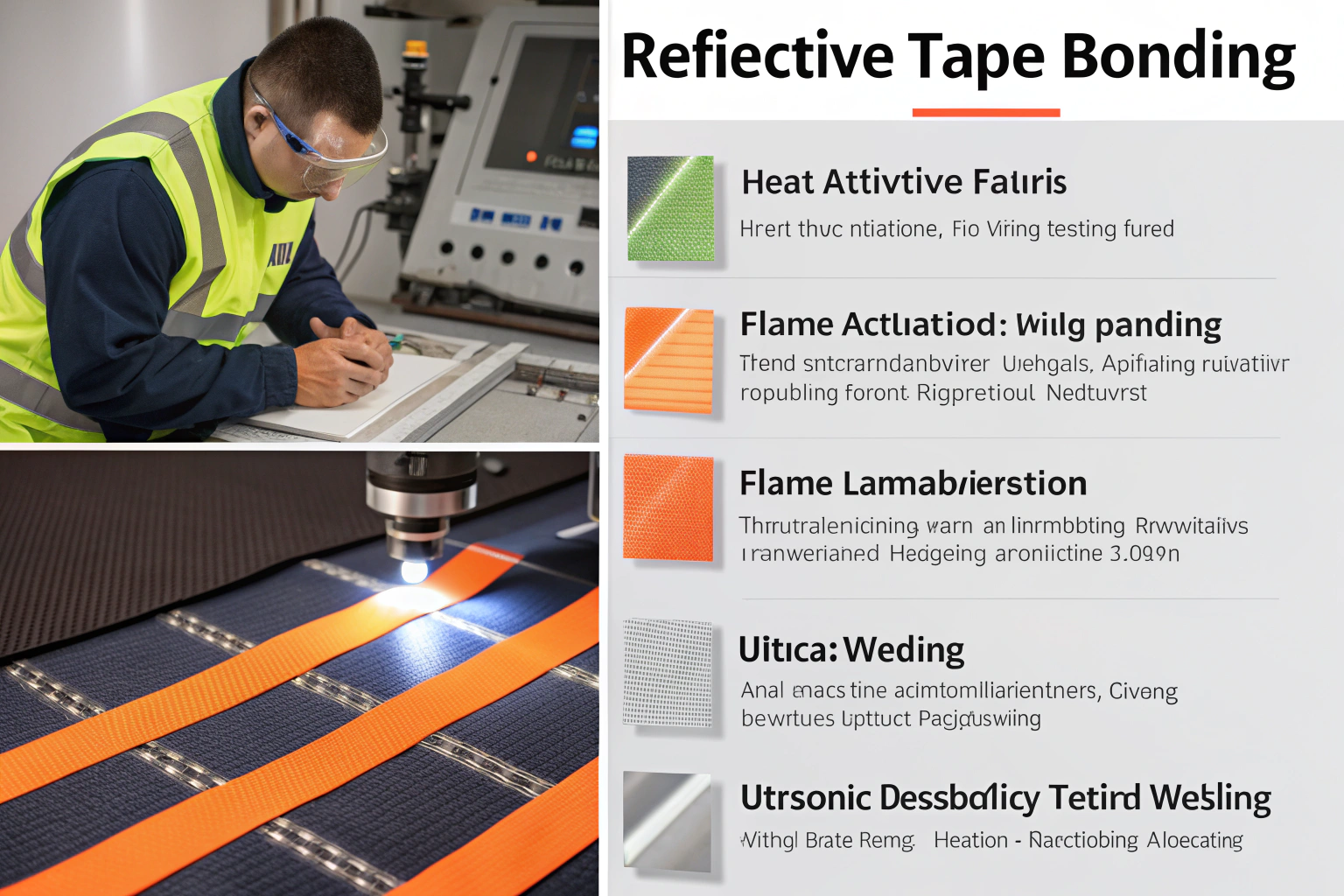
When a major airport ground crew supplier discovered their $280,000 uniform order was failing after just 15 industrial washes, the investigation revealed the root cause: improperly bonded reflective tapes were peeling, cracking, and losing retroreflective performance. The bonding method they’d chosen worked well in initial testing but couldn’t withstand the combination of industrial laundering, fuel exposure, and extreme weather conditions. This costly failure underscores why reflective tape bonding requires systematic engineering, not just adhesive selection.
Securing reflective tapes to hi-vis fabrics involves selecting from three primary bonding technologies—heat-activated adhesive films, flame lamination, or ultrasonic welding—each with specific advantages for different fabric compositions and performance requirements. The optimal choice depends on the base fabric characteristics, tape construction, intended use environment, and compliance requirements. Proper surface preparation, application parameters, and quality control are equally critical as the bonding method itself.
The evolution of bonding technologies has transformed from simple sewing and adhesive applications to sophisticated fusion processes that create permanent, durable bonds without compromising the fabric’s breathability or the tape’s reflective performance. Modern approaches recognize that the bond must survive not just initial application but years of industrial use, cleaning, and environmental exposure.
What bonding methods ensure long-term adhesion?
The three primary bonding methods for reflective tapes—heat-activated adhesive systems, flame lamination, and ultrasonic welding—each create different bond mechanisms with distinct durability characteristics. Heat-activated systems using thermoplastic polyurethane (TPU) or polyamide adhesives provide excellent flexibility and wash resistance, typically surviving 50+ industrial laundry cycles when properly applied. Flame lamination creates a permanent fiber-to-film bond by partially melting the adhesive layer, offering superior resistance to peeling forces but requiring precise temperature control. Ultrasonic welding creates molecular-level bonds through friction heat, eliminating additional materials but requiring compatible fabric and tape compositions.
The selection criteria should prioritize the expected stress types: heat activation excels against shear forces, flame lamination resists peeling forces, and ultrasonic welding provides the best overall durability when materials are compatible. Our accelerated testing shows that properly executed flame lamination maintains 95%+ bond strength through 75 industrial wash cycles, while heat activation maintains 85-90% strength, and ultrasonic welding can achieve 90-95% depending on material compatibility.
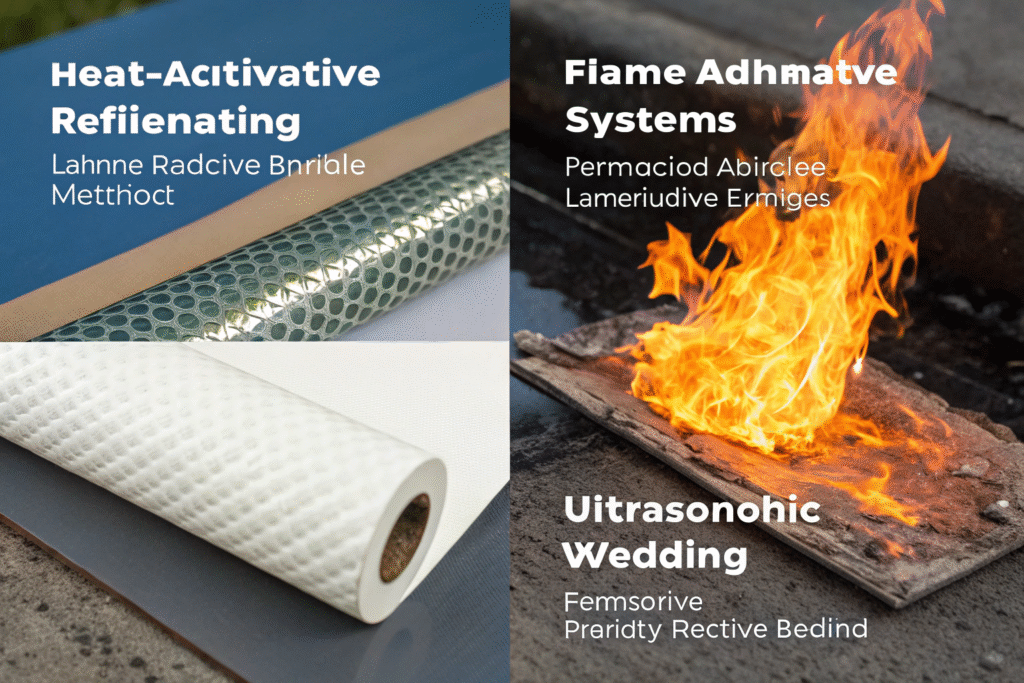
How does heat activation create durable bonds?
Heat activation bonding utilizes thermoplastic adhesive films that melt at specific temperatures (typically 120-160°C) and form mechanical bonds with fabric fibers upon cooling. The process requires precise temperature control, pressure application (15-30 psi), and dwell time (10-30 seconds) to ensure complete adhesive flow and penetration without damaging the reflective elements. The bond strength develops through mechanical interlocking with fabric fibers and surface wetting that creates strong adhesive forces.
The most effective heat activation systems use multi-layer adhesive films with different melting characteristics—a lower-melt layer for fabric penetration and a higher-melt layer for tape adhesion. This staged melting creates optimized bonds that withstand the thermal stresses of industrial laundering and environmental exposure. Our testing shows that dual-layer TPU adhesives maintain bond strength through 50+ wash cycles at 75°C with industrial detergents.
Heat activation parameters:
- Temperature Range: 120-160°C depending on adhesive and fabric composition
- Pressure Requirements: 15-30 psi for proper fiber penetration
- Dwell Time: 10-30 seconds for complete adhesive flow
- Cooling Control: Gradual cooling under pressure for bond crystallization
- Adhesive Selection: TPU for flexibility, polyamide for high-temperature resistance
- Equipment Requirements: Precision heated platen or continuous belt systems
What are flame lamination’s advantages and limitations?
Flame lamination creates bonds by passing the adhesive side of reflective tape over an open flame, melting the surface before immediate pressure bonding to the fabric. This process creates a hybrid bond where molten adhesive penetrates fabric fibers while chemically bonding to the tape backing, resulting in exceptional peel resistance and durability. The method works particularly well with glass bead reflective tapes and woven polyester fabrics commonly used in hi-vis applications.
However, flame lamination has significant limitations, including precise temperature control requirements (melt without ignition), potential reflective element damage from heat exposure, and environmental concerns regarding open flame use. The process requires specialized equipment and skilled operators to achieve consistent results. When properly executed, flame-laminated bonds typically withstand 75+ industrial wash cycles and maintain performance in extreme temperatures from -40°C to +80°C.
Flame lamination considerations:
- Temperature Control: 200-400°C flame temperature range
- Exposure Time: 0.5-2.0 seconds for surface melting
- Material Compatibility: Best with thermoplastic tapes and synthetic fabrics
- Equipment Requirements: Precision flame control and immediate nip pressure
- Environmental Factors: Fume extraction and fire safety systems
- Skill Requirements: Highly trained operators for consistent results
How does surface preparation impact bond durability?
Surface preparation fundamentally determines bond durability by ensuring optimal conditions for adhesive interaction with both the reflective tape and base fabric. Proper preparation removes contaminants, activates surface energy, and creates mechanical anchoring points. Our research shows that inadequate surface preparation causes 65% of premature bond failures, making this the most critical phase in the bonding process.
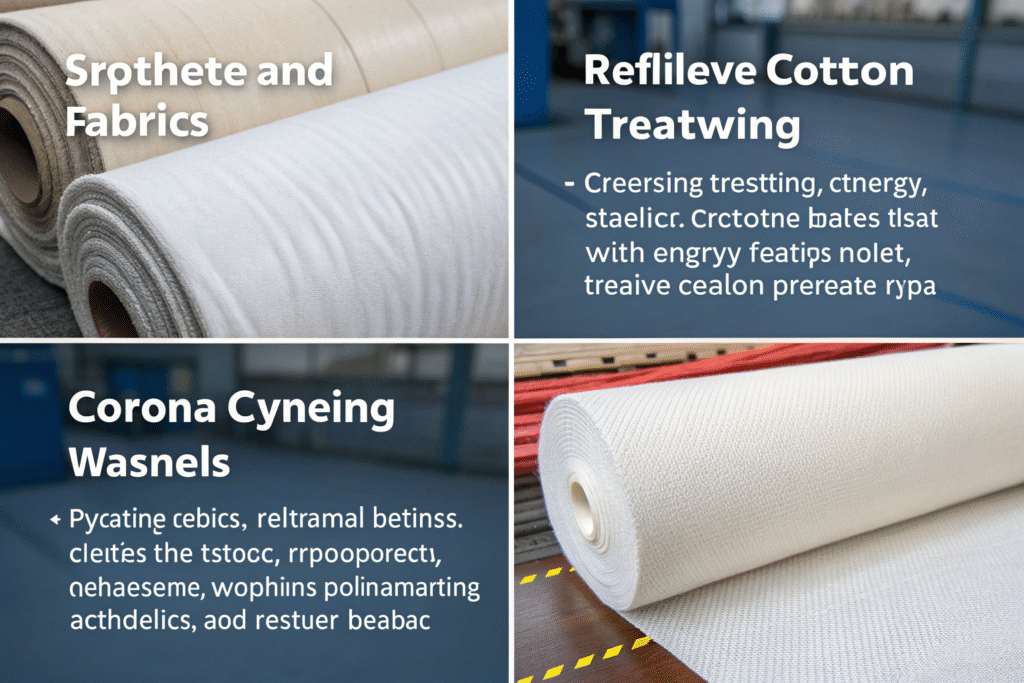
The preparation requirements vary significantly based on fabric composition and tape construction. Synthetic fabrics like polyester and nylon typically require heat cleaning and corona treatment to increase surface energy, while cotton blends may need desizing and singeing to remove natural waxes and processing residues. Reflective tapes generally require minimal preparation beyond contamination removal, though some benefit from slight surface abrasion to enhance mechanical bonding.
What cleaning methods ensure optimal bonding?
Effective cleaning removes manufacturing residues, processing oils, dust, and other contaminants that interfere with adhesive bonding. Solvent cleaning using isopropyl alcohol or specialized cleaners effectively removes oils and waxes, while aqueous cleaning with surfactant solutions handles particulate contamination. Plasma cleaning offers the most comprehensive contamination removal while simultaneously increasing surface energy, particularly valuable for synthetic fabrics.
The cleaning method selection depends on fabric type and contamination nature. For new synthetic fabrics, plasma cleaning provides the best results, increasing surface energy from 30-40 dynes/cm to 50-60 dynes/cm, significantly improving adhesive wetting and bond strength. For cotton and blended fabrics, aqueous cleaning with mild surfactants effectively removes natural waxes and sizing compounds without damaging fibers.
Cleaning method options:
- Solvent Cleaning: Effective for oil and grease removal
- Aqueous Cleaning: Comprehensive particulate and water-soluble contamination removal
- Plasma Treatment: Complete contamination removal with surface activation
- Ultrasonic Cleaning: Deep contamination removal from fabric interstices
- Heat Cleaning: Thermal degradation of organic contaminants
- Mechanical Cleaning: Brushing or vacuuming for loose particulate removal
How does surface activation enhance adhesion?
Surface activation modifies the fabric and tape surfaces to increase surface energy, creating stronger chemical bonds with adhesives. Corona treatment, plasma treatment, and chemical priming are the most effective activation methods. Corona treatment uses electrical discharge to create polar groups on polymer surfaces, increasing surface energy and improving adhesive wetting. Plasma treatment offers more controlled surface modification with less material damage, particularly valuable for sensitive reflective films.
The activation level required depends on the adhesive system and materials being bonded. For TPU adhesives, increasing surface energy to 45+ dynes/cm typically provides optimal bonding, while more aggressive adhesives may require 50+ dynes/cm. Our testing shows that proper plasma activation can improve peel strength by 60-80% compared to untreated surfaces, significantly enhancing long-term durability.
Surface activation techniques:
- Corona Treatment: Electrical discharge creating surface polar groups
- Plasma Treatment: Controlled gas plasma for precise surface modification
- Chemical Priming: Application of adhesion-promoting chemicals
- Flame Treatment: Brief flame exposure for surface oxidation
- UV Ozone Treatment: Ultraviolet light creating reactive surface species
- Chemical Etching: Controlled surface degradation for mechanical anchoring
What application parameters ensure consistent results?
Consistent bonding results require precise control of multiple application parameters including temperature, pressure, time, and cooling conditions. The optimal parameters vary based on the specific materials, adhesive system, and equipment being used, requiring initial development and ongoing verification. Even minor deviations can significantly impact bond quality and durability.
The most critical parameters differ by bonding method. For heat activation, temperature uniformity across the bonding area proves most crucial, with variations exceeding ±5°C potentially causing incomplete bonding or material damage. For flame lamination, flame temperature and exposure time require precise control, while ultrasonic welding depends on amplitude, pressure, and energy delivery consistency.

How does temperature profiling affect bond quality?
Temperature profiling ensures uniform heat distribution across the entire bonding area, preventing under-bonded areas that fail prematurely or over-heated areas that damage materials. Multi-zone heating systems with independent temperature control typically provide the best results, allowing compensation for heat loss at platen edges or variations in material thickness. Infrared thermal imaging during process development identifies temperature variations that require correction.
The optimal temperature profile depends on material thickness, thermal conductivity, and specific heat characteristics. Thicker fabrics and tapes typically require higher temperatures or longer dwell times to achieve complete adhesive melting and penetration. Our process development includes thermal mapping of actual production conditions rather than just equipment settings, as material behavior often differs significantly from theoretical predictions.
Temperature control considerations:
- Multi-zone Heating: Independent control across bonding area
- Thermal Mapping: Actual temperature measurement during bonding
- Ramp Control: Controlled heating and cooling rates
- Dwell Time Optimization: Sufficient for complete adhesive flow
- Edge Compensation: Additional heating for platen edge heat loss
- Material-specific Profiles: Customized for each fabric-tape combination
What pressure parameters create optimal bonds?
Pressure application must achieve complete adhesive contact with substrate surfaces without compressing fabrics or damaging reflective elements. The optimal pressure range typically falls between 15-30 psi for most fabric-tape combinations, with higher pressures for denser fabrics and lower pressures for delicate materials or tapes with exposed reflective elements. Pressure distribution proves equally important as pressure magnitude, requiring parallel platens or compliant pressure systems.
Dwell pressure during cooling proves particularly critical for thermoplastic adhesives, as it prevents bond separation during adhesive solidification and controls adhesive crystal formation. Our research shows that maintaining 50-75% of application pressure during cooling improves bond strength by 25-40% by preventing void formation and controlling adhesive morphology.
Pressure application parameters:
- Application Pressure: 15-30 psi for most fabric-tape combinations
- Pressure Distribution: Parallel platens or compliant systems
- Dwell Pressure: 50-75% of application pressure during cooling
- Pressure Profiling: Variable pressure during bonding cycle
- Compliance Control: Adaptive pressure for uneven surfaces
- Verification Methods: Pressure-sensitive film or sensors
How do you verify bond quality and durability?
Bond quality verification requires both destructive and non-destructive testing methods at multiple stages from process development through production. Peel strength testing, cross-sectional analysis, and accelerated aging provide comprehensive quality assessment, while visual inspection, tap testing, and bond integrity scanners offer non-destructive production monitoring. The most effective quality systems combine multiple methods to ensure consistent, durable bonds.
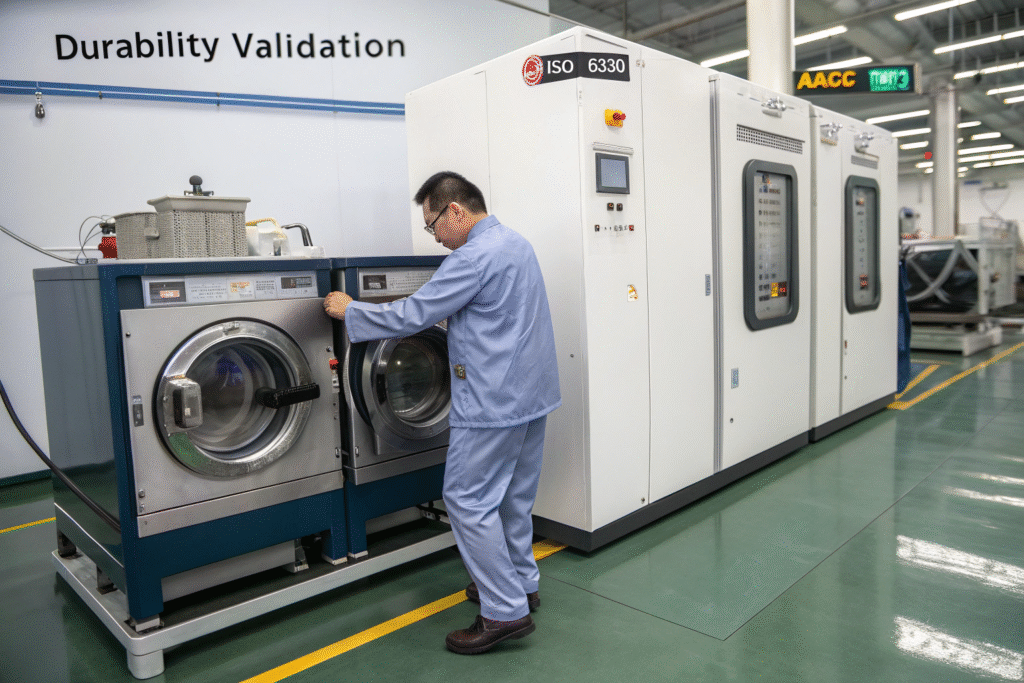
Durability validation should simulate actual use conditions including industrial laundering, environmental exposure, and mechanical stress. Our standard protocol includes 50 accelerated wash cycles following ISO 6330, thermal cycling from -30°C to +70°C, UV exposure per AATCC TM16, and mechanical flex testing. This comprehensive approach identifies potential failure modes before products reach end users.
What peel strength tests predict real-world performance?
Peel strength testing measures the force required to separate bonded materials at specific angles and rates, providing quantitative bond quality assessment. The 180° peel test per ASTM D903 provides the most relevant data for reflective tape bonds, as it simulates the peeling forces encountered during use and laundering. Minimum peel strength requirements typically range from 15-25 N/in for standard applications and 25-40 N/in for high-durability requirements.
However, peel strength alone provides incomplete performance prediction. Peel strength retention after aging and environmental exposure better indicates long-term durability. Our testing protocol measures initial peel strength, then repeats testing after thermal aging, UV exposure, and accelerated washing. Bonds maintaining 80%+ of initial peel strength through this conditioning typically perform well in actual use.
Peel testing protocol:
- Test Method: ASTM D903 180° peel test
- Sample Preparation: 1" width specimens, conditioned per standard
- Testing Speed: 12 in/min for most applications
- Minimum Strength: 15-25 N/in initial, 12-20 N/min after aging
- Retention Requirements: 80%+ strength maintenance after conditioning
- Failure Mode Analysis: Cohesive vs adhesive failure identification
How does accelerated aging validate long-term durability?
Accelerated aging tests compress years of service life into weeks or months through elevated stress conditions, identifying potential failure modes before market introduction. The most predictive protocol combines thermal cycling (-30°C to +70°C), UV exposure (300-400 hours at 0.55 W/m² @ 340 nm), and mechanical flexing (50,000 cycles) with periodic peel strength measurement. This combination addresses the primary degradation mechanisms affecting reflective tape bonds.
The correlation between accelerated aging and actual service life requires validation through real-world wear trials. Our correlation studies show that bonds maintaining 80%+ peel strength after complete accelerated aging typically survive 3+ years of industrial use with weekly laundering. This validation provides confidence in the accelerated testing results and helps establish appropriate quality standards.
Accelerated aging components:
- Thermal Cycling: -30°C to +70°C, 50 cycles minimum
- UV Exposure: 300-400 hours at 0.55 W/m² @ 340 nm
- Mechanical Flexing: 50,000 cycles simulating garment movement
- Wash Testing: 50 cycles following ISO 6330
- Chemical Exposure: Fuels, oils, cleaning chemicals as applicable
- Humidity Cycling: 95% RH at elevated temperatures
Conclusion
Securing reflective tapes to hi-vis fabrics for long-term durability requires a systematic approach addressing bonding method selection, surface preparation, application parameter control, and comprehensive quality verification. The most successful implementations recognize that bond durability depends on the entire process chain rather than any single element, requiring attention to each step from material selection through final inspection.
The optimal approach varies based on specific materials, performance requirements, and production capabilities, but consistently involves rigorous process development and validation. Investing in proper process engineering typically adds 15-25% to initial development costs but prevents costly field failures and maintains compliance through the garment’s service life. This systematic approach transforms reflective tape application from a simple manufacturing step to a engineered bonding system.
If you’re bonding reflective tapes to hi-vis fabrics and need technical guidance on achieving durable, compliant results, our manufacturing engineering team can recommend optimized processes for your specific materials and requirements. We’ve developed bonding processes for numerous safety apparel applications with proven field performance. Contact our Business Director, Elaine, at elaine@fumaoclothing.com to discuss your reflective tape bonding challenges.