
Why Is Tencel More Expensive Than Viscose in 2026?
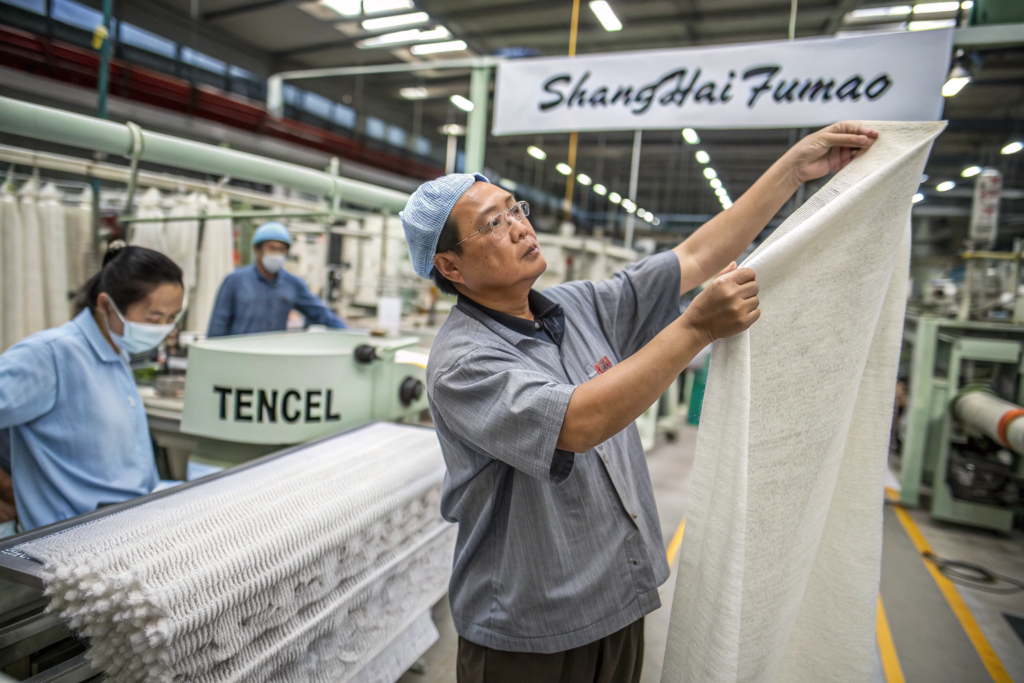
You are costing out a new capsule collection. The fabric supplier sends you two options: a standard viscose twill at $3.20 per meter and a Tencel-branded lyocell twill at $5.10 per meter. That is a 59% premium for what looks, on the surface, like the same fiber category. Both are made from wood pulp. Both […]
How to Identify Cheap Linen Blends That Wrinkle Too Much?
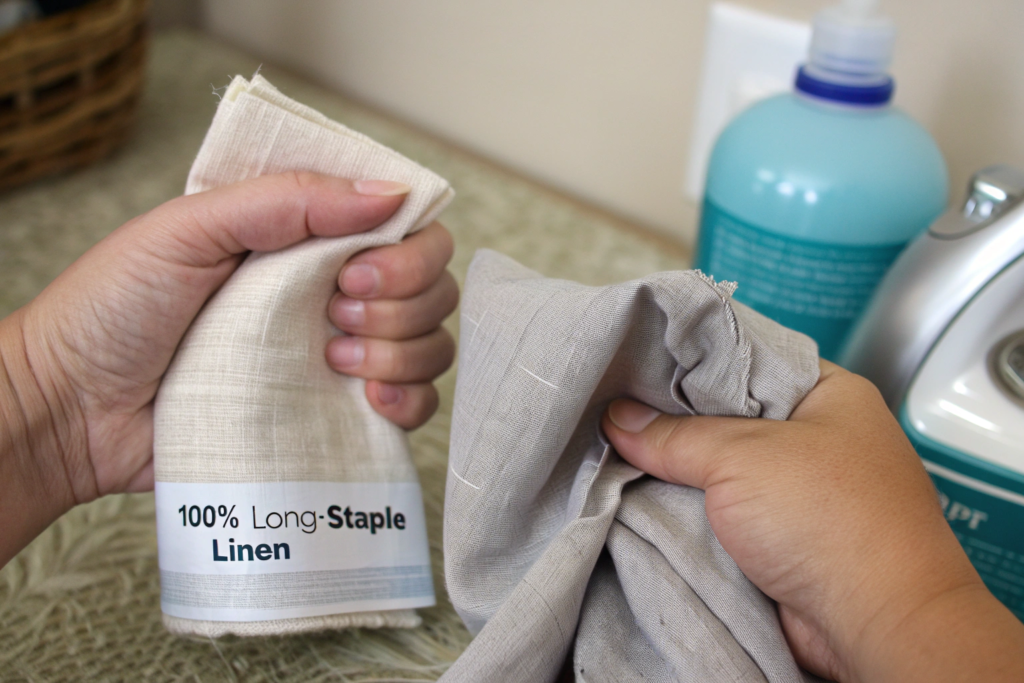
You designed the perfect summer blazer. The sample in the workroom looked incredible—textured, breathable, with that effortless, slightly rumpled elegance that linen is famous for. The bulk production arrived, you steamed a piece, hung it on a rack, and went to lunch. When you came back, the blazer looked like you had slept in it […]
What Makes French Terry “French” and Why Do Brands Love It?
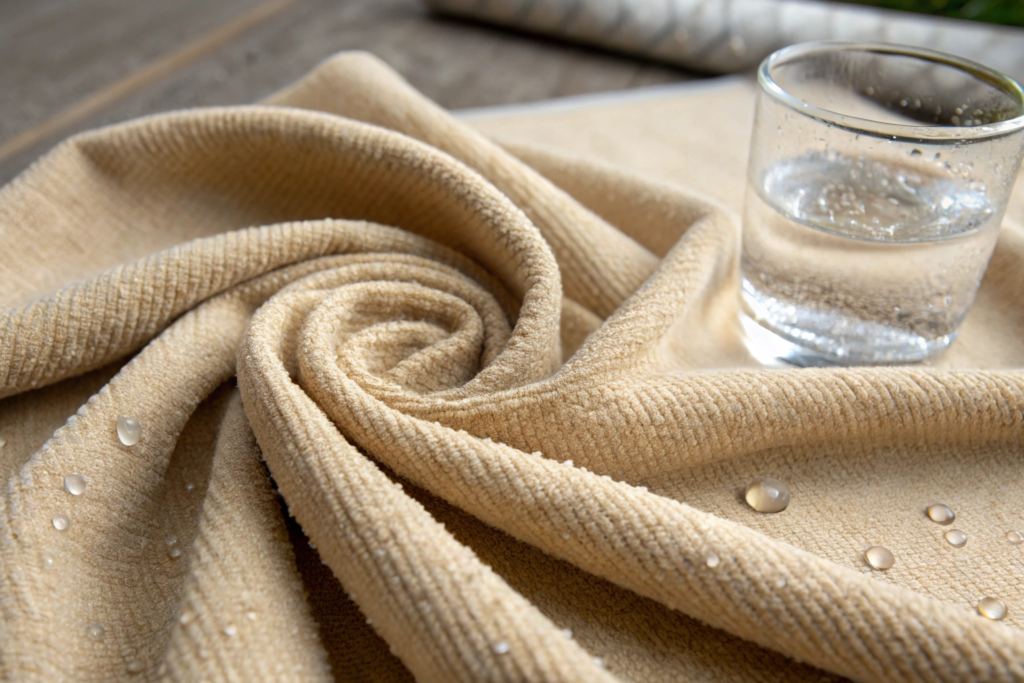
You are sourcing fabric for your new athleisure line. The designer keeps asking for "french terry" for the hoodies and joggers. You nod along, but honestly, you are not entirely sure what makes it "french" or why it costs more than the basic fleece your last supplier offered. Is it just a marketing name for […]
How to Choose Between Ring-Spun and Open-End Yarn?
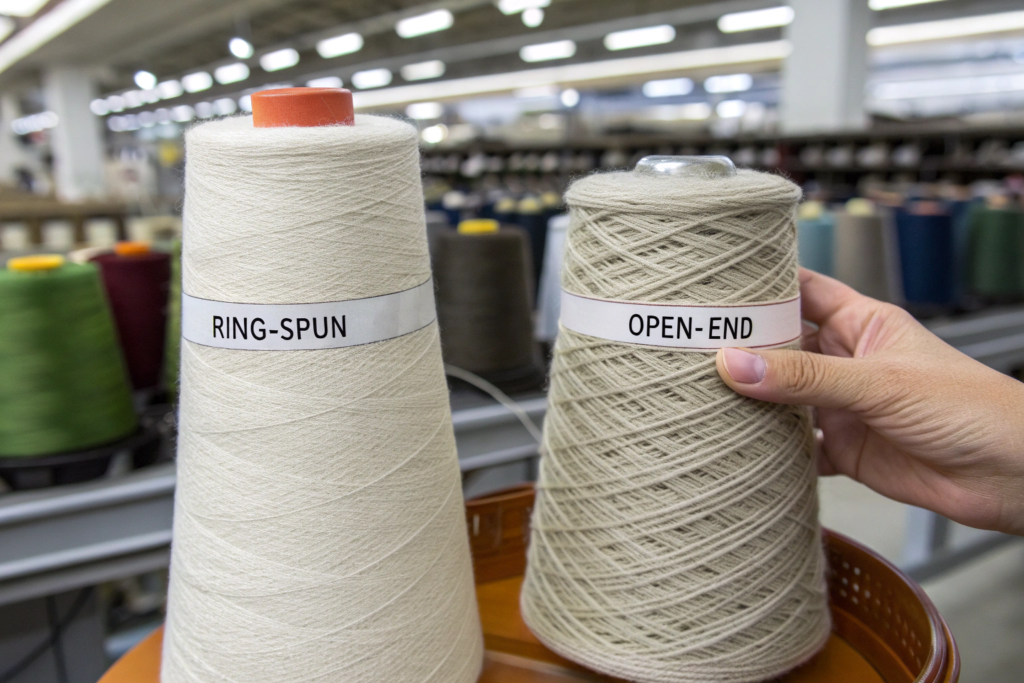
You are reviewing a fabric quotation from a new supplier. The spec says "30s cotton jersey, open-end yarn, $2.80 per meter." The alternative is "30s cotton jersey, ring-spun yarn, $3.60 per meter." That is a 28% price gap on the same fiber, the same weight, the same weave. Your margin spreadsheet screams for the cheaper […]
What Is Color Fastness Grade 4 and Is It Enough for Denim?
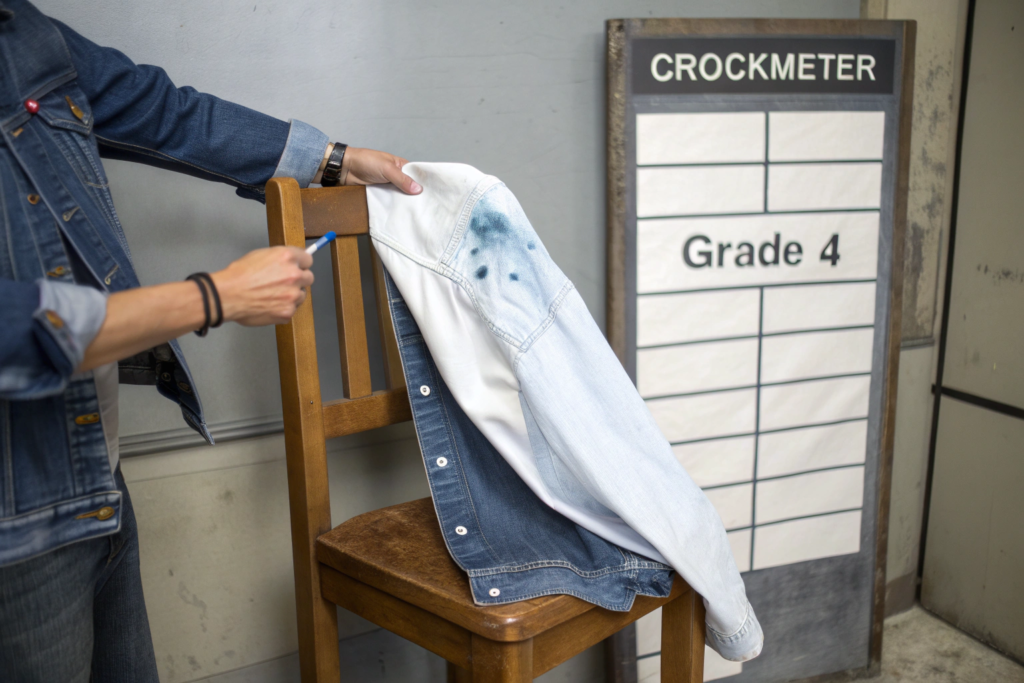
You open the test report from your denim mill. Under "Color Fastness to Crocking," it reads "Dry: Grade 4, Wet: Grade 3." You pause. Grade 4 sounds good—like a B-plus or an A-minus. You ship the bulk, cut the jeans, and sell them to a boutique that places them on a white leather couch for […]
Why Does My Navy Fabric Look Black Under Store Lights?
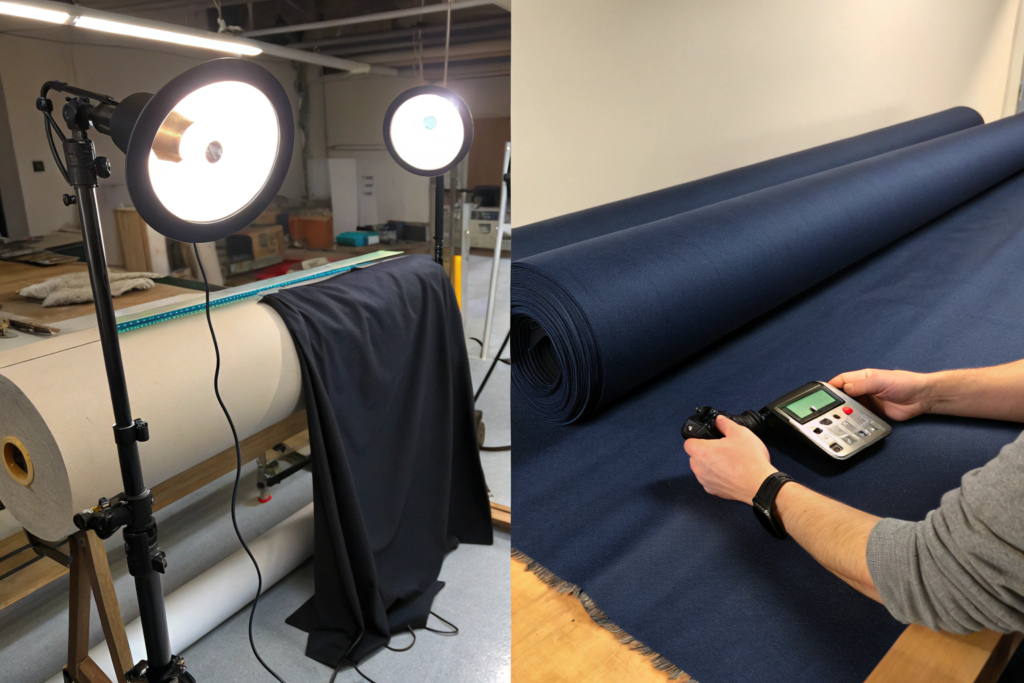
You are standing in your flagship store, the one you spent six months designing, with the perfect warm-track lighting that makes every customer look like they are glowing. You walk over to the new collection rack, and your stomach drops. Your "Midnight Navy" linen blazer looks black. Not dark blue. Black. You lean in, squint, […]
How to Read a Fabric Shrinkage Test Report Like a Pro?
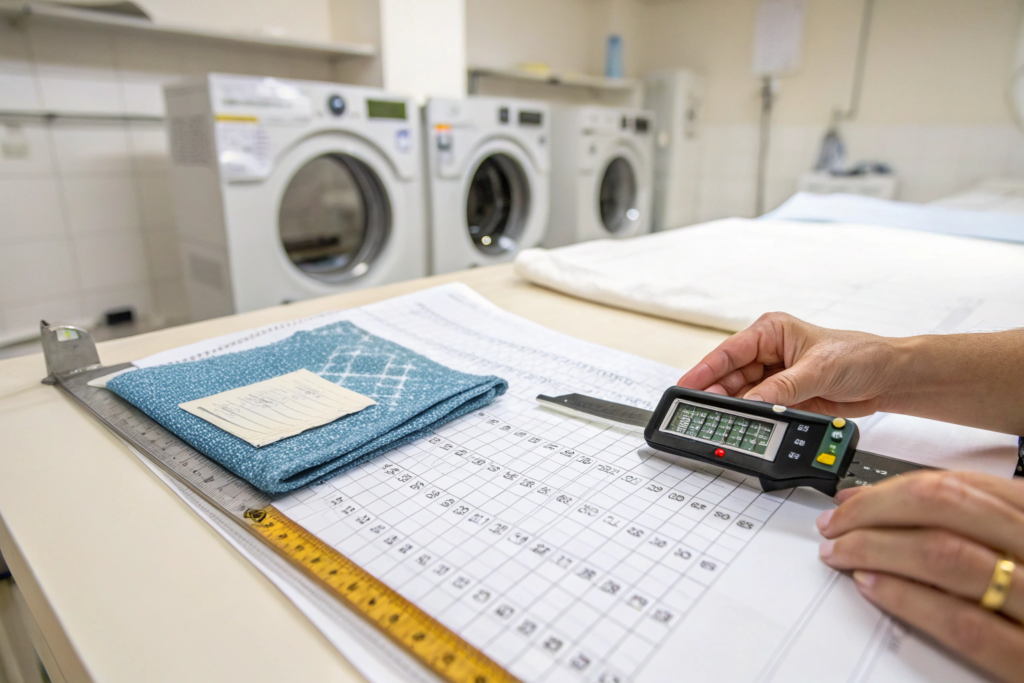
You get the PDF from your supplier. The subject line says "Shrinkage Test Report." You open it, expecting a simple "Pass" or "Fail." Instead, you see a table full of numbers: -2.3% length, -1.8% width, AATCC 135, 3 cycles, tumble dry. You are not sure if the minus sign is good or bad. You are […]
What Is the Difference Between Combed and Carded Cotton?
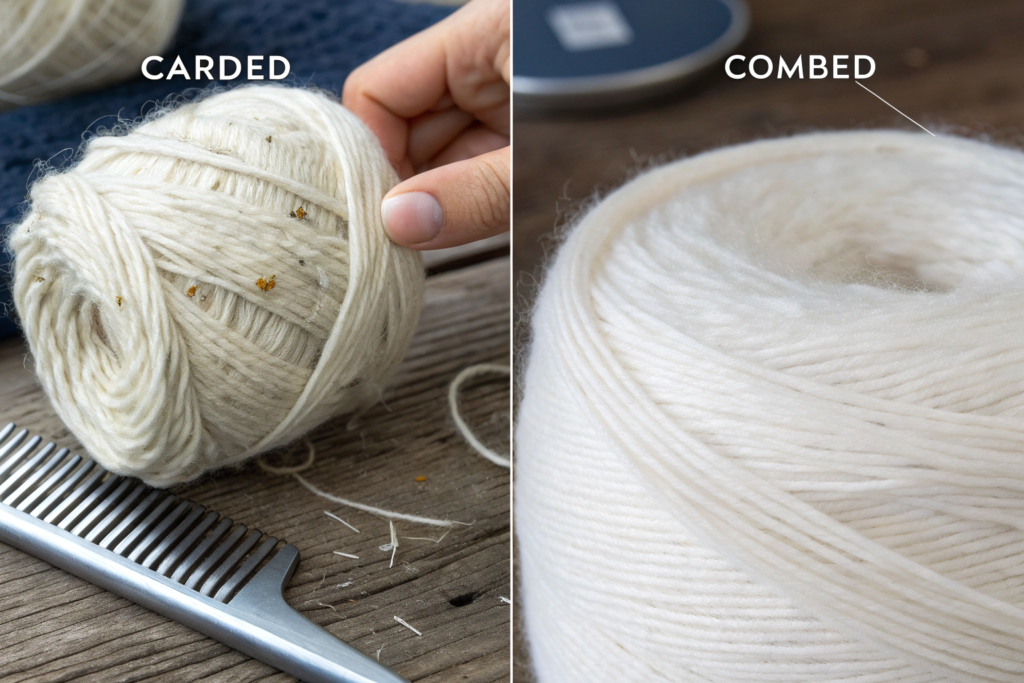
You are reading a supplier’s quotation. Under "Yarn Quality," you see two options: carded cotton at $3.80 per kilo and combed cotton at $5.20 per kilo. The price gap is 37%. You stare at the two numbers, wondering if your customer will actually feel the difference or if this is just an industry upsell. You […]
Why Does Pilling Happen Even on Expensive Knit Fabrics?
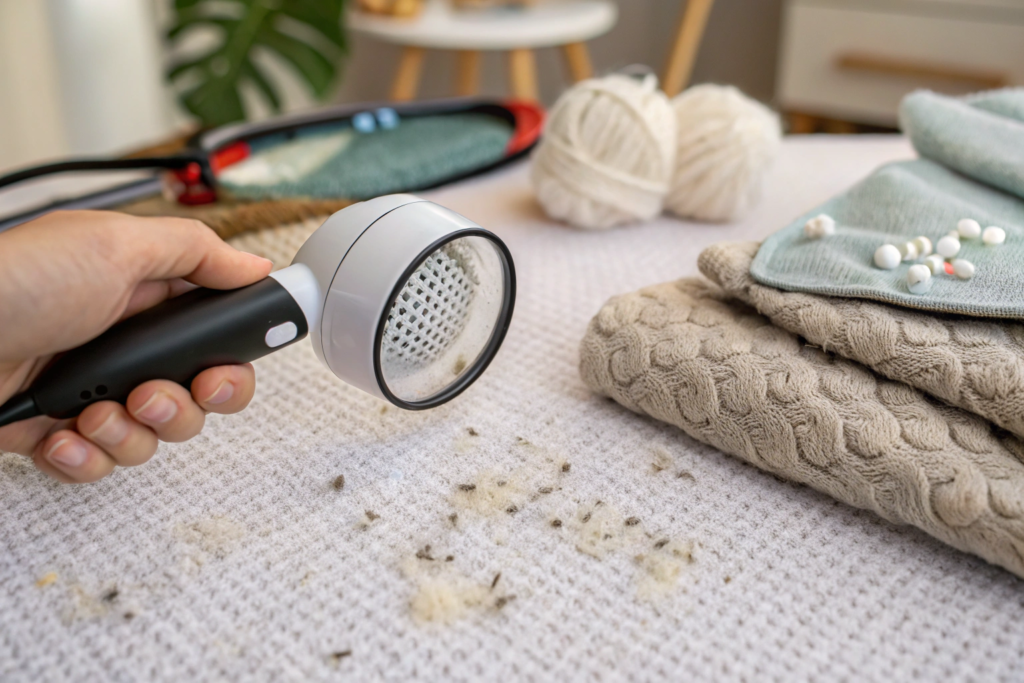
You invested in the good fabric. Not the cheap stuff from the anonymous Alibaba listing, but the premium, long-staple Supima cotton jersey from a reputable mill. You paid extra. You built the garment, marketed it as "heirloom quality," and sold it at a price that reflected that promise. Three months later, a customer emails you […]
How to Tell if Your “Organic Cotton” Is Actually Polyester?
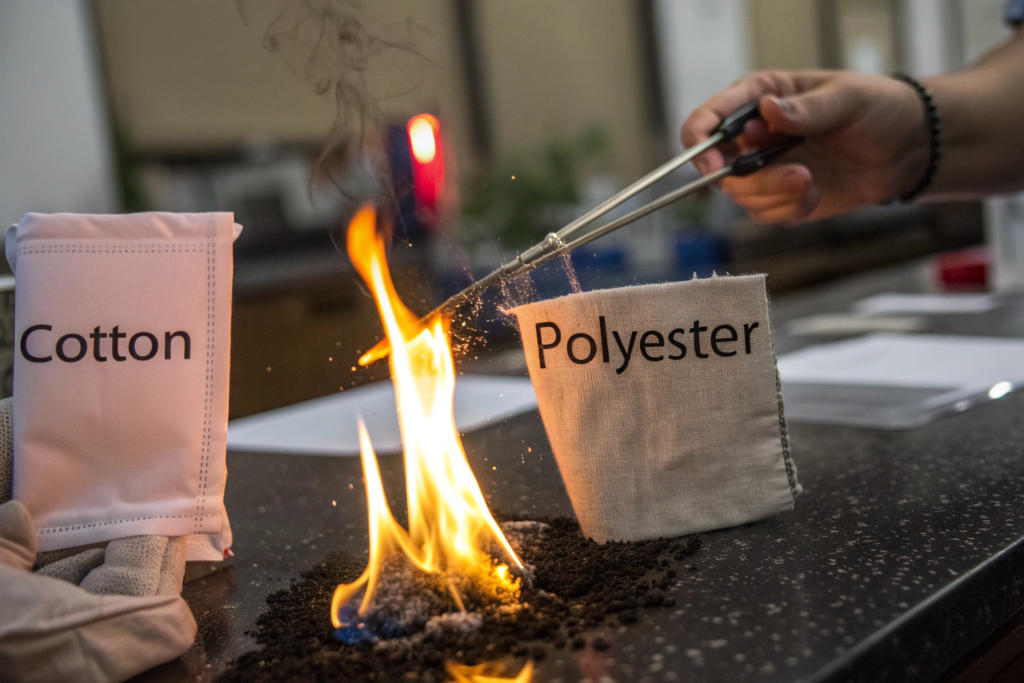
You paid a premium. You built your brand around it. Your website says "100% GOTS-Certified Organic Cotton" in bold, confident letters right above the "Add to Cart" button. Your customer trusts you. They care about what touches their skin and what touches the planet. One day, a customer with a curious mind and a lighter […]