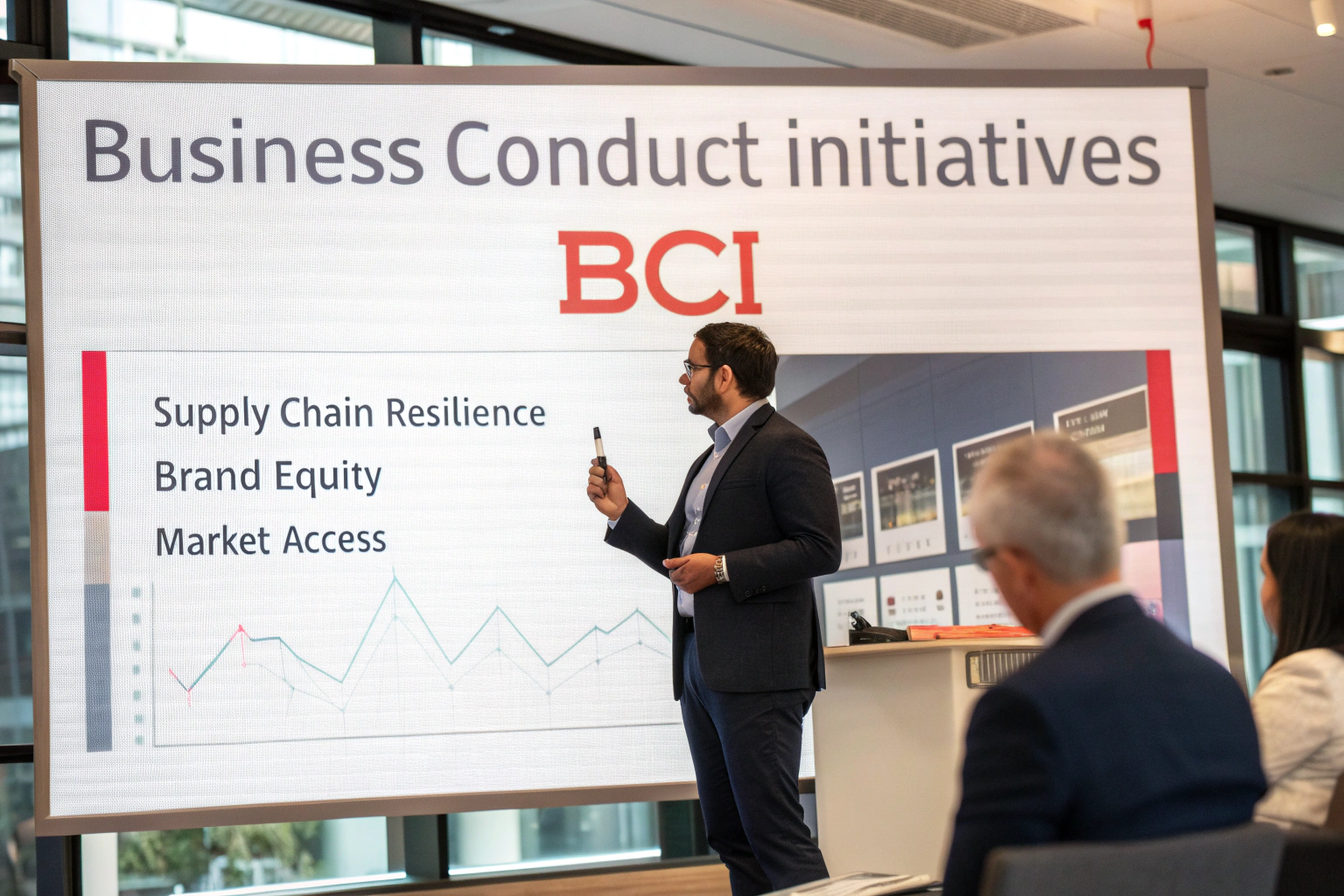
You’re not just planning for next season’s collection; you’re building a brand that you want to thrive in five, ten, twenty years. You see competitors popping up, retail landscapes shifting, and customer loyalties becoming harder to earn. In this environment, decisions can’t just be about short-term margins. You need to invest in foundations that ensure relevance, resilience, and revenue for the long haul. So, where does a certification like BCI fit into that big picture? Is it a cost today or an investment in tomorrow?
BCI matters profoundly for long-term apparel business growth because it directly addresses three existential business pillars: Supply Chain Resilience, Brand Equity, and Market Access. It’s not a charitable add-on; it’s a strategic investment in de-risking your future and securing your license to operate in an increasingly regulated and values-driven marketplace. Think of it like investing in robust IT infrastructure in the early 2000s. It wasn’t about flashy features then; it was about building the backbone needed to scale, adapt, and survive in the digital future. BCI is the sustainability and risk-management infrastructure for your supply chain.
Companies that view BCI as a mere marketing expense are missing the forest for the trees. The brands that are winning—and will continue to win—are those that understand sustainable sourcing is a non-negotiable component of modern business strategy. Let’s break down exactly how BCI builds the future-proof foundation your business needs to grow.
Pillar 1: Future-Proofing Your Supply Chain Against Disruption
The biggest threat to long-term growth isn’t always a competitor; it’s a supply chain that breaks under pressure from new regulations, climate volatility, or social scrutiny. BCI systematically mitigates these systemic risks.
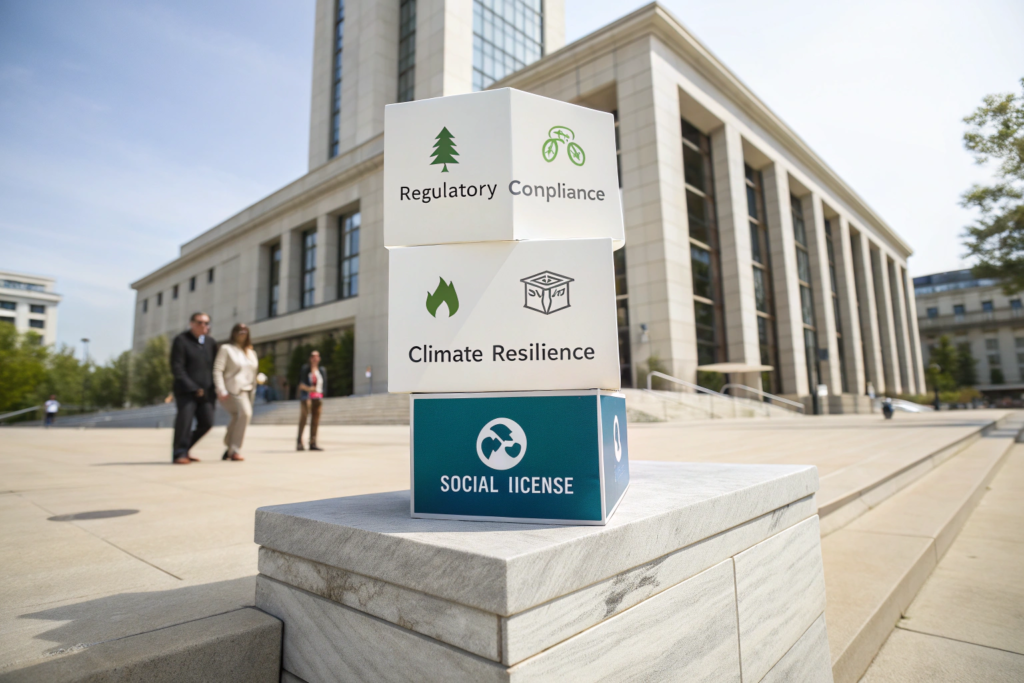
1. Regulatory Resilience: Legislation is moving fast. The EU’s Corporate Sustainability Due Diligence Directive (CSDDD) and Corporate Sustainability Reporting Directive (CSRD) are not proposals—they are laws. They require companies to map, audit, disclose, and remediate environmental and human rights impacts in their value chains. For cotton, this is a compliance minefield. BCI provides a ready-made, audited system for the agricultural stage of your supply chain. The data from BCI Transaction Certificates and impact reports becomes the evidence you need for compliance. Building this infrastructure after laws take effect is costly and chaotic. Proactive adoption through BCI is a strategic maneuver. A brand we worked with in Germany started their BCI journey in 2020; when CSRD reporting began, they were already 60% compliant on cotton-related metrics, putting them years ahead of struggling competitors.
2. Climate & Resource Volatility: Cotton is water-intensive and vulnerable to climate change. BCI’s core training for farmers focuses on water use efficiency and soil health—practices that make cotton farming more resilient to drought and extreme weather. By supporting a farming system that uses water more wisely, you are indirectly investing in the long-term stability of your raw material supply. You are aligning your business with agricultural practices that have a better chance of surviving the next decade. This is strategic supply chain hedging.
3. Social License to Operate: The court of public opinion and NGO activism can halt a brand in its tracks. "Exploitative cotton" is a reputational grenade. BCI’s principles on decent work provide a layer of verified social due diligence at the farm level. While not a guarantee against all issues, it demonstrates proactive engagement to improve conditions, which is increasingly the legal and social expectation. It protects your brand from catastrophic headlines that can erase years of growth overnight.
Pillar 2: Building Irreplaceable Brand Equity & Consumer Trust
In a saturated market, growth comes from customer loyalty and brand preference. Trust is the new currency. BCI helps you earn and compound that trust over time.
The Trust Compound Effect: Every transparent, verified claim you make is a deposit into your "trust bank." BCI, as a recognized third-party standard, is a high-value deposit. Over seasons, as you consistently communicate your use of BCI across more products, that trust compounds. Customers begin to see your brand as a leader, as authentic. This transforms them from one-time buyers into advocates. This equity allows you to command price premiums, reduce customer acquisition costs, and launch new products with built-in credibility.
Data-Backed Narrative: Unlike vague "green" claims, BCI provides you with a narrative backed by global impact data (e.g., "we support farming that uses 10% less water"). You can tell a story that is both emotive (helping farming communities) and rational (verified metrics). This dual appeal builds a deeper, more defensible connection with the conscious consumer—a demographic that is growing in size and spending power. They are not a niche; they are the mainstream of tomorrow.
Employee Attraction & Retention: Long-term growth requires great talent. The next generation of designers, marketers, and managers wants to work for companies with purpose. A clear, actionable commitment like BCI makes your brand more attractive to this talent pool, fueling innovation and dedication from within.
Pillar 3: Unlocking Future Markets & Retail Partnerships
Your growth trajectory is dictated by which retail doors open for you and which new markets you can enter. BCI is increasingly the key to those doors.
1. Becoming a "Preferred Vendor" for Major Retailers: Large retailers like H&M, IKEA, and M&S are not just BCI members; they have public targets to source 100% of their cotton more sustainably. Their sourcing teams are mandated to prioritize vendors who can help them hit these targets. When you walk in with a proven BCI-integrated supply chain and ready documentation, you move from being a commodity supplier to a strategic solution provider. You are helping them solve their problem. This secures existing business and gets you first look at new opportunities.
2. Access to Premium Channels & Consumers: The "conscious consumer" shops in specific retail edits, DTC websites, and marketplaces that curate for sustainability. To be featured in these high-margin, high-engagement spaces, you often need certifications like BCI as a baseline credential. It’s your ticket into the premium growth segments of retail.
3. Geographic Market Expansion: As regulations like the EU’s CSRD create a de facto sustainability standard for the region, having BCI in place becomes a market entry requirement, not a differentiator. Building this capability now prepares you for seamless expansion into these lucrative, regulated markets later. The cost of retrofitting your entire supply chain to enter Europe in 2027 will be astronomical compared to evolving with BCI today.

The Financial Model: Cost Today vs. Cost of Inaction Tomorrow
This is the crucial long-term calculation. View the BCI premium not as an expense, but as an investment with a quantifiable ROI in risk mitigation and opportunity capture.
- Cost of BCI: A small percentage on material cost (2-8%).
- Cost of Inaction (Potential Future Costs):
- Cost of a failed social/environmental audit with a major retailer.
- Cost of legal fees and penalties for non-compliance with new regulations.
- Cost of a PR crisis management campaign.
- Cost of lost sales from being de-listed by a key retailer.
- Opportunity cost of missing out on a strategic partnership.
The math becomes clear: the investment in BCI is a known, manageable cost that insures against vast, unknown future liabilities and unlocks new revenue streams.
Implementing for Long-Term Growth: A Phased Roadmap
You don’t have to do it all at once. A smart, long-term growth strategy is phased.
Year 1-2: Foundation & De-Risking.
- Integrate BCI into 20-30% of your cotton volume, focusing on core basics.
- Build internal expertise and supplier documentation processes.
- Start telling the story to your closest customers.
Year 3-5: Scaling & Integration.
- Scale BCI to 70%+ of cotton volume.
- Begin integrating BCI into blended fabrics.
- Use BCI data in your annual reporting and marketing.
- Leverage it in pitches to larger retail partners.
Year 5+: Leadership & Innovation.
- Achieve 100% of cotton via BCI or equivalent.
- Use your mature BCI framework as a springboard for other innovations (e.g., regenerative agriculture pilots, circularity programs).
- Position your brand as an industry leader, attracting top talent and investment.
Conclusion
BCI matters for long-term apparel business growth because the future belongs to brands that are agile, authentic, and accountable. It is a pragmatic tool that builds all three attributes into your operational DNA. It’s about moving from a reactive stance ("We need to respond to this new law/trend") to a proactive posture ("Our supply chain is already aligned with the future of responsible business").
In the race for long-term relevance, BCI isn’t extra weight; it’s the upgraded engine and navigation system. It allows you to navigate the coming complexities of regulation, climate, and consumer demand with confidence, turning potential threats into secured opportunities. The question is no longer "Can we afford to do BCI?" but "Can we afford not to, if we want to be here in ten years?"
Ready to build the resilient, future-proof foundation your brand needs for decades of growth? At Shanghai Fumao, we partner with forward-thinking brands to implement BCI not as a seasonal project, but as a core growth strategy. We provide the materials, the data, and the strategic insight to turn this investment into your competitive advantage. Contact our Business Director, Elaine, at elaine@fumaoclothing.com to start planning your long-term roadmap today.