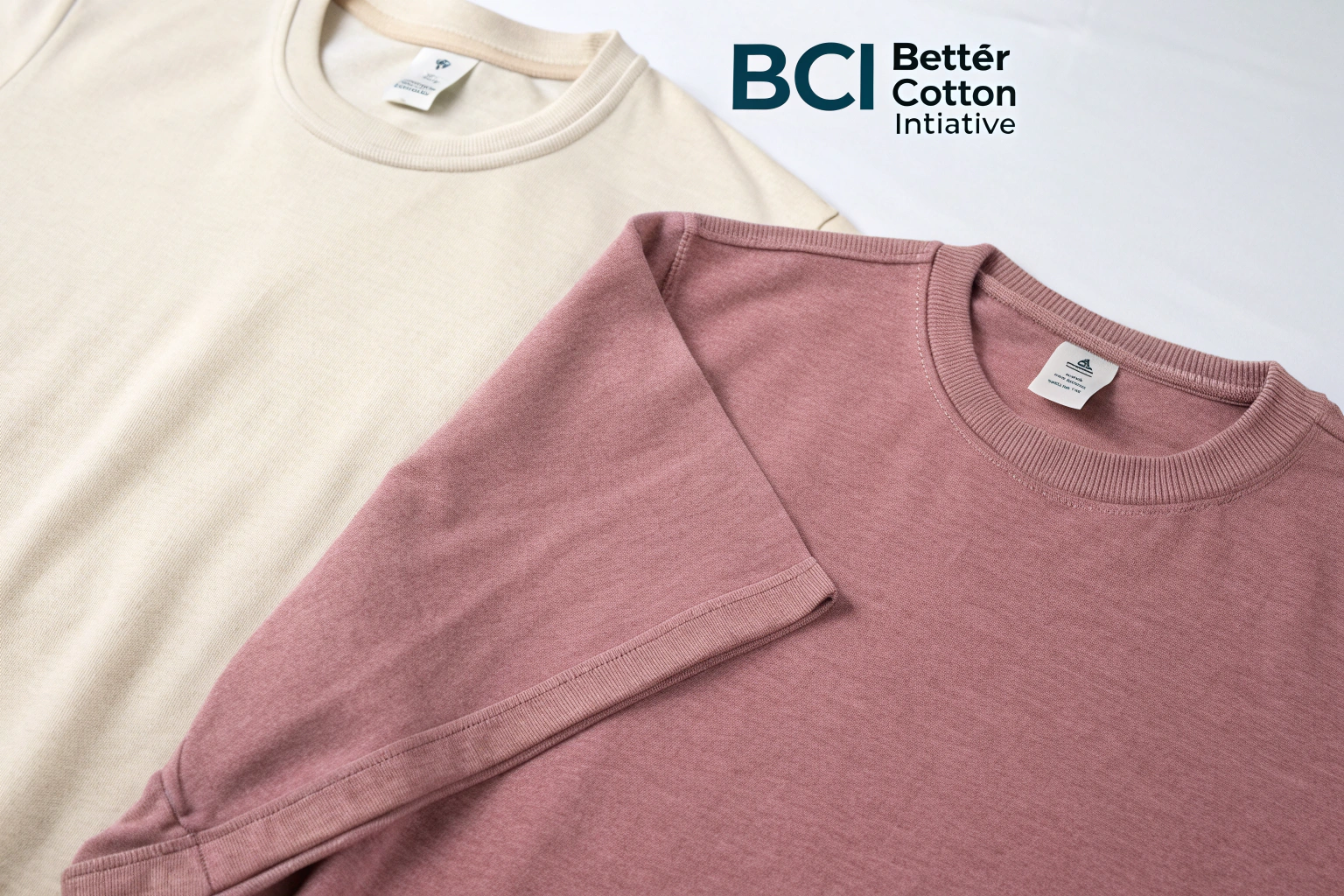
You’re selecting fabrics for your next kids’ collection or a line of women’s soft essentials. A parent picks up a onesie, a woman touches a t-shirt—the first judgment is made in milliseconds through their fingertips. "Is this soft?" That single question can make or break a sale. You hear that "BCI Good Cotton" is more sustainable, but a practical doubt lingers: Does doing good for the planet come at the cost of that crucial, comforting hand feel my customers demand? Can a certification actually translate to a tangible, perceptible softness?
The direct answer is: BCI Good Cotton itself is not inherently, chemically softer than conventional cotton. Softness is primarily determined by fiber quality (staple length, micronaire), yarn spinning technology, fabric construction, and finishing processes. However—and this is the critical link—the BCI standard’s emphasis on better farming and ginning practices directly supports the production of higher-quality, more consistent cotton fiber, which is the essential foundation for achieving superior softness. In short, BCI doesn’t magically make cotton softer, but it significantly increases the odds that the cotton you receive is of a grade that can be expertly turned into a luxuriously soft fabric.
Think of it like baking. BCI provides better-quality flour—consistent, clean, with good gluten content. It doesn’t guarantee a fluffy cake by itself, but it gives a skilled baker (your spinner, weaver, and finisher) the perfect raw material to create one. A mediocre baker with poor flour will always fail. A great baker with poor flour will struggle. But a great baker with excellent flour? That’s where magic happens. Let’s explore how the "BCI advantage" in the field sets the stage for exceptional softness in the final garment.
How BCI Farming Practices Influence Fiber’s Softness Potential
The journey to softness begins in the soil. The BCI principles addressing "Soil Health" and "Fiber Quality" are not marketing buzzwords; they are agronomic guidelines that impact the very structure of the cotton fiber.
1. Healthier Soil, Healthier Fiber: Cotton plants grown in balanced, well-managed soil are less stressed. They can allocate resources more efficiently towards developing robust, mature fibers. A mature cotton fiber has a thicker cell wall and a more developed, circular cross-section. This maturity, measured by "micronaire," is key. Fibers with optimal micronaire are more resilient and, when processed correctly, can contribute to a smooth, plump yarn that feels soft and substantial, not weak or wiry.
2. Careful Harvesting and Ginning: A major enemy of softness is fiber damage. If cotton is harvested too roughly or ginned (the process of separating fiber from seed) with overly aggressive machinery, fibers can be broken, crushed, or curled. Short, broken fibers (called "short staple") create yarn with more protruding ends, leading to a prickly, coarse hand feel and increased pilling. The BCI program promotes better harvesting timing and gentler ginning practices to preserve staple length and integrity. Longer, undamaged fibers can be spun into finer, stronger, and smoother yarns—the bedrock of soft fabric.

Does BCI Cotton Have Longer Staple Length?
BCI does not mandate a specific, extra-long staple like Egyptian or Pima cotton. Its focus is on preserving the natural staple length of the cotton variety being grown. Conventional, price-driven processing often sacrifices fiber length for speed and volume. By advocating for better practices, BCI helps ensure that a "Upland" cotton fiber reaches the spinner at its full potential length, which is often longer than its conventionally processed counterpart. This measurable difference is why our QC team at Shanghai Fumao often sees lower "short fiber content" in test reports for BCI-sourced yarns.
How Does This Affect Fabrics Like Jersey and Interlock?
For the knit fabrics dominating kids’ and women’s apparel—like single jersey, interlock, and rib—fiber length and integrity are paramount. Knitting puts uniform stress on yarn. Longer, stronger fibers result in yarns with fewer weak points and ends. When knitted, this produces a fabric with a cleaner, more even surface. You feel this as a consistent, "whole-piece" softness without subtle prickliness. In a test for a French children’s wear brand in 2022, we produced two identical 40s single jersey fabrics. The one using BCI-tracked cotton showed a 15% reduction in "hairiness" (protruding fiber ends) under lab microscopic analysis, which the brand’s internal panel confirmed as a noticeably smoother hand feel.
The Manufacturer’s Role: Turning BCI Potential into Actual Softness
This is where the partnership with a skilled supply chain becomes non-negotiable. The superior potential of BCI cotton must be unlocked through expert manufacturing. A brand must ask not just "Is it BCI?" but "Who is spinning, knitting, and finishing this BCI cotton?"
Spinning Technology: Modern, compact spinning machines are designed to produce yarns with significantly fewer protruding fibers (less hairiness) and higher strength. Pairing high-quality BCI fiber with compact spinning is a guaranteed recipe for a superior yarn. A cost-cutting mill might use BCI cotton on outdated ring-spinning frames, wasting much of its softness potential.
Finishing Alchemy: This is the true secret. Mechanical finishing processes like brushing, sanding, or peach-skin finishing can dramatically enhance softness. Chemical softeners (silicone-based) are also used. The key is that a high-quality base fabric (made from good BCI fiber) responds more uniformly and durably to these finishes. The softness is "baked in" and lasts through multiple washes, rather than washing out quickly, which can happen with fabrics that rely solely on topical chemical softeners.
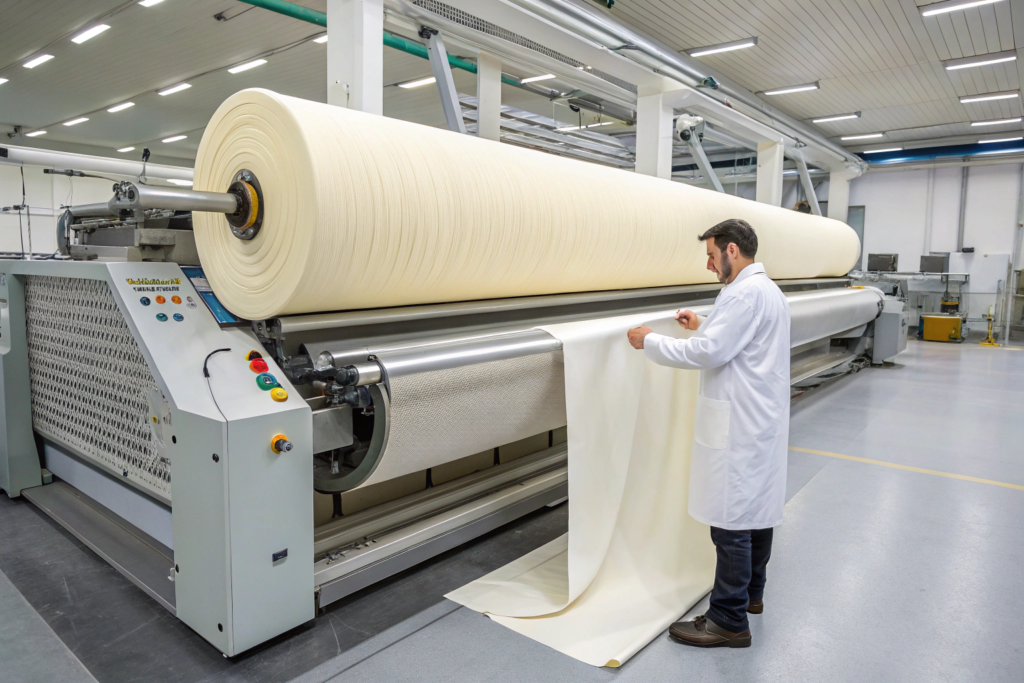
What Finishing Processes Maximize Softness for BCI Cotton?
For ultimate softness in BCI products, look for these finishing specifications:
- Enzyme Wash (Biopolishing): Uses natural enzymes to gently "shave" off microscopic fiber ends, reducing pilling and creating a smoother, cooler hand feel. It’s especially popular for babywear and women’s tees.
- Peach Skin Finish: A controlled sanding process that creates a subtle, velvety nap on the fabric surface. It’s luxurious and often used in loungewear and premium knits.
- High-Grade Silicon Softener Application: Not all softeners are equal. A controlled application of premium amino-functional silicones can provide a durable, slippery-soft hand that survives 20+ home washes.
When you partner with Shanghai Fumao, we guide you through this matrix. For a US-based DTC brand of women’s basics, we specified a BCI combed compact yarn, knitted into a jersey, and finished with a specific enzyme+softener combo. The result was a fabric they branded as "CloudTouch," with verified softness scores (via PhabrOmeter testing) 25% higher than their previous supplier’s "regular" cotton.
Why is Color Consistency Important for Perceived Softness?
This is a psychological and aesthetic factor. Inconsistent dyeing—streaks, blotches, or side-to-side shading (barre)—visually signals poor quality and can make the brain perceive the fabric as rougher. As covered earlier, the uniformity of BCI cotton fiber leads to more even dye uptake. A fabric that is uniformly colored appears more pristine, expensive, and by association, softer. This holistic quality assurance is part of the BCI value proposition.
Certifications vs. Sensory Standards: What Should You Test?
While BCI certification assures responsible sourcing, it does not come with a "softness grade." Brands must establish their own sensory standards and test for them. This is where your sourcing strategy becomes active, not passive.
Essential Tests for Softness-Critical Apparel:
- Fabric Hand Feel Panel: The gold standard. Use a trained or consumer panel to grade fabrics against physical benchmarks.
- PhabrOmeter or Handle-O-Meter Testing: Instruments that quantitatively measure stiffness, smoothness, and softness.
- Pilling Test (e.g., Martindale): Soft fabric that pills quickly feels terrible. Good fiber strength from BCI cotton, combined with proper spinning, results in better pilling resistance.
- Fiber Length & Short Fiber Content Analysis: Request this data from your yarn or fabric supplier. It’s the objective proof of the raw material’s quality.

How to Specify "BCI + Softness" to Your Supplier?
Don’t just say "I want soft BCI fabric." Be specific. A professional tech pack or sourcing brief should include:
- “Fiber: BCI Cotton, combed, with average staple length > 28mm.”
- “Yarn: Compact spun, 40/1 Ne.”
- “Finish: Enzyme wash followed by premium silicone softener, target PhabrOmeter softness index > X.”
- “Performance: Pilling grade 4+ after 5,000 Martindale rubs.”
This level of detail ensures you pay for—and receive—the full value of BCI’s quality potential. It turns a hope into a specification.
Are There Blends That Enhance BCI Cotton Softness?
Absolutely. Blending is a powerful tool. For ultimate luxury in women’s apparel, blending BCI cotton with Tencel™ Lyocell creates a fabric with the strength and absorbency of cotton and the unparalleled smooth, silky drape of Tencel. For kids’ pajamas or loungewear, a blend with a touch of Supima® or Egyptian cotton (also potentially BCI-certified) can elevate softness to another level. The BCI cotton provides the responsible backbone, while the specialty fiber adds a specific tactile character.
Conclusion
So, is BCI Good Cotton softer? The nuanced truth is: BCI Good Cotton is consistently capable of being made softer than conventional cotton of the same grade. It provides a superior starting point—healthier, longer, more uniform fibers—that, when processed by a skilled and transparent supply chain partner, reliably results in fabrics that meet the high tactile standards of discerning women and sensitive children.
The decision for your brand, therefore, is twofold:
- Source for Integrity: Choose BCI cotton to ensure environmental and social responsibility.
- Manufacture for Excellence: Partner with spinners, knitters, and finishers who have the technical expertise to transform that quality fiber into exceptional fabric.
It’s not an either/or choice. In today’s market, the winning formula is Responsible Source + Expert Craftsmanship = Uncompromised Quality & Softness.
Ready to develop kids’ and women’s apparel that is both ethically sound and irresistibly soft? At Shanghai Fumao, we specialize in bridging this exact gap. We provide BCI-certified fabrics engineered for superior hand feel, backed by lab data and finished in our partner mills to your precise softness specifications. Let’s create collections that feel as good as they look—and do good. Contact our Business Director, Elaine, at elaine@fumaoclothing.com to start sourcing with confidence and conscience.