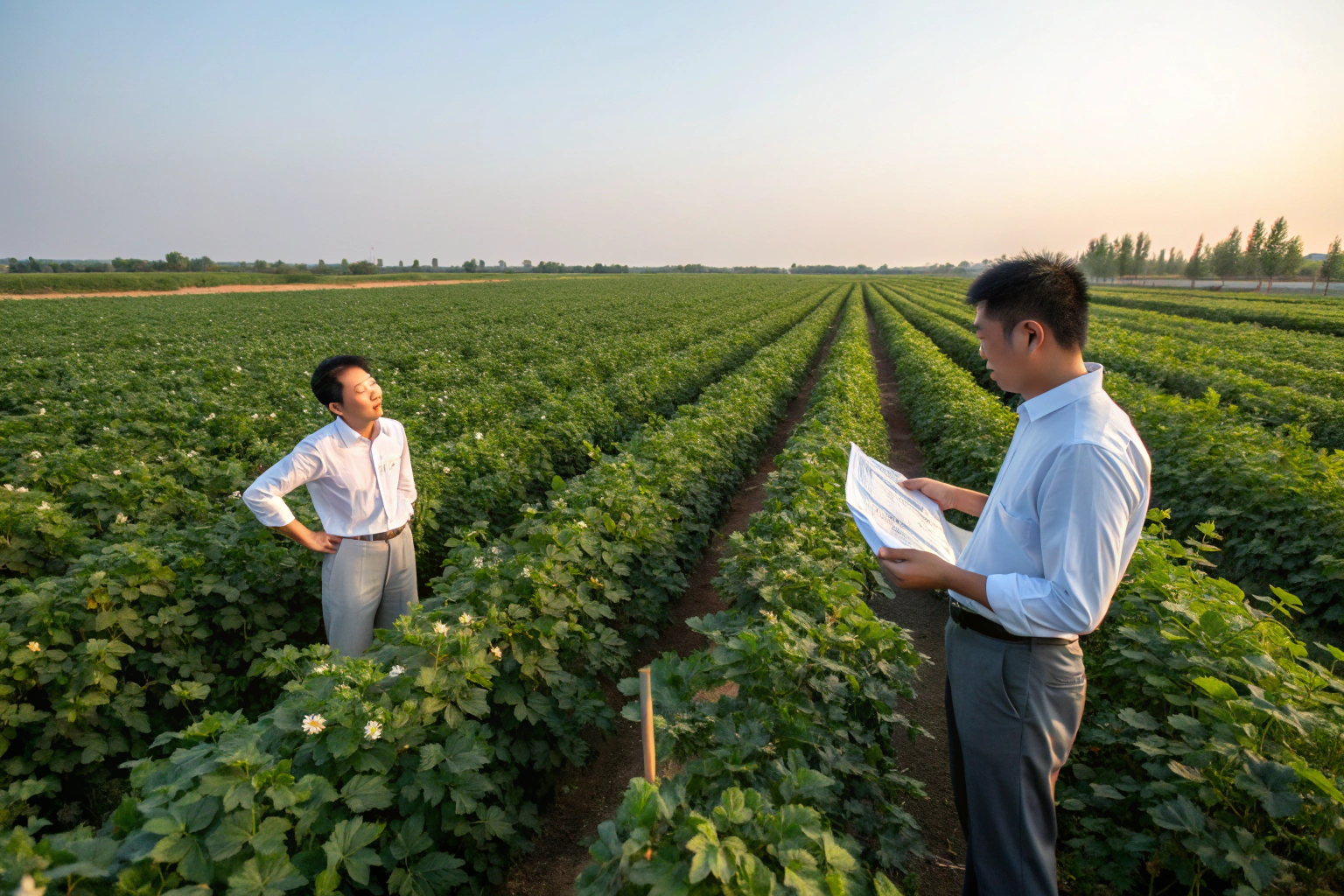
If you are a wholesale buyer sourcing thousands of units, your decisions ripple through supply chains and retail shelves. Price and delivery time are always top of mind. But today, there’s a third, non-negotiable factor: the story behind your product. Customers are asking hard questions. They want to know if their clothes are made responsibly.
For wholesale clothing buyers, sourcing Better Cotton Initiative (BCI) certified cotton is a critical business decision that manages risk, future-proofs supply, and directly responds to growing market demand for responsible products. It is no longer just an ethical choice; it is a strategic one that protects your business from the volatility of conventional cotton markets and aligns your inventory with the values of modern consumers and retailers.
Many buyers see BCI as a marketing add-on with a cost premium. The reality is different. BCI is about improving the way cotton is grown globally—making it better for the environment, farming communities, and the long-term health of the cotton sector itself. When you buy BCI cotton goods, you are investing in a more stable and sustainable pipeline. Last season, a wholesale distributor for mid-tier U.S. brands faced repeated order cancellations from two major retailers because their basic tees lacked any sustainability credentials. They came to us at Shanghai Fumao to transition their best-selling 180GSM tee to BCI cotton. Within six months, not only did they regain those accounts, but they also secured a new partnership with an eco-focused online marketplace, increasing their overall order volume by 15% without lowering their price point.
Let’s break down the tangible business reasons why BCI cotton should be a key criterion in your sourcing checklist.
How Does BCI Cotton Mitigate Supply Chain and Reputational Risk?
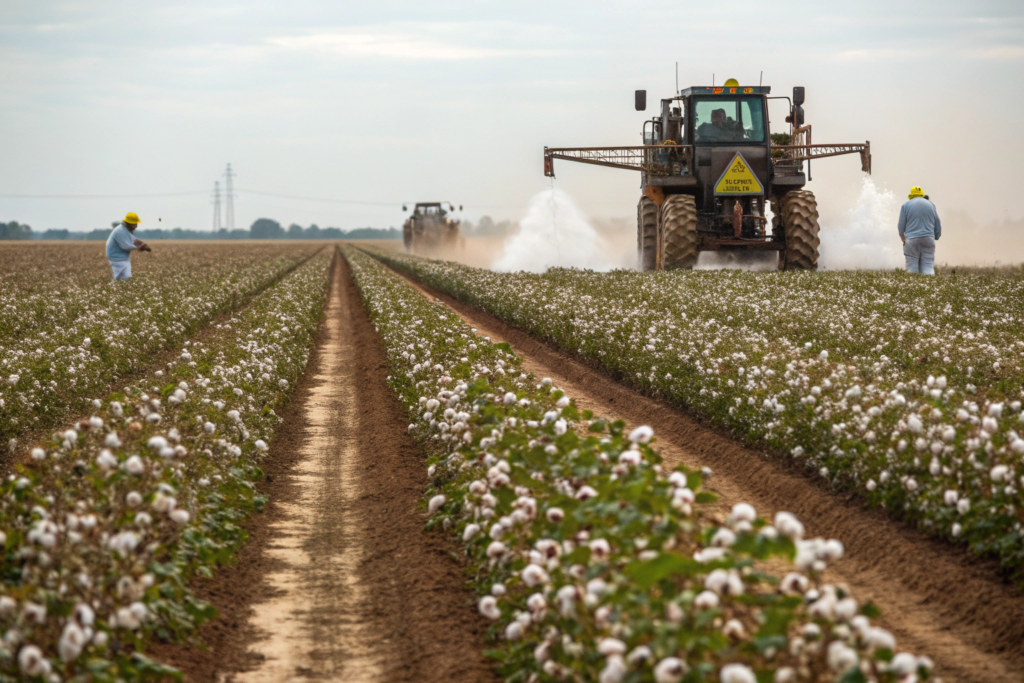
The conventional cotton industry faces significant environmental and social challenges, including high water use, pesticide dependency, and poor labor conditions. These issues pose direct risks to your business.
BCI certification acts as a risk mitigation tool. It ensures the cotton in your garments is sourced through a system that promotes better farming practices. This reduces the likelihood of your brand being associated with environmental scandals or labor disputes deep in your supply chain—a connection that is increasingly easy for NGOs and journalists to trace. For wholesale buyers, this means sleeping easier. You have a verifiable trail (through Transaction Certificates) that links your purchase back to BCI farms. In 2023, a major news outlet ran an investigation into water pollution linked to cotton farming in a specific region. Several brands using uncertified cotton from that area faced severe backlash. Our client, a wholesaler of casual shirts, was unaffected because we at Shanghai Fumao had provided full BCI documentation for their entire spring line, allowing them to confidently communicate their sourcing practices to their retail partners.
What Are the Risks of "Conventional" Cotton?
Sourcing non-certified cotton exposes you to:
- Volatile Input Costs: Conventional cotton farming is resource-intensive. Droughts or pesticide bans in key regions can cause sudden price spikes.
- Retailer Rejection: More and more retailers, from big-box stores to boutique chains, are setting mandatory sustainable sourcing targets for their suppliers.
- Consumer Backlash: A single social media campaign linking a fast-fashion brand to cotton farm exploitation can tank sales. Your wholesale business supplies those brands.
How Does BCI Provide a "License to Sell"?
Think of BCI as a passport for your goods. It is one of the most recognized and scalable sustainability standards in the world. Having it simplifies conversations with procurement officers at retail chains who need to check boxes on their corporate responsibility scorecards. It gives your products a fundamental qualification to enter certain markets.
Does BCI Cotton Offer Long-Term Cost Stability?
While the price per pound of BCI cotton may sometimes be slightly higher, the total cost of ownership often tells a different story. BCI focuses on efficiency and farmer profitability, which contributes to market stability.
BCI training helps farmers grow "more cotton with less" – less water, less pesticide, and less synthetic fertilizer. This improves farm resilience against climate shocks and input cost fluctuations. Over time, a more resilient and profitable farming community means a more stable raw material supply with fewer extreme price volatilities. For a wholesale buyer planning large orders months in advance, this predictability is invaluable. A client ordering 50,000 units of chino pants quarterly switched to BCI cotton with us two years ago. They have reported a 5% reduction in year-on-year price volatility for their fabric costs compared to their previous conventional source, allowing for more accurate financial forecasting and fewer stressful price renegotiations.

How Do Farming Practices Impact Your Bottom Line?
The BCI model promotes:
- Water Stewardship: Efficient water use reduces strain on local resources, mitigating the risk of regional cotton shortages.
- Soil Health: Healthier soil produces better yields over time, supporting consistent supply.
- Reduced Chemical Use: This lowers production costs for farmers and reduces environmental cleanup liabilities that can later translate into industry-wide fees or regulations.
Is the Price Premium Justifiable?
For many wholesale buyers, the question isn’t just about fabric cost per meter. It’s about the cost of not having BCI. The premium, often marginal at the bulk level, buys you risk reduction, market access, and a story that can protect and increase your margin downstream. It’s an investment in sales enablement.
How Can You Leverage BCI Cotton in Sales and Marketing?
BCI cotton is not just a raw material; it’s a sales tool. For wholesalers selling to brands and retailers, it provides a compelling product differentiation point in a crowded market.
You can position your BCI cotton lines as "responsibly sourced basics" or "sustainable staples." This allows your retail clients to attract eco-conscious consumers without having to invest in a niche, expensive organic line. Provide your sales team with simple, clear messaging and the official BCI logo usage guidelines. We helped a wholesale supplier of jersey fabrics create a "BCI Cotton Portfolio" – a dedicated catalog section with explainer videos and sample hangtags. Their sales reps used this to win a contract with a university bookstore system that had a new mandate for 30% sustainable apparel, directly increasing their order value by over $200,000 annually.
What Marketing Support Should You Expect from Your Manufacturer?
A good manufacturing partner like Shanghai Fumao should provide:
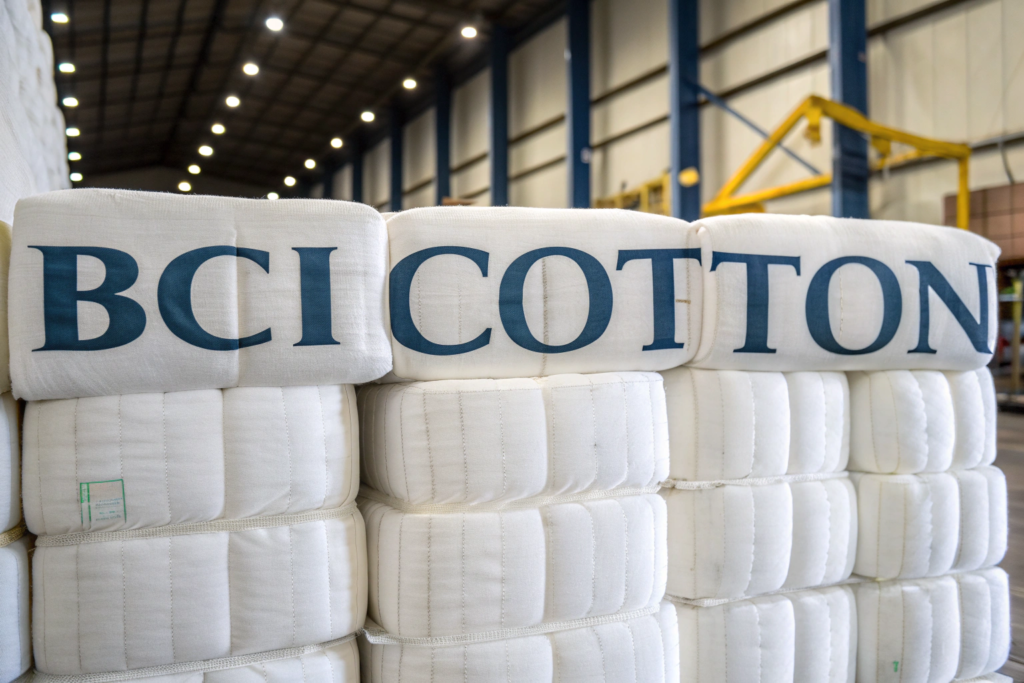
- Transaction Certificates (TCs): The crucial document proving the chain of custody from BCI farm to your finished goods.
- Marketing Assets: High-resolution BCI logos and guidelines for correct usage.
- Transparency: Willingness to explain the BCI journey to your end clients.
How Does it Enhance Your Brand’s E-E-A-T?
Using a recognized standard like BCI boosts your brand’s Authoritativeness and Trustworthiness in the eyes of both Google and your business customers. Featuring BCI content on your website (blog posts, explainers) demonstrates expertise and builds a reputable backlink profile when others reference your commitment.
What Are the Practical Steps to Start Sourcing BCI Cotton?
Transitioning to BCI cotton is a process, but with the right factory partner, it can be seamless. The key is to start the conversation early and be clear about your requirements.
Begin by specifying BCI cotton as a requirement in your RFQs (Request for Quotations). Ask potential suppliers for proof of their BCI membership and their track record of producing BCI goods. A reliable manufacturer will have a system in place to segregate and track BCI cotton through production, ensuring the integrity of the certification. When a sportswear wholesaler approached us to develop a line of BCI cotton polo shirts, we guided them through the entire process: from selecting the right yarn count and fabric weight to arranging a third-party verification audit of our supply chain. This hands-on partnership resulted in a product that was not only BCI-certified but also performed excellently in wash and colorfastness tests, exceeding their quality expectations.
What Questions Should You Ask Your Supplier?
- "Are you a BCI member? What is your member ID?"
- "Can you provide a sample Transaction Certificate for a previous order?"
- "What percentage of your cotton sourcing is BCI? How do you ensure traceability?"
- "What are the lead time and cost implications compared to conventional cotton?"
Can You Mix BCI and Conventional Cotton?
For a product to be labeled as containing BCI cotton, it must be made under a Mass Balance chain of custody model. This means BCI cotton is mixed with conventional cotton during processing, but the amount of BCI cotton entering the supply chain equals the amount sold as BCI. This practical system makes BCI scalable and accessible for large wholesale orders without needing completely separate production lines.
Conclusion
For the modern wholesale clothing buyer, BCI cotton represents a fundamental shift from viewing sustainability as a cost center to recognizing it as a core component of business resilience and growth. It systematically addresses the environmental, social, and economic vulnerabilities of the cotton industry, directly translating into reduced risk, more stable costs, and stronger market appeal for your products.
Ignoring this shift is a gamble with your supply chain and your customer relationships. Embracing BCI is a proactive step toward future-proofing your inventory and aligning your business with the undeniable trajectory of the global market.
Ready to make responsible sourcing a competitive advantage for your wholesale business? Partner with Shanghai Fumao, a manufacturer committed to integrating standards like BCI into scalable production. Let us help you build a stronger, more sustainable, and more profitable product line. Contact our Business Director, Elaine, to discuss your BCI cotton needs: elaine@fumaoclothing.com.