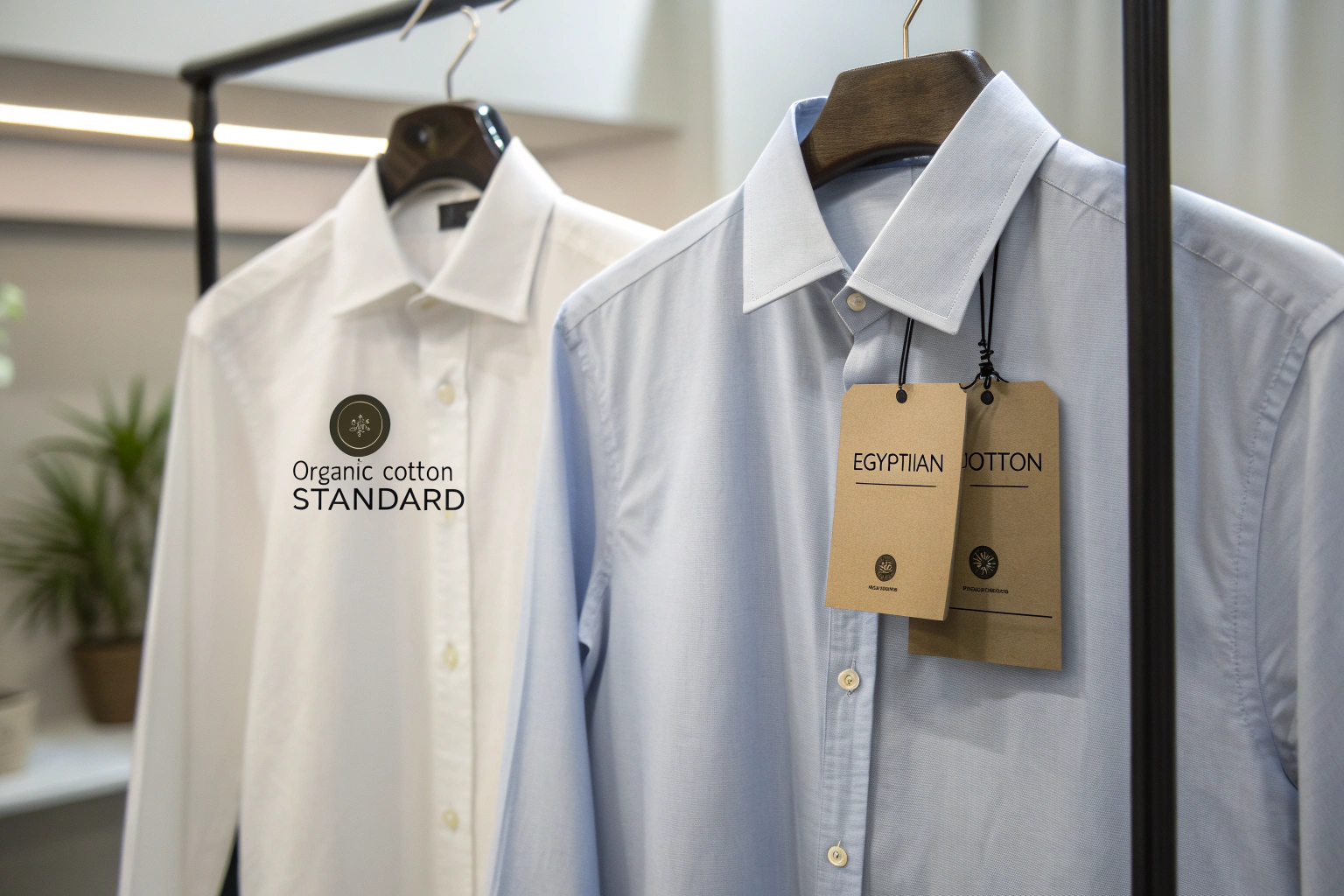
You’re investing in custom tailoring—a suit, a shirt, a pair of trousers crafted uniquely for you. It’s an expression of personal style and an expectation of superior quality. In this high-stakes arena, every choice matters, especially the fabric. As organic and sustainable options enter the market, a pressing question arises: Is OCS-certified organic cotton truly a better choice for bespoke and made-to-measure menswear, or is it just a well-marketed trend?
The answer isn’t a simple yes or no. For custom menswear, "better" is a multi-dimensional equation balancing aesthetics, performance, ethics, and value. While conventional Egyptian or Supima cotton has long been the gold standard for luxury shirting, OCS organic cotton brings something new to the table: verifiable provenance and an evolving standard of quality that appeals to the modern, conscious connoisseur. It’s less about outright replacement and more about offering a compelling, values-driven alternative.
Choosing OCS organic cotton for your custom pieces isn’t just a fabric selection; it’s a statement about the kind of quality you define. It shifts the narrative from merely "the finest" to "the finest, with integrity." For the tailor, it demands understanding its unique characteristics. For the wearer, it offers a different kind of luxury—one rooted in transparency. Let’s dissect whether this certification elevates the custom menswear experience.
How Does OCS Cotton’s Quality Compare to Luxury Conventional Cottons?
The heart of the debate lies in fiber quality. Critics argue that the pinnacle of cotton quality—long-staple varieties like Egyptian Giza or Supima—is achieved through intensive conventional farming. Proponents of organic point to the pristine growing conditions and careful handling that can also yield exceptional fibers. The truth is, quality exists on a spectrum within both categories.
Fiber Length & Strength (Staple Length): This is key for smooth, strong, and lustrous yarn. Premium conventional cottons are bred for exceptional staple length. High-end OCS organic cotton, such as organic Supima or specific organic Egyptian varieties, is now grown with the same genetic pedigree but under organic regulations. The difference often isn’t in the potential of the plant, but in the consistency of yield. A conventional farm might have a more uniform output, while an organic farm’s output can vary more with seasonal conditions. This means sourcing top-tier OCS cotton requires a more selective, expert eye from suppliers like Shanghai Fumao.
Fabric Handfeel & Drape: This is where craftsmanship post-harvest is crucial. The ginning, spinning, and weaving techniques determine the final fabric’s character. A well-milled OCS organic cotton poplin can achieve a crisp, smooth hand comparable to the best conventional poplins. However, because organic fibers are often processed with fewer chemical softeners, the initial handfeel can be slightly more "natural" or robust—a characteristic some men prefer for its authentic texture. For a custom shirt, this translates to a collar that feels substantial and a body that breathes genuinely.
Can OCS Cotton Achieve the High Thread Counts Expected in Bespoke Shirting?
Absolutely. Thread count is a function of spinning skill and fiber quality, not farming method. Advanced spinning mills can produce incredibly fine, long-staple organic cotton yarns suitable for 2-ply 140s or even 200s thread count fabrics. The challenge has historically been economic: the lower and more variable yields of organic long-staple cotton made it prohibitively expensive to spin at scale. This is changing.
We now work with specialized spinners who focus on premium organic staples. In 2023, we developed an OCS-certified organic Egyptian cotton fabric in a 2/100s thread count for a London-based bespoke shirtmaker. The client’s tailors reported excellent needle penetration and minimal shrinkage during multiple fittings, and the final product had a luminous sheen and silky hand that rivaled their best conventional Egyptian cloth. The key was our partnership with a vertically integrated spinner who controlled the process from certified bale to finished yarn, ensuring consistency. For those interested in the technicalities, understanding the difference between yarn count and thread count in luxury shirting is essential for evaluating any high-end fabric.
Does the "Natural" Processing Affect Color and Finish Brilliance?
This is a nuanced point. Conventional cotton is often bleached and mercerized using potent chemicals to achieve a stark white base and high sheen. OCS cotton can be (and often is) mercerized as well—this process uses a sodium hydroxide bath, which is not prohibited by organic fiber standards, to increase luster and strength. The difference may lie in the bleaching stage.
Eco-conscious brands pairing OCS with a holistic sustainable ethos often opt for peroxide bleaching over chlorine bleaching, which can result in a slightly softer, creamier white rather than a blue-white. This is an aesthetic choice. For dyes, the move towards low-impact or natural dyes can produce richer, more nuanced, but sometimes less starkly vibrant colors. For the custom menswear client, this means a potential shift from brilliant royal blues to deeper indigos, from sharp pinks to dusky rose. It’s a different, often more sophisticated, palette that aligns with a timeless, less flashy elegance.
What Are the Functional Benefits for the Wearer?
Beyond ethics, a custom garment must perform. How does OCS cotton wear, feel, and age compared to its conventional counterpart?
Breathability and Comfort: At its core, cotton is valued for breathability. Organic cotton, processed with fewer chemical residues, may offer a purer form of this characteristic. The fibers are often less coated in processing finishes, allowing them to absorb and release moisture more effectively. For a custom summer suit in a tropical wool-organic cotton blend or a lightweight poplin shirt, this can translate to noticeable comfort in warm climates.
Durability and Aging: The strength of a fabric comes from fiber strength and yarn construction. A well-spun, tightly woven OCS cotton fabric is inherently durable. Some argue that because organic fibers aren’t weakened by harsh chemical processing, they may retain strength longer. In practice, the more significant factor is the quality of the mill. A good OCS fabric from a reputable mill like our partners will age gracefully, developing a soft patina with wear and washing, much like a fine conventional fabric. The collar of a well-made OCS cotton shirt will still fray eventually—its longevity depends more on the tailor’s construction than the certification.
Is OCS Cotton Hypoallergenic for Sensitive Skin?
This is a major functional claim often associated with organic textiles. The logic is sound: OCS cotton, by avoiding synthetic pesticides and often using milder processing chemicals, is likely to have lower residual irritants. For men with sensitive skin or conditions like eczema, a shirt made from certified organic cotton can be a game-changer, reducing the risk of contact dermatitis from garment wear.
However, it’s critical to communicate this correctly. OCS certifies the content, not the final chemical residue levels. To make a credible "hypoallergenic" or "skin-friendly" claim, brands should pair OCS certification with additional testing for harmful substances like OEKO-TEX Standard 100. This combination is powerful. We provide this dual documentation for many of our clients in the high-end maternity and sensitive-skin markets, and it’s a compelling proposition for custom shirtmakers catering to a discerning, health-conscious clientele.
How Does It Behave During Tailoring and Multiple Fittings?
The tailor’s experience is a critical test. OCS cotton fabrics, depending on the mill, can sometimes have a slightly higher natural shrinkage rate in their first wash if not pre-shrunk properly. A professional custom tailor or the fabric supplier must account for this.
At our Shanghai Fumao facility, we implement a rigorous controlled pre-shrinking process for all our OCS shirting fabrics destined for bespoke use. We provide tailors with precise shrinkage data (e.g., 2% in length, 1% in width after a simulated laundering). This allows them to cut and fit with confidence. A New York-based bespoke trouser maker we supply told us that our OCS cotton cavalry twill behaved "beautifully" under the iron and held a crease superbly, with no unexpected shrinkage issues during the final fitting after alterations. This reliability is what makes a fabric truly "better" for professional use.
Does OCS Certification Align With the Values of Modern Luxury?
Today’s luxury consumer, especially in menswear, is increasingly defined by "quiet luxury" and "conscious consumption." Value is derived not just from exclusivity and price, but from story, craftsmanship, and integrity. This is where OCS certification transitions from a technical detail to a value proposition.
The Story of Provenance: In custom menswear, the narrative is everything. "This suit is made from Italian wool" has power. "This shirt is cut from OCS-certified organic Egyptian cotton, traceable to the fields where it was grown" builds a deeper, more modern story. It speaks to a client who sees his purchases as an extension of his personal ethics. The certificate becomes part of the garment’s heirloom quality—a document of its responsible origin.
Transparency as a Service: For a bespoke tailor or MTM brand, offering OCS options isn’t just about the fabric. It’s about providing a higher level of service through transparency. You’re not just selling a garment; you’re offering peace of mind and a choice aligned with values. This can be a powerful differentiator in a competitive market. Framing it within the context of the rise of ‘considered consumption’ in men’s fashion helps clients understand the broader movement they are participating in.
How to Communicate This Value in a Bespoke Setting?
The sales process must evolve. Savvy tailors are integrating sustainability into their consultations:
- The Fabric Library: Include OCS swatches not in a separate "eco" section, but integrated by weight and weave with conventional ones. Label them clearly: "140s Two-Ply Poplin – OCS Certified Organic Egyptian Cotton."
- The Consultation Talk Track: Train stylists to discuss it naturally. "Many of our clients are now enjoying fabrics like this OCS poplin. It offers the same exceptional handfeel as our conventional Egyptian cottons, with the added benefit of full traceability back to the organic farm. It’s an excellent choice if you value both performance and provenance."
- The Deliverable: Include a copy of the OCS Transaction Certificate for the specific fabric batch with the final garment. This tangible proof elevates the unboxing and care experience.
A Milan-based client of ours adopted this approach. They created a small brochure explaining their "Heritage & Future" fabric selection, placing OCS cottons alongside traditional luxury linens and wools. Their reported uptake of OCS options grew from 5% to over 20% of their cotton commissions within a year.
What Are the Practical Considerations for Tailors & Brands?
Adopting OCS cotton involves adjustments beyond the sales pitch. It requires supply chain diligence and potentially revised client management.
Sourcing & Minimums: Reliable, high-quality OCS shirting fabrics are produced in smaller batches than conventional luxury cottons. This can lead to higher minimum order quantities (MOQs) per design/color or less flexibility for reordering a specific shade quickly. Partnering with a supplier that holds stock or has agile access to specialized mills is crucial. Our role at Shanghai Fumao is to buffer this complexity for our tailoring clients, offering curated access to premium OCS mills with manageable MOQs.
Cost & Pricing: The fabric cost is typically 20-40% higher. This must be factored into the final price for the client. The key is to present it not as a surcharge, but as the cost of a different, value-added attribute—much like the upcharge for a more luxurious Super 150s wool. Transparency is again key: explain what the premium covers (verified farming, traceability, specialized processing).
Lead Time & Availability: The entire chain, from farm to finished fabric, can be less predictable. Building longer lead times into the custom order process for OCS items is a prudent step. We advise our tailoring partners to schedule OCS fabric orders well in advance of their peak season.

Is the Investment Worth It for a Custom Business?
The business case rests on differentiation and client loyalty. Here’s a simple analysis:
| Consideration | Impact | Mitigation/Strategy |
|---|---|---|
| Higher Fabric Cost | Reduces margin or increases client price. | Position as a premium tier. Target the segment of clients for whom values justify a 10-15% price increase. |
| Supply Complexity | Risk of stock-outs or delays. | Partner with a dedicated, reliable supplier (like us) who manages the specialty supply chain. |
| Client Education Needed | Requires sales team training. | Create simple tools (swatch labels, talking points, certificate copies) to make education easy. |
| Competitive Advantage | Attracts a growing, loyal clientele. | Be an early adopter in your local market. Build a reputation as the go-to for conscious luxury. |
For tailors serving a forward-thinking, affluent clientele, the answer is often yes. The investment builds a moat around your brand, attracting clients who are not just buying a garment, but investing in a philosophy—and those clients are often the most loyal.
Conclusion
So, is OCS organic cotton better for custom menswear? It is not universally better in every technical metric, but it is compellingly different and increasingly relevant. It matches the quality of high-end conventional cotton when sourced and milled with expertise, and it adds unique dimensions of verifiable provenance, potential skin-friendliness, and a narrative aligned with modern luxury.
The choice ultimately reflects the definition of "better." If "better" means only the most historically established, brilliantly white, and consistently available fabric, premium conventional cotton remains king. But if "better" encompasses a holistic view of quality that includes environmental stewardship, supply chain transparency, and meeting the evolved values of the discerning modern man, then OCS organic cotton is not just a valid option—it is a superior choice for building a future-facing custom menswear practice.
It allows tailors and brands to offer more than a garment; they offer a story with integrity, woven into every thread. At Shanghai Fumao, we are committed to providing that story without compromise on quality. We bridge the gap between heritage craftsmanship and responsible innovation, supplying tailors with OCS fabrics that meet the exacting standards of bespoke creation. To explore our curated range of OCS fabrics for your custom menswear line, contact our Business Director, Elaine, at elaine@fumaoclothing.com. Let’s craft the future of luxury, responsibly.