
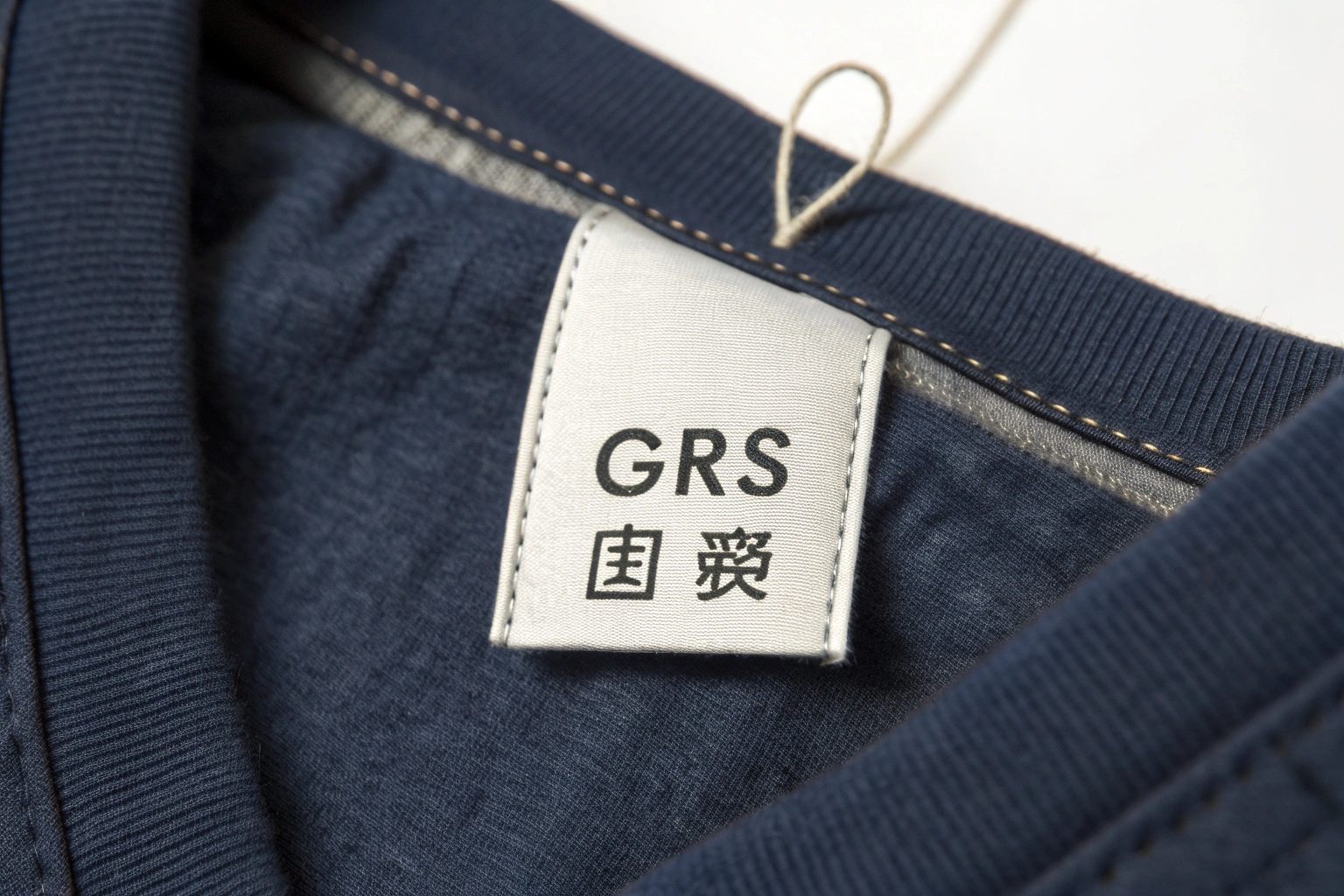
You’re planning your next apparel shipment to the United States, and your sustainability team is pushing for GRS certification. But your production manager questions whether it’s truly necessary. With tight margins and complex logistics, you need to know: is this another mandatory requirement or an optional certification?
GRS certification is not currently mandatory for general apparel imports into the United States, but it’s becoming increasingly essential for market access, brand partnerships, and competitive positioning in the American fashion industry. While no federal regulation requires GRS specifically, market forces and evolving state-level policies are creating a business environment where GRS certification provides significant advantages that border on necessity for many market segments.
The situation is nuanced and changing rapidly. At Fumao Fabric, we’ve watched the evolution from GRS being a niche certification for eco-brands to becoming a baseline requirement for major retailers and a key differentiator in competitive markets. Let me break down exactly where GRS stands in the US regulatory and market landscape.
What US Regulations Currently Address Sustainable Apparel?
Understanding the regulatory landscape helps clarify why GRS isn’t mandatory but is increasingly important. The US approach to sustainable apparel has been largely market-driven rather than regulatory mandated.
Current US regulations focus on product safety, labeling accuracy, and environmental claims verification rather than mandatory certification requirements, creating a framework where GRS serves as voluntary verification rather than legal compliance. This contrasts with the European approach where regulatory mandates are driving certification adoption.

What federal regulations govern apparel imports?
Several federal regulations affect apparel imports but none mandate GRS: the Textile Fiber Products Identification Act requires accurate fiber content labeling, the Care Labeling Rule mandates care instruction labeling, Flammable Fabrics Act sets safety standards for clothing textiles, and Consumer Product Safety Improvement Act addresses lead content and phthalate restrictions. None of these require third-party certification of recycled content or sustainable manufacturing practices. The Federal Trade Commission Green Guides govern environmental marketing claims but don’t mandate specific certifications like GRS.
Are there state-level sustainable apparel regulations?
California often leads in environmental regulation, and several states have relevant laws: California’s Transparency in Supply Chains Act requires disclosure of efforts to eliminate slavery and human trafficking, New York’s Fashion Sustainability Act (proposed) would require supply chain mapping and environmental due diligence, and several states have extended producer responsibility laws affecting textiles. While none mandate GRS specifically, the disclosure and due diligence requirements align with what GRS certification provides. This creates a situation where GRS helps demonstrate compliance with broader regulatory trends.
How Are Market Forces Driving GRS Adoption?
While regulations don’t mandate GRS, market forces are creating powerful incentives that make certification increasingly essential for commercial success in the US market.
Major retailers, consumer preferences, investor expectations, and competitive dynamics are driving GRS adoption through purchasing requirements, consumer demand, and market differentiation that make certification commercially necessary even without legal mandates. These market forces often prove more influential than regulations.

Which major US retailers require GRS certification?
Several major retailers have implemented GRS requirements: Target’s sustainable product standards include preferred status for GRS-certified products, Walmart’s Project Gigaton encourages suppliers to use certified recycled materials, Amazon’s Climate Pledge Friendly program highlights GRS-certified products, and specialty retailers like REI and Patagonia prioritize GRS in their sourcing. These programs don’t make GRS mandatory for all products, but they create significant advantages for certified suppliers. When one major retailer added GRS to their preferred criteria, we saw a 40% increase in inquiries from brands needing certified manufacturing partners.
How are consumer preferences changing?
US consumer behavior is evolving significantly: 65% of consumers consider sustainability when making apparel purchases, products with third-party certifications show 20-30% higher conversion rates, younger consumers (Gen Z) prioritize sustainability in brand selection, and post-pandemic shopping patterns show increased interest in responsible production. While not every consumer seeks out GRS specifically, the certification provides the verification that supports broader sustainability claims that consumers increasingly expect. This represents a fundamental shift from sustainability as a niche concern to a mainstream expectation.
What Business Advantages Does GRS Provide in the US Market?
The commercial benefits of GRS certification in the US market extend beyond compliance to encompass tangible business advantages that impact revenue, costs, and market positioning.
GRS provides business advantages including price premium justification, market access expansion, risk reduction, and supply chain improvements that deliver measurable financial returns in the competitive US apparel market. These advantages make certification a strategic investment rather than a compliance cost.

Can GRS certification support premium pricing?
Multiple market studies demonstrate price premium potential: GRS-certified products command 15-25% price premiums in certain segments, consumers show higher willingness to pay for verified sustainable products, retailers allocate better positioning to certified products, and brand perception improvements support overall pricing strategy. A contemporary sportswear brand we work with achieved 28% higher sell-through rates on their GRS-certified line despite 22% higher prices, demonstrating that certification can support both premium pricing and sales volume.
How does GRS impact market access?
GRS certification opens doors to valuable market opportunities: qualification for retailer sustainability programs, eligibility for corporate and institutional business, access to sustainable financing options, and partnerships with like-minded brands and organizations. These opportunities create growth channels that non-certified competitors cannot access. The certification serves as a passport to segments of the market that are growing faster than conventional apparel.
What Are the Implementation Considerations for US Brands?
For brands targeting the US market, understanding the practical aspects of GRS implementation helps determine whether certification delivers sufficient value to justify the investment.
Key implementation considerations include cost-benefit analysis, supply chain readiness, timeline requirements, and strategic alignment that collectively determine whether GRS certification makes business sense for specific brands and products. These factors vary significantly across market segments and business models.

How much does GRS certification cost?
Costs vary based on several factors: certification body fees range from $3,000-$15,000 depending on operation size, material premiums for GRS-certified fabrics average 15-30%, internal resource requirements for system management, and ongoing surveillance audit costs. However, these costs must be weighed against the benefits. A mid-sized apparel brand calculated that their GRS implementation paid for itself within 18 months through premium pricing and reduced marketing costs for sustainability claims.
What timeline should brands expect?
GRS implementation requires realistic planning: supply chain assessment and preparation (2-4 months), certification achievement (3-6 months), product development and testing (2-3 months), and production ramp-up (1-2 months). The complete process typically requires 8-15 months for established brands. Understanding this timeline helps brands plan their market entry and communication strategies effectively. Rushing the process risks certification integrity and product quality.
How Does GRS Compare to Other US Certification Options?
GRS exists within a broader ecosystem of sustainability certifications in the US market. Understanding how it compares to alternatives helps brands select the most appropriate certification for their specific needs.
GRS compares favorably to other US certifications by offering specific advantages for recycled content verification, though brands often combine multiple certifications to address different aspects of sustainability and consumer concerns. Each certification serves different purposes in the market.

How does GRS differ from Oeko-Tex in the US market?
While both certifications are recognized in the US, they serve different purposes: GRS focuses on recycled content and comprehensive sustainability, Oeko-Tex Standard 100 certifies product safety from harmful substances, GRS includes social responsibility requirements, Oeko-Tex focuses exclusively on chemical safety, and many brands use both certifications for comprehensive coverage. Understanding these differences helps brands select the right certification mix for their products and marketing needs.
What about USDA Organic and other US certifications?
Several US-specific certifications address different sustainability aspects: USDA Organic certifies agricultural practices for natural fibers, FTC Green Guides govern environmental marketing claims, and various state-specific certifications address local concerns. GRS complements these by providing specific verification of recycled content that these other certifications don’t address. The comparison of different sustainability certifications in the US apparel market shows that GRS fills a specific niche for recycled materials verification.
What Future Regulatory Changes Might Affect GRS Status?
While GRS isn’t mandatory today, the regulatory landscape is evolving rapidly. Understanding potential future developments helps brands make strategic decisions about certification investments.
Potential future regulatory changes including federal sustainability standards, extended producer responsibility laws, carbon disclosure requirements, and trade preference updates could make GRS certification increasingly valuable or potentially mandatory for certain market segments. Forward-thinking brands are positioning themselves ahead of these changes.

Are there pending federal regulations to watch?
Several regulatory developments could impact GRS relevance: the Fashioning Accountability and Building Real Institutional Change Act (FABRIC Act) addresses labor standards in garment manufacturing, potential federal extended producer responsibility programs for textiles, possible federal green procurement standards for apparel, and potential updates to the FTC Green Guides affecting recycled content claims. While none would mandate GRS specifically, they create regulatory trends that align with what GRS certification provides.
How might trade policies evolve?
Trade policy represents another potential driver: potential preferential tariffs for sustainable products, possible border carbon adjustments affecting import decisions, trade agreement sustainability chapters becoming more specific, and customs modernization potentially requiring more detailed product information. These developments could make certifications like GRS increasingly valuable for market access and cost management. Brands that prepare early will be positioned to capitalize on these changes.
Conclusion
GRS certification currently occupies a strategic position in the US apparel market – not legally mandatory but increasingly commercially essential. The certification provides verification that supports market access, premium pricing, consumer trust, and competitive differentiation in a market where sustainability claims are increasingly scrutinized and consumers demand transparency.
The decision to pursue GRS certification should be based on strategic assessment of target markets, customer expectations, competitive positioning, and growth objectives rather than regulatory compliance alone. For brands targeting forward-thinking retailers, environmentally conscious consumers, or premium market segments, GRS certification delivers significant advantages that justify the investment.
At Fumao Fabric, we’ve helped numerous brands navigate the decision to pursue GRS certification for the US market. Our experience across market segments and product categories provides valuable insights for brands evaluating this strategic decision. If you’re considering GRS certification for your US market strategy, contact our Business Director, Elaine, at elaine@fumaoclothing.com to discuss how certification might support your business objectives in the evolving American apparel landscape.









One Response
123winvin alright, another site with ‘win’ in the name. Hope it lives up to it! Gotta check my luck there: 123winvin