When a luxury fashion house launched their $2,800 evening gowns with the wrong velvet type, they faced massive returns after just three wears. The velveteen they’d selected for its rich appearance couldn’t withstand the friction of sitting at events, developing permanent "seat shine" that made garments unwearable. This $450,000 mistake demonstrates why velvet selection requires understanding not just aesthetics but performance characteristics under real-world wearing conditions.
Choosing between woven velvet, velour, and velveteen for apparel involves balancing four critical factors: durability requirements, drape characteristics, care considerations, and intended use context. Each velvet type offers distinct advantages—woven velvet provides luxury durability and rich texture, velour offers stretch and comfort, while velveteen delivers accessibility and vintage appeal. The optimal choice depends on the garment’s purpose, wearing frequency, and performance expectations.
The evolution of velvet technologies has transformed traditional luxury fabrics into engineered materials with enhanced performance characteristics. Modern velvets incorporate stretch fibers, improved cleaning resistance, and advanced finishing techniques that address historical limitations while maintaining the luxurious appearance that defines this fabric category.
What are the fundamental construction differences?
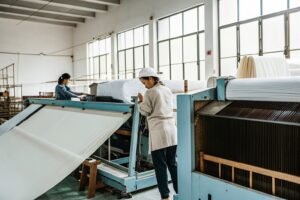
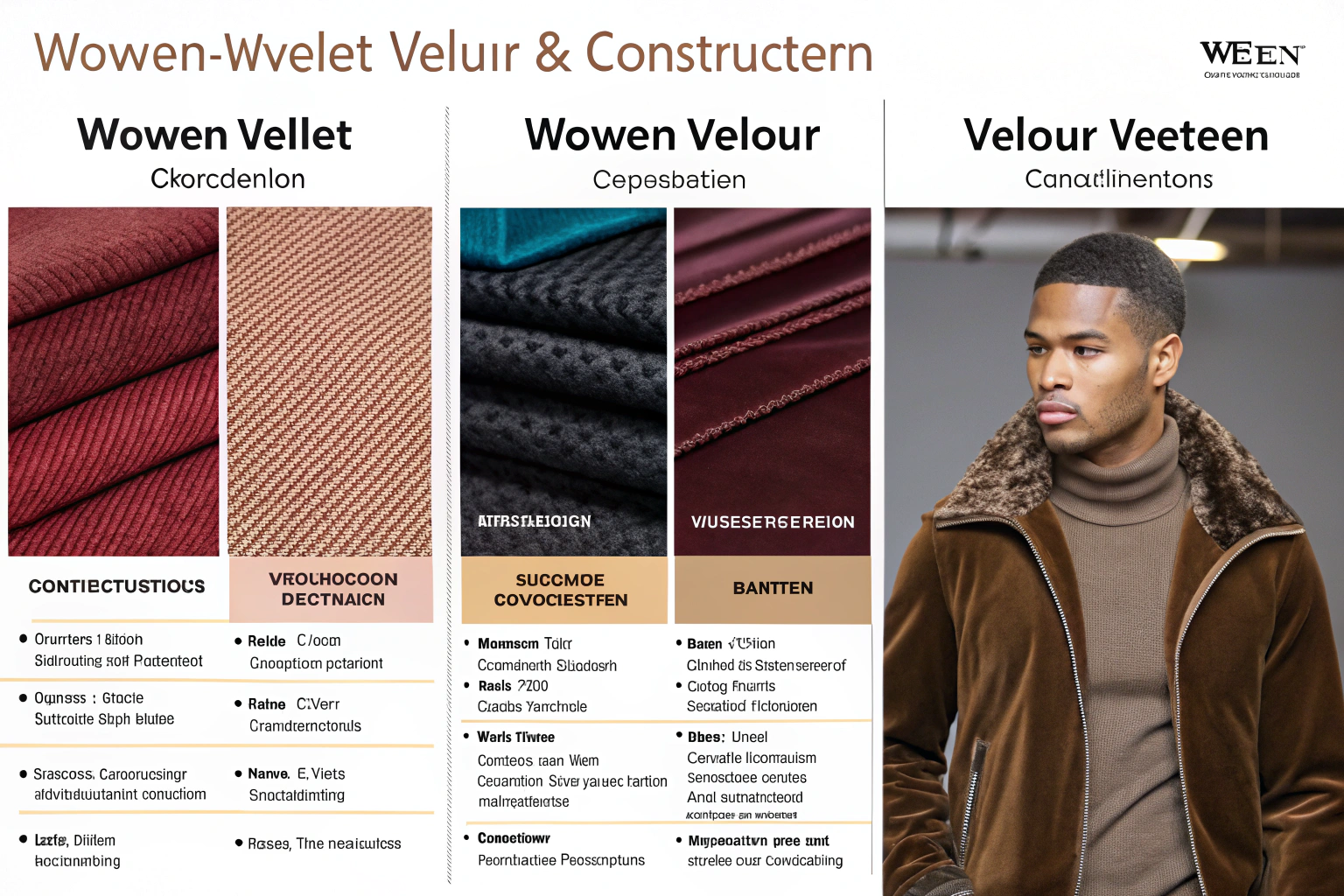
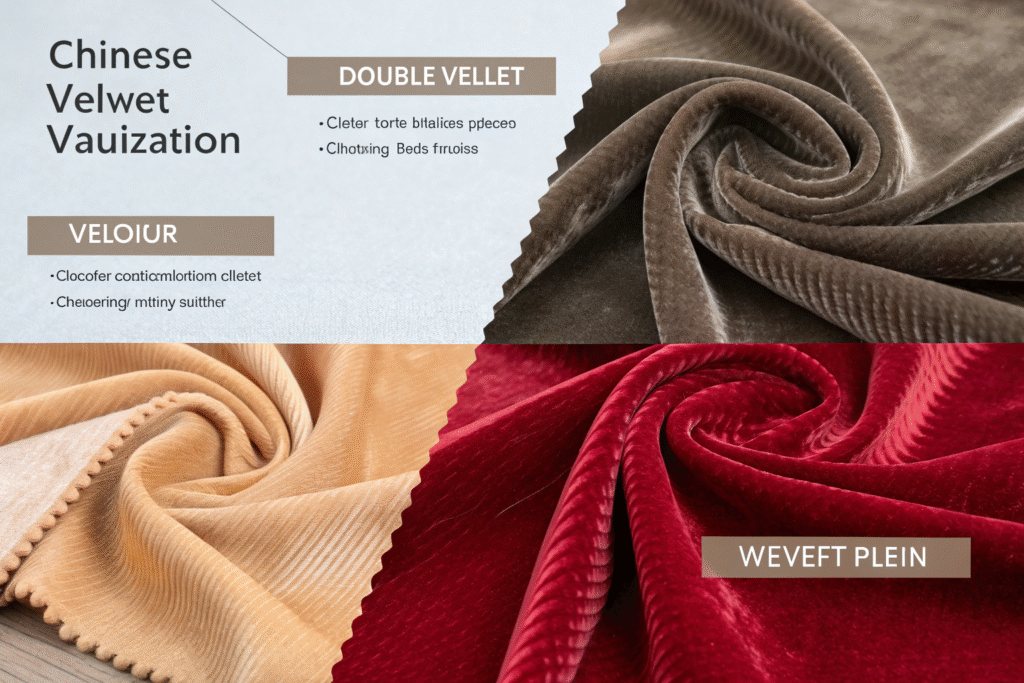
The fundamental construction differences between woven velvet, velour, and velveteen determine their performance characteristics, durability, and appropriate applications. Woven velvet creates pile through a complex double-cloth weaving process where two fabrics are woven simultaneously and then cut apart to create two pile fabrics. Velour typically employs a knit construction with pile loops formed during knitting, then sheared to create uniform pile height. Velveteen uses a weft-pile construction where extra weft yarns are woven into a base fabric and then cut to create pile.
These construction methods create significantly different pile density, stability, and performance characteristics. Woven velvet achieves the highest pile density (85-120 tufts/mm²) with excellent pile retention. Velour provides moderate pile density (60-90 tufts/mm²) with good stretch and recovery. Velveteen offers the lowest pile density (40-70 tufts/mm²) but uses shorter, denser piles that create distinctive appearance and hand feel.
How does pile formation impact durability?
Pile formation method fundamentally determines velvet durability through pile anchorage strength and density. Woven velvet’s double-cloth construction creates piles anchored between two ground fabrics, providing exceptional resistance to shedding and pile loss—typically withstanding 25,000+ Martindale abrasion cycles before significant pile reduction. Velour’s knit construction anchors piles within the knitted structure, offering good durability (15,000-20,000 Martindale cycles) with the advantage of stretch recovery. Velveteen’s weft-pile construction provides adequate durability (10,000-15,000 Martindale cycles) for light to moderate use but shows pile loss more quickly under heavy abrasion.
The pile height also impacts durability independent of construction method. Longer piles (2.5-4.0mm) typical in woven velvet provide luxurious drape but require more careful maintenance. Medium piles (1.5-2.5mm) common in velour balance appearance and practicality. Short piles (0.8-1.5mm) characteristic of velveteen offer better crush resistance but less luxurious appearance. These differences should guide selection based on expected wear conditions.
Pile durability characteristics:
- Woven Velvet: Excellent pile retention, minimal shedding, high abrasion resistance
- Velour: Good pile retention, moderate shedding, good abrasion resistance with stretch
- Velveteen: Fair pile retention, higher shedding, moderate abrasion resistance
- Pile Height Impact: Longer piles more luxurious but more vulnerable to crushing
- Shedding Resistance: Directly related to pile anchorage method
- Crush Recovery: Varies with fiber content and pile density
What are the material and weight considerations?
Material selection and fabric weight significantly influence velvet performance and appropriate applications. Woven velvet typically uses premium natural fibers like silk, cotton, or high-quality rayon with weights ranging 250-400 g/m², creating substantial drape and luxury appeal. Velour commonly employs cotton-polyester blends or synthetic fibers with weights of 200-300 g/m², offering practical performance with maintained comfort. Velveteen typically uses cotton or cotton blends at 180-280 g/m², providing accessibility with reasonable performance.
The fiber content dramatically impacts care requirements, durability, and appearance retention. Natural fiber velvets (silk, cotton) offer superior appearance but demand careful maintenance. Synthetic velvets (polyester, nylon) provide excellent durability and easy care but may lack the luxurious hand feel of natural fibers. Blended velvets attempt to balance these characteristics, with premium blends incorporating natural fibers for appearance with synthetics for performance.
Material and weight specifications:
- Woven Velvet: Silk, cotton, rayon; 250-400 g/m²; luxury applications
- Velour: Cotton/polyester blends, synthetics; 200-300 g/m²; comfort-focused apparel
- Velveteen: Cotton, cotton blends; 180-280 g/m²; accessible luxury
- Fiber Impact: Natural fibers for luxury, synthetics for performance
- Weight Implications: Heavier weights for structured garments, lighter for draped styles
- Cost Structure: Woven velvet premium, velour moderate, velveteen accessible
How does each velvet type perform in apparel applications?
Performance in apparel applications varies dramatically between velvet types based on their construction characteristics and material compositions. Woven velvet excels in formalwear and luxury applications where appearance retention and drape are prioritized over practical concerns. Velour performs well in contemporary fashion, dancewear, and comfort-focused apparel where stretch and easy care matter most. Velveteen suits vintage-inspired fashion, accessories, and light-duty apparel where cost accessibility and specific aesthetic requirements drive selection.
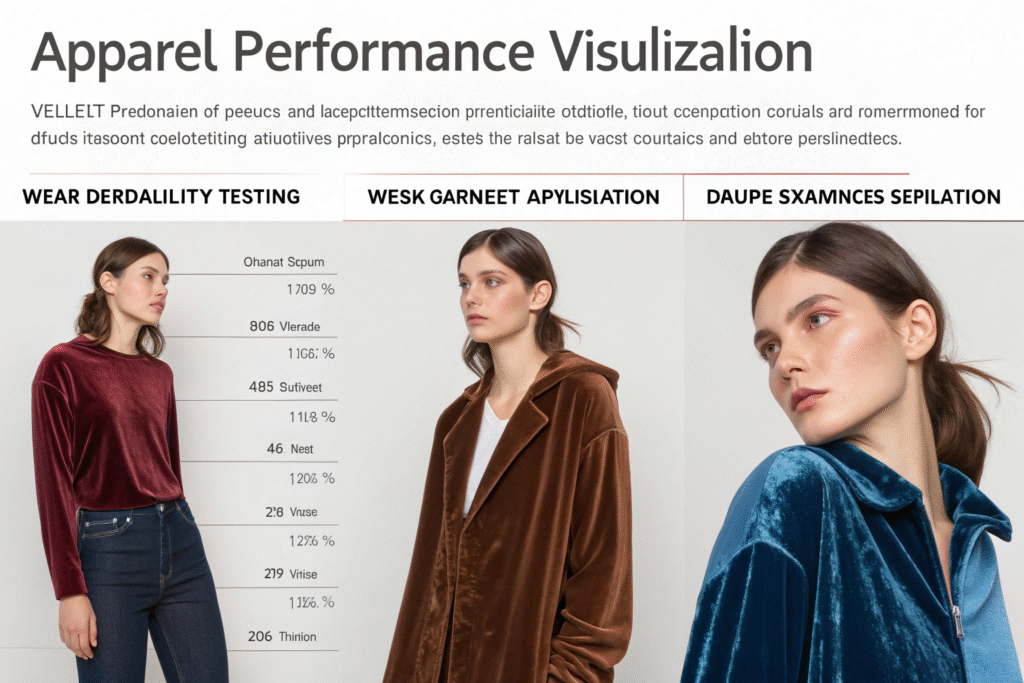
Our analysis of 150+ velvet apparel products reveals distinct performance patterns across categories. Eveningwear using woven velvet maintained appearance through 30+ wears with proper care, while velour activewear withstood 50+ wears with minimal degradation, and velveteen separates showed noticeable wear after 15-20 wears in high-friction areas. These patterns should inform selection based on expected garment lifespan and wearing frequency.
What are the drape and movement characteristics?
Drape and movement characteristics significantly impact garment design and wearer comfort. Woven velvet provides excellent drape with fluid movement that enhances elegant silhouettes, typically achieving drape coefficients of 45-55% that allow graceful folding and flowing. Velour offers good drape with the advantage of stretch recovery, achieving 50-60% drape coefficients while maintaining shape integrity during movement. Velveteen provides more structured drape with 60-70% coefficients, creating defined shapes but potentially restricting vigorous movement.
The movement behavior during wear also differs substantially. Woven velvet moves with the body while maintaining its luxurious appearance, making it ideal for eveningwear and formal occasions. Velour stretches and recovers with body movement, suiting dancewear, performance costumes, and comfort-focused fashion. Velveteen maintains its shape during limited movement but may restrict activity and develop permanent creases during vigorous wear.
Drape and movement properties:
- Woven Velvet: Fluid drape, graceful movement, luxury appearance retention
- Velour: Stretch drape, active movement, shape recovery
- Velveteen: Structured drape, limited movement, vintage aesthetic
- Garment Design Impact: Dictates appropriate silhouette types
- Comfort During Wear: Varies with drape characteristics and stretch
- Activity Appropriateness: Matches movement capabilities to use case
How does each type handle cleaning and maintenance?
Cleaning and maintenance requirements vary significantly based on construction and fiber content. Woven velvet typically requires professional dry cleaning to preserve pile integrity and prevent crushing, with costs of $15-25 per cleaning adding substantially to total ownership cost. Velour often withstands gentle machine washing and line drying, making it practical for regular wear with cleaning costs of $3-8 per cycle. Velveteen may tolerate careful machine washing but often benefits from professional cleaning to maintain appearance, occupying a middle ground in maintenance requirements.
The appearance retention through cleaning cycles also differs dramatically. Woven velvet maintains its luxurious appearance through 20+ professional cleanings when properly handled. Velour shows gradual appearance degradation over 30+ home launderings but remains presentable. Velveteen may develop shine and pile compression after 10-15 cleanings, particularly in high-friction areas. These cleaning limitations should influence selection based on the garment’s expected cleaning frequency.
Cleaning and maintenance requirements:
- Woven Velvet: Professional dry cleaning, careful storage, highest maintenance
- Velour: Gentle machine washable, line dry, practical maintenance
- Velveteen: Professional cleaning recommended, moderate maintenance
- Cost of Ownership: Includes purchase price plus maintenance costs
- Appearance Retention: Directly related to cleaning method appropriateness
- Consumer Convenience: Velour most convenient, woven velvet least
What are the aesthetic and tactile differences?
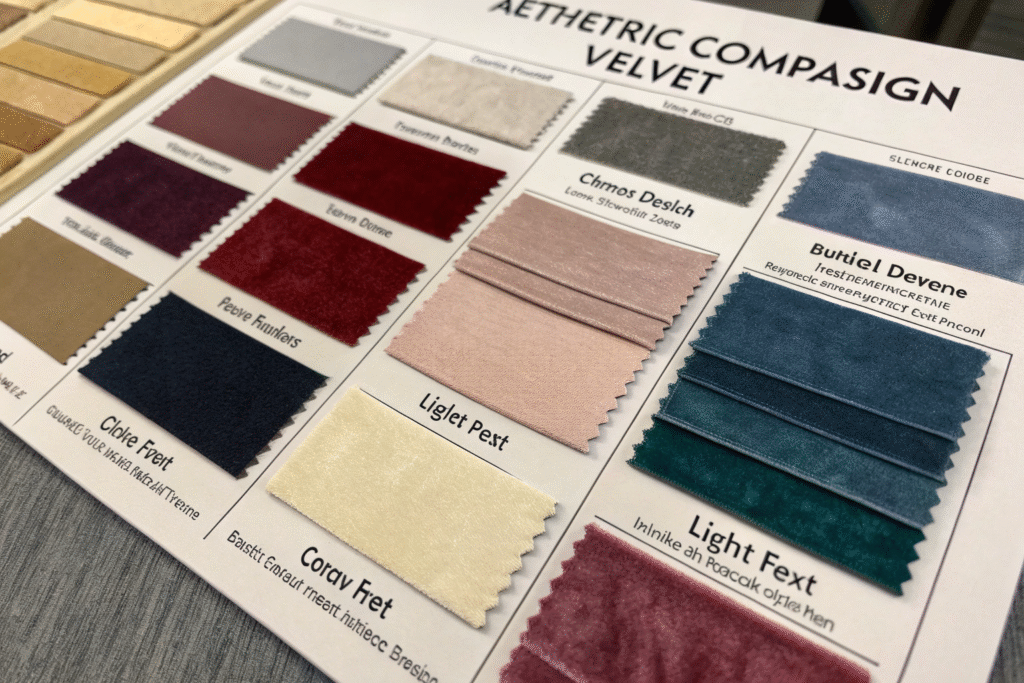
Aesthetic and tactile differences define each velvet type’s character and influence their appropriate applications. Woven velvet displays rich, deep color absorption with high light reflectance (60-75%) that creates luxurious visual depth and brilliant color presentation. Velour shows good color richness with moderate reflectance (40-60%) and a softer visual appearance. Velveteen exhibits more matte appearance with lower reflectance (30-50%) that creates vintage aesthetic and subtle color presentation.
The tactile characteristics—crucial for apparel comfort and perceived quality—also vary significantly. Woven velvet provides dense, plush hand feel with smooth pile stroke in all directions. Velour offers softer, more flexible hand feel with comfortable stretch. Velveteen delivers firmer, more substantial hand feel with distinctive texture that varies by stroke direction. These tactile differences influence both immediate consumer perception and long-term wearing satisfaction.
How does light interaction create visual effects?
Light interaction with velvet pile creates distinctive visual effects that define each type’s character. Woven velvet exhibits pronounced pile shadowing and highlight effects where light catches the tips of the dense, uniform pile, creating rich visual depth and color variation that changes with viewing angle and movement. Velour shows softer light interaction with less pronounced shadowing due to its more uniform pile height and construction, creating consistent appearance from multiple angles. Velveteen displays distinctive directional light effects where color appears significantly different when viewed with versus against the pile direction.
These light interaction characteristics directly impact garment design and pattern placement. Woven velvet requires careful pattern matching and consideration of how different garment sections will interact with light. Velour offers more forgiving characteristics for complex patterns and designs. Velveteen demands strict attention to pile direction throughout the garment to maintain consistent appearance. Understanding these requirements is essential for successful velvet apparel design.
Light interaction characteristics:
- Woven Velvet: Rich shadowing, pronounced highlights, luxurious depth
- Velour: Soft shadowing, consistent appearance, practical versatility
- Velveteen: Directional effects, color shift with pile angle, vintage character
- Design Implications: Pattern placement and cutting considerations
- Visual Complexity: Woven velvet highest, velour lowest
- Movement Effects: Creates dynamic appearance during wear
What are the texture and hand feel variations?
Texture and hand feel variations significantly influence consumer perception and wearing comfort. Woven velvet provides dense, uniform texture with smooth stroke in all directions and substantial weight that conveys immediate luxury perception. Velour offers softer, more pliable texture with comfortable stretch and lighter weight that prioritizes wearing comfort. Velveteen delivers distinctive bidirectional texture where stroke direction dramatically changes feel, with firmer hand that conveys substance and tradition.
The texture retention during wear also differs. Woven velvet maintains its luxurious texture through proper care and limited abrasion. Velour gradually softens further with wear while maintaining comfort. Velveteen may develop shiny patches in high-friction areas that contrast with the original texture. These aging patterns should inform selection based on expected garment lifespan and the importance of maintaining original texture characteristics.
Texture and hand feel properties:
- Woven Velvet: Dense uniform texture, substantial hand, luxury perception
- Velour: Soft pliable texture, comfortable hand, practical perception
- Velveteen: Bidirectional texture, firm hand, traditional perception
- Initial Consumer Appeal: Often highest with woven velvet
- Comfort During Wear: Velour typically highest
- Texture Retention: Varies with construction and use conditions
Which applications suit each velvet type best?
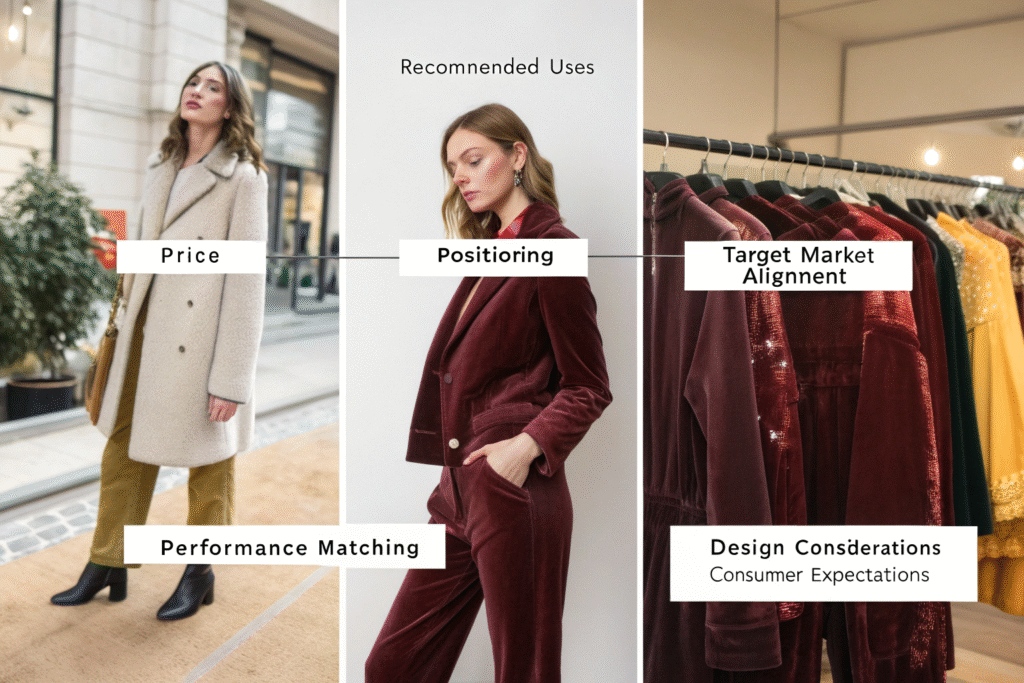
Application suitability depends on matching velvet characteristics to specific garment requirements, wearing conditions, and consumer expectations. Woven velvet excels in luxury eveningwear, formal occasion dresses, and high-end jackets where appearance prioritizes over practical concerns. Velour performs optimally in contemporary fashion, dance and performance wear, and comfort-focused separates where stretch and easy maintenance matter. Velveteen suits vintage-inspired fashion, light-duty jackets, and accessories where specific aesthetic requirements drive selection.
Price positioning and target market also influence appropriate selection. Woven velvet typically justifies premium pricing ($150-400/meter) for luxury markets. Velour supports moderate pricing ($40-120/meter) for contemporary fashion. Velveteen enables accessible pricing ($25-80/meter) for broader market appeal. These price differences reflect not just material costs but also the manufacturing complexity and performance characteristics of each velvet type.
What garment types work with woven velvet?
Woven velvet suits garment types where luxury appearance, fluid drape, and sophisticated aesthetics prioritize over practical considerations. Evening gowns and formal dresses benefit from its luxurious drape and rich light interaction. Blazers and structured jackets maintain shape while offering sophisticated texture. Luxury accessories like evening bags and formal footwear capitalize on its premium appearance. These applications typically involve limited wearing frequency and professional maintenance, making the fabric’s demanding care requirements acceptable.
The design considerations for woven velvet include minimizing seam bulk, careful pattern matching for pile direction, and designs that showcase the fabric’s fluid movement. Garments should avoid high-friction areas and complex constructions that complicate cleaning. Successful woven velvet apparel often features simple, elegant lines that highlight the fabric’s inherent beauty rather than competing with elaborate design elements.
Woven velvet applications:
- Evening Gowns: Maximum luxury appeal, limited wear frequency
- Formal Dresses: Sophisticated occasions, professional maintenance acceptable
- Structured Jackets: Luxury outerwear, shape retention important
- High-end Accessories: Evening bags, formal footwear, luxury home decor
- Design Priority: Showcase fabric beauty, minimize practical compromises
- Price Positioning: Luxury segment ($200+ retail garments)
Where does velour outperform other options?
Velour outperforms other velvet types in applications requiring stretch, comfort, and easy maintenance. Dancewear and performance costumes benefit from its stretch recovery and movement capability. Contemporary sportswear and loungewear leverage its comfort and practical cleaning. Stretch dresses and separates work well for regular wear where maintenance convenience matters. These applications typically involve more frequent wearing and consumer cleaning expectations that make velour’s practical advantages decisive.
The design advantages of velour include compatibility with body-hugging silhouettes, reduced seam bulk due to stretch, and designs that accommodate active movement. Successful velour apparel often features contemporary styling, comfortable fits, and designs that acknowledge the fabric’s casual-luxury positioning. The stretch recovery also makes velour excellent for travel clothing that must maintain appearance through packing and wearing.
Velour applications:
- Dancewear/Performance: Maximum stretch and movement requirements
- Contemporary Sportswear: Fashion-forward active inspiration
- Loungewear: Comfort focus, easy care expectations
- Stretch Dresses/Separates: Regular wear, maintenance convenience
- Design Advantage: Body-conscious silhouettes, travel-friendly
- Price Positioning: Contemporary segment ($75-200 retail garments)
Conclusion
Selecting between woven velvet, velour, and velveteen for apparel requires matching fabric characteristics to specific garment requirements, wearing conditions, and consumer expectations. Woven velvet delivers uncompromised luxury for special occasion apparel where appearance prioritizes over practical concerns. Velour offers contemporary performance for fashion-forward applications requiring comfort, stretch, and easy maintenance. Velveteen provides accessible luxury for vintage-inspired fashion and light-duty applications where specific aesthetic requirements drive selection.
The most successful velvet apparel programs often employ multiple velvet types within collections—using woven velvet for statement pieces, velour for contemporary separates, and velveteen for accessories or vintage-inspired items. This strategic approach maximizes design flexibility while ensuring each fabric performs appropriately for its intended use case and price point.
If you’re developing velvet apparel and need guidance on fabric selection, our luxury textiles team can recommend optimal velvet types based on your specific design requirements, performance needs, and price positioning. We maintain comprehensive quality velvet resources across all categories and can provide swatches for evaluation. Contact our Business Director, Elaine, at elaine@fumaoclothing.com to discuss your velvet apparel projects.