
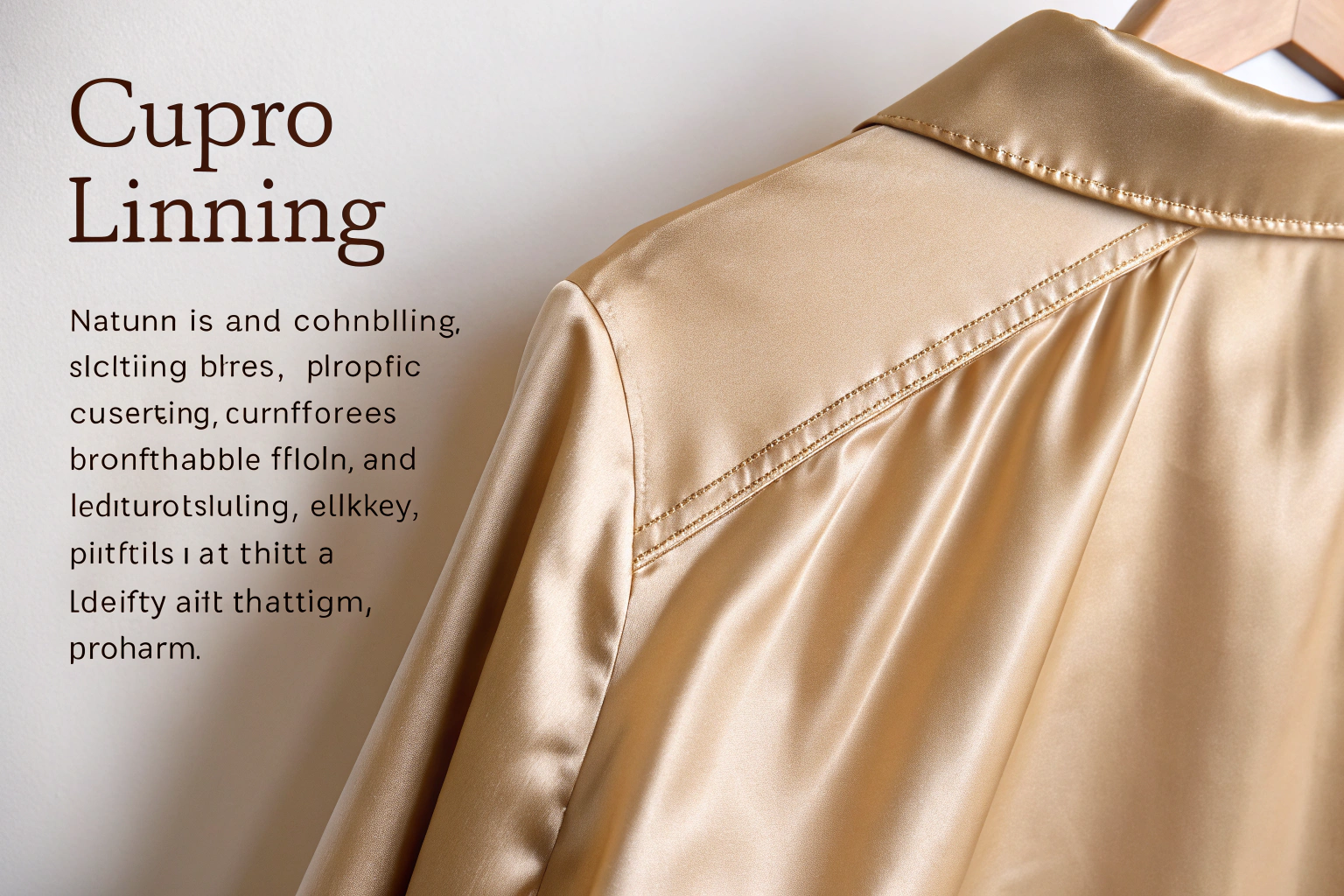
Have you ever put on a beautifully tailored blazer or a high-end dress and immediately noticed how comfortably it glides over your skin? This luxurious experience typically results from a hidden interior detail: cupro fabric, also known as Bemberg™ lining. As a fabric supplier with over twenty years in China’s textile hub of Keqiao, I’ve witnessed how this exceptional material transforms garments from merely well-made to truly extraordinary. Consequently, our luxury brand clients consistently select cupro for its unmatched qualities. But what precisely distinguishes this fabric, and why has it become the definitive standard for discerning designers?
Cupro, or Bemberg, is a silky, plant-based fabric manufactured from cotton linter, which is a natural byproduct. Luxury brands prefer it because it offers exceptional breathability, effective moisture-wicking, and a smooth, luxurious hand feel that significantly enhances wearing comfort. Moreover, it demonstrates a commitment to both quality and sustainable practices, thereby transforming a garment’s interior into something as carefully considered as its exterior. Therefore, for brands targeting the premium market, omitting cupro lining compromises their ability to deliver genuine luxury.
Let’s examine this hidden hero of high-end fashion systematically. First, we’ll explore its unique production process, then analyze its superior properties, and finally understand why it represents a strategic investment for quality-focused brands.
What is cupro fabric made from?
Although cupro feels remarkably similar to silk, its origins are surprisingly humble. Specifically, it’s a regenerated cellulose fiber, meaning it originates from plant sources. More precisely, cupro derives from cotton linter—the tiny, fluffy fibers that adhere to cotton seeds after the longer staple fibers are removed during ginning. Since these linter fibers are too short for conventional spinning, they were historically considered waste. However, the development of cupro production has successfully repurposed this material.

How is the production process eco-friendly?
The environmental aspect of cupro forms a significant part of its appeal. Primarily, it utilizes cotton linter, a material that would otherwise be discarded, thereby adding value to the cotton industry without requiring additional agricultural resources. This approach aligns directly with the principles of a circular economy. Furthermore, leading manufacturers like Asahi Kasei, the creator of Bemberg™, employ a closed-loop production system. In this process, over 99% of the water and solvents used to dissolve the cotton linter are recovered and continuously reused. As a result, this method drastically minimizes waste and environmental impact compared to conventional textile manufacturing.
What’s the difference between cupro and rayon?
While both cupro and viscose rayon belong to the regenerated cellulose fiber category, they possess distinct characteristics. The fundamental difference lies in their raw materials and manufacturing techniques. Whereas viscose rayon typically uses wood pulp, cupro exclusively utilizes cotton linter. Additionally, the ammonia-copper process used for cupro creates finer, more consistent filaments. Consequently, cupro fabric achieves a characteristically smooth, silky surface and superior drape. In contrast, viscose often exhibits a more textured hand feel. Most importantly, cupro demonstrates greater strength when wet compared to viscose, making it more durable for garments requiring frequent cleaning.
Why is cupro lining better for clothing?
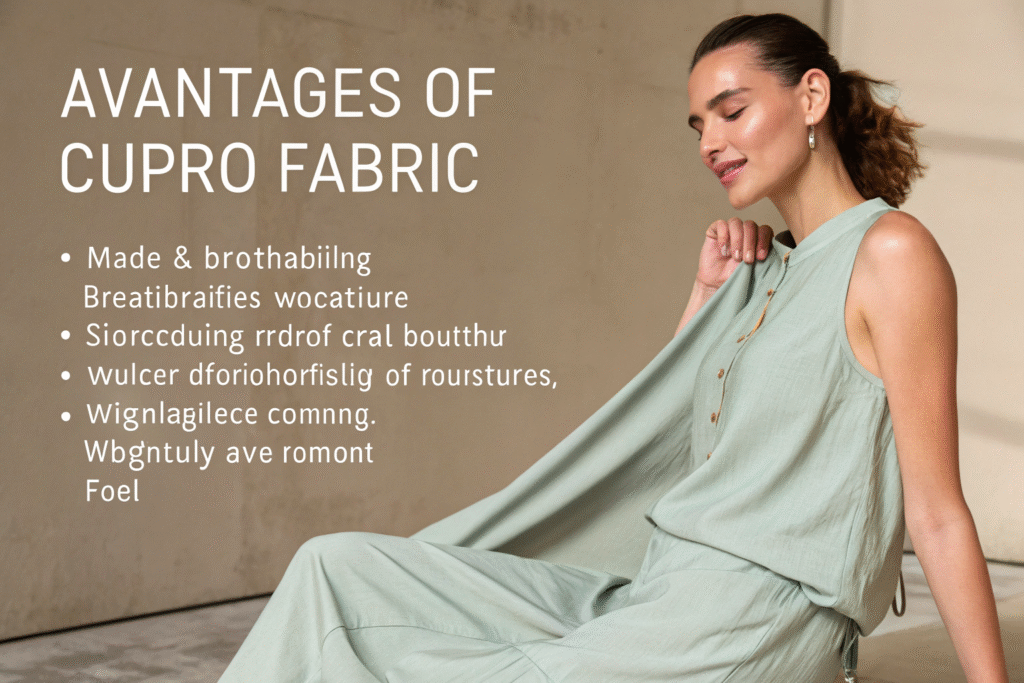
The true advantages of cupro become apparent immediately upon wearing. Since its benefits are directly perceptible to the wearer, brands using this fabric consistently receive positive feedback regarding comfort. The primary advantage stems from its exceptional breathability, which facilitates air circulation and prevents the stuffy, trapped sensation common with synthetic linings. Furthermore, cupro excels at moisture-wicking; it actively draws perspiration away from the skin to the fabric surface where evaporation can occur.
How does cupro enhance wearer comfort?
Cupro addresses comfort through multiple mechanisms. First, its inherent temperature regulation properties help maintain a stable micro-climate between skin and garment. Because the fabric is both breathable and absorbent, it keeps wearers cooler in summer and warmer in winter compared to synthetic alternatives. Second, the hand feel—the tactile quality of the fabric—proves exceptionally important. Cupro consistently delivers a silky, soft sensation against the skin. Therefore, it eliminates the irritation sometimes caused by inferior linings, making it particularly beneficial for individuals with sensitive skin.
Does cupro lining improve garment durability?
Despite its delicate hand feel, cupro offers surprising durability. Initially, its fibers demonstrate good tensile strength, enabling them to withstand stretching and pulling. More significantly, cupro maintains greater strength when wet than viscose rayon. This characteristic becomes crucial during cleaning, as the lining becomes less susceptible to damage during professional wet cleaning or gentle hand washing. Moreover, by reducing pilling and snagging in high-friction areas like armholes, cupro lining effectively extends the functional lifespan of the entire garment. Thus, it protects the inner seams of the outer fabric from abrasion, ensuring the garment maintains its structure and appearance over time.
Why do luxury brands choose cupro over polyester?
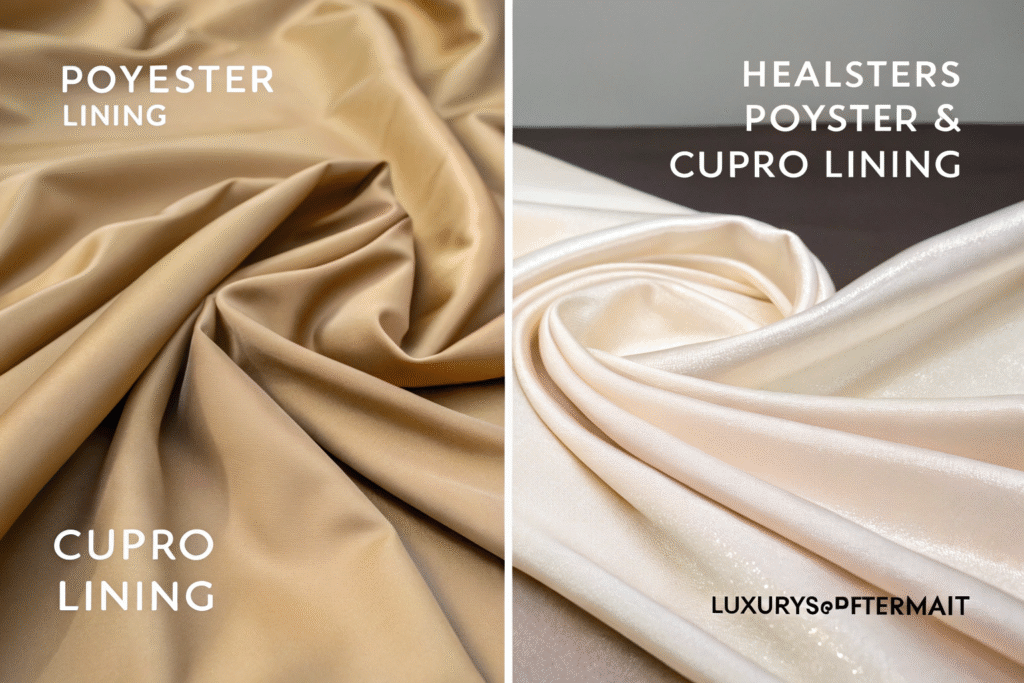
For luxury brands, lining selection directly reflects their core values. Although polyester lining offers cost-effectiveness and durability, it fails to deliver the performance and aesthetics demanded by luxury consumers. Since polyester is a petroleum-based synthetic fiber, it inherently lacks breathability. This often leads to heat and moisture becoming trapped against the skin, creating a clammy sensation that contradicts luxury comfort expectations. In contrast, cupro provides a natural, high-comfort alternative with elegant drape and a refined matte sheen.
| Feature | Cupro (Bemberg) Lining | Standard Polyester Lining |
|---|---|---|
| Breathability | High | Low |
| Moisture Management | Excellent | Poor |
| Origin | Plant-based | Petroleum-based |
| Hand Feel | Silky and smooth | Slick and plastic-like |
| Drape | Fluid and elegant | Stiff and unnatural |
How does cupro impact a brand’s luxury perception?
Cupro functions as a powerful silent ambassador for brand quality. When customers feel the smooth, comfortable interior and experience the enhanced wearability, their investment feels justified. This attention to detail communicates that the brand has considered every aspect of the garment. Subsequently, this builds consumer trust and reinforces premium positioning. Additionally, in today’s era of conscious consumerism, cupro’s sustainable narrative—sourcing from waste materials and employing closed-loop production—adds substantial value. Consequently, brands can authentically align with sustainable fashion principles without compromising luxury quality.
Is the higher cost of cupro lining justified?
While cupro carries a higher materials cost than polyester, luxury brands view this as a strategic investment rather than an expense. The justification emerges from the tangible value it adds to finished products. First, it enables premium pricing by delivering perceptible quality differences. Second, it reduces comfort-related returns and complaints. Most importantly, it attracts discerning customers who recognize and appreciate this level of craftsmanship. Therefore, implementing cupro lining ultimately protects and enhances brand reputation while fostering long-term customer loyalty.
How to source high-quality cupro fabric reliably?
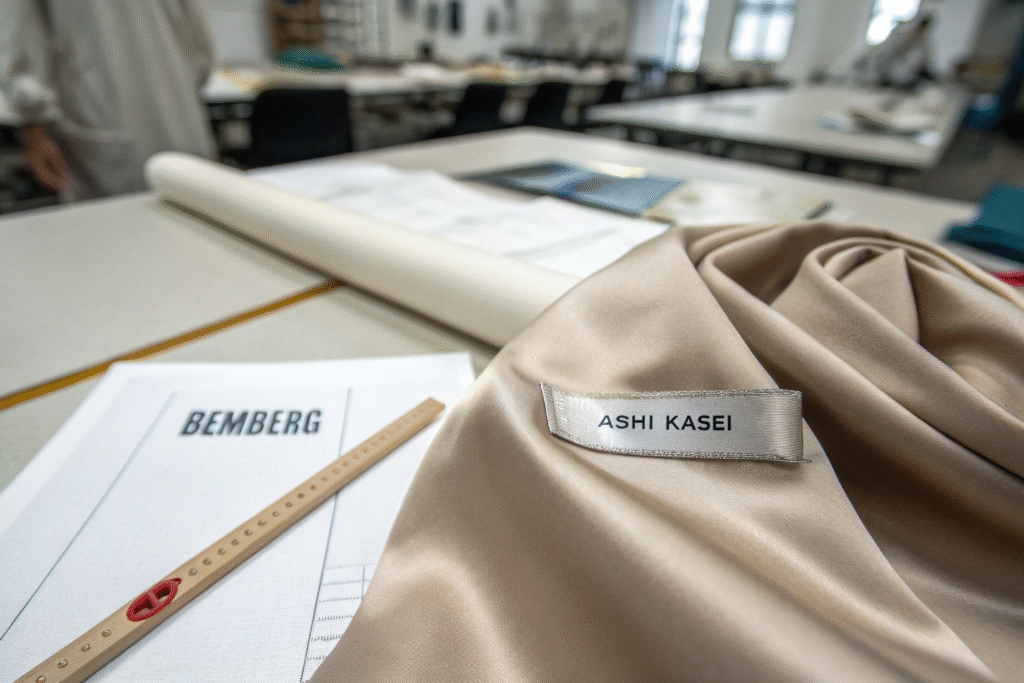
Sourcing premium cupro requires partners with specific expertise, as quality variations can occur based on raw material sources and manufacturing precision. Accordingly, buyers should prioritize specific certifications and establish relationships with specialized suppliers. The most reliable quality indicator is fabric utilizing yarn from Asahi Kasei, the Japanese company that originally developed and produces Bemberg™.
What certifications should I look for?
Certifications provide essential verification when sourcing cupro. Primarily, the Oeko-Tex Standard 100 certification is indispensable since it confirms the fabric contains no harmful substances and is safe for skin contact. Additionally, for sustainability claims, the Global Recycled Standard (GRS) becomes crucial. Because cupro originates from cotton linter—a recycled material—GRS certification verifies the recycled content and ensures responsible production practices. Therefore, these certifications collectively provide the transparent, verifiable proof that brands and consumers increasingly demand.
Why is partner selection crucial for cupro sourcing?
The ideal supplier delivers more than just fabric—they provide consistency and reliability guarantees. For instance, partners with CNAS-certified laboratories, like ours at Fumao, can conduct in-house testing throughout production. This proactive approach identifies potential issues with strength, weight, or color consistency before fabric shipment. Moreover, experienced partners understand the specialized handling required to preserve cupro’s delicate hand feel and performance properties during weaving, dyeing, and finishing. They also typically offer quality control support and small-batch customization options, enabling brands to develop unique specifications without excessive minimums.
Conclusion
In summary, cupro (Bemberg) lining transcends mere functionality to become a defining element of luxury apparel. Through its unique transformation of cotton waste into a premium fabric via innovative, eco-conscious processes, it delivers exceptional breathability, moisture management, and skin comfort. For brands, selecting cupro demonstrates an unwavering commitment to quality, durability, and responsible manufacturing that aligns with contemporary consumer values. Ultimately, this attention to detail—though hidden—fundamentally enhances the wearing experience and justifies premium positioning.
If you’re prepared to elevate your next collection with genuine cupro lining’s unparalleled quality, we invite you to collaborate with us. At Fumao Fabric, we specialize in supplying and customizing high-performance fabrics for luxury brands committed to excellence. Our comprehensive approach ensures rigorous quality control from fiber to finished fabric, supported by in-house CNAS-certified laboratory testing. For a detailed discussion about how we can support your specific requirements, please contact our Business Director, Elaine, at elaine@fumaoclothing.com. Let’s work together to create exceptional value for your brand.








