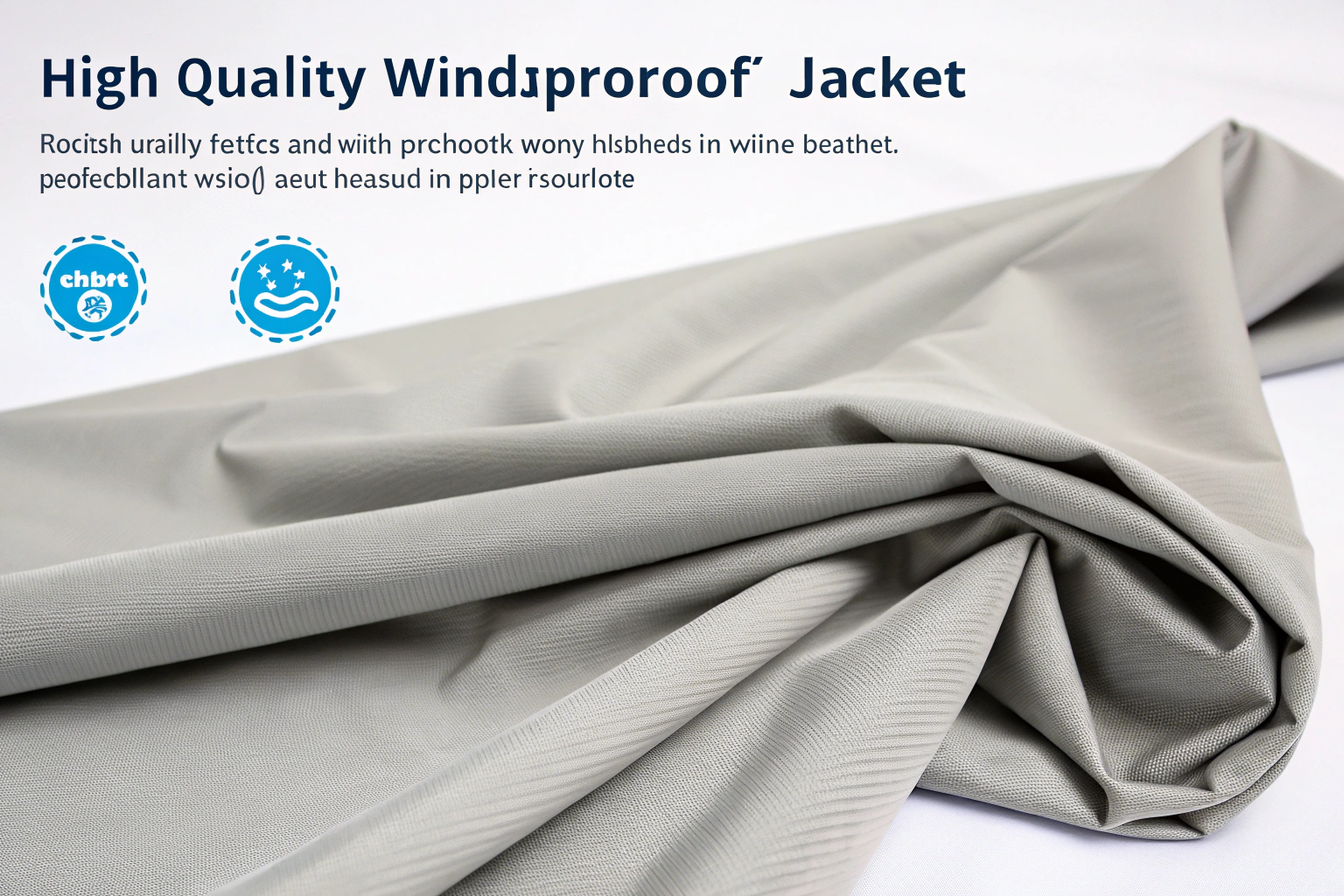
You’re developing a new line of windproof jackets. Your brand’s reputation hinges on selecting the right fabric. But with so many technical options, the choice becomes overwhelming. Picking the wrong material can lead to customer complaints, returns, and a damaged brand image. The stakes are high. You need a fabric that is truly windproof, durable, and aligns with your production timeline and budget.
The best fabrics for windproof jackets are tightly woven or laminated materials that create a barrier against air penetration. High-density nylon and polyester fabrics, especially those with a polyurethane (PU) or polytetrafluoroethylene (PTFE) membrane like Gore-Tex, are industry standards. The "best" choice, however, ultimately depends on the specific balance of windproofness, breathability, durability, cost, and sustainability required for your target market. At Fumao Textiles, we specialize in guiding brands through this critical selection process to find the optimal fabric solution.
Let’s break down the complex world of windproof fabrics. We will explore the top material choices, the critical role of fabric construction, the latest sustainable innovations, and how to ensure consistent quality from your supplier. This guide will equip you with the knowledge to make an informed decision for your next collection.
What are the top fabric choices for windproof performance?
When wind chill is a primary concern, not all fabrics are created equal. The goal is to prevent air from passing through the textile while managing moisture vapor from the body. The most effective solutions fall into two main categories: densely woven fabrics and modern laminated membranes.
High-density woven fabrics are the traditional warriors of wind resistance. Think of materials like Microfiber Polyester Taffeta or Ripstop Nylon. The secret here is the thread count. By weaving fine threads very tightly together, the gaps between the yarns are minimized, creating a physical shield against the wind. These fabrics are known for their excellent durability and abrasion resistance, often at a more accessible price point than high-tech laminates. For example, our 240T Polyester Pongee is a popular choice for value-oriented windbreakers and casual outerwear, offering reliable protection without excessive cost.
For superior performance in harsh conditions, laminated membranes are the gold standard. These are ultra-thin films permanently bonded to the face fabric. The magic lies in the microscopic pores of the membrane, which are small enough to block wind and liquid water but large enough to allow sweat vapor to escape. The most famous example is Gore-Tex, a type of PTFE membrane. However, high-quality Polyurethane (PU) membranes are a fantastic and often more cost-effective alternative. We work closely with our clients to develop custom laminated fabrics, adjusting the weight of the face fabric and the type of membrane to achieve the exact balance of windproofness, waterproofness, and breathability their designs demand.
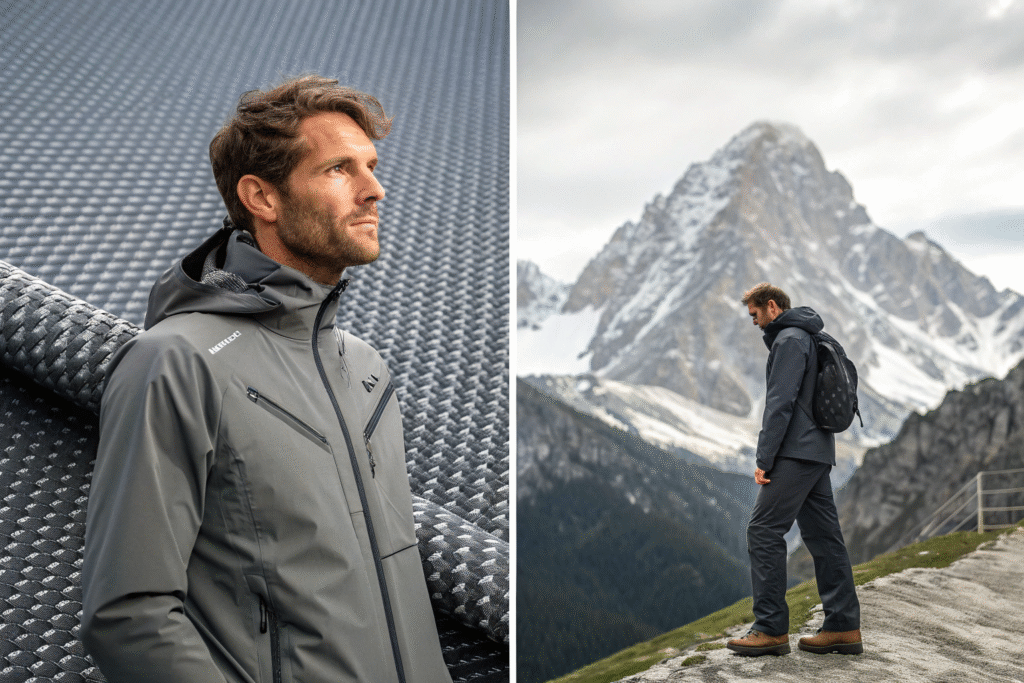
How does a tightly woven fabric achieve windproofness?
The principle is straightforward: reduce the gaps. Imagine a sieve versus a solid plate. A standard woven fabric has visible holes between the warp and weft threads, allowing air to flow through easily. A windproof fabric, however, uses exceptionally fine yarns—often microfilaments—woven together at an extremely high thread count. This creates a surface where the gaps are so small that wind molecules cannot easily penetrate. It’s a physical barrier. The quality of the yarn and the precision of the weaving process are critical. Any inconsistency can create a weak spot. At our CNAS-certified lab, we rigorously test the air permeability of our woven fabrics to ensure they meet the specified standards, often achieving results below 5 CFM (cubic feet per minute), which is considered highly wind-resistant.
What is the difference between a 2-layer and 3-layer laminate?
This is a key question for performance outerwear. The difference lies in the construction and intended use. A 2-layer laminate has the membrane bonded to the face fabric, with a separate, loose lining hanging inside the jacket. This construction is generally more affordable, softer, and quieter, making it ideal for everyday jackets and casual wear. However, the hanging liner can be less durable over the long term. A 3-layer laminate sandwiches the membrane between the outer face fabric and an inner scrim or lining fabric, all bonded into a single, durable piece. This construction is lighter, more packable, and exceptionally durable, as the inner layer protects the delicate membrane from abrasion and body oils. It is the preferred choice for high-performance mountaineering, hiking, and professional gear where weight and reliability are paramount.
Why is fabric construction as important as fiber content?
You can have the finest nylon yarns, but if they are woven poorly, the jacket will fail. The fiber type (e.g., nylon, polyester) provides the base properties like strength and dye affinity. However, it is the construction—the way those fibers are turned into a fabric—that ultimately defines its windproof character and durability.
The weave pattern is the first factor. A plain weave is the most basic and, when executed with high-density threads, can be very effective. However, ripstop weaves offer a significant advantage for windproof apparel. Ripstop incorporates thicker reinforcement threads at regular intervals, creating a grid pattern that resists tearing. If a small puncture occurs, the ripstop grid confines the damage, preventing it from spreading. This makes jackets much more resilient against branches, rocks, and general wear and tear. Furthermore, the finishing processes applied after weaving are crucial. Calendaring is a process where the fabric is passed through hot, heavy rollers. This flattens the yarns and closes the microscopic gaps between them, enhancing wind resistance without adding weight or compromising the hand feel.
Beyond weaving, the application of Durable Water Repellent (DWR) finish is non-negotiable for windproof performance. A windproof fabric that soaks up water like a sponge becomes heavy, cold, and loses its breathability. The DWR finish creates a hydrophobic layer on the fabric’s surface, causing water to bead up and roll off. This keeps the outer fabric dry, maintaining its air permeability and ensuring the underlying membrane (if present) can function correctly. It’s important to note that DWR can wear off over time with abrasion and washing, but high-quality formulations from Fumao are designed for longevity and can be reapplied by the end-user.
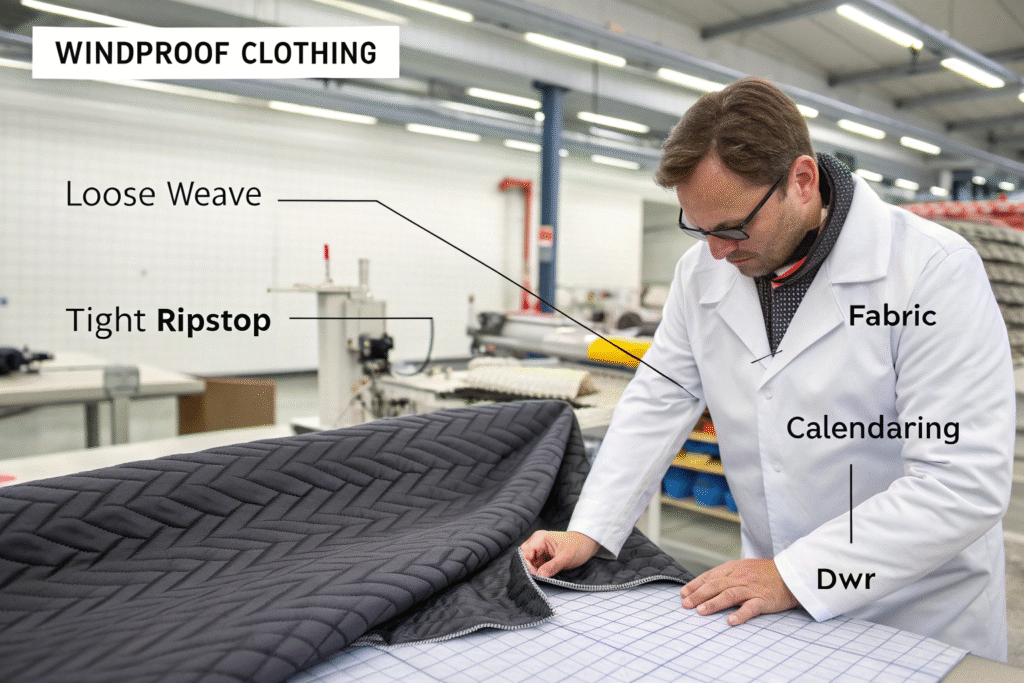
How does a ripstop weave enhance durability?
Ripstop is a genius innovation in fabric engineering. The core idea is damage control. By weaving a grid of thicker, stronger yarns into the base fabric, you create a series of small, reinforced boxes. If a sharp object punctures one of these boxes, the tear is stopped by the surrounding robust threads. This prevents a small snag from turning into a large, garment-ruining rip. For windproof jackets, this is critical because a compromise in the fabric’s integrity directly compromises its ability to block wind. We offer a wide range of ripstop options, from classic nylon to advanced recycled polyesters, in various grid sizes and weights to suit different aesthetic and performance needs for your activewear line.
What is the role of a DWR finish?
Think of DWR as the first line of defense. Its primary role is to prevent the outer layer of the fabric from becoming saturated with water. When the face fabric is wet, it blocks the pores of any underlying membrane, destroying the jacket’s breathability. You end up wet from your own perspiration. A high-quality DWR causes water to form beads on the surface, which then roll away. This is often called the "bead-up and roll-off" effect. It keeps the surface dry and allows moisture vapor from inside to pass through. We test our DWR finishes extensively for abrasion resistance and wash durability, ensuring your jackets maintain their performance through many cycles of use and cleaning.
Can sustainable fabrics be truly windproof?
Absolutely. The era of having to choose between eco-consciousness and high performance is over. Advances in textile recycling and bio-based materials have led to the development of sustainable fabrics that meet and even exceed the performance of their conventional counterparts.
The most significant breakthrough is in recycled polyester (rPET). By processing post-consumer plastic bottles into high-quality yarns, we can create fabrics that are functionally identical to virgin polyester in terms of windproofness, strength, and dyeability. Our rPET-based windproof fabrics are a huge hit with European and North American brands looking to reduce their environmental footprint without compromising on specs. Similarly, recycled nylon, sourced from fishing nets and industrial waste, is another excellent option. Beyond recycled synthetics, we are pioneering fabrics using Lyocell (Tencel™) blends. While not inherently windproof, when woven into high-density constructions or laminated, they offer a exceptionally soft hand feel and superior moisture management, appealing to a growing market of conscious consumers.
The innovation continues with plant-based coatings and membranes. While traditional PU coatings are derived from petroleum, new bio-based PUs are entering the market. These coatings provide the same reliable wind and water barrier but with a significantly lower carbon footprint. For brands committed to sustainability, partnering with a supplier like Fumao, who has a documented green investment and holds relevant EU eco-certifications, is no longer a niche advantage—it’s a core competitive edge. We can provide full transparency on the recycled content and environmental impact of your chosen fabric, from yarn to finished garment.
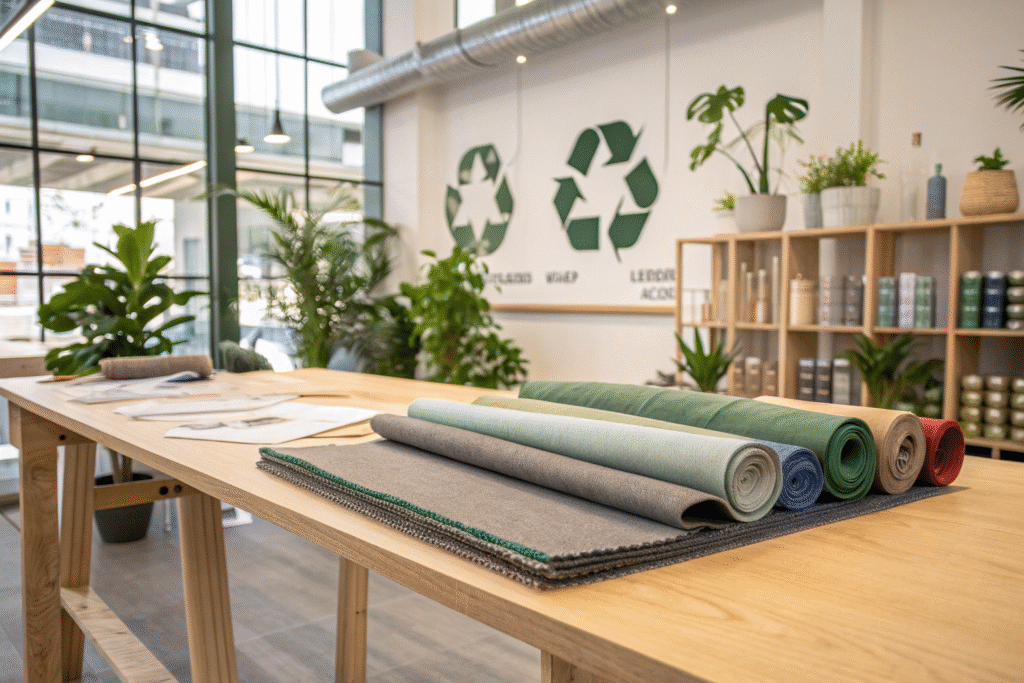
What are the performance characteristics of recycled polyester?
Recycled polyester (rPET) performs identically to virgin polyester in windproof applications. The chemical structure of the polymer is the same; only its origin differs. rPET fabrics can be woven into high-density, lightweight constructions and are perfectly suited for lamination with membranes. They offer excellent tensile and tear strength, ensuring the jacket can withstand rugged use. A key advantage is that rPET is readily recyclable again at the end of the garment’s life, supporting a circular economy. We ensure our rPET supply chain is certified, providing you with the documentation needed to make valid sustainability claims for your brand.
Are there eco-friendly alternatives to PU coatings?
Yes, the market is evolving rapidly. Bio-based Polyurethane (Bio-PU) is the leading alternative. It is synthesized using a significant portion of raw materials derived from renewable sources like corn sugar or castor oil, instead of 100% petroleum. The resulting coating performs similarly to conventional PU in terms of windproofing, waterproofing, and durability. Another area of development is in water-based PU coatings, which eliminate the use of harmful solvents during the manufacturing process, reducing VOC emissions and making the production safer and greener. We actively collaborate with chemical partners to test and integrate these advanced, eco-friendly finishing technologies into our fabric offerings.
How to verify the quality and windproof claims of a fabric supplier?
A supplier’s claim is just words until it’s backed by data. For a critical component like a windproof fabric, trusting but verifying is essential. The risks of poor quality include product failure, reputational damage, and financial loss. A professional supplier will welcome your scrutiny and provide transparent access to their quality assurance processes.
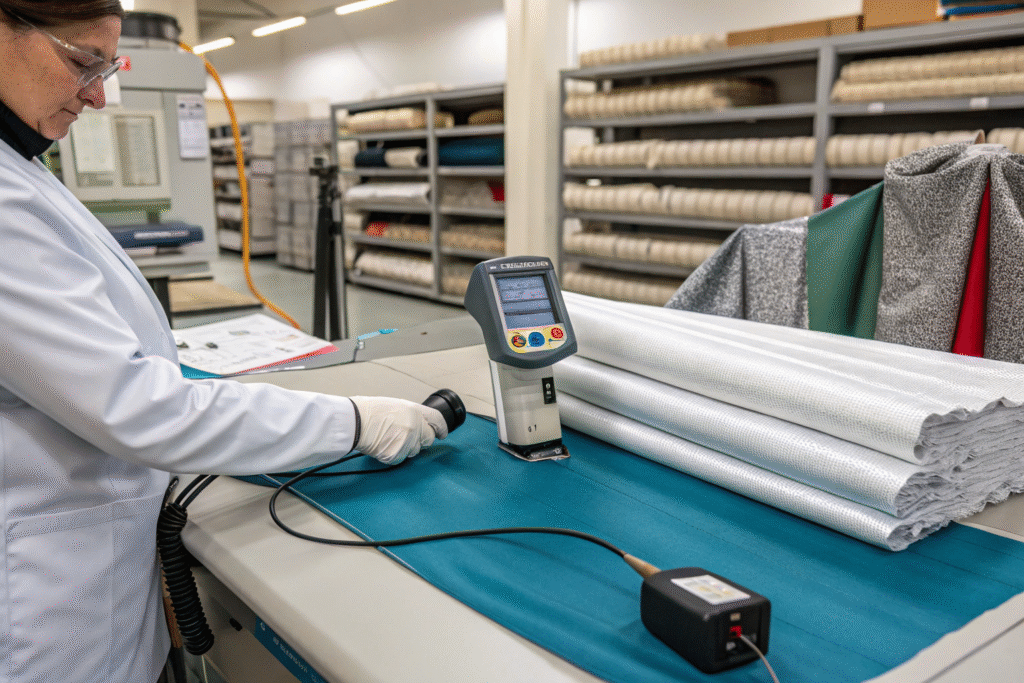
The cornerstone of verification is independent, third-party testing. Reputable labs like SGS or ITS provide standardized tests that are recognized globally. The key test for windproofness is Air Permeability (e.g., ISO 9237). This test measures the volume of air that passes through a fabric under a specific pressure. A lower CFM rating means better wind resistance. You should request these test reports for the specific fabric you are ordering. Beyond windproofing, also ask for tests on water resistance, colorfastness to rubbing and washing, and tear strength. At Fumao, our CNAS-accredited in-house lab conducts these tests on every batch, and we provide QR codes that give you instant access to the full test data for complete traceability.
Finally, the proof is in the product. Before placing a bulk order, always insist on physical fabric swatches and prototype garments. Examine the swatch for consistency in weaving, coating, or lamination. Feel the hand feel—is it appropriate for your end-use? For the prototype, conduct real-world tests. Wear it in windy conditions. Check the stitching and seam sealing. A reliable supplier will have a robust Quality Control team that oversees production from the greige fabric stage through to final inspection and packing. They should be your partner in quality, not just a vendor.
What key certifications should I look for in a supplier?
Certifications are a quick way to assess a supplier’s commitment to quality and ethics. For quality management systems, look for ISO 9001. For environmental management, ISO 14001 is key. If they have an in-house lab, a CNAS accreditation (as we have) signifies that the lab operates to international standards, and its test data is highly reliable. For the fabrics themselves, depending on your market, you may need OEKO-TEX Standard 100 (ensuring the fabric is free from harmful substances) or GRS (Global Recycled Standard) for recycled materials. A supplier that invests in these certifications demonstrates a professional, long-term approach to business.
Why is on-site inspection and a professional QC team critical?
Because some things can’t be seen in a test report. An on-site inspection allows you to verify the supplier’s capabilities firsthand. You can see the machinery, observe the production environment, and meet the QC team. A professional QC team is your eyes on the factory floor. They conduct During Production Inspections (DUPRO) and Final Random Inspections (FRI) to catch issues early. They check for defects like weaving errors, coating inconsistencies, color deviations, and incorrect roll length. This proactive approach prevents defective products from being shipped, saving you from the immense cost and hassle of dealing with faulty goods overseas. Our QC team works closely with clients to implement inspection protocols tailored to their specific quality standards.
Conclusion
Choosing the best fabric for windproof jackets is a multi-faceted decision. It balances the raw material—be it high-density nylon, polyester, or advanced laminates—with the critical details of construction, such as ripstop weaves and DWR finishes. Today, this decision also rightly includes a strong consideration for sustainability, with high-performing recycled and bio-based options readily available. The ultimate success of your product, however, hinges on partnering with a supplier who can not only provide these fabrics but also back them up with transparent data, rigorous testing, and unwavering quality control.
At Fumao Textiles International, we bring over 20 years of expertise in developing and manufacturing technical fabrics for global brands. From our strategic base in Keqiao, China, we offer a full package service, from agile R&D and sample development in 48 hours to comprehensive quality assurance and global logistics. We understand the challenges of pricing, tariffs, and timely delivery, especially for the US market, and we have the supply chain resilience to navigate them effectively. If you are ready to develop high-quality, windproof jackets that your customers will love, we invite you to connect with us.
Please contact our Business Director, Elaine, at elaine@fumaoclothing.com to discuss your specific fabric needs and request samples. Let’s co-create value for your next outdoor collection.