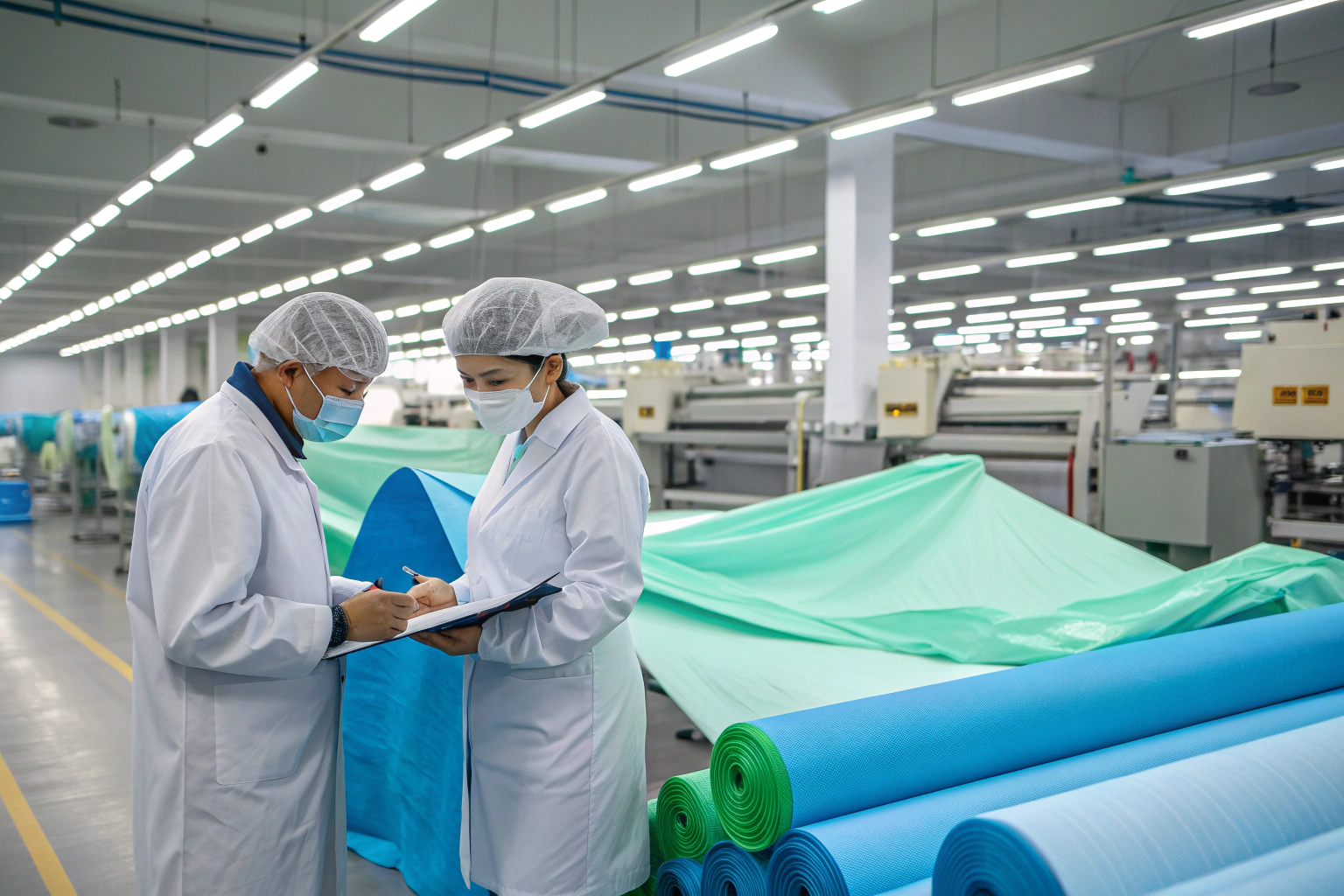
When you need to buy medical fabrics, one of the biggest challenges is trust. You worry about whether the materials will truly block bacteria, whether they meet international safety standards, and if they will pass customs checks without problems. Many buyers experience delays or financial losses because they unknowingly purchased non-compliant products. As someone with rich academic expertise and professional knowledge in this field, I want to share practical and research-based insights to help you source wisely.
The best way to avoid these risks is to source fabrics that are ISO 22612 tested, which ensures they meet strict bacterial filtration standards for surgical use.
ISO 22612 is the international benchmark for protective clothing against infectious agents. By knowing how to identify compliant suppliers, verify certificates, and manage logistics, you can secure safe and profitable sourcing.
What Does ISO 22612 Certification Mean?
When people search for surgical fabrics, they often get confused about the real meaning of ISO 22612. Without this understanding, it is impossible to know if a supplier is credible.
ISO 22612 is the standard that measures a fabric’s resistance to penetration by dry, bacteria-carrying particles, which is critical for protective clothing like surgical gowns and drapes.

ISO 22612 testing simulates how bacteria in dust or dry particles can travel through fabrics in real-life medical settings. This ensures that textiles act as a proper barrier, reducing infection risks during operations.
How is ISO 22612 testing performed?
Testing uses talc or another dry carrier contaminated with bacterial spores such as Bacillus subtilis. The textile sample is exposed to vibration. Any particles that penetrate are captured on a sedimentation plate. After incubation, colony counts show whether the barrier is effective. You can read more about the ISO 22612 test method or visit NDLS Standards.
Why is ISO 22612 critical for medical buyers?
If you buy surgical textiles without ISO 22612, you may face customs rejections in the EU or U.S., or worse, product recalls after sales. Verified fabrics guarantee protection, patient safety, and compliance with medical device regulations. Leading labs like Hohenstein provide accredited testing, while organizations such as Pacific Certifications support international buyers with verification services.
Where to Find Reliable ISO 22612 Tested Suppliers?
Finding the right supplier is harder than it looks. Many companies claim compliance but lack genuine certification.
The most reliable way is to choose suppliers with in-house labs or accredited third-party test reports, combined with strong export experience.

Which global regions are most reliable for sourcing?
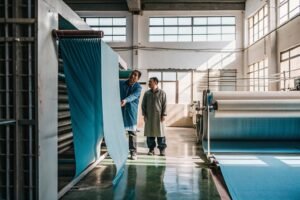
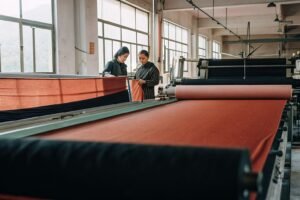
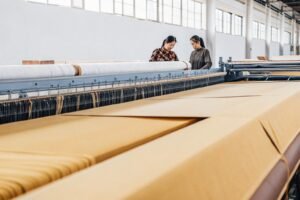
Keqiao in Zhejiang, China, is one of the largest textile hubs worldwide. Here, integrated manufacturers can produce, test, and export ISO-certified fabrics quickly. You can learn more from Fumao Fabric’s sourcing guide. European labs such as Centexbel also provide verification services for buyers who want additional security.
What should you check in supplier documentation?
Always request CNAS- or ISO17025-accredited lab reports. Cross-check the validity of certificates through the issuing lab’s database. Reputable organizations like SGS or Intertek provide transparent and verifiable reports. If a supplier avoids sharing official test results, consider it a red flag.
How to Verify ISO 22612 Test Reports?
It is not enough to accept documents at face value. Buyers must know how to validate reports to avoid fraud.
To verify ISO 22612 compliance, cross-check certificates with the testing lab and confirm details such as sample ID, date, and accreditation status.
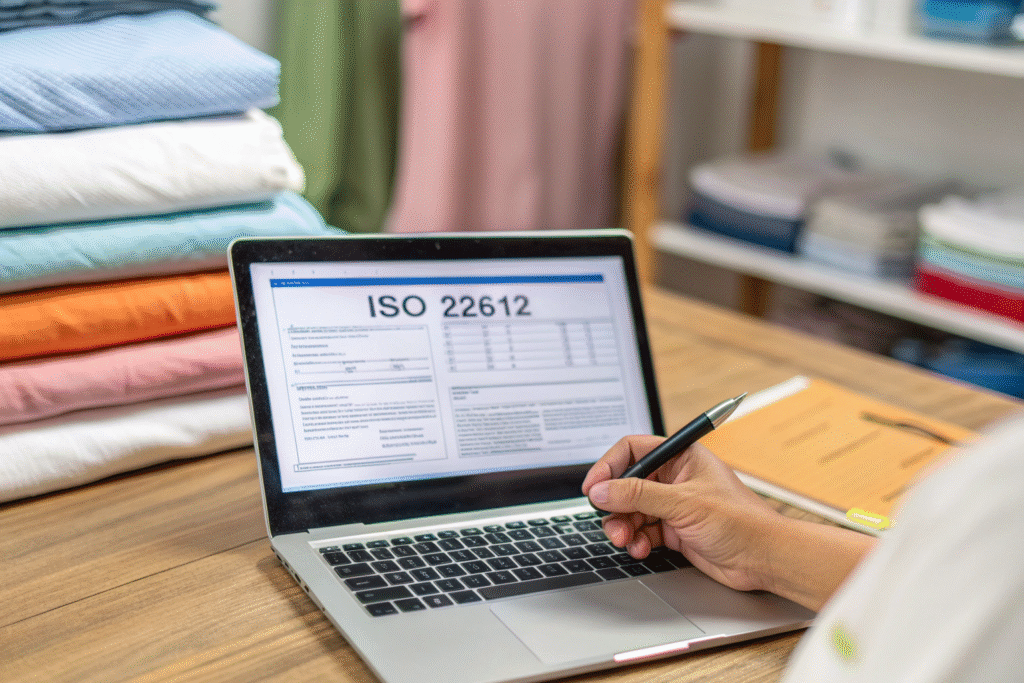
How can buyers cross-check lab reports?
You can request the lab’s online verification or call their certification office. For example, Intertek Verification or SGS Certification services allow direct checks. Each report must list the tested sample, ISO standard, and test date.
What are common warning signs of fake certificates?
If the supplier only shares scanned PDFs without lab contact info, it may be fake. Another warning is when the report references standards unrelated to medical textiles. Reliable certificates should clearly mention ISO 22612 and the accredited lab details. Using trusted bodies such as PacCert minimizes this risk.
Buyer Best Practices for Surgical Textile Sourcing
Even with certificates, sourcing can fail without good practices. Delays, tariffs, or hidden costs can affect profitability.
Best practices include requesting third-party test reports, managing shipping risks, and building long-term partnerships with innovative suppliers.

How should buyers negotiate with suppliers?
Ask for quicker sampling (48 hours or less) and clarify minimum order quantities. Negotiate delivery terms such as bonded-warehouse or duty-free shipping to reduce tariff risks. For guidance, see Alibaba’s sourcing tips and Global Trade Compliance guidelines.
Why should buyers build long-term partnerships?
Reliable suppliers continuously invest in R&D, eco-friendly production, and testing upgrades. Partnering with such companies ensures stable supply even during global disruptions. You can check sustainability-focused textile initiatives on Textile Exchange and OEKO-TEX.
Conclusion
Sourcing ISO 22612-tested bacterial filtration surgical textiles is not just about price. It is about safety, compliance, and trust. By understanding what ISO 22612 means, choosing reliable suppliers, verifying test reports, and applying smart sourcing practices, buyers can secure consistent quality and avoid costly risks.
If you are ready to secure your own compliant medical fabrics, Shanghai Fumao offers one-stop support from weaving, dyeing, printing, embroidery, coating, and inspection to packaging and export. For your custom orders, contact our Business Director Elaine at elaine@fumaoclothing.com today.