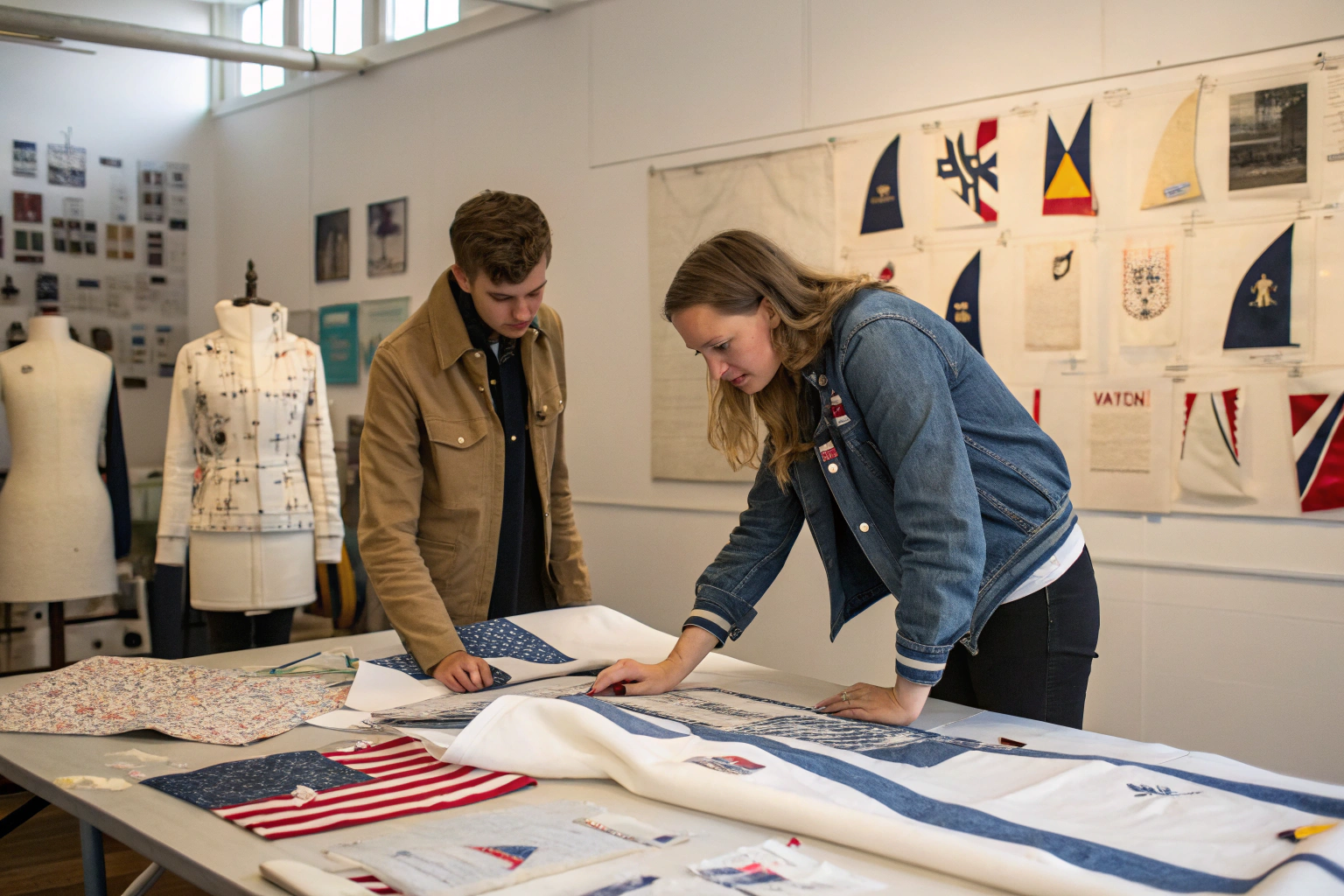
Recycled sailcloth is one of the most sought-after raw materials in the upcycled fashion movement. With its maritime past, extreme durability, and unique patina, sailcloth lends both a rugged aesthetic and sustainable storytelling to modern collections. But sourcing authentic sailcloth—recycled, traceable, and ready for production—is not as straightforward as it seems.
To source recycled sailcloth for upcycled fashion, you must build direct relationships with sail recycling networks, partner with specialized upcycling suppliers, and understand how to evaluate material quality, treatment, and compliance.
If you’re a designer, buyer, or sustainable brand looking to integrate post-consumer marine fabric into your supply chain, here’s your definitive guide.
Where Does Recycled Sailcloth Come From?
Sailcloth doesn’t just appear in bulk on fabric wholesale platforms. It’s usually salvaged from decommissioned boats, shipyards, yacht clubs, and regatta sponsors. The material can include everything from woven polyester (Dacron) to high-tech composites used in racing sails.
Most recycled sailcloth comes from sailmakers, boatyards, and marine waste collection programs that partner with fabric upcyclers and sustainable designers.
What Types of Sailcloth Are Commonly Recycled?
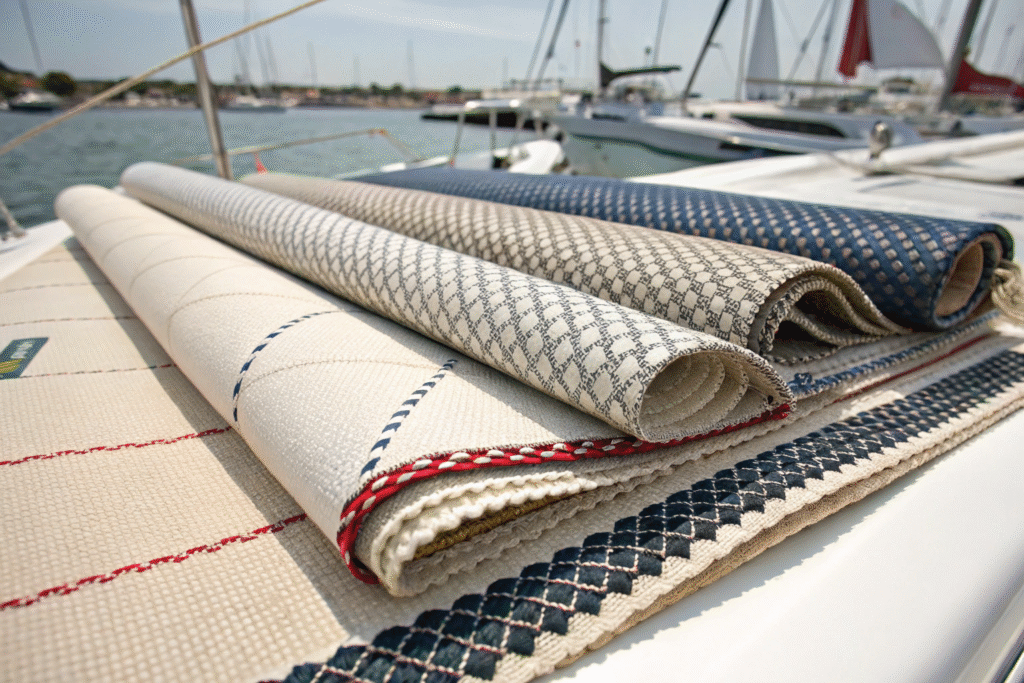
The most popular reclaimed sail materials include:
- Dacron (polyester) – used in cruising sails, known for stiffness and white finish
- Mylar/Kevlar laminates – performance racing sails with transparent or golden mesh
- Carbon fiber sails – lightweight, high-tech fabrics from high-performance boats
- Canvas or cotton duck – rare antique sails used for vintage aesthetics
These reclaimed materials offer unique textures and visual interest, as seen in brands like Sea Bags and Notabag.
Who Collects and Sells Used Sails?
Specialized suppliers like Resails, Upcycle It Now, and nonprofit orgs like Sailors for the Sea act as middlemen between boat owners and fashion brands. In China, companies like Fumao Fabric collaborate with boat dismantling yards and overseas NGOs to collect discarded sails in bulk and reprocess them for textile use.
How Do You Evaluate the Quality of Recycled Sailcloth?
Recycled sailcloth varies in condition—from lightly worn to heavily stained or delaminated. Each piece tells a story, but buyers must also assess usability and performance.
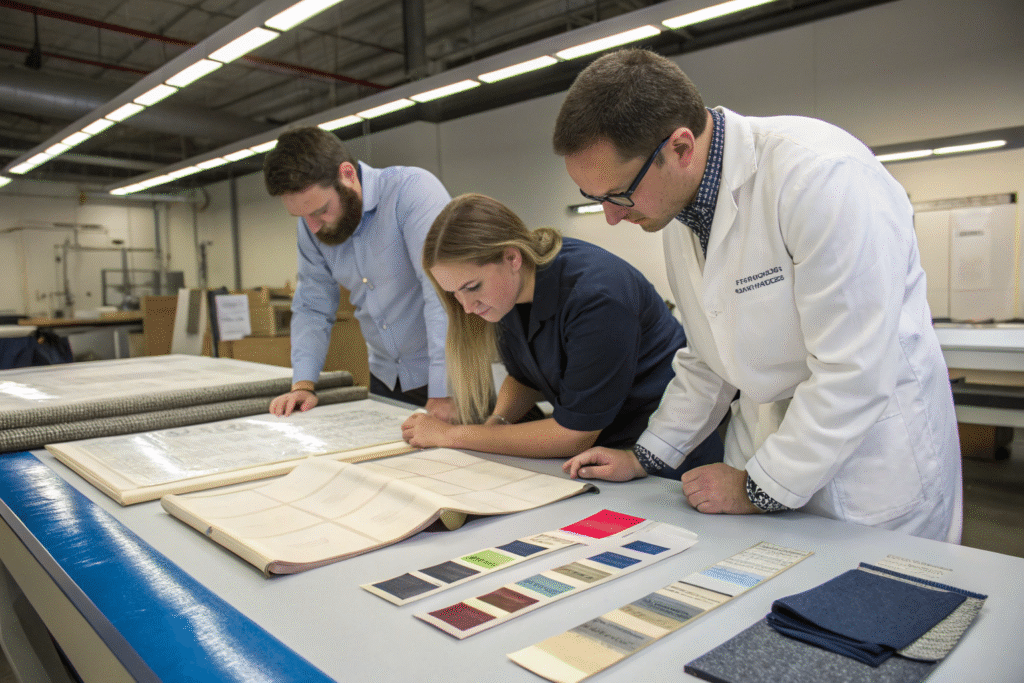
Before you buy, evaluate durability, residue levels (salt, oil, mildew), fiber breakdown, and processability for sewing, printing, or coating.
What Physical Properties Should You Look For?
Check for:
- Structural integrity: no excessive UV degradation or cracking
- Surface cleanliness: avoid moldy or oily sails unless you’re prepared to deep-clean
- Stitch holes: look for minimal puncture damage
- Delamination: common in laminated sails (Mylar) and reduces sewability
More technical testing parameters can be reviewed on SGS Textile Testing and Intertek’s Fabric Durability Services.
Are There Sustainable Cleaning and Pre-Treatment Options?
Yes. Salt and mildew must be removed using biodegradable degreasers and mild acids. At Fumao, we use ultrasonic cleaning combined with ozone sterilization—minimizing fiber damage and avoiding heavy chemicals.
Textile cleaners like Ecolab or ChemDry Green Certified also supply sustainable cleaning solutions suited for delicate post-consumer materials like sailcloth.
What Are the Best Uses for Recycled Sailcloth in Fashion?
Sailcloth isn’t just fabric—it’s a narrative material. Every scuff, logo, or fray adds value to an upcycled garment, especially for brands emphasizing “story per stitch.”
Recycled sailcloth works best in products where strength, structure, and visual uniqueness are part of the design story—like bags, outerwear, patches, or accessories.
What Fashion Items Are Ideal for Sailcloth?
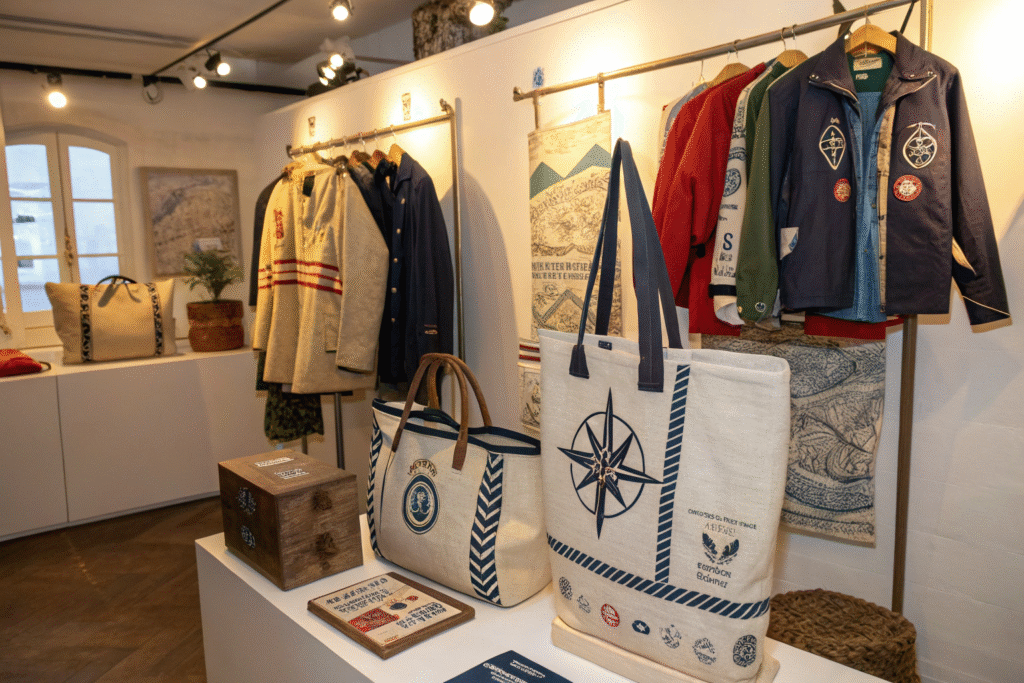
Sailcloth is typically used in:
- Totes and duffel bags
- Bucket hats and caps
- Patchwork jackets or windbreakers
- Laptop sleeves or tech pouches
- Shoes (toe caps, uppers)
Innovators like Sealand Gear and Rareform have built entire brands using reclaimed sails and advertising vinyl.
Can Sailcloth Be Dyed, Printed, or Coated?
Dacron and laminated sails are not very dye-absorbent but can be screen printed or vinyl-laminated. Heat transfer labels and laser etching also work well. At Fumao, we’ve successfully coated reclaimed sailcloth with TPU for waterproof outerwear and added reflective piping for safetywear lines.
Our partner dyehouses use low-temperature pigment baths compatible with synthetic blends, and we can also emboss logos directly onto sail panels for branded effect.
How Can You Build a Reliable Sailcloth Supply Chain?
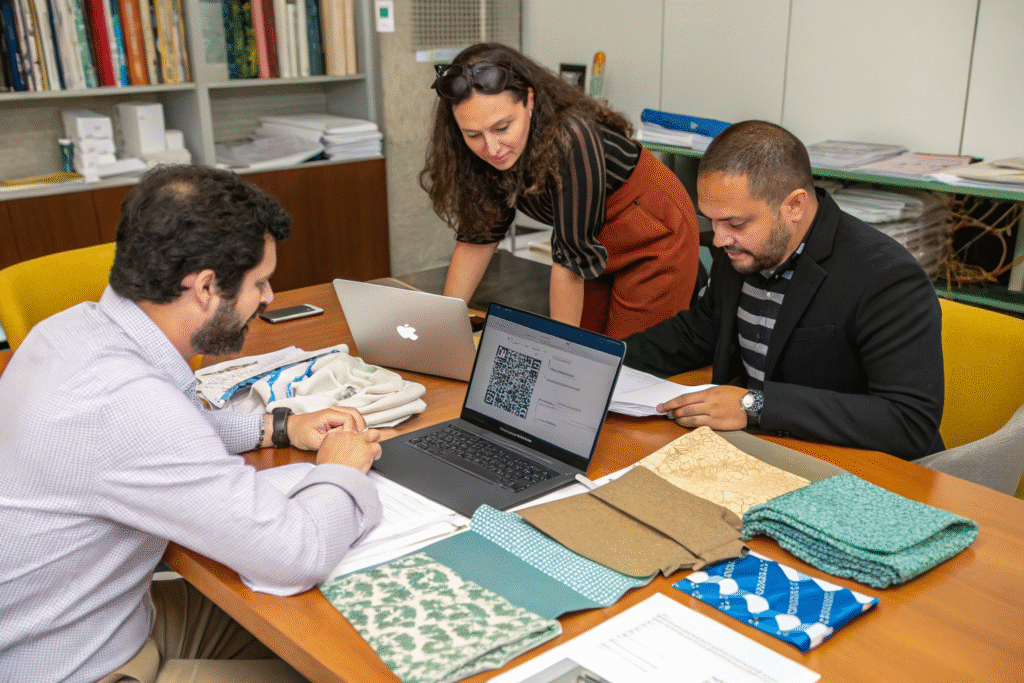
Sourcing recycled sailcloth at scale requires systems. It’s not as straightforward as ordering rolls from a mill. Brands must partner with intermediaries who collect, inspect, and rework sails for textile use.
A stable supply chain starts with supplier transparency, batch-level quality control, and logistics management across multiple ports and facilities.
What Role Do Upcycling Hubs and NGOs Play?
Upcycling hubs like Circular Systems or Reverse Resources map global waste flows and help brands match to verified sources. NGOs working with coastal waste—such as Parley for the Oceans—can supply larger volumes in partnership with companies like us.
These platforms track environmental impact through blockchain or QR traceability, which Fumao integrates into packaging and customs documentation.
How Can Fumao Fabric Support Your Upcycled Sailcloth Needs?
At Fumao, we:
- Source post-consumer sails from Europe, Southeast Asia, and China
- Clean and pre-treat sails using ozone sterilization and water-efficient methods
- Inspect and grade panels (A/B/C) with QR-coded batch tracking
- Customize thickness, coating, or laminate for different fashion applications
- Offer low MOQs for creative startups and bulk rates for larger collections
We ship globally with DDP or FOB terms, helping brands align with circularity goals while preserving cost-efficiency and aesthetics.
Conclusion
Recycled sailcloth brings durability, heritage, and storytelling to sustainable fashion. Whether you’re a startup designing one-of-a-kind totes or an established brand scaling eco collections, sourcing quality material means aligning with trustworthy recovery networks, upcycling specialists, and compliant fabric processors.
At Shanghai Fumao, we do more than repurpose fabric—we repurpose purpose. Our sailcloth solutions include certified traceability, lab-tested cleaning, and custom modifications for modern fashion use.
Reach out to our Business Director Elaine at elaine@fumaoclothing.com to begin your upcycled sailcloth project with a team that’s built to scale your creativity and sustainability impact.