Let me paint you a picture I’ve seen at least fifty times in my career. A buyer from a mid-market fashion brand finds a woven poplin quote online for $1.85 per yard. Their current supplier is charging $2.35. They think they’ve just won the lottery. They place a 20,000 yard order, wire the deposit, and wait. The fabric arrives. It looks okay on the inspection table under dim warehouse lights. Then the cutting room starts. Needles break every 200 yards because the yarn has thick and thin slubs. The shrinkage rate is 8% instead of the promised 3%, so all the size Mediums come out looking like Smalls after the first wash. And the color? It crocks onto everything—white collars, handbags, the customer’s skin. That $0.50 per yard "saving" just turned into a $12,000 air freight bill for replacement fabric and a $40,000 write-off on unsellable inventory. I watched this exact scenario unfold with a client in Miami in early 2025. They chased the cheap quote and ended up paying triple.
The hidden costs of cheap woven fabric sourcing are not hidden to the supplier selling the cheap fabric. They know exactly what corners they cut. The hidden costs are hidden from you, the buyer, because they don’t appear on the proforma invoice. They show up later as production delays, quality rejections, customer returns, and brand reputation damage. The true cost of fabric is never the FOB price per yard. It’s the landed cost per sellable garment.
At Shanghai Fumao, we see this daily. We compete against mills offering prices we literally cannot match without breaking the law or lying about the fiber content. And when we get the "why are you 20% higher?" email, I have to explain that we’re not higher—we’re just honest about what it actually costs to make fabric that doesn’t fall apart. Let’s break down where those ghost costs hide and how they ambush you long after the container is unloaded.
Why Does Cheap Woven Fabric Cause Higher Cutting Room Waste?
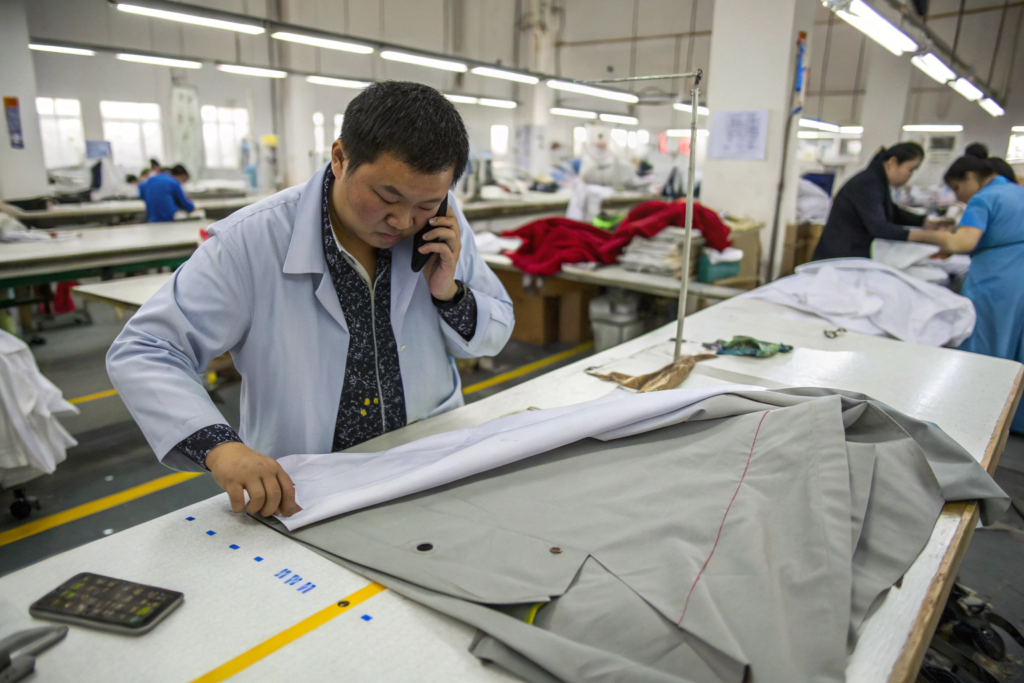
The cutting room is where the first domino falls. When you buy fabric based purely on a price-per-yard comparison, you’re assuming that every yard you paid for is usable. That assumption is wrong. Cheap woven fabric often arrives with what we call "invisible defects" that only become visible when the fabric is spread out on a 20-yard cutting table under proper lighting. Suddenly, you see the warp streaks, the stop marks from the loom, and the reed marks that the greige inspector "missed."
I had a client producing chef coats in Los Angeles. They switched to a lower-cost twill from a mill in another province. The price difference was $0.62 per yard. They ordered 8,000 yards. When their cutting room started work, the cutting manager called me in a panic. "Ron, we’re losing almost 12% of the fabric to defects." The selvedge-to-selvedge width varied by almost an inch every 50 yards. The cutting markers they had prepared assumed a consistent 58" width. When the fabric narrowed to 57", the pattern pieces didn’t fit. They had to stop, re-marker, and cut around the narrow sections. That 12% waste wiped out the entire cost savings and then some. Their actual cost per usable yard ended up higher than my original quote.
How Do Fabric Defects Translate Into Dollar Losses?
Let’s put some real numbers on this because vague warnings don’t hit the same way a spreadsheet does. This is a scenario based on an actual 2024 order we audited for a client who came to us after a sourcing disaster.
| Cost Factor | Premium Woven (Our Spec) | Cheap Woven (Competitor Quote) |
|---|---|---|
| Quoted Price (FOB) | $2.40 / yard | $1.90 / yard |
| Order Quantity | 10,000 yards | 10,000 yards |
| Invoice Cost | $24,000 | $19,000 |
| Defect Rate (Cutting Waste) | 2.5% (Industry standard) | 11% (Actual measured) |
| Usable Yardage | 9,750 yards | 8,900 yards |
| Actual Cost Per Usable Yard | $2.46 | $2.13 |
The cheap fabric is still cheaper per usable yard, right? $2.13 vs $2.46. The buyer saved $0.33 per yard, or about $3,200 on the order. But we haven’t factored in the labor cost of the cutting room. Every time a cutter has to stop the spreader to cut out a defect, that’s time. Union labor in a Los Angeles cutting room costs about $28 per hour fully loaded. If the cheap fabric causes an extra 4 hours of cutting time across the order, that’s another $112. Still, the savings are there. But wait. The real disaster hasn’t happened yet. The garment hasn’t been sewn, washed, or worn. The true hidden costs come later.
This is where understanding how to calculate actual fabric yield and marker efficiency separates professional production managers from amateurs. If you don’t track defect rate by supplier and by lot number, you are flying blind. You’re making sourcing decisions based on a number that doesn’t reflect reality.
Does Cheap Fabric Cause More Sewing Needle Breakage?
Absolutely. And this is a cost that drives factory owners insane. The sewing floor is paid by the piece. When needles break, the line stops. Operators sit idle. Mechanics run over with screwdrivers. Productivity tanks. Cheap woven fabric often contains "hard yarns"—places where the cotton wasn’t cleaned properly and contains bits of seed husk, stem, or even small stones from the ginning process. When a high-speed industrial sewing needle hits one of these at 4,000 stitches per minute, it shatters.
We tested a batch of "budget" 20/1 x 20/1 poplin from a low-cost mill in 2023. We ran it through a standard Juki lockstitch machine with a size 70 needle. On our standard fabric, needle breakage is about 1 per 8,000 stitches. On this cheap fabric, it was 1 per 1,800 stitches. That’s over 4 times the failure rate. The sewing floor supervisor told us, "If I have to run this fabric for a week, my mechanics will mutiny."
The hidden cost here isn’t just the box of needles (pennies). It’s the lost production time. If a line of 20 operators loses 15 minutes per day due to needle changes and machine re-threading, that’s 5 hours of lost labor per day. Over a 5-day week, that’s 25 hours. At a factory cost of $12 per operator hour, that’s $300 per week in pure waste. Multiply that across a 4-week production run. That $0.50 per yard savings just evaporated in sewing room inefficiency. You can read more about this on forums where sewing machine operators discuss common fabric defects and solutions—it’s a constant complaint about cheap greige goods.
How Does Shrinkage In Cheap Wovens Destroy Garment Sizing?
This is the hidden cost that comes back to haunt you through customer returns and chargebacks. Every woven cotton fabric shrinks. It’s a natural fiber. It relaxes when it gets wet. The question is how much shrinkage is acceptable. Premium woven fabric from a mill like ours is "sanforized" or "compacted." This is a mechanical process that compresses the fabric lengthwise before cutting. It pre-shrinks the fabric so that the finished garment shrinks less than 3% in home laundering.
Cheap woven fabric often skips the sanforizing process to save cost. Or they run it through the machine at double speed, which doesn’t properly compress the fibers. The mill quotes a 3% shrinkage on the spec sheet because they know that’s what buyers look for. But they haven’t actually tested it on a bulk lot. Or they tested it once on a 50-yard sample and assumed the 10,000 yards would behave the same. It doesn’t.
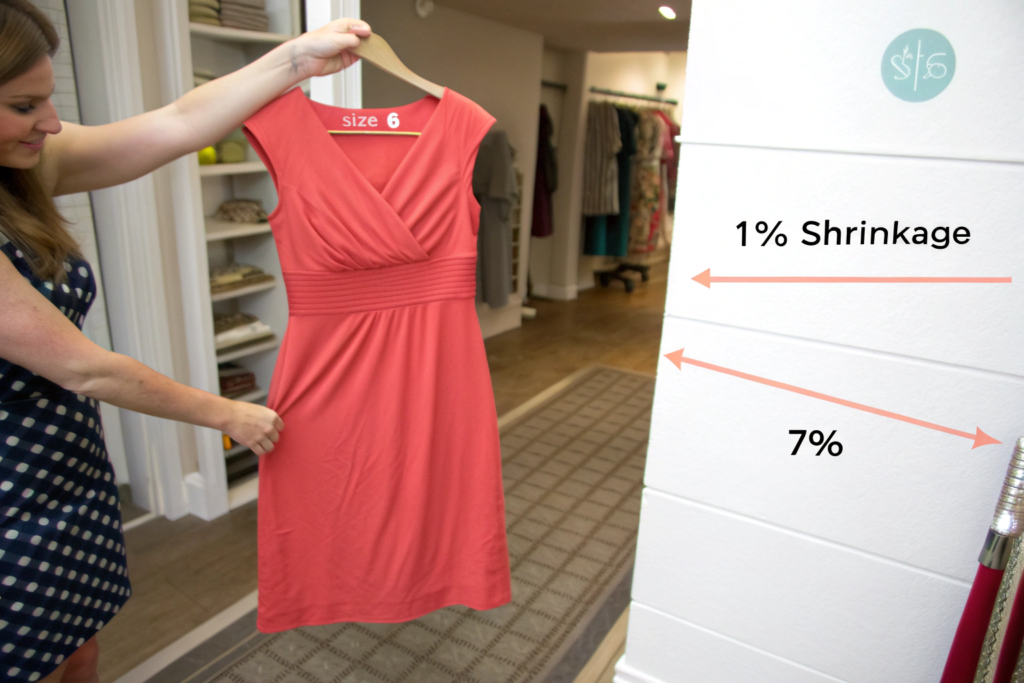
I had a womenswear brand in Chicago order a cheap viscose challis for a dress program. Viscose is notorious for shrinkage if not processed correctly. The mill claimed 4% max shrinkage. The bulk fabric shrank 11% in length and 7% in width. The size 6 dress came out of the wash fitting like a size 2. The brand had to pull the entire collection from their website and issue refunds. The chargeback to the factory? It never got paid. The factory changed their WhatsApp number and disappeared. The brand was left holding the bag.
What Is The Real Cost Of A Shrinkage-Related Return?
Let’s quantify this nightmare. Assume an online clothing brand sells a dress for $89 with free shipping and free returns.
| Cost Component | Amount |
|---|---|
| Customer Pays | $89.00 |
| COGS (Cost of Goods Sold) – Fabric & Sewing | $22.00 |
| Outbound Shipping Cost | $8.00 |
| Transaction Fee (Credit Card 2.9%) | $2.58 |
| Total Upfront Cost to Brand | $32.58 |
| Customer Returns Dress (Too Small Due to Shrinkage) | |
| Refund to Customer | -$89.00 |
| Return Shipping Cost (Paid by Brand) | -$7.00 |
| Inspection & Restocking Labor | -$3.00 |
| Total Return Cost to Brand | -$99.00 |
| Net Loss on This One Dress | -$42.58 |
The brand lost $42.58 on a dress they thought had a gross margin of $67. And that’s if the dress is in resellable condition. If the customer washed it before returning it (which they often do, not realizing shrinkage is the issue), the dress is now a "second" and can only be sold on a clearance rack for $29. The loss is even worse. One bad batch of cheap fabric with 10% shrinkage can generate hundreds of these returns. The hidden cost isn’t the $1.90/yard fabric price. It’s the $42 loss per returned garment. When you’re evaluating how to minimize ecommerce return rates for apparel brands, fabric quality is the single biggest controllable variable. Cheap fabric equals high returns. Period.
Why Do Cheap Wovens Have Inconsistent Width?
This is a problem that hits you during the marker making and spreading process, but its roots are in the weaving room. A consistent fabric width—say, 58/60" cuttable—requires the loom to maintain constant tension on the warp yarns. Cheap mills run their looms too fast. The take-up mechanism that rolls the fabric onto the cloth beam fluctuates. Sometimes it pulls harder, stretching the fabric narrower. Sometimes it pulls softer, leaving the fabric wider.
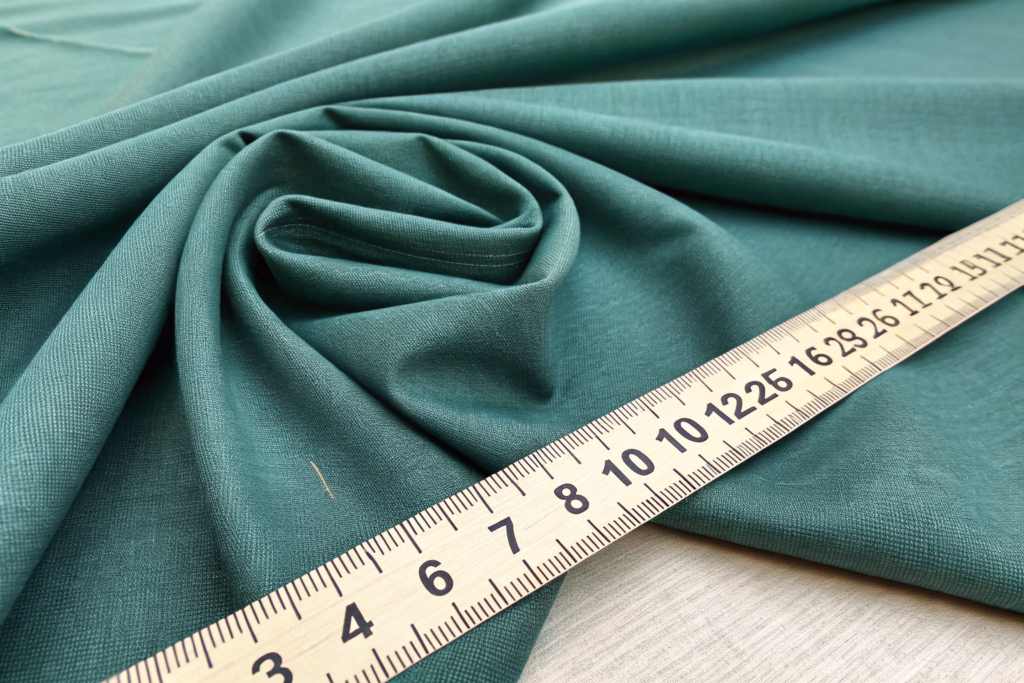
When you receive a roll of premium fabric from Shanghai Fumao, the width variation from yard 1 to yard 100 is less than 0.5 inches. When you receive a roll of cheap fabric, the width can vary by 1.5 to 2 inches within the same roll. Why does this matter? Because your cutting marker is designed for a specific width. If the fabric is 56" instead of 58", the pattern pieces at the edge of the marker fall off the fabric. The cutter has to stop, reposition the piece manually, and splice in extra fabric. This is called "end loss" or "edge loss." It adds another 2-3% to your waste factor on top of the defect rate.
(Here I have to say: our weaving manager in Keqiao checks the cloth roll width every 50 yards with a measuring tape. It’s old school, but it works. Some of these new mills? They just trust the machine sensor. And machine sensors lie when they’re not calibrated.)
This issue becomes a full-blown crisis when you’re producing garments with large pattern pieces like maxi dresses or wide-leg trousers. The fabric width determines how many garments you can cut across the width. If the width is inconsistent, your marker efficiency drops from 85% to 78%. That’s 7% more fabric needed to make the same number of garments. The cheap fabric just became more expensive because you had to buy more yards. This is a classic case of understanding fabric width variations and marker planning in garment manufacturing.
What Are The Long-Term Quality Consequences Of Cheap Dye And Finish?
The cutting room and sewing room costs are immediate. You feel them within days of receiving the fabric. The dye and finish costs are time bombs. They tick away for months after the garment is sold. The first wash, the first wear in the sun, the first time the customer wears a white tank top under the cheap woven shirt—that’s when the bomb goes off.
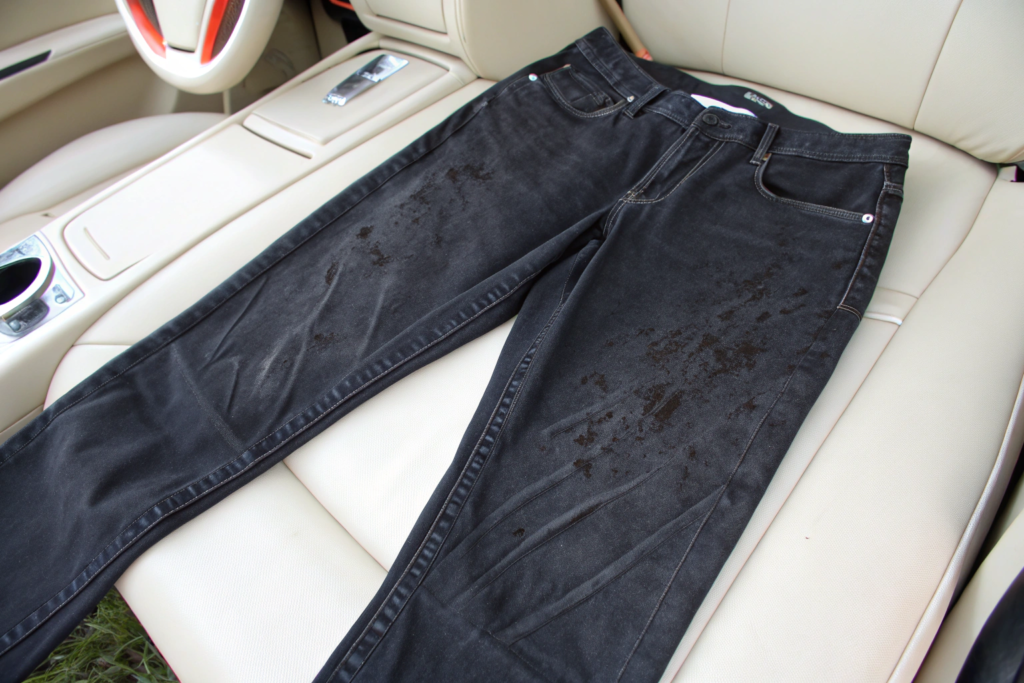
Cheap dyeing processes use lower-grade dyestuffs and minimal fixatives. The dye sits on the surface of the fiber rather than bonding with the cellulose core. This is why the color looks "bright" in the showroom but fades to a dull, chalky version after three washes. The crocking (color rubbing off) is even worse. I tested a cheap black poplin from a trade show sample last year. We did a standard AATCC 8 crock test in our CNAS lab. The dry crock was a 3.0 (borderline fail). The wet crock was a 1.5 (catastrophic fail). The white test cloth looked like we had used it to wipe down a charcoal grill. Imagine that fabric made into a pair of pants. Now imagine the customer sitting on a white leather car seat on a hot, humid day. The lawsuit potential alone should keep sourcing managers up at night.
How Does Cheap Dye Lead To Garment Returns Months Later?
Fading is a delayed reaction. The customer buys a beautiful cobalt blue woven top in April. They wear it to a summer wedding. They wash it once. It’s fine. They wash it five times. It’s now a pale, sad periwinkle. They’re annoyed, but they’ve already worn it five times, so they don’t feel they can return it. They just vow to never buy that brand again. That’s the worst kind of return—the one that doesn’t hit your P&L as a refund but hits your customer lifetime value as a lost repeat purchase.
But some customers do return faded garments, especially if it happens after the first wash. And the brand takes the return, processes the refund, and writes it off as a "customer dissatisfaction" issue. They rarely trace it back to the fabric mill’s choice of a cheap reactive dye. They just see the return rate creeping up and wonder why their marketing isn’t working. The marketing is fine. The product is failing in the field.
We had a corporate uniform supplier switch to a cheaper source for their navy blue work shirts. Six months into the contract, the facilities manager of their client (a national hotel chain) sent photos of the housekeeping staff. Some shirts were faded to a light blue-gray. Others still looked new. The color inconsistency across the team made the hotel look unprofessional. The uniform supplier lost the contract. They tried to blame us for the yarn (we supplied the greige), but our records showed the yarn was fine. The problem was the dye house they had chosen to save $0.18 per yard. They used direct dyes instead of reactive dyes for cotton—a corner-cutting move that guarantees fading. The contract was worth $240,000 annually. Gone over eighteen cents.
What About Hidden Costs In Fabric Finishes Like Softeners?
This one is sneaky because it’s invisible. Every woven fabric has some kind of finish applied after dyeing. It could be a softener to make it feel silky, a stiffener to give it body, or a water repellent for performance. Cheap mills use cheap finishes. Cheap silicone softeners, for example, feel amazing in the hand—almost too amazing. They make a rough, low-quality yarn feel like butter. Buyers love it. "Wow, this hand feel is incredible for the price!"
The problem? Cheap softeners wash out. After three home launderings, the magic is gone. The true nature of the cheap base fabric is revealed. It’s rough. It’s scratchy. It’s nothing like the sample they approved. The customer feels cheated. They bought a "luxuriously soft" shirt and ended up with sandpaper. This is a classic bait-and-switch, and the brand owner often doesn’t even know it’s happening until the negative reviews start piling up.
At Shanghai Fumao, we use durable finishes that are cross-linked to the fiber or we rely on the inherent quality of the yarn to provide softness. For example, our bio-polishing enzyme treatment on Tencel blends actually removes the micro-fuzz permanently. It doesn’t just coat it. There’s a big difference between a coating that washes off and a mechanical or enzymatic finish that alters the fiber surface. If you want to learn more about durable textile finishing techniques for woven apparel fabrics, look into the difference between topical softeners and enzymatic bio-polishing. It’s a world of difference in garment longevity.
How Do Cheap Woven Fabrics Complicate Logistics And Customs?
You wouldn’t think the fabric quality would affect the container ship and the customs broker, but it does. The most direct impact is weight. Cheap woven fabric is often "over-constructed" to hide the fact that they’re using a lighter, cheaper yarn. They increase the picks per inch (PPI) to make the fabric feel heavier, but they don’t change the yarn count. This adds weight to every yard.
A standard 20/1 x 20/1 poplin should weigh about 120 GSM (grams per square meter). We’ve tested "cheap" poplins that weigh 135 GSM because they’re beating the loom to death with extra weft yarn to cover up the thin, weak warp. That extra 15 GSM adds up. On a 40,000 yard order, that’s an extra 600 kilograms of dead weight. You pay ocean freight and trucking based on weight and volume. That extra weight just added $300-$400 to your shipping bill. It’s not a massive number, but it’s a hidden cost that the "cheap" quote didn’t include.
Can Cheap Fabric Cause Customs Clearance Issues?
Yes, and this is where it gets legally dangerous. The biggest risk is fiber content mislabeling. The mill quotes you a 100% cotton poplin. The price is $1.90. The math doesn’t work for 100% cotton at that price with current raw cotton futures. How do they do it? They add 5% or 10% polyester filament to the warp. It’s invisible to the naked eye because the polyester is in the core of the yarn. But it’s there.
When the fabric arrives at the US port, Customs and Border Protection (CBP) has the right to pull a sample for testing. If they run a burn test or chemical analysis and find 10% polyester in a shipment declared as 100% cotton, you have a problem. The shipment is flagged for misdeclaration. You face fines, storage fees at the port while the issue is resolved, and potentially the seizure of the goods. The duty rate for polyester-cotton blends is also different from 100% cotton in some trade agreements. You could be accused of tariff evasion, even if you didn’t know the fabric was mislabeled.
I’ve seen this happen twice in the last three years to importers who were chasing the absolute lowest price. They got a "great deal" on fabric, and then it sat in a Long Beach warehouse for 14 days accumulating demurrage charges while their customs broker fought with CBP over a lab report. The demurrage bill alone was $2,800. The hidden cost of cheap fabric strikes again. This is why you need to work with suppliers who are transparent about their fiber content testing and import compliance documentation. A few pennies saved on fabric is never worth a customs hold.
Does Fabric Quality Affect Warehousing And Fulfillment?
Indirectly, yes. Think about the returns process I described earlier. Every returned garment has to be received, inspected, and either restocked or liquidated. Cheap fabric with high return rates clogs up your fulfillment center. Labor costs go up. Processing time goes up. If the return rate on a dress program is 8% with premium fabric, it might jump to 18% with cheap fabric. That’s more than double the number of packages your warehouse team has to open, steam, fold, and repack.
But there’s another factor: fabric memory. Cheap woven fabric often has poor wrinkle recovery. It arrives at your warehouse vacuum-packed and flat. You take it out, cut it, sew it, and pack it. By the time the customer opens the poly bag, the garment looks like it was slept in. Even if the fit and color are perfect, the presentation is poor. Customers perceive wrinkles as a sign of low quality. They might not return it, but they won’t buy again. And if they do return it because "it arrived wrinkled," you just paid for round-trip shipping on a garment that’s technically first-quality.
Our QC team performs a "wrinkle recovery" test on all woven fabrics before shipment. We crumple a sample in our fist for 10 seconds and then let it hang. Good fabric relaxes within minutes. Cheap fabric holds the crease like a grudge. This matters for the unboxing experience. When you’re calculating the total landed cost of apparel from concept to customer doorstep, you have to factor in the cost of returns processing and the lost opportunity of repeat purchases.
Conclusion
The hidden costs of cheap woven fabric sourcing are like an iceberg. The price per yard is the tiny tip you can see above the water. The rest—the cutting room waste, the broken needles, the shrinkage returns, the fading complaints, the customs holds, and the lost customers—is the massive, ship-sinking mass below the surface. You can’t afford to navigate your brand around that iceberg with just a pair of binoculars and a hope.
The mills offering those rock-bottom prices are not magicians. They’re not more efficient. They’re just better at hiding the shortcuts. They count on you not measuring the width of every roll. They count on you not doing a 5-wash shrinkage test. They count on you blaming your factory or your customer service team instead of the fabric itself.
Don’t let a $0.40 per yard "saving" trick you into a $40,000 write-off. The math is simple. Premium fabric costs more upfront because it costs more to make correctly. But it costs far less over the lifecycle of the garment and the relationship with your customer. If you’re tired of playing detective with your fabric quality or you’re nursing a sourcing hangover from a batch of bad goods, let’s talk. We can walk you through our quality benchmarks and show you the difference in real numbers. Reach out to our Business Director, Elaine, at elaine@fumaoclothing.com. She can help you build a fabric specification that protects your brand from the hidden costs that lurk inside a cheap-looking invoice.