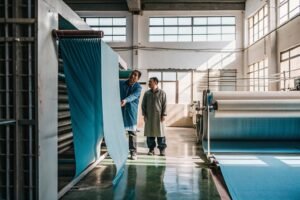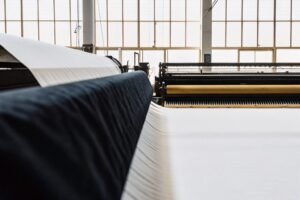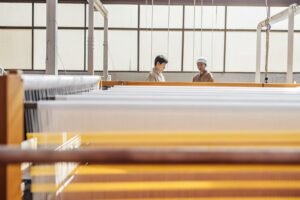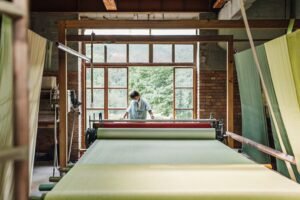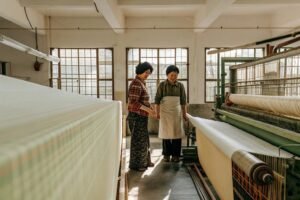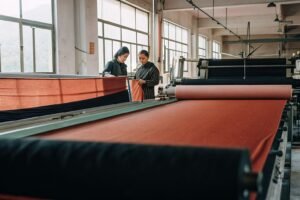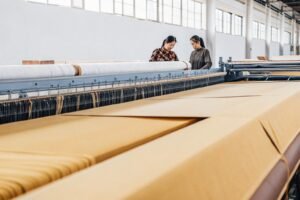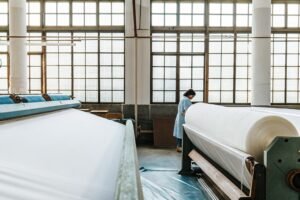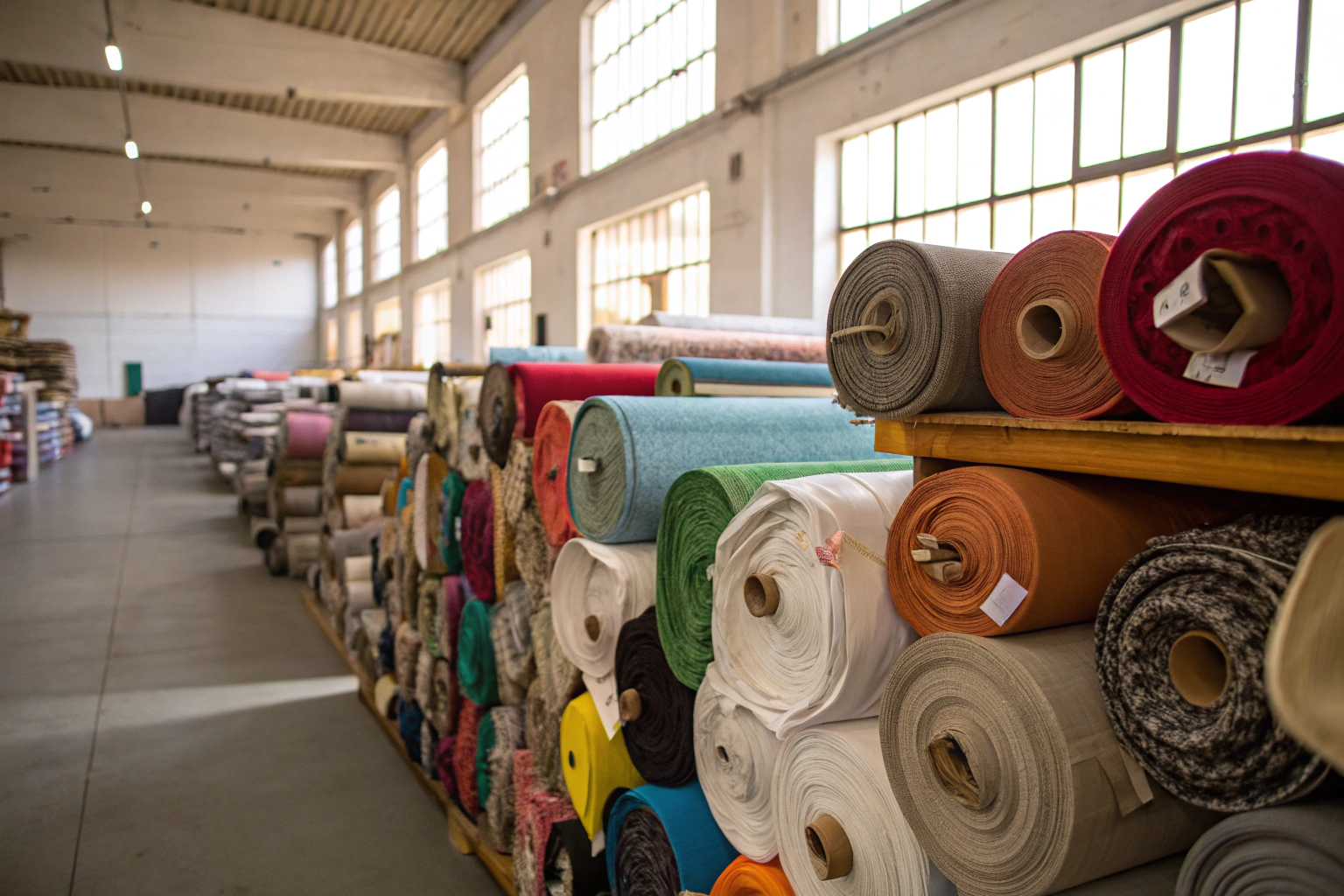
I still remember the first time a client asked me about deadstock fabric. It was 2021. A designer from Brooklyn called me and said, “I don’t want to order new fabric. I want to buy leftover rolls from other collections. Do you have any?” I paused. I walked out to our warehouse. Racks of fabric that had been sitting there for years. Rolls that were ordered for collections that never launched. Colors that were sampled but never approved. Enough fabric to make thousands of garments.
That conversation changed how I think about our business. Deadstock isn’t just leftover fabric. It’s an opportunity. It’s a way for designers to create unique collections without waiting for production lead times. It’s a way for brands to reduce their environmental footprint. And it’s growing fast. I’ve seen the demand for deadstock woven fabrics triple in the past three years.
Let me walk you through why deadstock is becoming a major trend, what you need to know before buying it, and how to source it without getting burned.
What Is Deadstock Fabric and Why Is It Growing?
Deadstock fabric is exactly what it sounds like. It’s fabric that was produced but never used. Maybe a brand canceled an order. Maybe a mill made too much. Maybe a color was sampled but never approved for production. It sits in warehouses, sometimes for years.
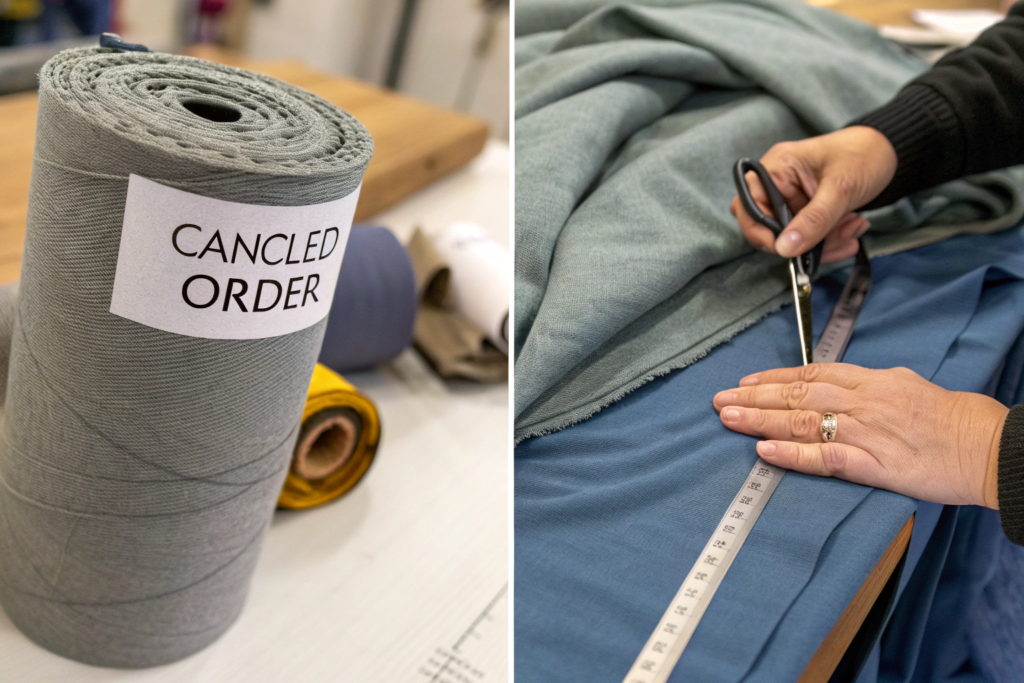
Why Are More Designers Choosing Deadstock?
I’ve watched this trend grow from a niche interest to a mainstream sourcing strategy. Three things are driving it.
First, sustainability. The fashion industry is under pressure to reduce waste. Using deadstock fabric means no new resources are consumed. No new water, no new chemicals, no new energy. It’s the most sustainable fabric you can buy because it already exists.
In 2023, a client from the UK came to me looking for deadstock for her new collection. She told me her customers were asking about sustainability. She wanted to be able to say, “This fabric was saved from landfill.” We found her 500 meters of a beautiful cotton-linen blend that had been ordered for a collection that never launched. She made a limited run of 200 jackets. They sold out in a weekend.
Second, uniqueness. Deadstock fabric is often one-of-a-kind. You can’t reorder it. That scarcity creates exclusivity. For a small brand, that’s gold. Your customers aren’t wearing what everyone else is wearing.
Third, speed. Deadstock is ready to go. No waiting for weaving, no waiting for dyeing. If the fabric is in our warehouse, you can have it in weeks, not months. For a designer working on a tight timeline, that’s a huge advantage.
A client from Los Angeles told me in 2024, “I used to plan collections nine months out. Now I find deadstock, design around it, and have product in my shop in eight weeks. My customers love that I can respond to trends faster.”
For a deeper look at the deadstock trend, there’s a resource on how deadstock fabric is reshaping sustainable fashion . It covers the market trends and brand strategies.
What Types of Woven Fabrics Are Available as Deadstock?
This is where I get excited. In our warehouse right now, we have deadstock in almost every category.
Shirting fabrics. Poplins, oxfords, twills. Solid colors, stripes, checks. Cotton, cotton-linen, cotton-polyester. Yards and yards of fabric that was sampled for shirt collections that never happened.
Bottom weights. Denim, canvas, twill. Heavy cottons, cotton-nylon blends. Fabric that was ordered for pants or jackets that got canceled.
Fashion fabrics. Jacquards, dobby weaves, satins. Unique textures and patterns that were developed for specific collections.
Technical fabrics. Water-resistant nylons, stretch wovens, coated fabrics. Leftovers from outdoor and performance brands.
In 2024, we had a batch of deadstock that told a story. A European luxury brand had ordered a custom jacquard with their logo woven in. They canceled the order after we had woven 2,000 meters. The fabric sat for two years. Then a streetwear brand from Japan found it. They bought the whole lot, made a limited run of jackets, and sold them for three times the normal price. The logo was subtle. The buyers didn’t know it was from a luxury brand. But the quality was unmistakable.
If you’re looking for deadstock, ask your supplier what they have. Not every mill holds onto leftovers. We do. I’ve got rolls that have been waiting for the right designer for years.
What Are the Benefits and Risks of Buying Deadstock?
Deadstock is exciting. But it’s not like ordering new fabric. You need to understand what you’re getting into. I’ve seen designers succeed with deadstock, and I’ve seen them struggle because they didn’t ask the right questions.
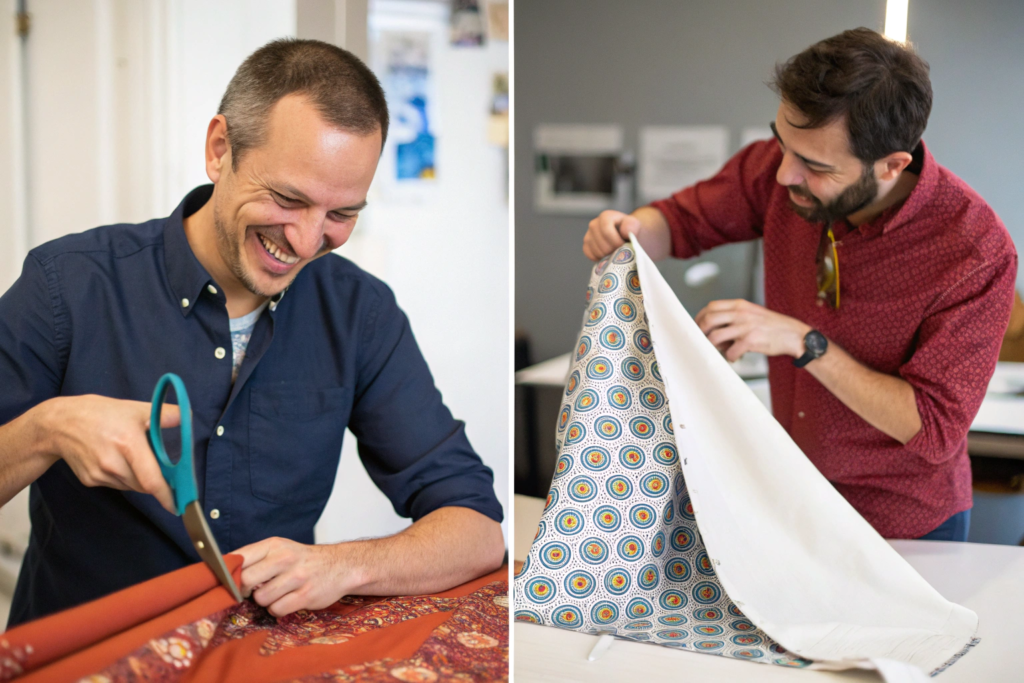
What Are the Advantages Over Ordering New Fabric?
The advantages are real and significant.
No minimums. This is huge. Deadstock is already produced. You can buy 50 meters or 500 meters. There’s no minimum order because the fabric is already on the roll.
Immediate availability. No waiting for weaving or dyeing. Once you find what you want, you can have it in weeks.
Lower cost per meter. Deadstock is often priced lower than new fabric. The mill has already absorbed the production cost. They want to move it. I’ve seen deadstock priced at 30-50% below new fabric prices.
Sustainability story. You can market it. Customers care about this. A client from Canada told me her deadstock collection sold 40% faster than her previous collection made with new fabric. The sustainability story resonated.
In 2023, a small brand from Portland built their entire collection around deadstock from our warehouse. They made a limited run of 100 pieces per style. Every piece was unique because the fabric quantities were small. They sold out every drop. They told me their customers loved knowing that no new resources were used to make their clothes.
What Risks Should You Watch For?
Deadstock isn’t perfect. You need to be aware of the risks.
Limited quantity. When it’s gone, it’s gone. You can’t scale up. If a style sells well, you can’t reorder the fabric.
Inconsistent quality. Deadstock fabric has been sitting. Sometimes for years. It might have storage marks. It might have been rolled and unrolled multiple times. You need to inspect it carefully.
No reorder. This is the biggest risk for growing brands. If you build a bestseller around a deadstock fabric, you can’t make more. You have to find something similar or redesign.
Unknown history. You don’t always know why it’s deadstock. Was it canceled because of a quality issue? Was it overproduction? A good supplier will tell you. A bad supplier will just sell it.
In 2022, a client from the UK bought 1,000 meters of deadstock from another supplier. The fabric looked beautiful. When his factory cut it, they found a chemical residue that made the fabric smell. The supplier didn’t know—or didn’t disclose—that the fabric had been stored next to chemicals in a warehouse. The client had to scrap the entire order.
If you’re buying deadstock, ask for the history. Why is it deadstock? How long has it been stored? Has it been inspected? We keep records on our deadstock. We can tell you where it came from and why it’s here.
How Do You Source Deadstock Woven Fabric Successfully?
Sourcing deadstock is different from ordering new fabric. You’re not specifying what you want. You’re finding what’s available. I’ve developed a process that works for my clients.

What Questions Should You Ask Before Buying?
When a client wants to buy deadstock from us, I tell them to ask these questions.
What is the fiber content? Not just “cotton.” Is it 100% combed cotton? Is it a blend? Do you have test reports? We test all our deadstock. We can tell you exactly what it is.
What is the yardage available? Be specific. Not “a few hundred meters.” How many meters exactly? If you need 500 meters for your run, we need to know if we have that much.
What is the roll condition? Has it been stored properly? Are there any defects? We inspect every roll before we sell it. If there’s a defect, we tell you. We don’t want you finding it in your cutting room.
Why is it deadstock? This is the most important question. Was it a canceled order? A sample run? Overproduction from a large order? The answer tells you about the quality.
In 2024, a client from Australia asked me these questions before buying a deadstock cotton twill. I told her it was from a canceled order for a European brand. The order was canceled because the brand went bankrupt, not because of fabric quality. She bought it. She made a collection. It sold well. She told me later, “Knowing the story made me confident in the purchase.”
How Do You Inspect Deadstock Fabric Before Committing?
Inspection is non-negotiable. Deadstock has been sitting. You need to know what you’re getting.
I recommend a physical inspection if possible. If you’re in China, come to our warehouse. We’ll unroll the fabric. You can see it, feel it, hold it up to the light.
If you can’t visit, ask for detailed photos and videos. Not just a picture of the roll. Ask for:
- Close-ups of the surface
- The fabric held up to light
- The edge of the roll to check for storage marks
- A video of the fabric being unrolled
Ask for a sample. Before you commit to the whole roll, get a meter cut. Test it. Wash it. See how it behaves.
In 2023, a client from New York wanted 800 meters of deadstock denim we had. I sent him a sample. He washed it. The shrinkage was 4%—higher than he expected. He adjusted his pattern. When the full order arrived, it fit perfectly. If he hadn’t tested the sample, he would have had 800 meters of denim that didn’t work for his pattern.
If you’re buying deadstock, ask for test reports. We test every deadstock batch before we list it. Shrinkage, colorfastness, tensile strength. We want you to know what you’re buying.
How Can You Incorporate Deadstock into Your Production Strategy?
Deadstock doesn’t have to be a one-off experiment. I’ve worked with brands that have built their entire sourcing strategy around it. It requires a different mindset, but it can be highly effective.
Should You Use Deadstock for Capsule Collections or Core Styles?
This is the key strategic decision. Deadstock is perfect for capsule collections. Limited runs, unique fabrics, scarcity that drives demand.
It’s not ideal for core styles that you plan to reorder for years. If you have a best-selling shirt that you want to sell every season, you need fabric you can reorder. Deadstock, by definition, can’t be reordered.
In 2024, a client from Sweden used deadstock for her limited-edition collections and new fabrics for her core line. She told me, “Deadstock lets me experiment. I can try new silhouettes without committing to a full production run. If it works, I can develop a similar fabric for my core line.”
I’ve seen this approach work well. Use deadstock for:
- Capsule collections. Limited drops that create buzz.
- Sample development. Test new styles with available fabric before committing to custom production.
- Small batch testing. Validate a new market with a limited run.
- Special collaborations. Unique fabrics that tell a story.
How Do You Plan a Collection Around Available Deadstock?
This is the opposite of traditional design. Instead of designing a collection and then finding fabric, you find fabric and then design around it.
A client from Berlin does this brilliantly. She comes to our warehouse twice a year. She spends a day going through our deadstock. She pulls samples of what speaks to her. Then she designs her collection around those fabrics. Each piece is limited to the yardage available.
She told me, “It forces me to be creative. I can’t just spec what I want. I have to work with what exists. The collections feel more organic, more authentic.”
If you’re planning to use deadstock, build flexibility into your design process. Don’t lock in your patterns until you know what fabric you have. Be ready to adjust based on what’s available.
Conclusion
Deadstock fabric is more than a trend. It’s a fundamental shift in how designers and brands are thinking about sourcing. It offers sustainability, uniqueness, and speed. It lets you create limited collections that stand out. It reduces waste. And it’s growing because the demand for these benefits is growing.
At Shanghai Fumao , we’ve been accumulating deadstock for years. Every canceled order, every sample run, every overproduction—it all goes into our deadstock inventory. Today, we have thousands of meters of woven fabrics waiting for the right designer. Shirting poplins, bottom weight twills, unique jacquards, technical nylons. Some rolls are 50 meters. Some are 500 meters. All of them are quality fabrics that never got their chance.
I’ve watched designers walk through our warehouse and find exactly what they didn’t know they were looking for. I’ve seen small brands build their entire identity around deadstock. I’ve seen the excitement of creating something new from something that already exists.
If you’re curious about deadstock, if you’re looking for unique woven fabrics for your next collection, let’s talk. My business director, Elaine, manages our deadstock inventory. She knows what we have, what condition it’s in, and what story it tells. She can help you find the fabric that will make your collection unique.
Contact Elaine directly: elaine@fumaoclothing.com
Tell her you’re looking for deadstock. Let her show you what’s waiting in our warehouse.