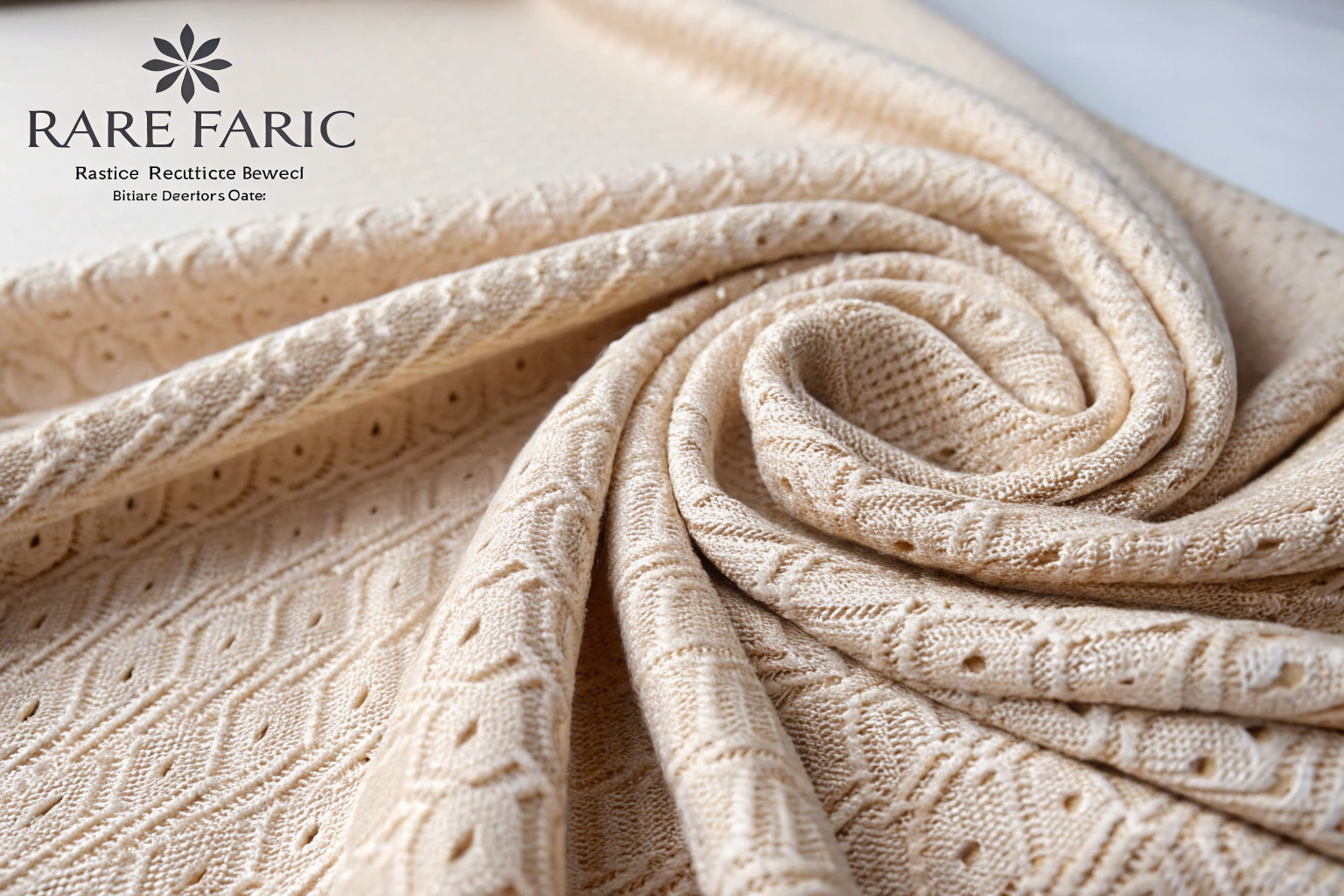
I’ll never forget the excitement in a client’s voice when they called me from our showroom. They’d been searching for months for a specific type of textured jacquard knit—the kind with dimensional patterns that shift as you move. Every trading company they contacted said it wasn’t available, or offered boring alternatives. Then they came to us, walked through our development samples, and found exactly what they’d been dreaming of. Three years later, that fabric is still their bestseller.
Here’s the truth about rare knitted fabrics: they exist, but you won’t find them by browsing Alibaba or emailing trading companies. Rare fabrics come from factories that develop them—factories with R&D capabilities, sample rooms full of experiments, and the willingness to create something new. Sourcing directly from these factories requires a different approach than buying commodity fabrics.
Let me walk you through exactly how to find, evaluate, and source rare knitted fabric styles directly from factories. I’ll share what we’ve learned from decades of developing unique fabrics for clients around the world.
Where Do Rare Knitted Fabrics Actually Come From?
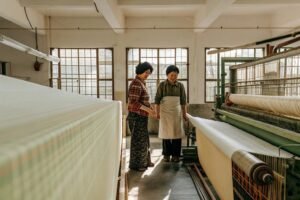
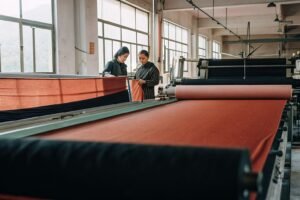
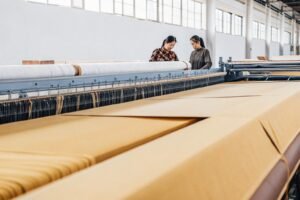
Rare knitted fabrics aren’t sitting in warehouses waiting to be discovered. They’re born in development rooms, on sample knitting machines, through collaboration between creative designers and technical experts.
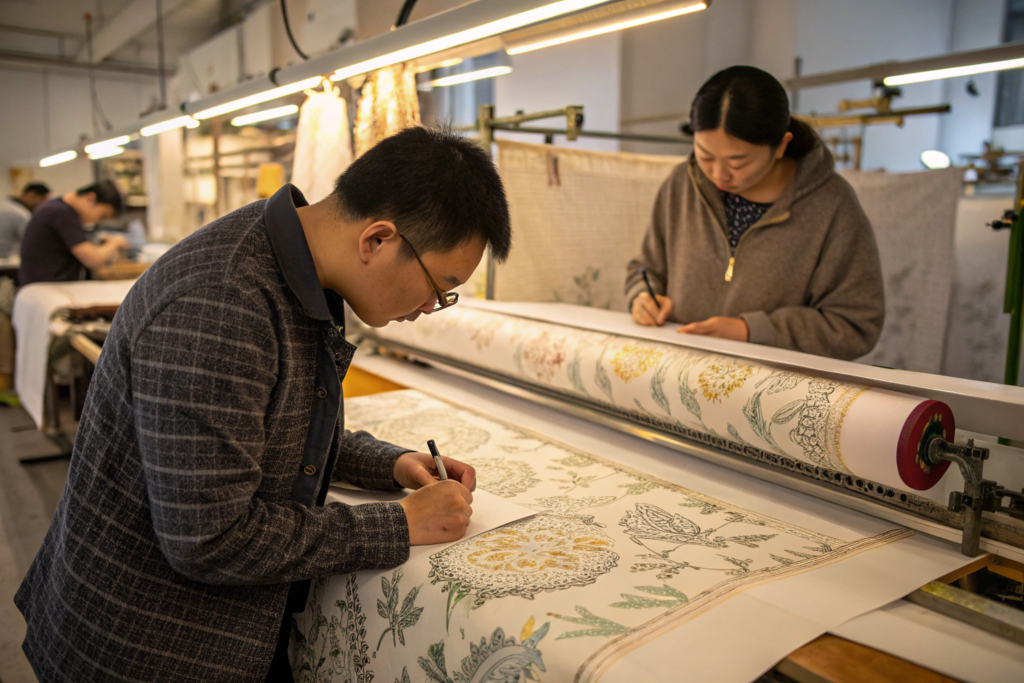
Factory R&D departments are the primary source. Mills that invest in research and development constantly experiment with new yarns, new structures, and new finishes. Some experiments fail. Some become the next big trend. The successful experiments become samples that sit in factory showrooms, waiting for the right buyer to recognize their potential.
Sample rooms hold treasures. Every serious factory has a room (or several) filled with sample fabrics from years of development. Many of these samples were never commercialized—they were too early for their time, or the factory moved in a different direction. For a creative buyer, these sample rooms are gold mines.
Custom development is another path. When you can’t find what you want, a factory with strong R&D can create it. This requires clear communication, technical expertise, and patience—but the result is a fabric that’s truly yours.
A New York designer found her signature fabric in our sample room—a development sample from five years earlier that we’d never commercialized. She bought the entire existing stock and has reordered annually ever since. The fabric defines her brand.
What Makes a Knitted Fabric "Rare" vs Just Uncommon?
Understanding rarity helps you focus your search.
Technical rarity comes from complex constructions that few factories can produce. High-gauge jacquards, intricate stitch patterns, or fabrics requiring specialized machinery fall into this category. If only 5% of mills have the equipment, the fabric is technically rare.
Material rarity comes from unusual fibers or blends. Yak down, sea island cotton, milk fiber, or innovative sustainable materials—these aren’t commodities. The rarity is in the raw material itself.
Process rarity comes from specialized finishing. Unique hand feels, unusual textures, or performance treatments that require expertise create fabrics that can’t be easily copied.
Seasonal rarity happens with trend-driven fabrics. What’s rare this season may be common next year, as mills copy successful innovations. The window of rarity is short.
Geographic rarity occurs when a fabric is developed in one region and hasn’t spread globally. A knit structure popular in Japan may be unknown in Europe—for now.
The rarest fabrics combine multiple rarity factors. A complex jacquard in a rare fiber with a unique finish—that’s a fabric that defines a collection.
A German brand built their identity around a specific knit structure that only three mills worldwide could produce. That’s genuine rarity.
Why Don’t Trading Companies Have Access to Rare Fabrics?
Trading companies operate on volume. They need fabrics that many buyers want, in quantities that justify inventory and marketing costs. Rare fabrics don’t fit this model.
Trading companies stock what sells consistently. They can’t afford to hold inventory of fabrics that might appeal to only a few buyers. Their business depends on turnover.
Trading companies lack development relationships. They buy finished fabrics from mills, but they’re not involved in the development process. They don’t see the experimental samples that never reach production.
Trading companies focus on price, not uniqueness. Their value proposition is cost savings through volume. Rare fabrics are expensive to develop and produce—they don’t fit the trading company model.
The exception is specialized trading companies that focus on unique products. These exist but are rare themselves. Most traders deal in commodities.
A UK brand spent months searching through trading companies for a specific textured knit. Nothing. They contacted us directly, and we had three options within a week—all from our development archives.
How Do You Identify Factories Capable of Rare Knits?
Not every factory can produce rare knits. Identifying the right partners saves years of frustration.
Look for R&D investment. Ask about their development team—how many people, what’s their background, how many new samples do they develop each year? A factory that invests in development is a factory that creates rare fabrics.
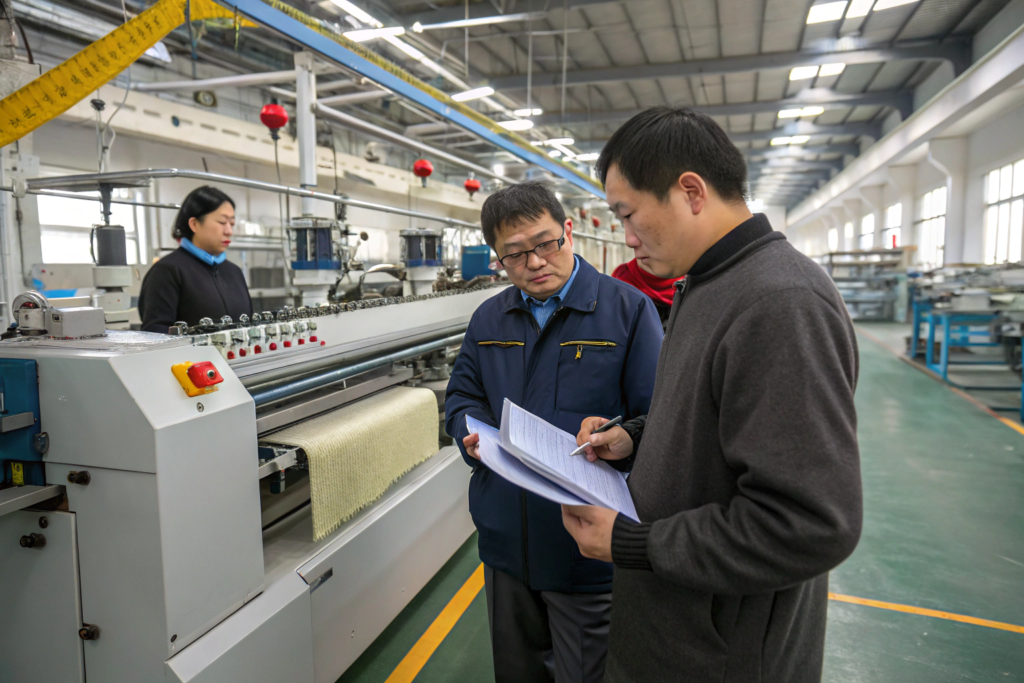
Examine their equipment. Rare knits often require specialized machines—high-gauge circular knits, jacquard capability, electronic needle selection. Ask for a list of their equipment and verify it. A factory with only basic machines can only make basic fabrics.
Review their sample archive. A thick sample book with years of developments indicates creative capability. Ask to see samples that didn’t go into production—these show what they can do when not constrained by commercial considerations.
Talk to their technical team, not just sales. Salespeople know prices and lead times. Technicians know what’s possible. If you can’t speak with technicians, the factory may not be development-oriented.
Visit if possible. There’s no substitute for seeing the facility, meeting the team, and understanding their capabilities firsthand. A factory tour reveals more than hours of phone calls.
A French designer flew to China specifically to tour potential suppliers. She spent two hours in our sample room, pulling out developments from years past. That visit built a relationship that’s lasted a decade.
What Questions Reveal a Factory’s True Capabilities?
Ask questions that go beyond standard sales pitches.
"How many new samples do you develop each month?" A number suggests active development. "We develop as needed" suggests reactive, not creative.
"Can you show me fabrics that didn’t make it to production?" Factories with genuine R&D have drawers full of "failures" that are often beautiful but weren’t commercial at the time.
"What’s the most complex knit structure you’ve produced?" The answer reveals their technical ceiling. Follow up with "What made it complex?" to gauge their understanding.
"Who leads your development team?" Background in textile design, engineering, or both? The mix matters.
"What’s your minimum for custom development?" Low minimums suggest they’re committed to innovation; high minimums suggest they prefer volume production.
A Swedish client always asks to see the factory’s "experimental corner"—samples they developed just to see what would happen. Factories without one, they’ve learned, rarely create anything truly new.
How Do You Verify a Factory’s Technical Expertise?
Claims are cheap. Verification requires digging.
Request samples of similar work. If they claim expertise in jacquard knits, ask for jacquard samples across different years. Consistency over time indicates genuine capability.
Ask about specific machinery. "What gauge machines do you have for jacquard?" "What’s the maximum number of colors?" Technical answers confirm hands-on knowledge.
Request references from other buyers who source unique products. A factory that makes mostly basic t-shirts may struggle with complex knits, regardless of what they claim.
Consider a trial project. Start with a small custom development—not a full production order, but a sample run that tests their capabilities. The cost is minimal compared to the learning.
Visit if at all possible. A factory tour reveals equipment, organization, and culture. You’ll see whether they have the machines they claim, whether the facility is well-maintained, and whether the team seems engaged.
A Japanese client sent their technical director to audit us before placing their first order. He spent two days examining equipment, reviewing processes, and questioning technicians. His report gave them confidence to proceed with complex developments.
How Do You Approach Factories for Custom Knit Development?
Asking a factory to develop something new requires a different approach than ordering existing fabric.
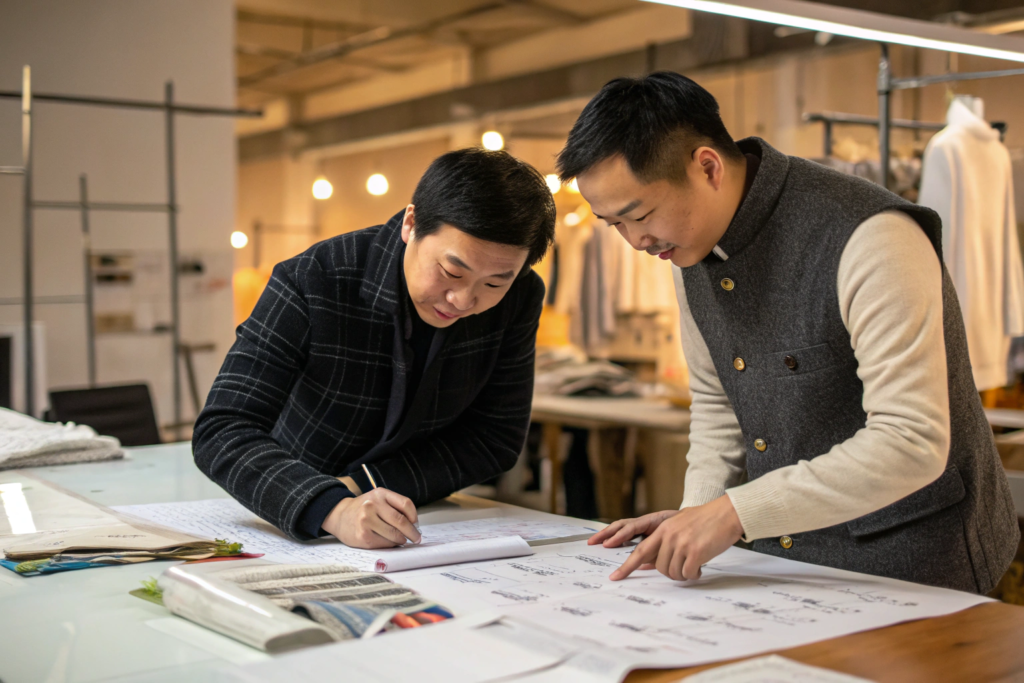
Start with clear specifications. The more detail you provide, the better they can understand your vision. Fiber content, weight, structure, finish, hand feel—describe everything you can. Include visual references: photos, sketches, even fabrics that have qualities you like.
Be open to their expertise. You know what you want to feel. They know what’s possible to make. The best developments come from dialogue—your vision informed by their technical knowledge.
Understand minimums. Custom development requires setup time, machine programming, and sample runs. Factories need to recover these costs. Ask about development minimums upfront and be realistic about what you can commit.
Be patient. Development takes time—weeks for sampling, possibly multiple rounds to get it right. Rushing the process leads to disappointment. Plan for development well before your production deadline.
Build relationships, not transactions. Factories prioritize clients they know and trust. A client who communicates clearly, pays promptly, and shows appreciation will get more attention than one who treats development as a commodity purchase.
A US brand spent six months developing their signature knit with us. Multiple sample rounds, countless emails, two video calls per week. The result is a fabric that perfectly expresses their brand and that competitors can’t copy.
What Information Should You Provide for Custom Development?
The more you provide, the better the result.
Fiber specifications: Exact fiber types and percentages. If you want 70% Tencel, 30% organic cotton, say so. If you’re open to suggestions, indicate that too.
Weight and dimensions: Target GSM (grams per square meter) or oz/yd². Finished width requirements. Tolerance ranges.
Structure references: Photos or samples of similar knits. Describe the hand feel—"soft but with body," "fluid and drapey," "crisp and structured."
Finish requirements: Any special finishes—enzyme wash, anti-pilling treatment, moisture-wicking, etc. Describe the desired hand feel in detail.
Color direction: Pantone references if you have them. Color family if you don’t.
End use: What will this fabric become? Understanding the garment helps us engineer appropriate performance.
Volume expectations: Even approximate annual quantities help us plan.
A German client sends a "development brief" for every new project—a multi-page document with specifications, references, and questions. It makes their intentions crystal clear and streamlines the process.
How Many Sampling Rounds Should You Expect?
Realistic expectations prevent frustration.
First round: Initial development samples (2-4 weeks). These test whether the basic concept works—can we achieve the structure, the weight, the hand feel? Expect multiple options, not perfection.
Second round: Refinement samples (1-3 weeks). Based on feedback from first round, we adjust construction, yarns, finishing. This round gets closer to target.
Third round: Pre-production samples (2 weeks). Once the fabric is right, we run a small production lot to verify consistency at scale. This sample represents what bulk will look like.
Total development time: 6-10 weeks for straightforward developments, longer for complex structures or novel fibers. Plan accordingly.
Some developments nail it in one round. Others take five. The complexity determines the path. A Swedish brand once took eight rounds to perfect a double-faced knit with different colors on each side. The result was worth the patience.
What Are the Minimum Order Quantities for Rare Knits?
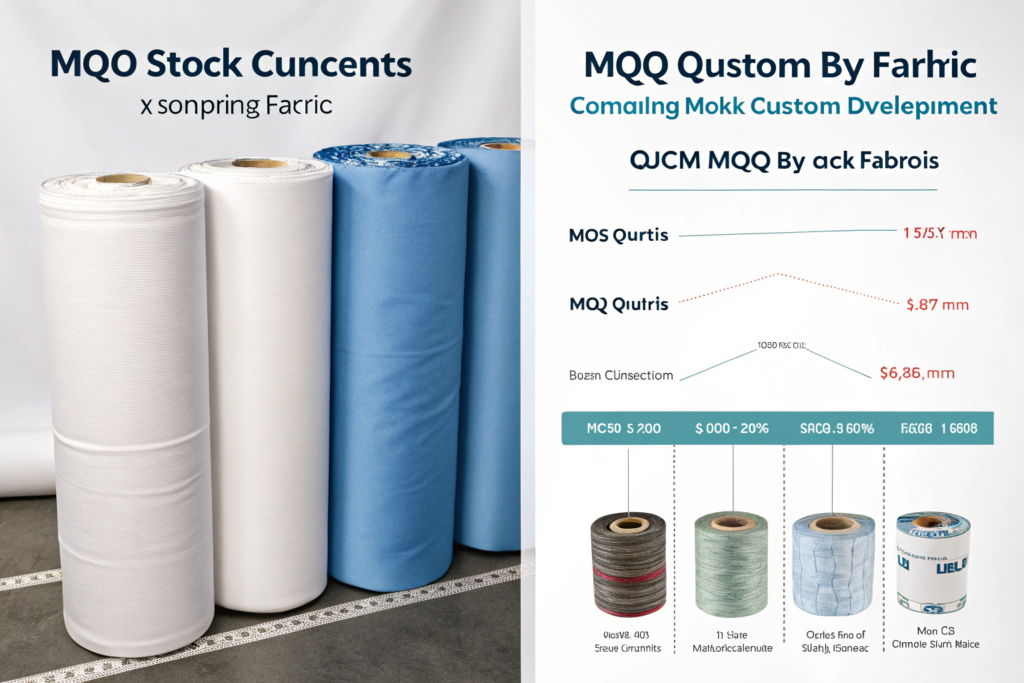
Minimum order quantities (MOQs) for rare knits differ dramatically from commodity fabrics.
For existing rare fabrics (already developed, sitting in inventory), MOQs may be relatively low—perhaps 500-1000 yards per color. The factory has already done the development work; they just need to recover production costs.
For custom developments, MOQs are higher. The factory invests significant time and resources in development—machine setup, sample runs, technician time. They need to recover this investment through production. Typical MOQs for custom knits range from 1,000-3,000 yards per color, depending on complexity.
Yarn minimums affect MOQs. Many specialty yarns have their own minimums—often 100-200 kg per color. If your fabric uses 50g per meter, that’s 2,000-4,000 meters of fabric just to use the yarn. The yarn minimum often becomes the fabric minimum.
Color minimums multiply the challenge. If you want five colors, each with its own yarn, the total commitment multiplies. Smart buyers start with one or two colors to prove the concept, then expand.
A UK brand wanted a rare blend of organic cotton and milk fiber. The milk fiber itself had a 200kg minimum. Their first order was necessarily substantial—but the resulting fabric became their signature.
How Do You Negotiate MOQs for Custom Knits?
MOQs aren’t always rigid. Negotiation is possible.
Offer to pay development costs separately. If you cover the R&D investment, factories may accept lower production minimums. A $2,000 development fee might be worth avoiding a 3,000-yard commitment.
Commit to a program, not a single order. If you can project annual volume, factories may accept a smaller first order with commitment to repeat. "We’ll take 1,000 yards now and 4,000 over the next year" works better than "just 1,000 yards and we’ll see."
Accept standard colors for development. If you develop in a color the factory already stocks, yarn minimums disappear. You can develop the structure now and expand colors later.
Combine with other clients. If you know other brands interested in similar fabrics, pooling orders can meet minimums. Some buyers groups exist for this purpose.
Be flexible on timing. Factories with slow periods may accept smaller orders to keep machines running. Ask about "filler" opportunities.
A French brand negotiated a 50% MOQ reduction by agreeing to a two-year exclusivity period. The factory knew they’d earn back the development investment over time.
What’s the Difference Between Development MOQ and Production MOQ?
Understanding this distinction prevents confusion.
Development MOQ is what you need to commit to get the fabric created. This covers setup, sampling, and initial production. It’s often higher because it includes non-recoverable costs.
Production MOQ is what you need to reorder once the fabric is established. Once the yarns are set, the machine programming is done, and the processes are documented, reorder minimums may be lower—perhaps 500-1,000 yards instead of 2,000-3,000.
The key is getting through development successfully. Once the fabric exists, reordering becomes easier and more flexible.
A wise client once told me: "The first order is an investment. The second order is a purchase." That’s exactly right. Treat development costs as investment in your unique product.
How Do You Protect Exclusivity for Rare Knits?
If you’ve invested in developing a unique fabric, you don’t want competitors copying it. Protecting that investment requires planning.
Exclusivity agreements are the first step. Discuss exclusivity upfront—before development begins. Factories may agree to exclusivity for a period (6-12 months) or perpetually, depending on the investment. Be clear about what exclusivity means: no selling to anyone else, no showing samples to others, no using your development for other clients.
Document everything. Your specifications, your development correspondence, your agreements—all should be recorded. If disputes arise, documentation proves your involvement.
Consider patent or design registration for truly unique fabrics. In some markets, fabric designs can be registered. This is expensive and time-consuming but provides legal protection.
Build relationships, not just transactions. Factories are less likely to copy clients they value. A client who pays well, communicates clearly, and shows appreciation becomes a partner, not just a customer.
Accept that some copying is inevitable. If your fabric is successful, others will try to replicate it. The best protection is staying ahead—continuing to innovate so your competitors are always chasing your last success.
A Italian luxury brand has worked with the same factory for 15 years. Their exclusivity agreements are handshakes now—the relationship itself provides protection.

What Exclusivity Terms Are Realistic to Request?
Terms vary by your commitment and the fabric’s uniqueness.
Time-limited exclusivity (6-12 months) is standard for most developments. The factory recoups their investment from you, then can sell to others after the exclusivity period. This is fair for both sides.
Perpetual exclusivity requires significant commitment. You may need to guarantee minimum annual volumes or pay a premium. Factories won’t forever foreclose other opportunities without compensation.
Category exclusivity means the factory won’t sell to your direct competitors but may sell to non-competing brands. This balances your protection with their business needs.
Geographic exclusivity limits sales to certain markets. If you only sell in Europe, the factory could sell the same fabric in Asia. This works well for brands with regional focus.
The key is clarity. Define exactly what exclusivity means, who it applies to, and how long it lasts. Put it in writing.
A US brand negotiated category exclusivity for their performance knit—no other activewear brands, but the factory could sell to casual wear companies. Both sides were satisfied.
How Do You Handle Copycat Concerns Without Damaging Relationships?
Accusations damage trust. Handle concerns carefully.
Start with curiosity, not accusation. "I noticed a similar fabric in the market. Can you help me understand if it’s related to our development?" This opens dialogue without attacking.
Review your agreement. If you have exclusivity, refer to it calmly. "Per our agreement, this fabric is exclusive to us for another six months. Can you confirm that hasn’t changed?"
Strengthen your partnership. Sometimes the best response to copycat concerns is to become a better partner—order more, communicate better, share your plans. Factories prioritize clients who prioritize them.
Consider next steps. If copying is happening despite agreements, you may need to find a new partner. But try resolution first.
A Japanese brand discovered a competitor with a very similar fabric. Instead of accusing, they asked their factory if they’d developed anything similar recently. The factory explained it was a coincidence—different development paths, similar result. The relationship remained strong.
Conclusion
Sourcing rare knitted fabrics directly from factories is challenging but rewarding. The fabrics you find—or create—become the foundation of distinctive collections that competitors can’t easily copy.
The key steps are clear:
Identify factories with genuine R&D capability. Look for investment in development, specialized equipment, and a culture of innovation. Sample rooms full of experiments are good signs.
Approach development as collaboration, not transaction. Provide clear specifications while remaining open to factory expertise. Understand minimums and timelines. Be patient through sampling rounds.
Build relationships that last. Factories prioritize partners, not one-time buyers. Pay well, communicate clearly, show appreciation. The relationships you build become your competitive advantage.
Protect your investment through clear agreements and documentation. Discuss exclusivity upfront. Accept that some copying may happen, but focus on staying ahead through continuous innovation.
At Shanghai Fumao, we’ve spent decades developing rare knitted fabrics for clients around the world. Our R&D team creates hundreds of new samples each year—some destined for production, some waiting for the right partner. Our sample room holds years of developments, many never commercialized. For the right client, these become treasures.
We welcome creative partners who want something unique. We’ll share our development archive, discuss your vision, and work together to create fabrics that express your brand. And when we succeed, we’ll protect your exclusivity as agreed.
Whether you’re looking for a fabric that doesn’t exist yet or searching through archives for forgotten treasures, we’re here to help you find it.
Contact our Business Director, Elaine, today to explore rare knitted fabric possibilities. She and her team will share our development archive, discuss your vision, and help you create something uniquely yours. Email her directly at: elaine@fumaoclothing.com. Let’s discover something rare together.