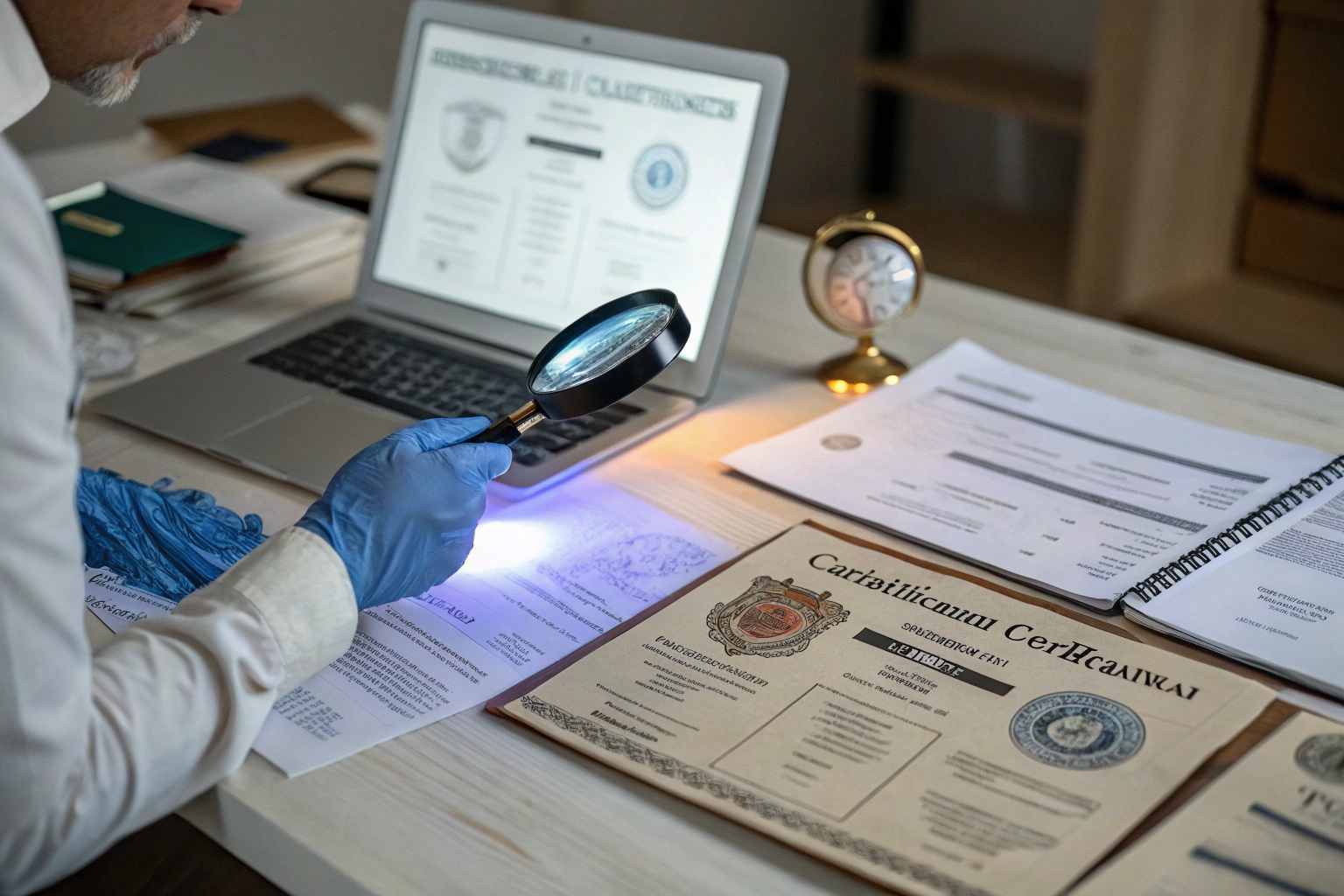
I’ll never forget the phone call that came in three years ago. A client from Barcelona was in a panic. They’d just received a shipment of what was supposed to be GOTS-certified organic cotton jersey, complete with certificates that looked perfect. But their own testing revealed pesticide residues that shouldn’t exist in organic cotton. When they tried to trace the certificate, the number led nowhere. They’d been duped—paid a premium for fabric that was conventional cotton with fake paperwork. The loss was over $50,000, and worse, their brand’s reputation took a hit when they had to recall products.
Here’s the uncomfortable truth: fake certificates are more common than you’d think. As sustainability has become a competitive advantage, the incentive to fake documentation has grown. Unscrupulous suppliers know that many buyers glance at a PDF, see a familiar logo, and move on. They’re counting on you not to verify. And when you don’t, you’re the one who pays—in money, reputation, and legal exposure.
Let me walk you through exactly how to verify fabric quality certificates, what to look for, where to check, and the questions to ask that separate legitimate suppliers from frauds. I’ve been doing this for over two decades, and these techniques have saved countless clients from costly mistakes.
What Makes a Fabric Quality Certificate Legitimate or Fake?
Before you can verify a certificate, you need to know what legitimacy looks like. Certificates from reputable bodies have consistent features that fakes often get wrong.
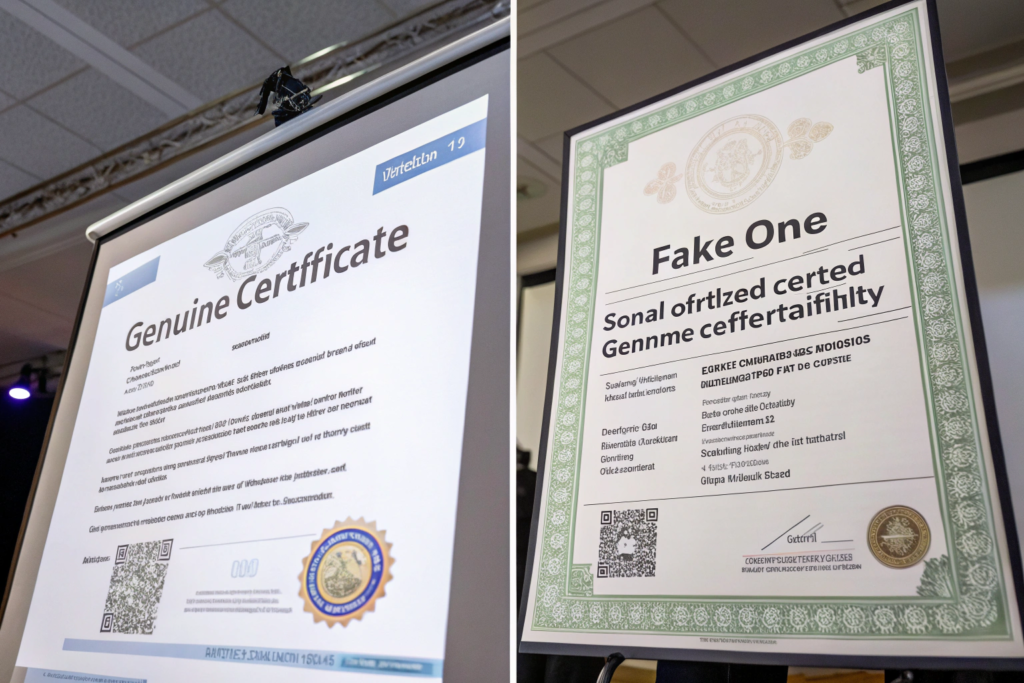
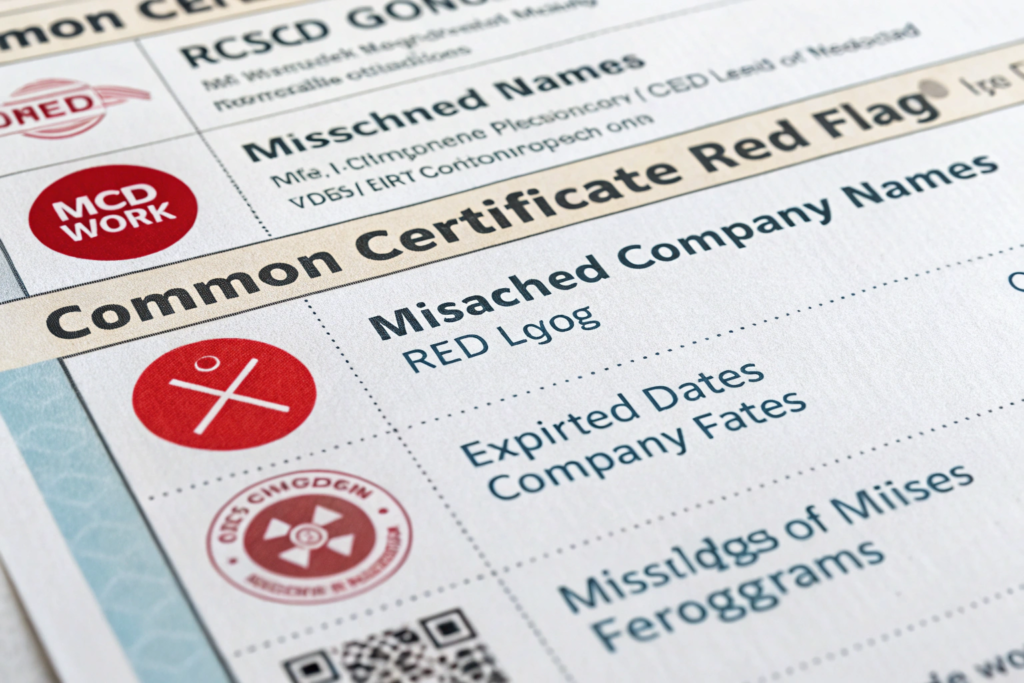
The issuing body’s logo should be crisp and correctly colored. Fake certificates often have slightly blurry logos, wrong color shades, or incorrect proportions because they’ve been copied from low-resolution originals. Compare the logo on the certificate to the official logo on the certification body’s website. Any difference is a red flag.
Certificate numbers follow specific formats depending on the issuer. GOTS certificates, for example, have a unique identifier that includes the certification body code and a sequential number. These formats are publicly available. If the number format looks wrong, investigate.
Dates matter enormously. Check the issue date and expiration date. A certificate that expired six months ago means nothing. Also check that the dates are logical—a certificate issued before the company existed, or with an expiration date that doesn’t match the standard’s typical validity period, should raise questions.
The certified entity’s name and address must exactly match your supplier. We’ve seen certificates where the company name was slightly different—"Shanghai Fumao Textiles" versus "Shanghai Fumao International Trading"—because the supplier was using a certificate from a related but different company. If the names don’t match exactly, the certificate doesn’t apply.
A UK client once received a GOTS certificate with their supplier’s name misspelled. They almost accepted it, thinking it was a typo. When they checked with the certifying body, they learned the certificate belonged to a different company entirely. The supplier was using a document they’d found online.
What Physical Security Features Should Certificates Have?
Legitimate certificates increasingly include physical security features that are difficult to fake.
Holograms are common on printed certificates. These should change appearance when viewed from different angles and be difficult to reproduce. If you receive a printed certificate without a hologram from a body that typically uses them, be suspicious.
Watermarks appear when you hold the certificate up to light. These are often the certification body’s logo or name repeated in a pattern. Fakes usually lack these or have poorly reproduced versions.
Embossing or raised seals add another layer. Run your finger over the seal area—it should feel slightly raised. Flat printing where raised seals should be indicates a copy.
QR codes are increasingly used for digital verification. A legitimate QR code should scan to the certification body’s verification page or a document repository. If it scans to a generic website or doesn’t work at all, that’s a warning.
A Swiss client now requires physical certificates to be sent by courier, not email. They’ve found that fake certificates are almost always digital—it’s much harder to fake a physical document with security features. The cost of courier shipping is trivial compared to the risk.
How Do Digital Certificates Differ from Physical Ones?
Many certification bodies now issue digital certificates as standard. These are legitimate, but they require different verification approaches.
Digital certificates should be PDFs with security features that prevent alteration. Look for digital signatures that verify the document hasn’t been changed since issuance. Adobe Reader will show a blue ribbon or checkmark for properly signed documents.
The file properties should show the issuing organization and a valid digital signature timestamp. If you can edit the PDF without triggering warnings, it’s not properly secured.
Some bodies provide certificates through secure online portals rather than email attachments. These are the most secure—you log in to the certification body’s website and download the certificate directly. If your supplier provides portal access, you know it’s real.
A German brand now requires all suppliers to grant them portal access to view certificates directly. They don’t accept emailed PDFs at all. This policy has eliminated certificate fraud from their supply chain entirely.
What Online Verification Tools Can You Use to Check Certificates?
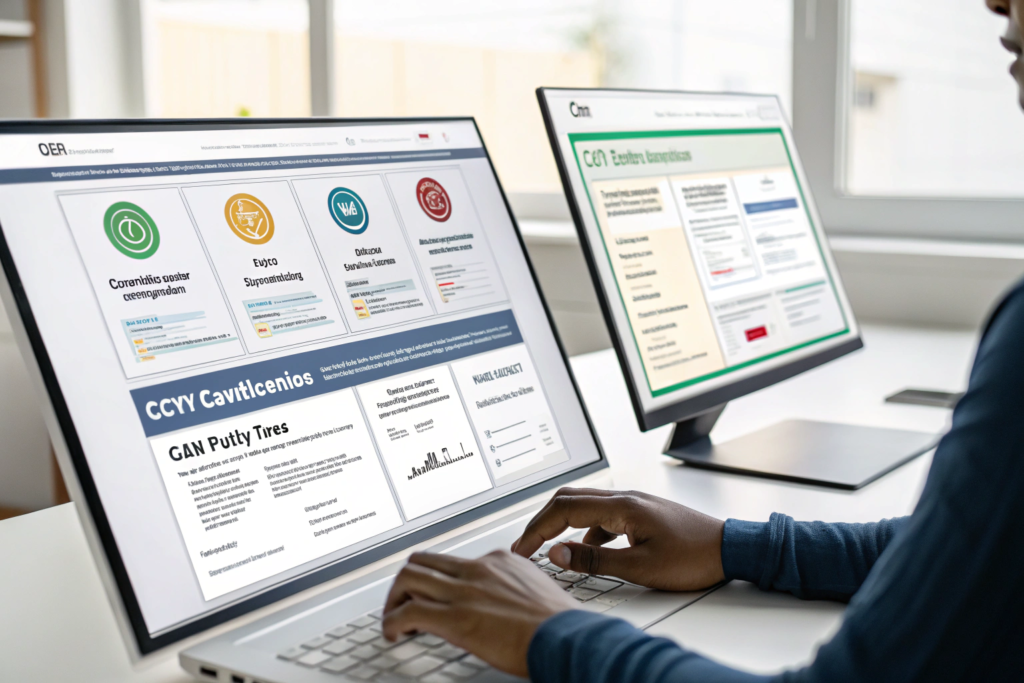
The internet has made certificate verification easier than ever—if you know where to look. Most major certification bodies maintain public databases where you can verify certificates.
GOTS (Global Organic Textile Standard) maintains a public database of certified companies. Go to www.global-standard.org, click on "Public Database," and search by company name, certificate number, or country. The database shows the company’s certification status, scope, and validity period. If your supplier isn’t listed, they’re not GOTS-certified.
OEKO-TEX offers certificate verification at www.oeko-tex.com/en/certificate-search. You can search by certificate number or company name. The results show the certified products, test criteria, and expiration date. This is essential for verifying OEKO-TEX claims.
GRS (Global Recycled Standard) certifications can be verified through Textile Exchange’s database at certification.textileexchange.org. Search by company name or certificate number to confirm status and scope.
ISO certifications (9001, 14001) can be verified through the accrediting body’s website. The International Accreditation Forum (IAF) maintains a database of accredited certification bodies. If your supplier claims ISO certification, verify that the certifying body itself is accredited.
A French client once had a supplier claim ISO 9001 certification from a body they’d never heard of. A quick check of the IAF database showed that body wasn’t accredited. The "certification" was worthless.
How Do You Navigate Certification Body Databases Effectively?
Each database works slightly differently. Here’s how to use them effectively.
For GOTS: The database allows searching by company name, certificate number, or country. Start with company name, but try variations—your supplier might be listed under a different legal entity. If you find them, note the scope: does it cover your type of product? A company might be certified for trading but not processing, which matters for your supply chain.
For OEKO-TEX: The search tool accepts certificate numbers or company names. The results show which product classes are covered. For fabric, you need the appropriate class—Class I for babies, Class II for skin contact. If your fabric isn’t covered by the certificate, the certification doesn’t apply.
For GRS: Textile Exchange’s database shows certified companies and their scope. Look for "processing" scope if your supplier is actually producing the fabric, not just trading it.
Pro tip: Save the search results as PDFs. Certification bodies update their databases regularly, and a certificate that’s valid today might expire next month. Having dated proof of verification protects you if questions arise later.
What If the Certificate Number Isn’t in the Public Database?
This happens, and it doesn’t automatically mean fraud—but it requires investigation.
Some certification bodies don’t maintain public databases, or they have restricted access. In these cases, you need to contact the certifying body directly. Send them an email with the certificate number and ask for verification. A legitimate certifier will respond promptly.
Other times, the database might not be updated in real-time. A newly issued certificate might take weeks to appear. If the certificate is recent, ask the supplier for proof of payment or correspondence with the certifying body.
If the certificate number doesn’t appear and the certifier doesn’t respond, assume it’s fake. A Swedish brand once waited three weeks for a certifier to respond to their verification request. When they finally did, they confirmed the certificate was fraudulent. The delay was worth avoiding a major problem.
What Questions Should You Ask Your Supplier About Their Certificates?
The best verification happens through conversation. Asking the right questions reveals whether your supplier understands their certifications or just has a PDF.
"Can you explain what this certificate actually covers?" A legitimate supplier should know whether their certification covers your specific fabric type, which facilities are included, and what the scope limitations are. Vague answers suggest they haven’t read the certificate themselves.
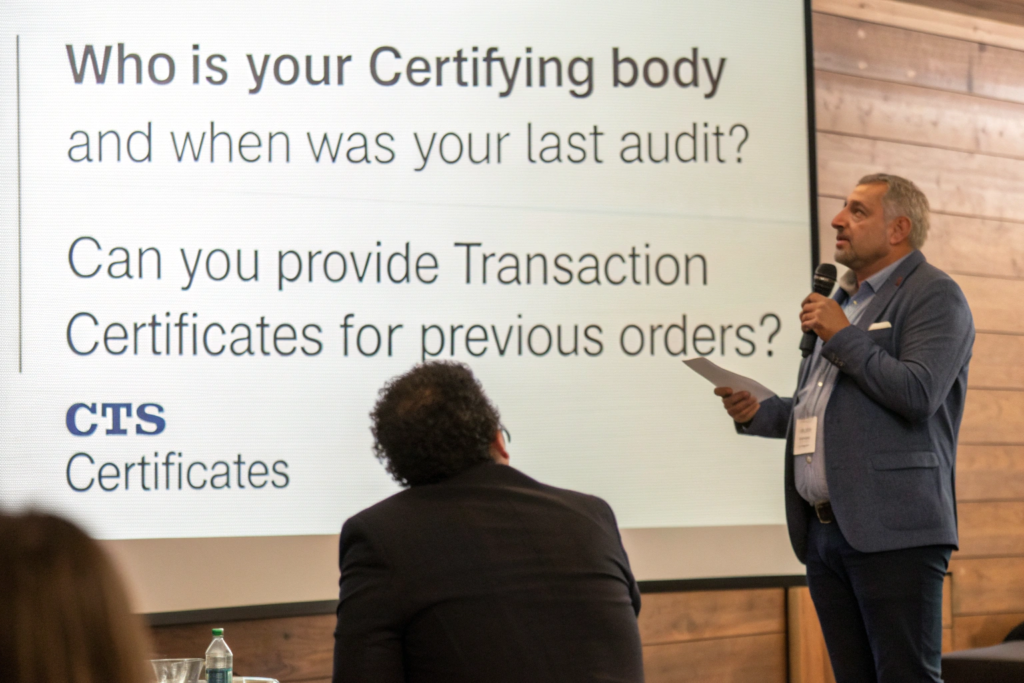
"Who is your certifying body and when was your last audit?" They should be able to name the organization and describe the audit process. Recent audit date suggests active certification. Old audit dates might mean the certificate is about to expire or has already expired.
"Can you provide Transaction Certificates for previous orders?" For GOTS and GRS, Transaction Certificates prove that specific shipments were certified. A supplier who can provide TCs for past orders demonstrates they actually use their certification, not just display it.
"May I contact your certifying body directly?" A legitimate supplier will have no objection to this. Hesitation or excuses is a major red flag. We encourage clients to contact our certifiers—transparency builds trust.
A Danish brand always asks for the certifier’s contact information and follows up with a verification email. They’ve caught two suppliers with fake certificates this way. Both had beautiful PDFs but couldn’t withstand a simple email to the issuer.
What Should You Ask About Certificate Scope and Limitations?
Certificate scope is often misunderstood, leading to incorrect claims. Ask these specific questions:
"Does this certificate cover the facility where my fabric will be produced?" Some certificates cover trading offices but not manufacturing facilities. If your supplier is a trader using certified mills, they need to explain the relationship.
"Which product categories are included?" A certificate might cover woven fabrics but not knits, or natural fibers but not synthetics. Ensure your specific fabric type is within scope.
"Does the certification include processing chemicals and dyes?" For GOTS, this matters enormously. The standard covers the entire processing chain, not just fiber content.
"What’s the validity period and when is the next audit?" Certificates expire. Knowing the renewal cycle helps you plan. If a certificate expires in three months, you need to ensure renewal before your order ships.
A Spanish brand once ordered GOTS-certified fabric from a supplier whose certificate covered only spinning, not dyeing. The dyeing facility wasn’t certified, so the finished fabric couldn’t be called GOTS. The supplier hadn’t understood their own certificate’s limitations.
How Do You Verify That Certificates Apply to Your Specific Order?
This is the most important step, and the one most buyers skip.
Request the Transaction Certificate (TC) for your order. For GOTS and GRS, TCs are issued for specific shipments, showing the certified materials used and the quantity produced. A TC links your order to the certified supply chain.
Check that the TC shows your supplier’s name, your fabric description, and the certified content percentage. It should also show the chain of custody—where the certified materials came from and where they went.
Verify the TC number against the certifying body’s records. Some bodies allow online verification; others require email inquiries. Either way, confirm that the TC is legitimate before accepting the order.
For OEKO-TEX, request the test report number and verify it online. The report should show which product class was tested and which substances were analyzed.
A US brand now requires TCs for every GOTS order before shipment. They’ve caught suppliers trying to ship uncertified fabric with expired certificates. The TC requirement eliminated the problem.
What Red Flags Indicate Certificate Problems During Sourcing?
Experience teaches you to spot problems before they become disasters. Here are the red flags I’ve learned to watch for.
Reluctance to share certificates. A legitimate supplier sends certificates without hesitation. If you have to ask multiple times or get excuses, something’s wrong. They might be shopping for a certificate that matches your request.
Certificates that look "off" in quality. Blurry text, wrong colors, inconsistent fonts, or obviously photoshopped elements should trigger immediate suspicion. Compare to known genuine certificates from the same issuer.
Information that doesn’t match. The company name on the certificate should match your supplier’s legal name. The address should be where they operate. Phone numbers and emails should work. Any mismatch is a problem.
Certificates from obscure bodies. Stick with recognized certifiers: GOTS, OEKO-TEX, GRS, ISO through accredited bodies. If you’ve never heard of the certifier, research before accepting.
No Transaction Certificate history. A supplier who claims GOTS certification but can’t provide TCs for previous orders likely doesn’t actually use their certification. They might have obtained a certificate but never produce certified goods.
A Canadian client once received a GOTS certificate that looked perfect—until they noticed the certifying body’s website listed in the footer didn’t exist. The supplier had invented a certification body. The certificate was completely fake.
What Should You Do When Something Feels Wrong?
Trust your instincts. If something about a certificate feels off, investigate before committing.
Start by asking more questions. "I notice the certificate number format is different from other GOTS certificates I’ve seen. Can you explain?" A legitimate supplier will engage with your question. A fraudulent one will become defensive or evasive.
Contact the certifying body directly. Send them the certificate and ask for verification. Most will respond within days. The cost of a few emails is nothing compared to the cost of fraud.
Request alternative documentation. If a GOTS certificate seems suspicious, ask for test reports, transaction certificates, or photos from the audit. Real suppliers have multiple forms of documentation.
Visit if possible. There’s no substitute for seeing the certified facility yourself. If a major order is at stake, the travel cost is justified.
A German brand once had doubts about a supplier’s ISO certificate. Instead of accepting the PDF, they flew to China and visited the facility. The "certified" quality management system didn’t exist. They walked away before placing an order that would have failed.
How Do You Handle a Supplier Who Can’t Provide Proper Documentation?
This situation requires clear communication and firm boundaries.
Start with a friendly but direct conversation. "We need proper certification documentation to meet our own compliance requirements. Can you help us understand why this is difficult to provide?" Sometimes the issue is misunderstanding, not fraud.
Set a clear deadline. "We need valid GOTS Transaction Certificates by Friday to proceed with this order." Make the requirement non-negotiable.
Be prepared to walk away. The cost of losing an order is far less than the cost of accepting fraudulent documentation. A Swedish brand once canceled a $200,000 order because the supplier couldn’t provide proper TCs. Six months later, that supplier was exposed for widespread certificate fraud. The brand’s caution saved them from disaster.
Document everything. Save emails, certificates, and verification attempts. If fraud occurs, this documentation protects you legally and helps authorities pursue the fraudsters.
If you confirm fraud, report it. Certification bodies take fraud seriously and will investigate. Your report might protect other buyers from the same scam.
What Documentation Should You Maintain for Your Own Compliance?
Once you’ve verified certificates, your job isn’t done. Maintaining proper documentation protects you if questions arise later—from customers, regulators, or auditors.
Save the certificates themselves in a organized system. Include the file name with supplier name, certificate type, and expiration date. This makes periodic review easy.
Save verification records. When you check a certificate online, save the search results as PDFs. If you email a certifying body, save the correspondence. These records prove you did your due diligence.
Save Transaction Certificates for every certified order. These tie your specific products to the certified supply chain. Without TCs, you have certified supplier but not certified product.
Create a certificate tracking system. Note expiration dates and schedule reminders for renewal verification. A certificate that expires mid-order creates compliance problems.
A French brand maintains a shared drive with all certification documentation, organized by supplier and certificate type. When their auditor requests proof of GOTS compliance for a specific order, they can produce the supplier’s certificate, the verification record, and the Transaction Certificate within minutes.

How Often Should You Reverify Supplier Certificates?
Certificates expire, and suppliers’ status can change between renewals. Regular reverification protects you.
At minimum, verify certificates annually. Most certificates are valid for one year, so annual verification coincides with renewal cycles. We recommend verifying at the beginning of each calendar year or before placing the first order of the year.
For critical suppliers or large orders, verify before every order. A five-minute database check confirms the certificate is still valid. This catches last-minute expirations or revocations.
Set calendar reminders for certificate expirations. When a certificate is about to expire, contact the supplier for the renewed version. If renewal is delayed, investigate why.
Watch for unexpected changes. If a supplier loses certification, they might not tell you. Regular verification catches this before you place orders based on invalid claims.
A Dutch brand had a supplier whose GOTS certification expired and wasn’t renewed. The supplier didn’t mention it. The brand’s annual verification caught the expiration before they placed their next order. They found a new supplier before any damage occurred.
What’s the Chain of Custody Documentation Beyond Certificates?
Certificates prove that a supplier is certified. Chain of custody documentation proves that your specific order actually came through that certified supply chain.
Transaction Certificates (TCs) are the primary chain of custody document for GOTS and GRS. Each TC corresponds to a specific shipment and shows the flow of certified materials. Your TC should show your supplier as the seller and your company as the buyer.
Test reports provide another layer. Even with certification, fabric should meet specific standards. Request test reports from accredited labs showing that your fabric meets the requirements—residue testing for GOTS, recycled content verification for GRS.
Supplier declarations can supplement but not replace third-party documentation. A signed statement that "this fabric is GOTS certified" means nothing without the TC to prove it.
For complex supply chains, request documentation at each step. If your supplier buys certified yarn from one mill, knits at another, and finishes at a third, you need documentation from each step showing the chain of custody.
A US brand requires full chain of custody documentation for every sustainable order. They’ve rejected shipments where a single step lacked proper documentation. Their customers trust their claims because they know the documentation exists.
Conclusion
Fake certificates are a real and growing problem in the textile industry. As sustainability becomes more valuable, the incentive to fake documentation grows. Protecting your brand requires moving beyond glancing at PDFs to active, systematic verification.
The tools exist. Public databases from GOTS, OEKO-TEX, GRS, and other certification bodies make verification straightforward. Use them for every supplier, every certificate.
The questions matter. Ask about scope, limitations, and audit history. Legitimate suppliers welcome these questions; fraudulent ones avoid them.
The documentation must be complete. Certificates alone aren’t enough—you need Transaction Certificates, test reports, and chain of custody documentation to prove your specific order meets the standards.
The vigilance must be ongoing. Certificates expire, suppliers change, and verification must be repeated. Build systems that ensure regular review.
At Shanghai Fumao, we’ve built our reputation on transparency and legitimate certification. Our GOTS, GRS, and OEKO-TEX certificates are current and verifiable. We provide Transaction Certificates for every certified order. Our CNAS-accredited lab tests every fabric and provides reports you can trust. And we welcome any verification—contact our certifiers, visit our facility, audit our documentation.
We don’t just claim compliance—we prove it. That’s how we’ve built relationships lasting decades with clients across five continents.
Whether you need GOTS-certified organic cotton, GRS-certified recycled polyester, or OEKO-TEX-certified basics, we have the documentation to back it up. And we’ll help you verify it every step of the way.
Contact our Business Director, Elaine, today to discuss your certification requirements. She and her team will provide the documentation you need, answer your verification questions, and ensure your supply chain is built on real credentials, not fake promises. Email her directly at: elaine@fumaoclothing.com. Let’s build trust through transparency.