
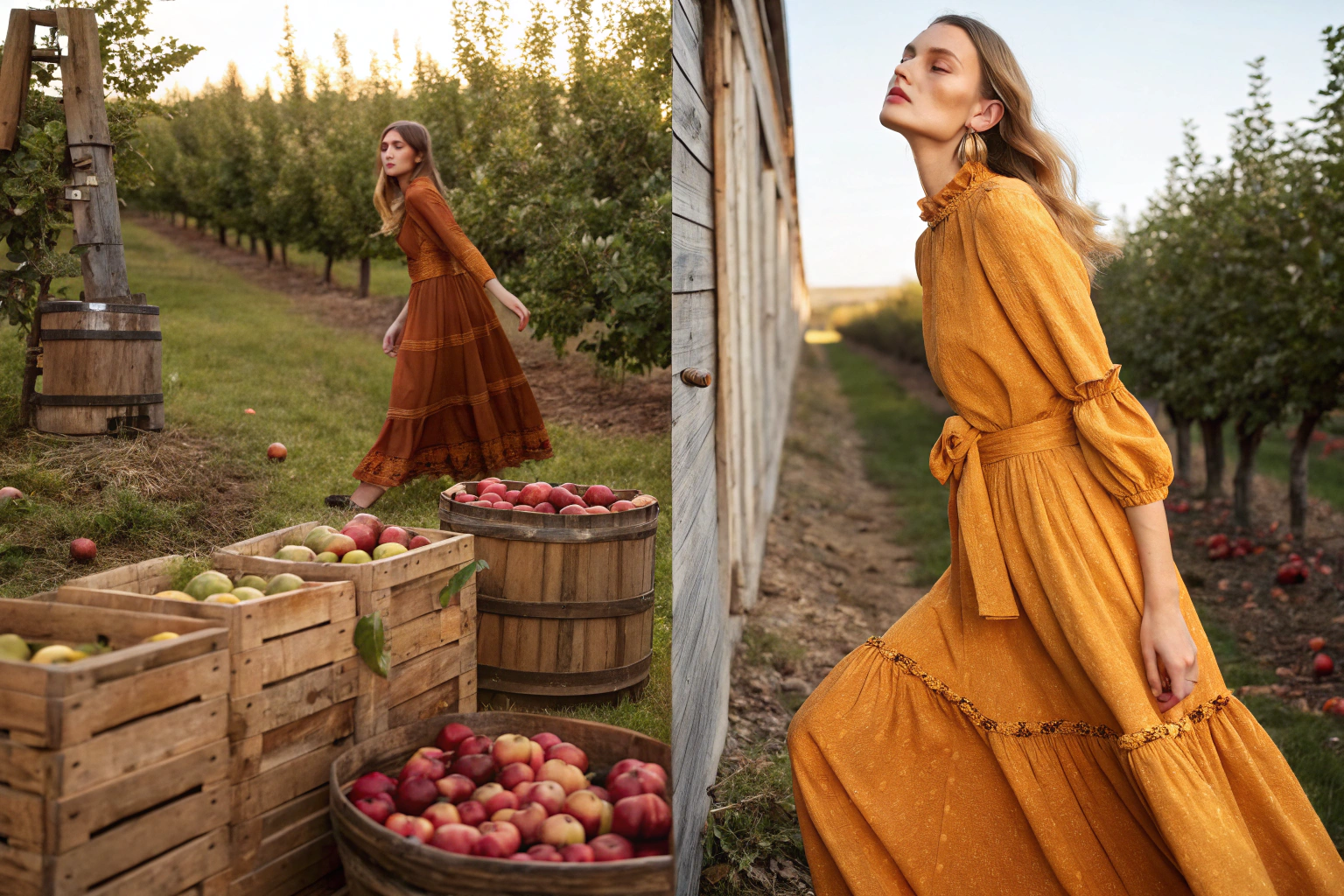
I was at a trade show in Paris last month, standing in our booth surrounded by swatches of our latest bamboo silk and recycled polyester blends. A buyer from a well-known French contemporary brand walked up, picked up a piece of our textured cotton-linen blend, and asked, "Is this cider fabric? The hand feel is exactly what we’re looking for for spring." I had to pause. Cider fabric? I’d been in textiles for over 20 years and hadn’t heard that term used before. But she explained it wasn’t about apples—it was about the aesthetic. Crisp, slightly irregular, natural, with that rustic-yet-refined quality that reminds you of a French orchard in autumn. That conversation changed how I look at texture trends.
The short answer is yes—cider fabric, or more accurately, the textural and aesthetic qualities that term describes, is absolutely gaining momentum in European women’s wear. But here’s the thing: "cider fabric" isn’t a technical textile category you’ll find in our inventory system under "C." It’s a mood, a hand feel, a visual language. It describes fabrics that have that rustic authenticity, that slightly irregular texture, those warm earthy tones that feel both heritage and completely modern. Think heavy linen slubs, raw silk noils, organic cotton with visible neps, and jacquards that mimic woven apple baskets. That’s cider fabric.
Let me walk you through exactly why this trend is resonating with European buyers right now, how we at Shanghai Fumao are developing these textures in our Keqiao facilities, and most importantly, how you can source these fabrics without paying artisanal prices or waiting months for delivery. Because honestly, when a trend this tactile hits, the factories that can reproduce that "hand-made authenticity" at scale win. And we’ve been winning a lot of these orders lately.
What Exactly Defines "Cider Fabric" in Today’s Fashion Context?
Let’s get specific because if you go to a supplier and ask for "cider fabric" without understanding what it means, you’re going to get confused looks or, worse, someone trying to sell you apple-printed novelty fabric. I learned this the hard way when I first started researching this trend after that Paris conversation.
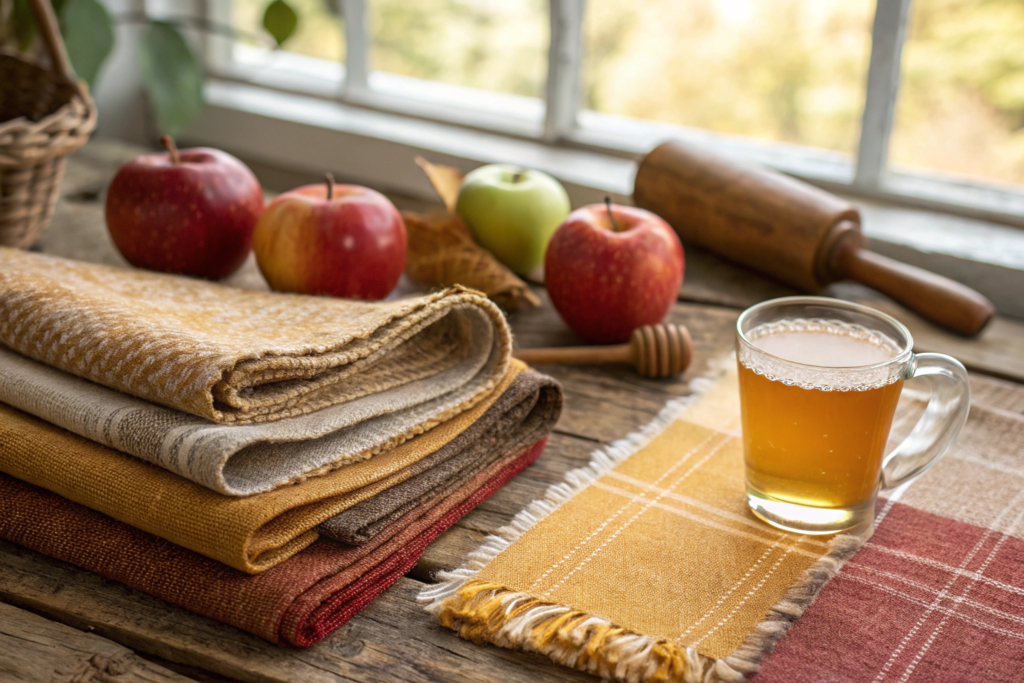
Cider fabric refers to textiles that embody the aesthetic of cider-making regions—think Normandy, Somerset, Asturias. It’s about fabrics that look like they belong in a rustic stone farmhouse: textured, imperfect, natural, and deeply connected to the earth. We’re talking about slubby linens where the thick and thin yarns create visual interest, raw silks that retain the natural irregularities of the fiber, coarse hemp blends that feel substantial and honest, and jacquard weaves that mimic the basket patterns used for harvesting apples.
The color palette is equally important. We’re not talking about bright, saturated tones. Cider fabric colors are the colors of autumn: fermented gold, russet apple skin, deep cider brown, foggy morning gray, and oxidized green. These are colors that look like they come from natural dyes, even when we’re achieving them with low-impact reactive dyes in our factories.
In early 2024, a Danish design studio sent us a mood board filled with images of apple orchards, wooden barrels, and vintage workwear. They wanted "fabric that feels like it has a history before it becomes a garment." That was our first major cider fabric order. We developed a collection of organic cotton slub jersey and textured linen blends that captured exactly that feeling. The collection sold out in pre-orders.
How Does Cider Fabric Differ From Standard Linen or Cotton?
This is the question I get from every buyer who’s used to standard categories. The difference is in the intention behind the imperfection. Standard linen is often processed to be as smooth and uniform as possible—manufacturers remove the slubs, the neps, the thick-and-thin variations. But those "imperfections" are exactly what give cider fabric its character.
When we develop cider fabrics, we actually increase the slub count. We adjust our spinning parameters to create more variation in the yarn. For our heavyweight linen canvas used in a recent order for a German workwear brand, we intentionally used a lower twist yarn that creates a more irregular surface. The fabric wrinkles beautifully, catches light differently, and feels incredibly substantial. The brand’s designer told me it reminded her of the linen her grandmother used for harvest sheets.
We also play with the weave structure. Standard plain weave is uniform—one over, one under, repeat. For cider fabrics, we might use a variation basket weave that mimics wicker patterns. We did this for a UK-based sustainable brand last year, creating a jacquard that looked exactly like traditional apple-picking baskets. They used it for structured jackets, and the texture was so distinctive that several fashion influencers featured it specifically for that basket-weave detail.
What Fiber Blends Work Best for Achieving the Cider Aesthetic?
Based on our production data from the past 18 months, the most successful cider fabric blends combine natural fibers with just enough synthetic content to maintain wearability. Pure linen is beautiful but wrinkles so intensely that some consumers find it frustrating. We’ve found that a blend of 55% linen and 45% organic cotton hits the sweet spot—you get the texture and slub of the linen with the softness and wrinkle recovery of cotton.
For higher-end applications, we’re seeing demand for linen-silk noil blends. Silk noil is essentially the shorter silk fibers that are usually considered waste in traditional silk production. But those shorter fibers create a beautiful, nubby texture that’s perfect for the cider aesthetic. We developed a 70% linen, 30% silk noil blend for a Swedish brand’s spring 2025 collection. The fabric has this incredible, subtle sparkle from the silk fibers mixed with the rustic texture of the linen. It’s expensive—about $18 per yard—but the garments retail for €300+ and are selling out.
For more budget-conscious lines, we’re doing well with cotton-polyester blends with mechanical stretch that have been brushed or peached to create a soft, slightly fuzzy surface that mimics the softness of worn-in workwear. The key is avoiding that synthetic shine. We use matte polyester fibers and finish with silicone-free softeners to keep the natural look.
How Can You Source Authentic Cider Fabrics From China Without Losing the "Hand-Made" Feel?
Here’s where I need to be completely honest with you. The biggest fear European buyers have when sourcing textured, "authentic" fabrics from China is that they’ll lose that artisanal quality. They worry our massive factories will smooth out all the character in the name of efficiency. And honestly, 10 years ago, they might have been right. But not anymore.
At Shanghai Fumao, we’ve invested heavily in what I call "controlled imperfection" technology. We have modified our spinning frames to allow for adjustable slub patterns. Instead of fighting the irregularities, we program them. For a recent order from a Dutch denim brand, we created a slubby organic cotton denim where the slubs appear at randomized intervals. Our technicians wrote a custom algorithm that mimics the natural variation you’d get from hand-spun yarn. The result? The brand’s customers couldn’t tell it wasn’t handmade.
We also maintain relationships with smaller, specialized mills in the Zhejiang province that still use older equipment. These shuttle looms, some from the 1980s, actually produce more texture variation than our modern air-jet looms. We don’t own these mills, but we have exclusive buying agreements with three of them. When you order cider fabric from us, we might weave the base cloth on one of these vintage looms to get that authentic irregularity, then bring it to our modern finishing lines for consistent quality control. It’s the best of both worlds.
Can Small-Batch Cider Fabric Production Match the Lead Times of Standard Fabrics?
This is the practical question that keeps buyers up at night. You love the aesthetic, but your production schedule doesn’t have room for 12-week lead times. I get it. We’ve structured our cider fabric production to solve exactly this problem.
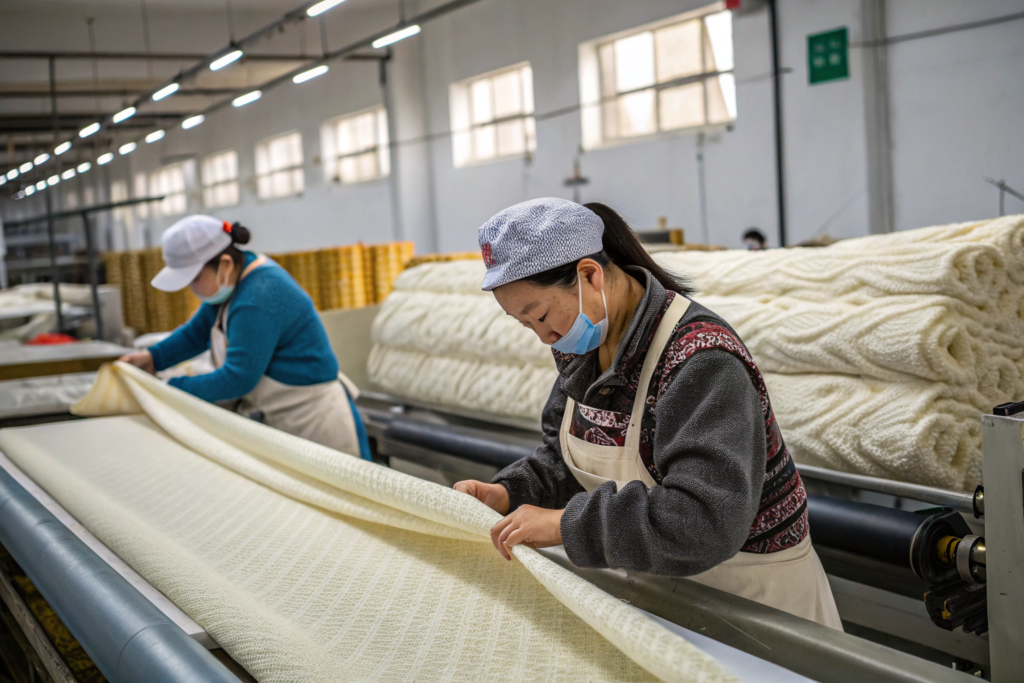
For our standard cider fabric collection—which now includes 18 SKUs of textured linen, slubby cotton, and basket-weave blends—we maintain stock service in our Keqiao warehouse. This means if you need 500 yards of our best-selling "Rustic Linen Slub" in natural or undyed, we can ship within 7 days of receiving your order. We started this stock program after losing a big order from a Spanish fast-fashion group because our 45-day lead time was too long for their test run. Now we keep the top 5 colors in stock year-round.
For custom developments, we’ve gotten our sampling down to 10-12 days. In February 2024, a French contemporary brand sent us a swatch of a vintage linen fabric they’d found at a flea market in Marseille. They wanted to reproduce the texture for a 5,000-yard order. Our R&D team analyzed the yarn count, twist, and weave structure. Within 10 days, we had three sample variations back to them. They approved one, and we shipped the bulk order in 35 days. That’s only possible because we have our own weaving factory and cooperative dyeing partners who prioritize these development projects.
The key difference is that we treat these textured fabrics as specialized products, not exceptions. Our production planners know that cider fabrics need slower loom speeds, gentler handling in finishing, and more careful inspection. We build that extra time into our scheduling. It’s not slower because we planned for it; it’s slower because rushing would ruin the texture. And we’ve found that European buyers understand and appreciate that honesty.
How Do You Maintain Color Consistency on Such Textured Surfaces?
Color on textured fabric is tricky. The high and low spots catch light differently, which can make dyeing inconsistent. We’ve learned this through trial and error—lots of error, honestly. In 2022, we had a batch of slubby linen-cotton blend for a Belgian client come out looking patchy because the dye absorbed differently on the thick slubs versus the thin areas.
Now we use a specific dyeing protocol for cider fabrics. We pre-treat the fabric with a bio-polishing enzyme that opens up the fibers more uniformly. Then we use a longer dyeing cycle at lower temperatures—about 30 minutes longer than standard cotton dyeing. This gives the dye more time to penetrate the thicker slub areas. We also use specialized leveling agents that slow down the dye strike rate.
Our CNAS-accredited lab tests every batch for what we call "shade variation due to texture." We measure the color on both the high points (the slubs) and the low points (the base fabric). The acceptable difference is tighter than industry standard because we know your customers will notice if the slubs look like a different color. For a major order of burnt orange cider fabric for a German outdoor brand last year, we rejected two full batches because the contrast between slub and base was too high. It cost us time and money, but the client’s final garments were perfect.
Why Are European Women’s Wear Brands Specifically Embracing This Aesthetic?
This isn’t just about fabric texture—it’s about what that texture represents to the European consumer right now. I’ve been watching this market for two decades, and I’ve never seen such a strong rejection of "perfect" fashion. European women, especially in France, Germany, and Scandinavia, are tired of fabrics that look the same, feel the same, and tell no story.
Cider fabric tells a story. It says, "I was made from natural fibers. I have character. I’m not trying to be plastic-perfect." This aligns perfectly with the European Union’s push toward sustainability and circular fashion. The EU’s Strategy for Sustainable and Circular Textiles explicitly encourages durability and repairability. Fabrics that look like they have texture, that feel substantial, signal longevity. A cheap, perfectly smooth polyester blouse feels disposable. A textured linen-cotton jacket feels like an investment.
We’re seeing this most strongly in the Scandinavian minimalism market—Danish and Swedish brands that built their reputation on clean lines are now adding texture as the primary source of visual interest. Instead of pattern or print, they use fabric texture to create depth. We supply a Swedish brand that does exclusively solid colors—whites, blacks, grays, and now warm autumnal tones—but they use our most heavily textured linens and slubby cottons. Their customers pay €200 for a simple white shirt because the fabric texture is that extraordinary.
How Does the Cider Aesthetic Align With the "Quiet Luxury" Trend?
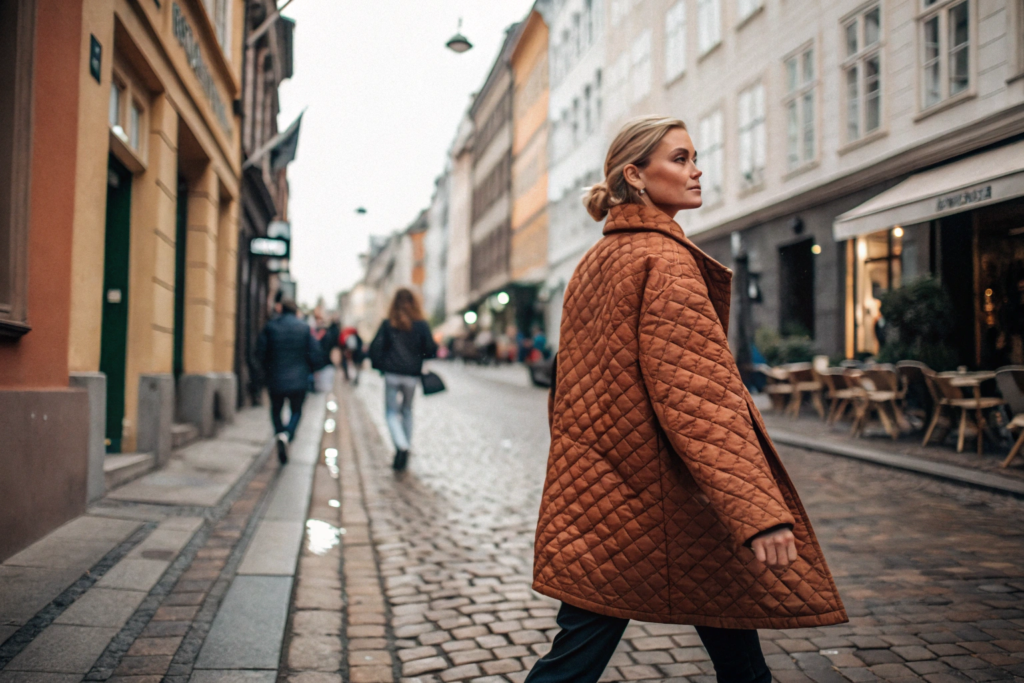
You’ve heard of quiet luxury—expensive fabrics, impeccable tailoring, no logos. Cider fabric is the textile embodiment of quiet luxury. When a woman wears a jacket made from our textured linen-silk noil blend, she doesn’t need a logo to signal quality. The fabric itself does the talking. The subtle irregularities, the way it catches light differently than standard fabrics, the substantial hand feel—all of these signal "this cost money" without shouting it.
We saw this play out with a recent order from an Italian luxury house that shall remain unnamed. They typically source exclusively from Italian mills. But their designer fell in love with a textured jacquard we developed that mimicked vintage grain sack patterns. They tested it extensively, and the quality matched their Italian supplier. We shipped 15,000 yards of that fabric for their fall/winter collection. The final garments retailed for €1,200+ and sold out in three weeks. The texture was the entire selling point—no logos, no prints, just extraordinary fabric.
For contemporary brands, this is the opportunity. You don’t need to compete with luxury houses on branding. You compete on fabric quality. A €150 dress made from exceptional cider fabric will feel more luxurious than a €300 dress made from standard material. We’re proving this every day with our European clients. The fabric is the differentiator.
What’s the Difference Between "Cider Fabric" and "Artisan Fabric" Sourcing?
Artisan fabric typically means small batches, hand processes, and premium pricing. Cider fabric, as we’ve developed it, is the scalable version of that aesthetic. We’re not hand-spinning yarn in someone’s cottage. We’re using industrial equipment calibrated to produce the same visual and tactile effect at commercial scale.
The difference matters for your bottom line. True artisan linen from a European mill might cost €25-30 per meter. Our cider linen blends, with the same aesthetic impact, cost $8-12 per yard depending on the specific construction. That’s the difference between a retail price of €300 and €150. The consumer gets the same textural experience; you get a viable margin.
We achieve this through what I call industrial craftsmanship. Our technicians understand both the machinery and the aesthetic goal. They know that to get the right "cider" look, they need to run the looms 15% slower. They need to use a specific type of sizing on the warp yarns. They need to finish with a light mechanical brushing rather than chemical softening. These aren’t shortcuts; they’re optimizations. We’ve developed standard operating procedures for over 30 different cider fabric constructions, which means we can reproduce the aesthetic consistently, order after order.
How Do You Navigate Sampling and Minimums for Cider Fabric Development?
I know that minimum quantities can kill a new trend before it starts. You want to test a cider fabric in your spring line, but you don’t want to commit to 3,000 yards until you see sell-through. We’ve built our business model around exactly this challenge.
For cider fabrics, our standard sampling is free for existing clients and $20-50 per sample for new clients, depending on complexity. We can produce sample yardage as low as 5-10 meters for most constructions. This allows you to make actual samples, test wash and wear, and get real feedback from your sales team or focus groups before committing to bulk.
Our bulk minimums for stock fabrics are as low as 300 yards per color. For custom developments, we typically require 800-1,000 yards per color for woven fabrics, and 500-600 kg for knits. But we’re flexible. In 2023, we worked with a new sustainable brand from the Netherlands that needed only 200 yards of a specialty linen blend to launch their collection. We agreed because we believed in their vision. They’ve since ordered over 5,000 yards across three seasons. Sometimes taking a chance on a smaller brand pays off.
We also offer what we call "trial production runs." If you’re unsure about a design, we can schedule a small production slot—maybe 500 yards—on our sample looms. It costs more per yard than full production, but it’s a fraction of the cost of a full production mistake. And if the trial sells well, we roll that fabric into our stock program for faster reorders.

What’s the Typical Timeline From Concept to Bulk Cider Fabric Delivery?
Let me walk you through a real timeline from a recent project so you know what to expect. This was for a UK-based contemporary brand launching a fall 2025 collection.
Week 1-2: Concept and Sampling. The client sent us reference images and desired specifications (fiber content, weight, width). Our R&D team sourced appropriate yarns and set up sample looms. We shipped three variations via DHL on day 12.
Week 3-4: Approval and Testing. The client received samples, tested wash fastness and shrinkage in their own facility, and selected one variation. They placed a bulk order for 2,500 yards in two colors on day 26.
Week 5-8: Yarn Procurement and Weaving. We ordered the specific slubby yarns from our partner spinner (who maintains inventory of textured yarns specifically for these projects). Weaving took approximately 2.5 weeks.
Week 9-10: Finishing and Dyeing. The greige goods went to our cooperative dyeing factory for piece dyeing. Because cider fabrics require slower dyeing cycles, this took 10 days.
Week 11: Inspection and Packaging. Every roll went through our CNAS-certified inspection. We flagged one roll for slight shade variation and rewoven it.
Week 12: Shipping. The fabric was packed, container loaded, and shipped to the UK. Total from order to arrival at their door: 14 weeks.
For stock fabrics, we can do this in 2-3 weeks. For rush custom orders, we can sometimes compress to 8-9 weeks, but we charge a 15-20% rush fee because it disrupts our standard production flow.
Can You Match Pantone Colors on Textured Cider Fabrics?
Yes, with one important caveat: textured surfaces will never read color exactly the same way a smooth surface does. The shadows in the texture create visual depth that affects the perceived color. We always advise clients to approve color based on the actual fabric, not a smooth paper standard.
Our process: you send us a Pantone number or physical swatch. Our lab creates a lab dip on the actual base fabric—not on paper, not on a different fabric. We adjust the dye formula until the color reads correctly on that specific texture. We then send you a 1-meter sample of the lab dip. You approve it under your lighting conditions. Only then do we proceed to bulk.
For a recent order of olive green cider fabric for a French workwear brand, we went through four rounds of lab dips. The client wanted the color to read "warm olive" rather than "military olive." The texture of the fabric was making it read cooler because of the shadows. We eventually added a touch of red to the formula to warm it up, and the final fabric was perfect. This attention to detail is why brands trust us with their signature collections.
Conclusion
Cider fabric isn’t just a passing trend—it’s a response to what European women actually want right now. They want clothes that feel authentic, that have texture and character, that don’t scream "fast fashion." They want fabrics that look like they have a history, even when they’re brand new. And they want this without paying hand-made, artisanal prices that make their collections unaffordable.
At Shanghai Fumao, we’ve spent the last two years perfecting our ability to deliver exactly this aesthetic at commercial scale. We’ve invested in modified equipment that produces controlled imperfections. We’ve built relationships with specialized mills that retain traditional weaving techniques. We’ve trained our QC teams to evaluate texture as a quality feature, not a defect. And we’ve developed a stock program that lets you test the market without committing to massive minimums.
The result? European brands from Sweden to Italy are using our cider fabrics for their most important collections. They’re getting the authentic, textured look their customers crave, with the reliability, consistency, and lead times they need to run their businesses profitably. And they’re doing it at price points that make sense.
If you’re ready to explore what cider fabric could mean for your next collection, let’s talk. Whether you need 100 yards for a capsule collection or 10,000 yards for a full-season launch, we have the capability and the expertise to deliver. The cider trend is real, it’s growing, and it’s exactly what European women’s wear needs right now.
Contact our Business Director, Elaine, to discuss your specific project. She can arrange for samples of our current cider fabric collection, discuss custom development timelines, and help you plan a collection that stands out through extraordinary texture.
Email Elaine directly at: elaine@fumaoclothing.com








