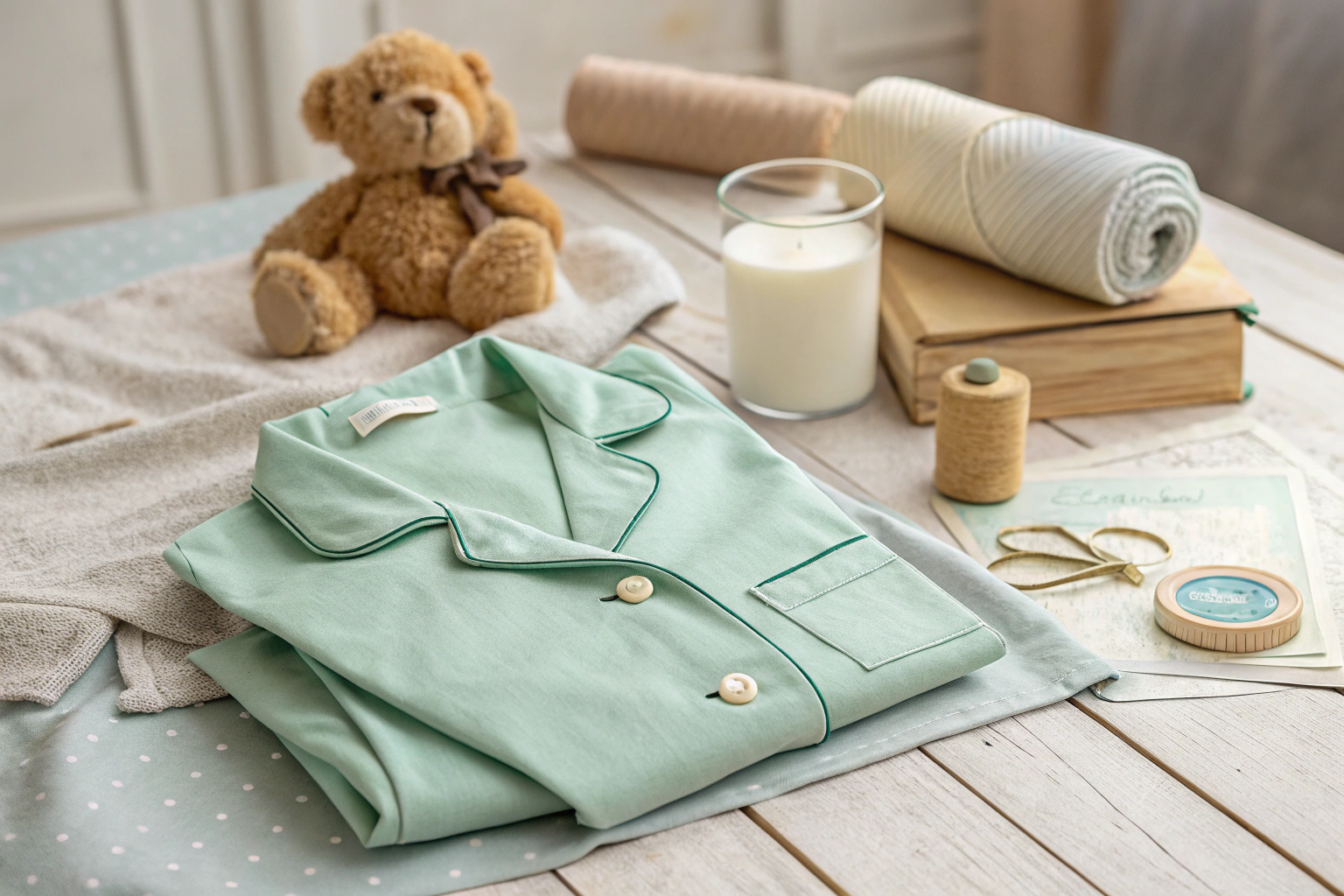
A few months ago, I received a video call from a product developer at a premium children’s wear brand in South Korea. She was holding two samples of what looked like the same cotton jersey. She asked me, "Why does one of these feel so much softer, and why is my designer insisting we use something called Tencel for our new baby line?" She was frustrated because Tencel cost more, and she wasn’t convinced the premium was worth it. I asked her to run a simple test: rub both samples against the inside of her wrist. She did it, and her eyes widened. The difference was undeniable. That’s when our conversation about Tencel really began.
The simple answer is that Tencel is the brand name for a specific type of lyocell fiber, manufactured exclusively by the Austrian company Lenzing. It’s made from sustainably sourced wood pulp, usually from eucalyptus, spruce, or birch trees. What makes it dominate the kids’ wear market is a unique combination of properties that are absolutely critical for children’s clothing: it’s incredibly soft (softer than cotton), it’s naturally breathable and thermoregulating (keeping kids cool in summer and warm in winter), it’s highly absorbent (great for drool and spills), and it’s naturally resistant to bacteria growth (reducing odors). Plus, the production process is a closed-loop system that recycles 99% of water and solvents, making it one of the most environmentally responsible fabrics on the planet. For parents who want the best for their children’s sensitive skin and for the planet, Tencel is an easy choice.
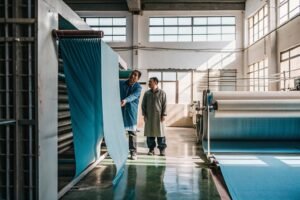
But here’s what I’ve learned after 20 years in the textile industry in Keqiao. Tencel’s dominance isn’t automatic. It requires expertise to handle. It behaves differently from cotton in spinning, weaving, knitting, and dyeing. If you treat it like cotton, you’ll end up with a mediocre fabric that doesn’t justify its premium price. The brands that win with Tencel are the ones who partner with suppliers who understand its unique personality. Let me walk you through exactly why Tencel has become the gold standard for kids’ wear and how to source it successfully.
What Makes Tencel Different From Regular Viscose or Lyocell?
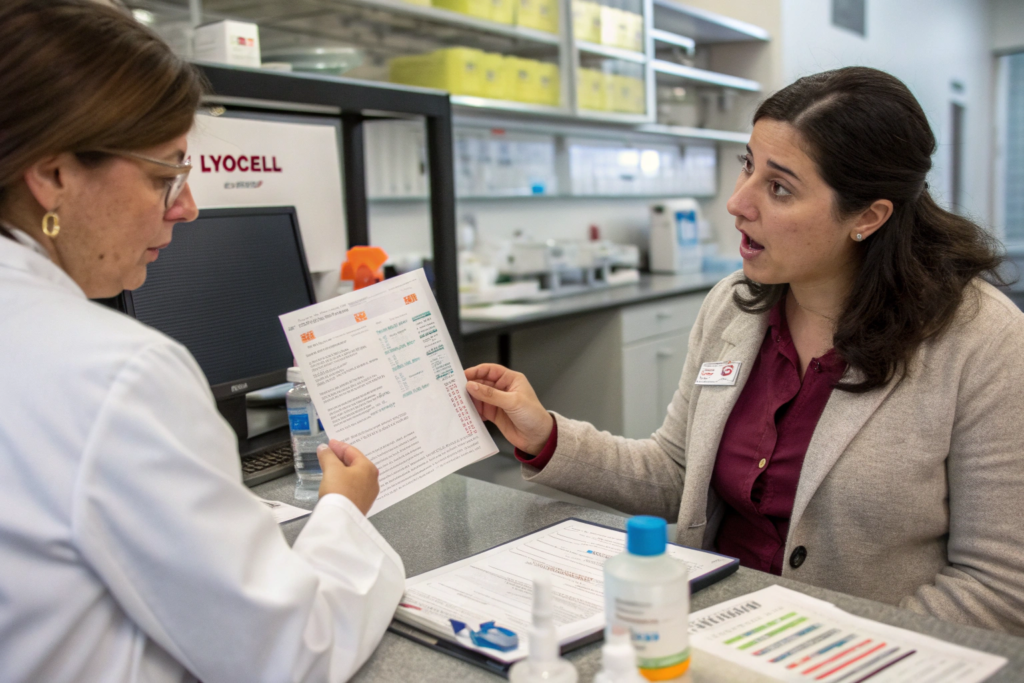
This is the first point of confusion for many buyers. Tencel is a brand name, not a generic fiber type. It’s like asking for a "Kleenex" instead of a "facial tissue." All Tencel is lyocell, but not all lyocell is Tencel. The difference lies in the manufacturing process, the sourcing of the wood pulp, and the rigorous quality control of the Lenzing company.
I remember a client from a US-based baby brand who came to us in 2022 with a sample she loved. It was labeled "lyocell." She assumed it was Tencel. We ran a simple burn test in our lab. Genuine Tencel, made by Lenzing, has a very consistent, high-quality burn characteristic. This sample was inconsistent and left a hard residue. We sent it to a third-party lab for fiber analysis. It came back as generic lyocell from a different, less rigorous manufacturer. The quality was lower, and the environmental claims couldn’t be verified. The client was shocked. She had been misled by the generic term.
Is Tencel just a marketing name, or is it genuinely different?
It is genuinely different in three key ways: raw material sourcing, production process, and fiber quality. Lenzing sources its wood from certified sustainable forests (FSC or PEFC certified). They have complete traceability. Their production process is the famous "closed-loop" system, where over 99% of the solvent (NMMO) is recovered and reused. This is not true for all lyocell producers; some still have less efficient, more polluting processes.
Most importantly, the fiber itself is of a higher and more consistent quality. Lenzing has spent decades perfecting the technology. Their fibers have a perfectly round cross-section, a smooth surface, and consistent length and thickness. This translates directly into better yarns and better fabrics. We’ve tested generic lyocell against Tencel in our lab many times. The Tencel consistently shows higher tenacity (strength), lower fibrillation (the tendency to form small pills or fuzz on the surface), and more consistent dye uptake. (The Lenzing Group’s website has extensive technical information on their fiber properties.)
Why does Tencel feel so much softer than cotton against a child’s skin?
It comes back to the fiber structure we discussed in earlier articles. Cotton fibers are flat, twisted ribbons with irregularities. Tencel fibers are round and smooth. When you spin these smooth fibers into a yarn and knit or weave it into fabric, there are far fewer microscopic "rough edges" to irritate the skin.
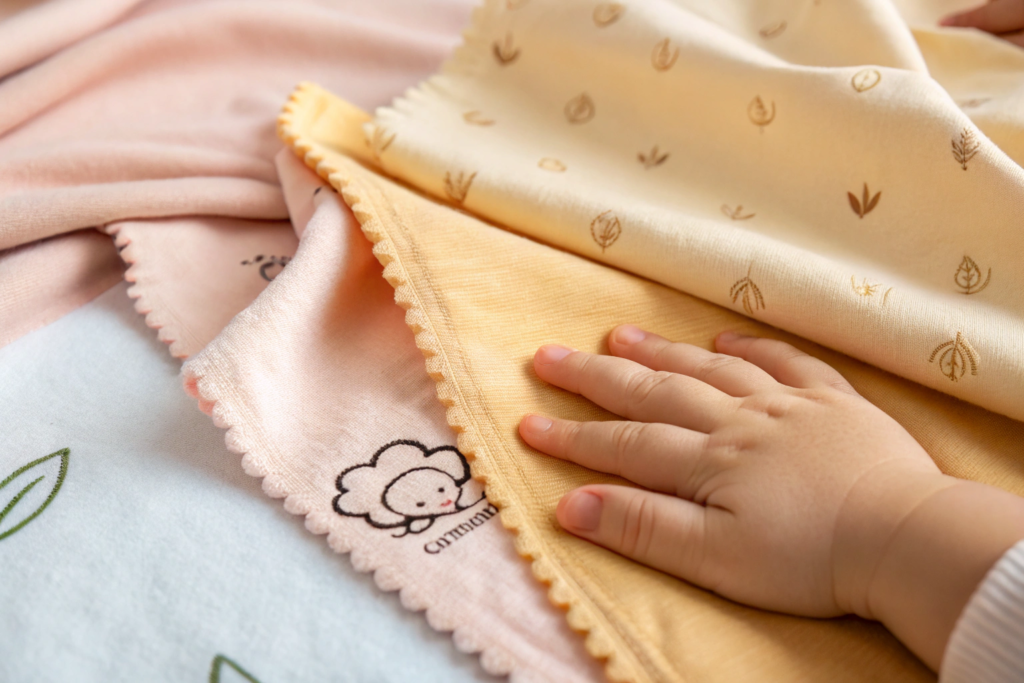
For a child’s sensitive skin, this is a game-changer. Conditions like eczema or general sensitivity can be aggravated by the friction of rough fibers. Tencel glides. We did a blind touch-test for a German children’s wear brand in 2023. We gave them five different fabrics: two different cotton jerseys, a bamboo viscose, a generic lyocell, and a Lenzing Tencel. The Tencel was ranked #1 for softness by 80% of the testers. The bamboo viscose came second, but it had other issues with durability. The parents in the focus group consistently described the Tencel as "buttery," "silky," and "what I want against my baby’s skin." (This study from a textile research institute compares the surface friction properties of different fibers.)
Why Is Tencel So Perfect for Babies and Children’s Sensitive Skin?
This is the heart of Tencel’s dominance in kids’ wear. It’s not just about marketing; it’s about genuine physiological benefits for children. Babies and young children have skin that is thinner, more delicate, and more prone to irritation than adult skin. Their thermoregulation systems are also less developed. Tencel addresses both of these challenges naturally.
I’ve had countless conversations with pediatricians and dermatologists through our clients in the medical textile space. A consultant from a French children’s hospital told me in 2022 that they recommend parents of children with eczema look for clothing made from Tencel or silk. She explained that the smooth surface reduces friction, the high moisture absorption keeps sweat away from the skin (reducing irritation), and the lack of chemical residues (if properly processed) minimizes allergic reactions. Hearing a medical professional validate what we see in the lab was powerful.
Does Tencel really help prevent skin irritation and eczema flare-ups?
Yes, and the science backs it up. There are three main factors. First, the smooth fiber surface minimizes mechanical irritation (friction). Second, Tencel is highly absorbent—it can take in 50% more moisture than cotton. This means it pulls sweat and moisture away from the skin, keeping the skin drier and reducing the conditions that lead to irritation and rash. Third, because it’s a cellulosic fiber produced in a clean process, it’s naturally free from the harsh chemical residues that can sometimes be found in conventionally processed cotton.
We worked with a Scandinavian babywear brand in 2023 to develop a line of "sleepsuits" specifically marketed for sensitive skin. They required that the entire production chain—from fiber to finished garment—be GOTS certified. We used Lenzing Tencel fibers, GOTS certified spinning, and GOTS approved dyes and finishes. The resulting fabric was independently tested for skin-irritation potential and passed with flying colors. The brand’s customer feedback has been overwhelmingly positive, with many parents reporting noticeable improvements in their children’s skin comfort. (The National Eczema Association has a resource on clothing choices for sensitive skin.)
How does Tencel’s temperature regulation benefit sleeping children?
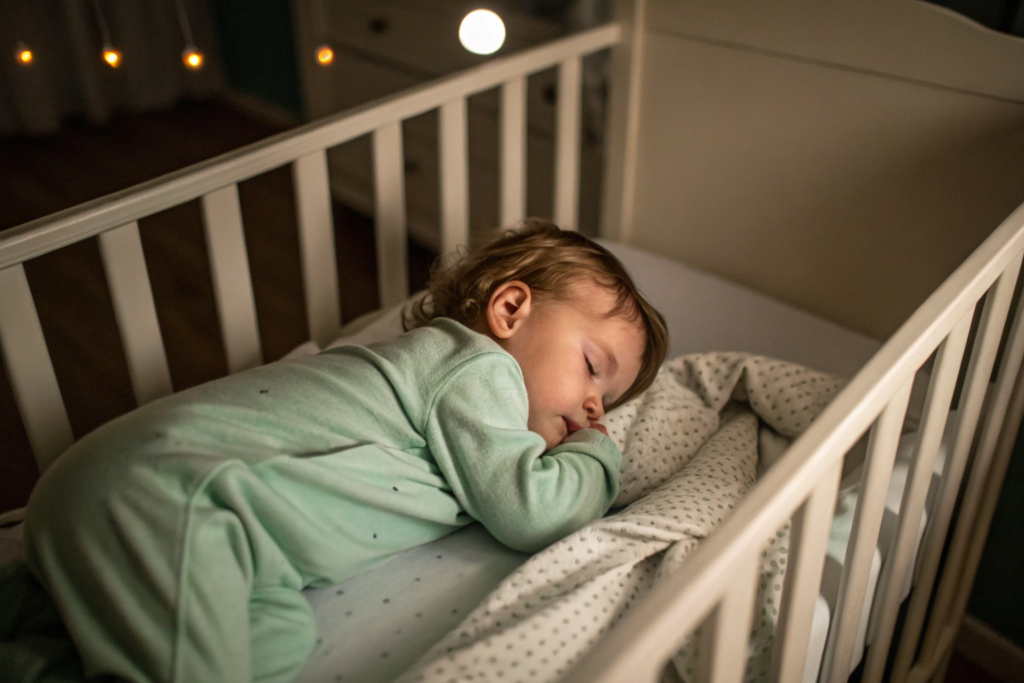
This is a feature parents don’t think about until they experience it. Anyone who has put a child to bed knows the struggle: too hot, they wake up sweaty and fussy; too cold, they wake up shivering. Tencel has natural thermoregulating properties. It helps maintain a comfortable body temperature by absorbing and releasing heat and moisture as needed.
Think of it as a natural buffer. When a child gets warm, Tencel absorbs excess heat and moisture, releasing it slowly. When they cool down, it helps retain body heat. This is because of the fiber’s structure and its high moisture content. Cotton can also breathe, but Tencel does it more efficiently. We had a client from a UK-based sleepwear brand who switched their entire children’s pajama line from cotton to a Tencel-cotton blend. Their customer reviews started mentioning "better sleep" and "fewer night wakings." It wasn’t just marketing; the fabric was genuinely helping children sleep more comfortably. (This article from a textile science blog explains the thermophysiology of different fibers.)
How Does Tencel Compare to Other Popular Kids’ Wear Fabrics?
Parents and brands have choices: organic cotton, bamboo viscose, modal, regular cotton. Each has its advocates. But Tencel consistently comes out on top in head-to-head comparisons for the specific demands of children’s clothing. It’s not that the others are bad; it’s that Tencel offers a unique combination of benefits that few can match.
I’ve done countless comparison presentations for clients. I lay out the fabrics side-by-side, show the test data, and let them feel the samples. The conversation usually starts with, "But organic cotton is so popular." By the end, it’s, "How quickly can we switch to Tencel?" The data is compelling.
Tencel vs. Organic Cotton: Which is better for kids?
This is the most common debate. Organic cotton is wonderful. It’s natural, it’s free from pesticides, and it has a great story. But in terms of pure performance for kids, Tencel wins on several fronts. It is significantly softer, especially after multiple washes. It is more absorbent, keeping moisture away from the skin. It is naturally more resistant to bacteria and odors. And its production has a lower environmental footprint (less water, closed-loop chemicals).
However, organic cotton has advantages too. It’s often less expensive. It has a more familiar, "cottony" handfeel that some parents prefer. And it’s a natural fiber that many consumers trust implicitly. The best solution for many brands is a blend. We developed a 50% Tencel / 50% organic cotton jersey for a Dutch kids’ wear brand in 2023. It combined the softness and performance of Tencel with the familiarity and cost-effectiveness of cotton. It was a huge success. (The Textile Exchange Preferred Fiber Market Report compares the environmental impacts of different fibers.)
Tencel vs. Bamboo Viscose: Aren’t they basically the same?
This is a dangerous misconception. Both are "regenerated cellulosic fibers" made from plant materials. But the difference in production and quality is huge. Bamboo viscose is typically made using the viscose process, which can be highly polluting if not managed properly. Many bamboo fabrics on the market come from unregulated factories with poor environmental controls. The fiber quality is also often inconsistent, leading to issues with durability and pilling.
Tencel, as a branded lyocell, is made in a closed-loop system with rigorous environmental standards. The fiber quality is superior—stronger, more consistent, and less prone to fibrillation (fuzziness). We’ve tested bamboo viscose against Tencel in abrasion tests. The Tencel consistently outlasts the bamboo, often by a factor of two or three. For children’s wear, which gets washed constantly and worn hard, durability matters. A bamboo garment might pill and look worn after a few months. A Tencel garment will often look new for years. (This article from Common Objective compares bamboo and Tencel in detail.)
What Should Kids’ Wear Brands Know About Sourcing and Manufacturing Tencel?
Here’s where the rubber meets the road. Tencel is a fantastic fiber, but it’s not a "drop-in" replacement for cotton. It has different properties that require adjustments in spinning, knitting, dyeing, and finishing. Brands that try to treat it like cotton often end up with disappointing results. They might get pilling, poor color fastness, or a fabric that doesn’t live up to the Tencel name.
I’ve been managing Tencel production for over 15 years. We’ve made every mistake in the book. We’ve had dye lots that came out uneven because we used the wrong dyeing temperature. We’ve had fabrics that fibrillated (developed a fuzzy surface) because we used the wrong finishing enzymes. We’ve learned the hard way, and now we have detailed protocols for every step. When a new client comes to us with a Tencel project, we don’t just take their order; we guide them through the process.
Why does Tencel require different dyeing and finishing than cotton?
Because Tencel fibers absorb dye differently. They are more absorbent and can "drink" dye faster, which can lead to uneven dyeing if the process isn’t controlled carefully. The dyeing temperature, the ramp rate (how fast you heat the dye bath), and the chemical assistants all need to be adjusted.
The biggest challenge is "fibrillation." In wet processing, Tencel fibers can develop tiny fibrils on their surface—microscopic hairs that can tangle together and create a frosted or "pilled" appearance. To control this, we use specialized enzymes (cellulases) in a process called "bio-polishing" or "de-fibrillation." This removes the loose fibrils and leaves a smooth, clean surface. It’s an extra step that cotton doesn’t require. We developed a specific enzyme recipe for a French luxury babywear brand in 2024 to achieve a perfectly smooth, "peach-skin" finish on their Tencel rompers. It took months of trial and error. (Lenzing provides extensive technical guidelines for processing Tencel.)
How do I avoid pilling in Tencel kids’ wear?
Pilling in Tencel is usually a result of fibrillation that wasn’t properly controlled during finishing, or a fabric construction that is too loose. The key is a combination of yarn selection, fabric structure, and finishing.
First, use a higher twist yarn. This holds the fibers together more tightly. Second, choose a tighter knit or weave structure. A loose, open structure allows fibers to move and tangle more easily. Third, ensure a thorough bio-polishing/enzyme treatment to remove any potential fibrils. We had a client from a US-based children’s activewear brand who complained about pilling on their first Tencel order from another supplier. We analyzed the fabric. The yarn was low-twist, the knit was loose, and there was no evidence of enzyme treatment. We re-engineered the fabric with a higher-twist yarn and a slightly tighter knit, and added a bio-polishing step. The pilling stopped. (The AATCC Test Method for Pilling is the standard for measuring this.)
Is Tencel Worth the Premium Price for Kids’ Wear Brands?
This is the question every brand eventually asks. Tencel is more expensive than conventional cotton, often more expensive than organic cotton, and comparable to or slightly higher than bamboo viscose. So, is the premium justified? In my experience, for the kids’ wear market, the answer is a resounding yes—if you position it correctly.
Parents, especially millennial and Gen Z parents, are incredibly discerning. They research ingredients in their baby’s food, they worry about chemicals in their baby’s lotion, and they are increasingly applying that same scrutiny to clothing. They are willing to pay more for products that are safer, more comfortable, and more sustainable for their children. Tencel delivers on all three counts.
Do parents actually notice and value the difference?
Yes, they do. We’ve seen this in countless focus groups and in the sales data of our clients. A UK-based babywear brand switched their core bodysuit from organic cotton to a Tencel-cotton blend and increased the price by 15%. They were nervous. But their sales actually went up. Customer reviews specifically mentioned the "incredible softness" and how their "baby seemed more comfortable."
Parents notice when a garment feels different. They notice when it washes well and stays soft. They notice when their child doesn’t get a red mark on their neck from a scratchy tag or seam. Tencel delivers a tangible, felt difference that justifies a premium. A client from a Canadian children’s loungewear brand told me that their Tencel line has a 40% repeat purchase rate—meaning customers come back and buy more, often in multiple colors. That’s the power of a superior product. (This survey on parent purchasing preferences for children’s clothing confirms the trend toward quality and sustainability.)
How can smaller brands afford to use Tencel?
It’s about being strategic. You don’t have to convert your entire line overnight. Start with one key item—the item that touches the skin the most, like pajamas, bodysuits, or underwear. Use Tencel for that item to create a signature "hero product" that showcases the fabric’s benefits.
You can also use blends. A 50/50 Tencel-cotton blend offers many of the benefits of Tencel at a lower cost than 100% Tencel. Or you can use Tencel for the parts of a garment that matter most—like the lining of a jacket or the inner layer of a diaper cover. We helped a small US-based startup do exactly this in 2023. They had a limited budget but wanted the Tencel story. We developed a 60% organic cotton / 40% Tencel jersey for their core line. It was affordable, performed beautifully, and gave them a "point of difference" in a crowded market. They are now growing and planning to move to higher Tencel blends. (Small brands can also explore Lenzing’s partner network to find mills that specialize in smaller runs.)
Conclusion
So, what is Tencel and why does it dominate the kids’ wear market? Tencel is the brand name for a premium lyocell fiber made by Lenzing from sustainably sourced wood pulp in a closed-loop, environmentally responsible process. It dominates kids’ wear because it offers an unbeatable combination of properties for children’s delicate skin: exceptional softness, superior breathability and temperature regulation, high moisture absorption, natural resistance to bacteria, and a smooth surface that minimizes irritation. It outperforms organic cotton on many metrics and is a more reliable, higher-quality choice than generic bamboo viscose. Yes, it requires specialized knowledge to process correctly, and yes, it commands a premium price. But for parents who want the very best for their children—in terms of comfort, health, and environmental impact—Tencel is the clear and increasingly dominant choice.
This is exactly the kind of expertise we bring to every Tencel project at Shanghai Fumao. With over 20 years of experience in Keqiao, we don’t just sell Tencel fabric; we are specialists in handling it. We understand the nuances of spinning, knitting, dyeing, and finishing this remarkable fiber to bring out its full potential. We work with Lenzing-certified supply chains, we have the testing capability in our CNAS-accredited lab to ensure quality, and we guide our clients through every step, from fiber selection to finished roll. If you’re ready to elevate your kids’ wear line with the comfort and sustainability of Tencel, please reach out to our Business Director, Elaine. She can discuss your specific needs, share our Tencel fabric library, and help you plan a collection that parents will love. Email her directly at elaine@fumaoclothing.com. Let’s create something incredibly soft for the little ones.