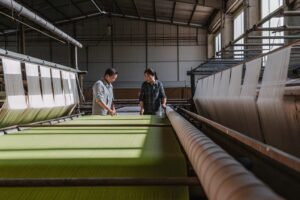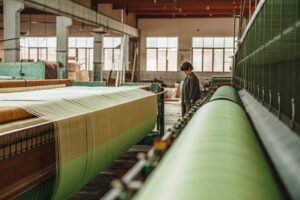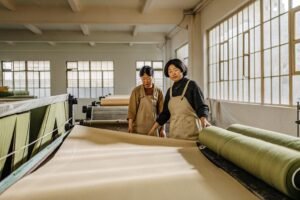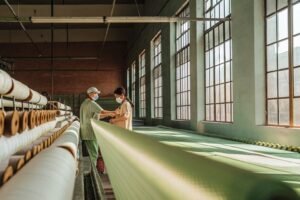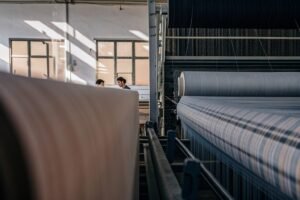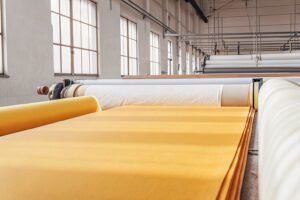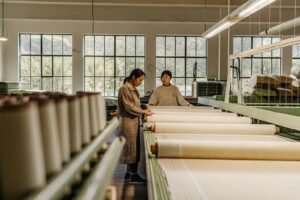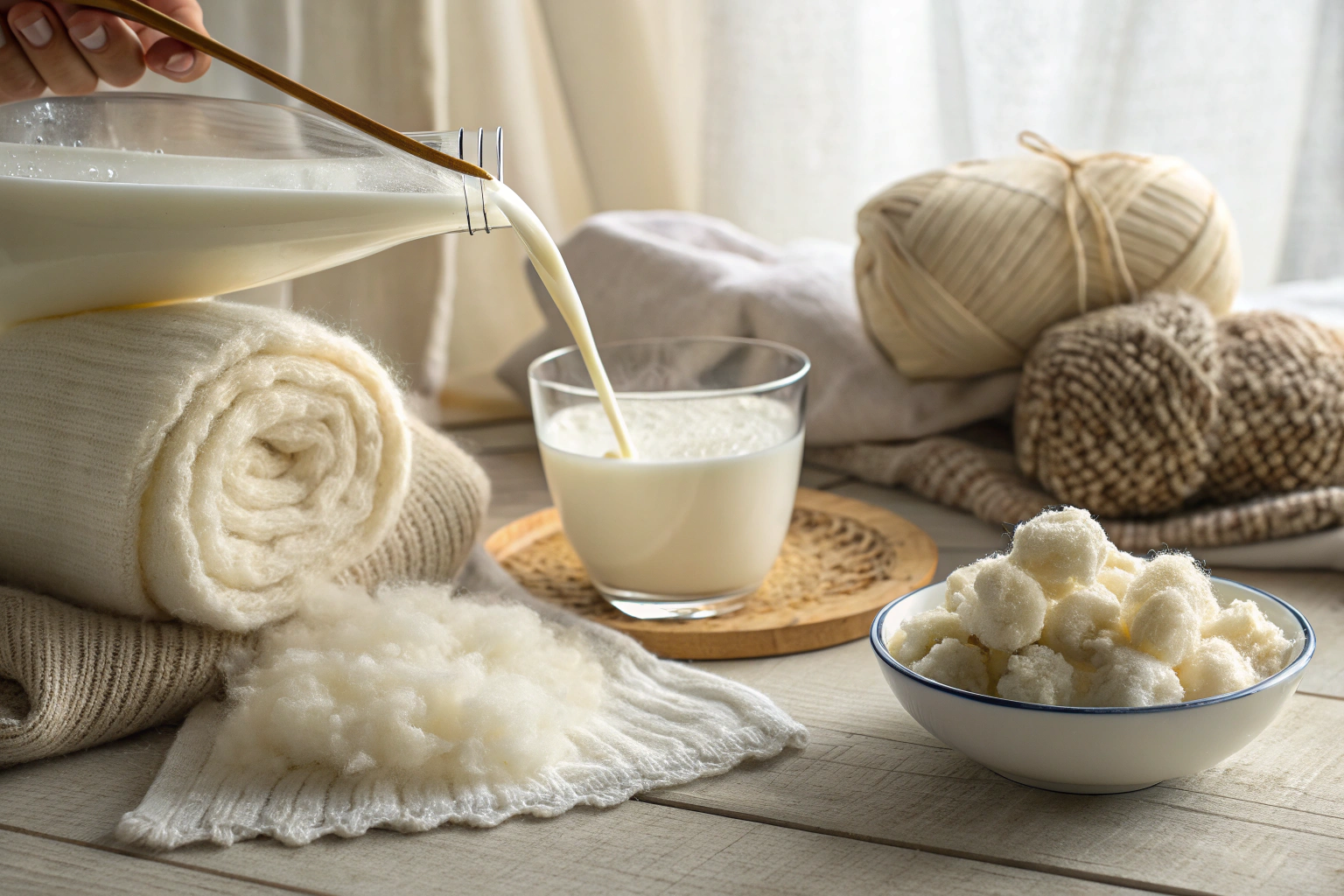
I first heard about milk fiber in 2015. A Japanese client asked if we could source it. I said, "Milk fiber? Like from cows?" He laughed. He explained: casein, the protein in milk, can be turned into fiber. It has been around since the 1930s. But it was not popular because it was weak when wet. Then new technology made it better. Now it is coming back as a sustainable option. I was curious. I visited a mill in China that makes it. I saw milk turned into soft, cashmere-like fiber. It felt amazing. And it was biodegradable. I was hooked.
So, what is the role of milk protein fiber in sustainable textiles? Milk fiber, also called casein fiber or milk protein fiber, is a regenerated protein fiber made from casein extracted from milk. It is marketed as a sustainable alternative to cashmere and other luxury fibers. It is soft, smooth, and has natural antibacterial properties. But it is not perfect. It has limitations. In this guide, I will share what I have learned about milk fiber: how it is made, its pros and cons, its sustainability claims, and how to source it. Because it is a niche fiber, but for the right product, it can be a winner.
How is milk protein fiber made?
Milk fiber starts with milk. But not the milk you drink. Usually, it is made from milk that is not suitable for drinking. Surplus milk, or milk that is past its sell-by date. That is good. It uses waste.
Step 1: Extraction of casein. The milk is skimmed to remove fat. Then casein is separated from the whey. Casein is the main protein in milk. It is dried into a powder. This is the raw material for the fiber.
Step 2: Dissolving. The casein powder is dissolved in an alkaline solution (like sodium hydroxide). It becomes a thick, viscous liquid. Think of it like a protein "dope."
Step 3: Filtration and deaeration. The liquid is filtered to remove impurities. Air bubbles are removed. The liquid must be perfectly smooth.
Step 4: Wet spinning. This is the key step. The liquid is forced through spinnerets (like a shower head with very tiny holes) into a coagulation bath. The bath contains acid and salts. It neutralizes the alkali and solidifies the protein into continuous filaments. This is called "wet spinning." The filaments are very fine.
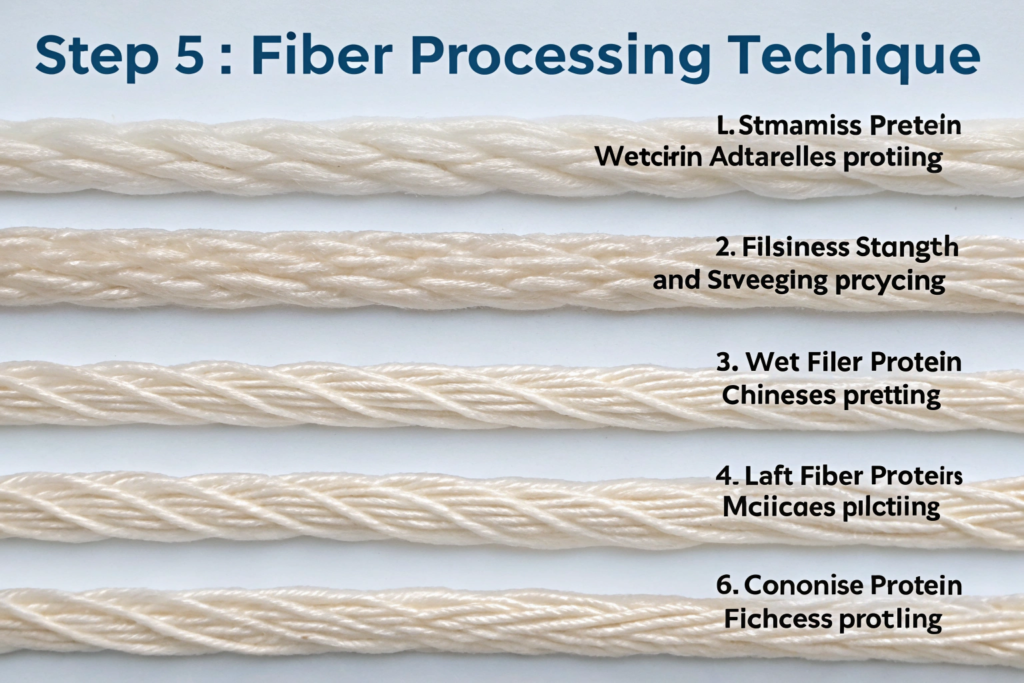
Step 5: Drawing and stretching. The filaments are stretched to align the protein molecules. This gives strength. They are also treated with chemicals (like aldehydes) to cross-link the protein. This makes the fiber stronger when wet. Without this step, the fiber would dissolve in water. (This is what made old milk fiber weak.)
Step 6: Washing and finishing. The fibers are washed, dried, and sometimes cut into staple lengths (like cotton or wool). They can also be left as continuous filament.
Step 7: Optional blending. Milk fiber is often blended with other fibers: wool for warmth, cotton for breathability, polyester for strength. Pure milk fiber is soft but not very strong.
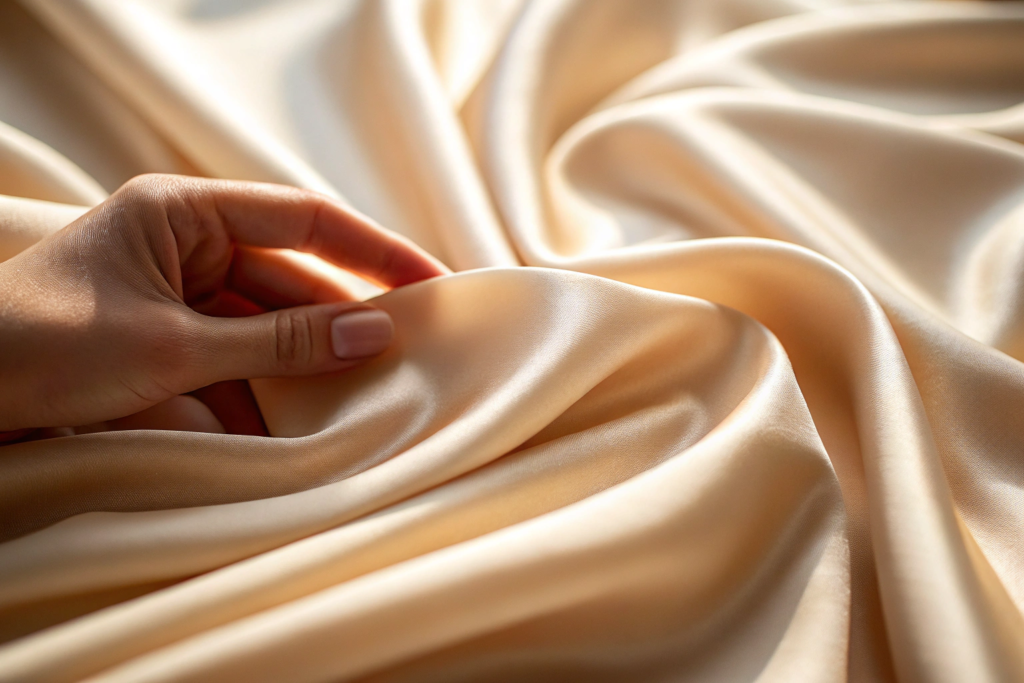
The result is a fiber that looks and feels like cashmere or silk. It has a soft, warm hand. It drapes well. It is also naturally antibacterial because of the protein structure.
What are the different types of milk fiber?
There are two main types on the market today:
Pure casein fiber: Made from 100% milk protein. This is the softest and most luxurious. But it is also the most expensive and the least durable. It is used for high-end scarves, shawls, and intimate apparel.
Blended milk fiber: Milk protein is blended with other fibers during spinning. Common blends: milk/acrylic, milk/polyester, milk/cotton, milk/wool. The milk content can be 10% to 50%. These blends are stronger and cheaper. They are used for sweaters, socks, and general apparel.
In China, you will often see "milk silk" or "milk fiber" labels. Check the composition. Sometimes it is 100% milk. Sometimes it is a blend. The price varies a lot.
What are the sustainability benefits of milk fiber?
Milk fiber is marketed as sustainable. But like everything, it has pros and cons. Here is the real picture based on our research and supplier data.
Use of waste milk: This is the biggest plus. Milk fiber uses milk that would otherwise be thrown away. Surplus milk, sour milk, or milk not meeting food standards. That reduces food waste. A noble goal.
Biodegradability: Casein is a natural protein. In theory, it should biodegrade. In practice, it depends on the cross-linking chemicals used. Some treatments (like formaldehyde) can reduce biodegradability. Newer methods use less toxic cross-linkers. Ask your supplier: "Is your milk fiber biodegradable?" If they say yes, ask for test reports (like ISO 14855 for biodegradability).
Renewable resource: Milk comes from cows. Cows eat grass. It is renewable. But cows also produce methane. So it is not zero-impact. But compared to petroleum-based synthetics, it is better.
Lower water footprint than cotton: Cotton is thirsty. Milk fiber uses water for the cows and for processing. But overall, some studies suggest it has a lower water footprint than conventional cotton. Hard to verify, but plausible.
No pesticides: Milk production does not use pesticides (though feed crops might). So no pesticide runoff.
Natural antibacterial properties: Milk protein has inherent antibacterial qualities. This means fabrics may not need anti-microbial finishes. That saves chemicals. It also means the fabric resists odors. Good for activewear and underwear.
But… There are downsides. The wet spinning process uses chemicals (alkali, acid, cross-linkers). If not managed properly, those chemicals can pollute. So the sustainability depends on the factory’s environmental controls. Look for ISO 14001 certified producers.
How does milk fiber compare to other sustainable fibers?
Here is a quick comparison based on our experience:
| Fiber | Pros | Cons | Best for |
|---|---|---|---|
| Milk fiber | Soft, cashmere-like, antibacterial, from waste milk | Less durable, expensive, niche | Luxury knits, scarves, babywear |
| Organic cotton | Widely available, soft, breathable | High water use, land use | Basics, t-shirts, denim |
| Tencel (Lyocell) | Sustainable wood source, closed-loop process | Can be expensive, less soft than milk | Dresses, shirts, activewear |
| Recycled polyester | Uses plastic waste, durable | Sheds microplastics, not biodegradable | Activewear, outerwear |
| Hemp | Durable, low water, no pesticides | Can be coarse, limited suppliers | Workwear, blends |
| Bamboo (viscose) | Soft, renewable | Processing can be chemical-intensive | Loungewear, sheets |
Milk fiber sits in the "luxury sustainable" niche. It is not for everything. But for products where softness matters, it is excellent.
What are the properties and performance of milk fiber fabrics?
Milk fiber feels special. I have samples in my office. When clients touch them, they often say, "Wow, that is soft." Here are the key properties.
Softness: Milk fiber is as soft as cashmere, sometimes softer. It has a smooth surface, so it feels good against skin. It is often called "animal-free cashmere."
Moisture absorption: It absorbs moisture well, better than synthetics. It can take up to 12-15% moisture without feeling wet. That makes it comfortable in humid conditions.
Breathability: Good air permeability. Not as breathable as cotton, but better than polyester.
Antibacterial: Natural antibacterial properties. Tests show it inhibits growth of bacteria like Staphylococcus aureus. That means less odor. We have test reports showing 80%+ reduction in bacteria.
UV resistance: Some studies suggest milk fiber has natural UV protection. Not as high as special UV fabrics, but a bonus.
Dyeability: Milk fiber takes dye well. Colors are vibrant. But because it is protein, it can be damaged by some dyes. We use reactive dyes for milk/cotton blends and acid dyes for pure milk.
Wrinkle resistance: Moderate. It wrinkles less than cotton but more than polyester. A blend with polyester or acrylic improves wrinkle resistance.
Strength: This is the weakness. Pure milk fiber is not strong. It has low tensile strength, especially when wet. That is why it is often blended. For a scarf, fine. For a t-shirt, blend.
Abrasion resistance: Low to moderate. It can pill if not blended or treated. Anti-pill finishes can help.
Shrinkage: Can shrink if not handled properly. We pre-shrink milk fiber fabrics in finishing.
What are the care requirements?
Milk fiber fabrics need gentle care:
- Hand wash or gentle machine wash in cold water.
- Mild detergent, no bleach.
- Do not wring.
- Dry flat, away from sun.
- Iron on low, with cloth barrier.
Some blends can be machine washed. Always test.
What are the applications and market trends for milk fiber?
Milk fiber is not a commodity. It is a specialty. But demand is growing, especially in Asia and Europe. Here is where we see it used.
Luxury knitwear: Scarves, shawls, wraps, sweaters. The cashmere-like feel commands a premium. A Italian brand we supply uses milk/wool blends for their winter collections. They sell at €300 per sweater.
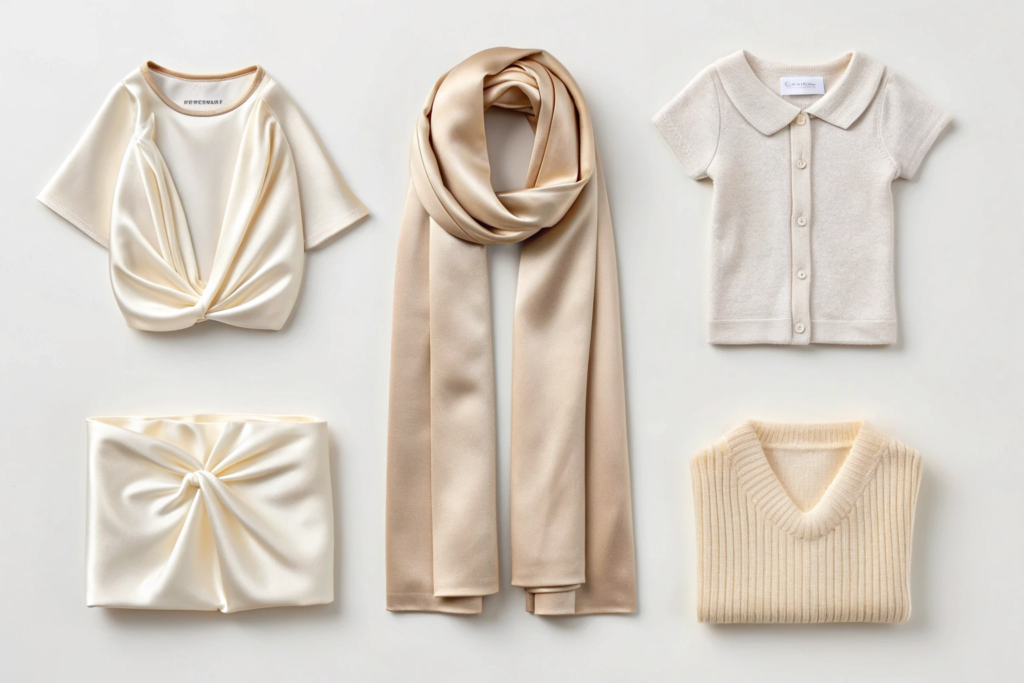
Babywear: Extremely soft and antibacterial. Good for sensitive skin. Onesies, blankets, hats. A Japanese client makes baby blankets from pure milk fiber. They are a bestseller.
Intimate apparel: Underwear, pajamas, loungewear. Soft against skin, breathable, odor-resistant. A US startup uses milk/cotton blend for their "eco-luxury" underwear line.
Activewear: As a blend with polyester or spandex. The antibacterial property helps with odor. The softness adds comfort. But durability is a concern for high-friction sports.
Home textiles: Blankets, throws, pillow covers. The softness is a selling point. A Korean home textile brand uses milk fiber for luxury bedding.
Medical textiles: Because of antibacterial properties, it is used in wound dressings and medical gowns. A niche market.
Market trend: In China, milk fiber is marketed as "healthy" and "natural." It appeals to health-conscious consumers. In Europe and US, it is marketed as "sustainable cashmere alternative." The market is small but growing at 5-10% per year.
What are the price points?
Milk fiber is not cheap. Here are rough estimates FOB China:
- Pure milk fiber yarn: $15 to $25 per kg. Compare to cotton at $3-5, polyester at $2-3.
- Milk/cotton blend fabric (50/50): $8 to $12 per meter.
- Milk/wool blend fabric: $15 to $25 per meter.
- Pure milk fiber fabric (scarves): $20 to $40 per meter, depending on weight and finish.
Prices vary with quality, blend, and order quantity. For a premium product, the cost is justified. For mass market, it is too expensive.
What should you consider when sourcing milk fiber from China?
If you want to source milk fiber, here is what I have learned.
Find a specialist: Not every fabric supplier knows milk fiber. It is a niche. We at Shanghai Fumao have experience with it. We work with mills that specialize in protein fibers. Ask for references.
Verify the composition: Some suppliers call anything soft "milk fiber." Check the test report. The fiber content should be clearly stated. If it says "milk fiber" but the test shows acrylic, run.
Check the source of milk: Ask where the milk comes from. Is it waste milk? Is it from grass-fed cows? Some brands care about this. We can provide information from our mill.
Test for antibacterial properties: If you are marketing antibacterial, you need proof. Ask for test reports (like ASTM E2149 or ISO 20743). We have these for our milk fiber.
Test for biodegradability: If you claim sustainability, test for biodegradability. Ask for ISO 14855 or similar. Not all milk fiber biodegrades well due to cross-linkers.
Check for certifications: OEKO-TEX Standard 100 is common. Some mills have GOTS if they process organic. ISO 14001 for environmental management.
Blend carefully: Decide what properties you need. If you need strength, blend with polyester or nylon. If you need warmth, blend with wool. If you need breathability, blend with cotton. We can develop custom blends.
Sample first: Order sample yardage. Make garments. Test wash. See how it performs. Milk fiber can surprise you (good or bad). Better to know before bulk.
MOQs: For custom milk fiber fabrics, MOQs are higher. Usually 3,000 to 5,000 meters per color. For stock fabrics, we offer as low as 100 meters.

What are the common pitfalls?
From our experience, watch out for:
Over-promising on strength: Some suppliers say milk fiber is as strong as cotton. It is not. Be honest with your customers.
Shrinkage issues: Milk fiber can shrink. Pre-shrink or account for it in cutting.
Pilling: Pure milk fiber can pill. Anti-pill treatments help. Blending helps.
Yellowing: Some milk fiber can yellow with age or UV exposure. Test for lightfastness.
Chemical residues: Ensure the mill uses safe cross-linkers. Avoid formaldehyde-treated milk fiber.
How does Fumao Fabric source and supply milk fiber?
At Shanghai Fumao, we have been working with milk fiber since 2016. We partner with a specialized mill in Zhejiang that has over 10 years of experience in protein fibers. Here is how we ensure quality.
Source verification: We visit the mill regularly. We check the raw milk source. It is surplus milk from local dairies. No food waste, but not suitable for drinking.
Process control: The mill uses modern wet spinning with safer cross-linkers. They are ISO 14001 certified and OEKO-TEX certified. We have test reports for every batch.
Testing: In our own lab, we test for:
- Fiber composition (to confirm milk content)
- Antibacterial activity
- Tensile strength
- Shrinkage
- Colorfastness
- Pilling resistance
Blending expertise: We help clients choose the right blend. For a Canadian client making baby blankets, we recommended 70% milk / 30% organic cotton. Soft enough, but strong enough. They loved it.
Custom development: If you need a specific weight, width, or finish, we can develop it. Minimums apply, but we work with you.
Sustainability story: We provide documentation to support your marketing: mill certificates, test reports, and photos of the process. You can tell your customers where the fiber comes from.
Conclusion
Milk protein fiber is a fascinating material. It turns waste into luxury. It offers softness that rivals cashmere, with natural antibacterial properties. It is biodegradable (with the right processing). It fits the growing demand for sustainable, ethical textiles. But it is not for everyone. It is delicate, expensive, and requires careful sourcing.
At Shanghai Fumao, we believe milk fiber has a place in the sustainable textile future. For the right product—luxury knits, babywear, intimate apparel—it can be a winner. We have the experience, the mill partners, and the testing capability to supply it reliably.
If you are interested in exploring milk fiber for your collection, contact our Business Director, Elaine, directly. She has worked with milk fiber since we started and can guide you through the options. Email her at elaine@fumaoclothing.com. Tell her about your product idea, your target market, and your sustainability goals. She will send you samples, test reports, and help you develop the right fabric. Because at Shanghai Fumao, we believe that good things come from unexpected places. Even from a glass of milk.