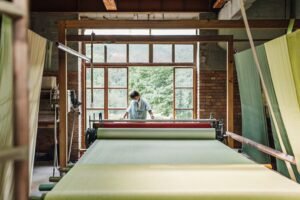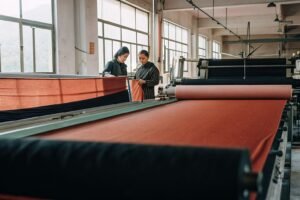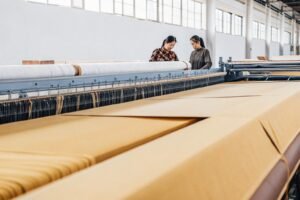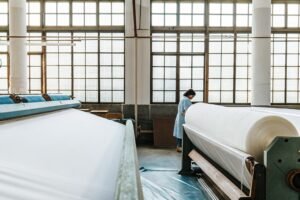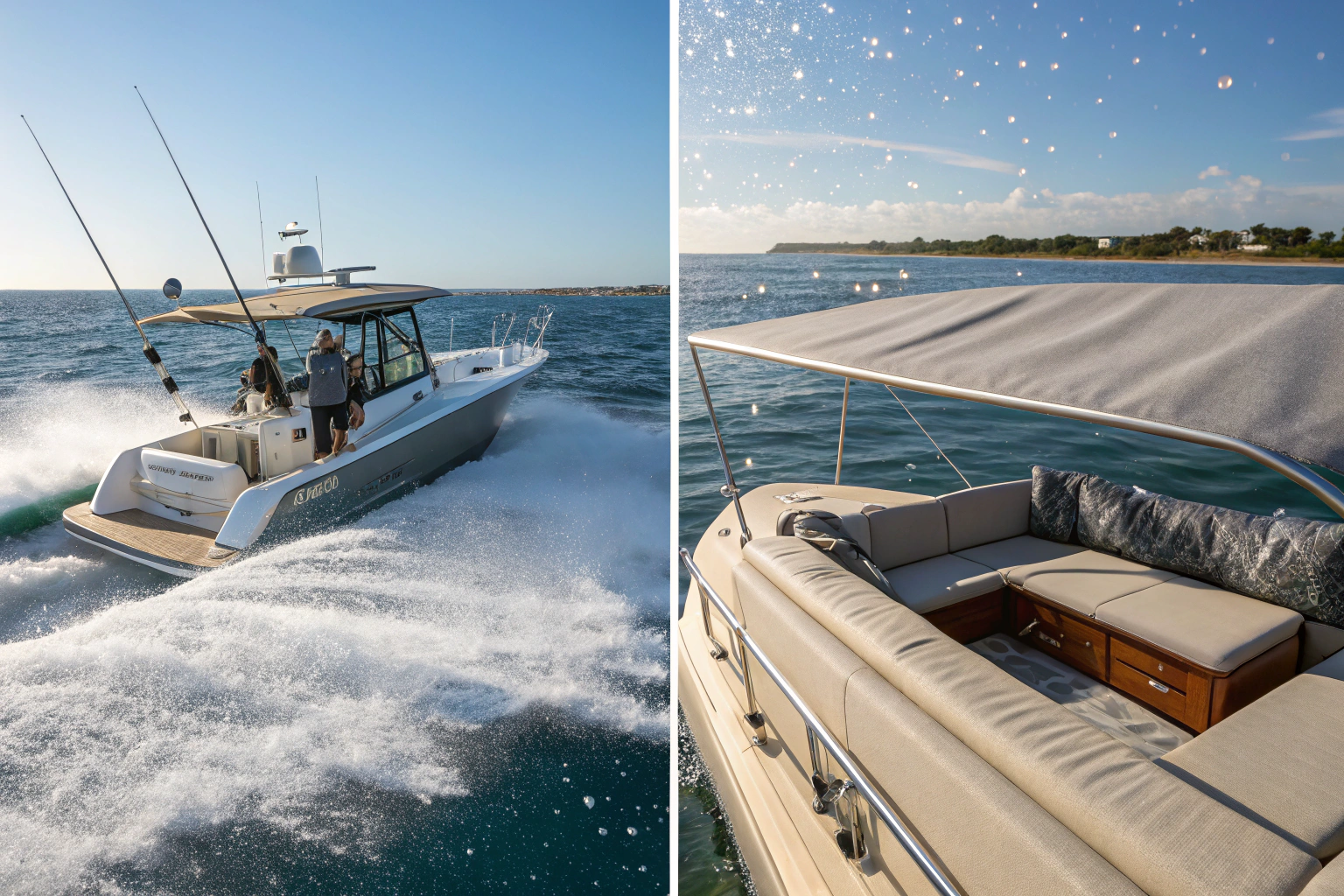
I learned about marine fabrics the hard way. In 2016, a customer from Florida called me. He made boat covers. He ordered what he thought was solution-dyed acrylic. We shipped it. Three months later, he sent photos. The fabric was faded, moldy, and falling apart. The salt air had destroyed it. I felt terrible. I refunded him, but the damage to my reputation was done. That experience sent me deep into the world of marine textiles. I visited mills, talked to chemists, and tested everything. Now, I can tell you exactly what works and what does not in saltwater environments. Because the ocean does not forgive. And neither do boat owners.
So, what are the best fabrics for marine and saltwater environments? The short answer: solution-dyed acrylic, coated polyester, and certain high-performance synthetics like PVC-coated fabrics and UV-resistant olefin. But the real answer is more complicated. It depends on what you are making: boat covers, upholstery, sails, flags, or outdoor cushions. Each application needs different properties. But the common requirements are the same: UV resistance, mildew resistance, water repellency, and the ability to handle constant salt exposure without degrading. In this guide, I will share what we have learned supplying marine fabric to clients in the US, Europe, and coastal Asia. Because if you are sourcing for marine use, you cannot afford to guess.
What properties make a fabric suitable for saltwater use?
Saltwater is brutal on fabric. It is not just water. It is a corrosive soup of salts, minerals, and microorganisms. The sun adds UV radiation. Wind adds abrasion. And everything is constantly wet or drying. So a marine fabric must fight on multiple fronts. Here are the properties we test for in every fabric destined for saltwater use.
UV resistance: This is number one. The sun destroys most fabrics. Cotton rots. Polyester weakens. Nylon degrades. The best marine fabrics use solution-dyed fibers. That means the color is added when the fiber is made, not after. The pigment is inside the fiber, so it cannot wash out or fade. Solution-dyed acrylic is the gold standard. We supply this for a US marine canvas company. Their bimini tops last 5 to 7 years in Florida sun. Regular acrylic might last 2 years.
Mildew and rot resistance: Salt spray carries fungus spores. Fabrics stay damp. Mildew grows. It stains, it smells, it weakens fibers. So marine fabrics need to be either naturally rot-resistant (like polyester) or treated with anti-microbial finishes. Some fabrics, like cotton or natural fibers, are terrible for marine use. They rot quickly. We once had a client who wanted "natural linen" boat cushions. We advised against it. He insisted. Six months later, they were green and smelly. He switched to solution-dyed acrylic.
Water repellency: Marine fabrics must shed water. If they absorb water, they get heavy, they stay wet longer, and they grow mildew. So we use fabrics with water-repellent finishes, or coated fabrics. But the finish must be durable. Saltwater can strip cheap finishes quickly. We test water repellency after saltwater exposure. A good fabric maintains beading for years.
Abrasion resistance: Boats are rough environments. Zippers, hardware, sand, wind. Fabric rubs against things. So we test abrasion with the Martindale method, but we add salt spray to the test. A fabric that passes dry might fail when wet with salt. We simulate that now.
Colorfastness to saltwater: Some dyes react with salt. They change color. We test by soaking fabrics in concentrated saltwater at elevated temperatures. If the color bleeds or changes, we reject it. A Greek client had this problem with a cheap fabric. The blue turned purple after one season. Not good.
How does salt chemically affect different fiber types?
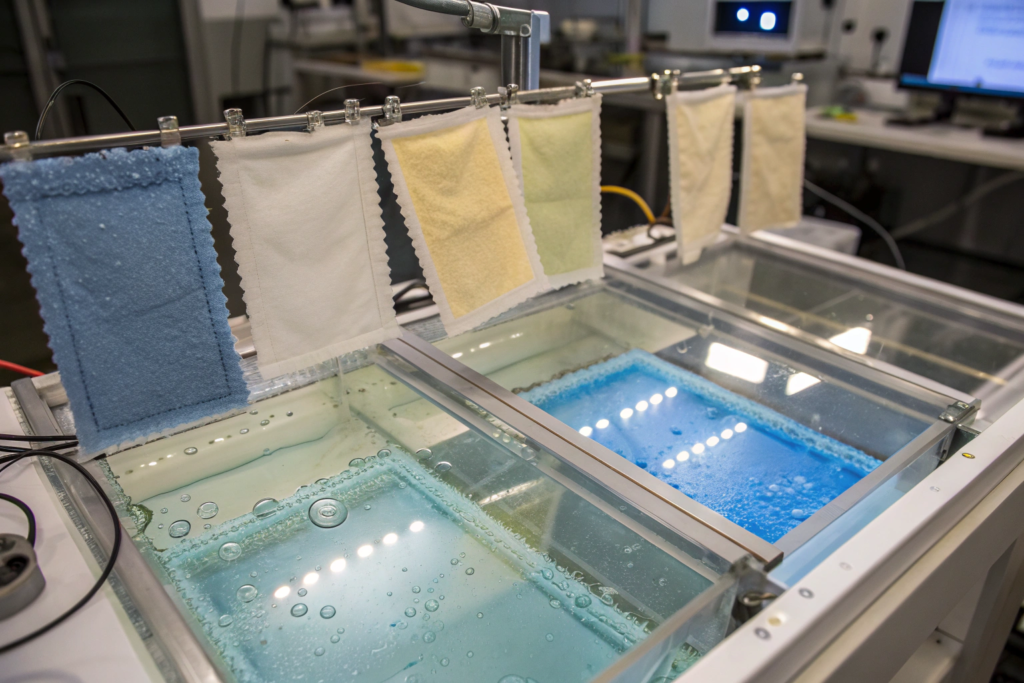
Salt does not just sit on the fabric. It reacts. Different fibers react differently. Let me break down what we see in our lab tests.
Cotton and linen: These are cellulose fibers. Saltwater soaks in. When the water evaporates, salt crystals form inside the fibers. These crystals are sharp. They cut the fibers from the inside. This is called "salt rot." Over time, the fabric loses strength and falls apart. Never use natural plant fibers in marine applications. They will fail.
Wool and silk: Protein fibers. They absorb water and swell. Salt speeds up the breakdown of protein. Wool can felt and shrink. Silk becomes brittle. Not suitable for marine.
Polyester: This is good. Polyester absorbs almost no water. So salt crystals do not form inside. The fibers resist rot and mildew. But standard polyester can still degrade from UV. That is why we need UV stabilizers or solution dyeing.
Nylon (polyamide): Nylon absorbs more water than polyester. It can lose strength when wet. It also degrades faster in UV. Good for some applications like webbing, but not for long-term sun exposure.
Acrylic: Solution-dyed acrylic is excellent. It resists UV, absorbs little water, and holds color. But it is not as strong as polyester for load-bearing applications. Great for covers and upholstery, not for sails.
Olefin (polypropylene): This floats. It absorbs almost no water. It resists chemicals and mildew. But it has low melting point and can creep under load. Used in some marine ropes and indoor-outdoor carpets.
PVC-coated polyester: This is a composite. The polyester gives strength. The PVC coating protects from water, UV, and abrasion. Used for inflatable boats, covers, and tarpaulins. Very durable.
What are the top fabric choices for boat covers and upholstery?
When clients ask me for boat cover fabric, I always start with the same question: "Where is the boat located?" Florida is different from Maine. The Mediterranean is different from the Baltic. The sun intensity, humidity, and temperature all matter. But there are some clear winners in the marine fabric world.
Solution-dyed acrylic (Sunbrella style): This is the industry standard for a reason. It breathes, which reduces mildew. It is UV resistant. It comes in hundreds of colors. It lasts 5 to 10 years depending on conditions. We supply this to a Canadian company that makes custom boat covers. They have used it for 8 years with no complaints. The key is "solution-dyed." If it is not solution-dyed, it is not the same. We always specify this.
PVC-coated polyester (Weblon or Stamoid style): For covers that need to be completely waterproof and tight, PVC-coated polyester is excellent. It does not breathe, so ventilation is important. But it is incredibly strong and durable. Used for winter storage covers and bimini tops. A Norwegian client uses this for boats stored outdoors in harsh winters. Snow, ice, salt spray. The fabric holds up.
Marine-grade vinyl (for upholstery): For boat seats and cushions, marine vinyl is king. It looks like leather, but it is waterproof and easy to clean. The best stuff has anti-microbial protection to stop mildew under the cushions. It also has UV stabilizers. We supply expanded vinyl with a knitted polyester backing. It is soft but strong. A US houseboat manufacturer uses this for all their seating. They test it with salt spray and flexing. It passes.
Mesh fabrics: For boat enclosures and windows, we use PVC-coated polyester mesh. It allows wind through while blocking sun and bugs. The mesh must be UV stabilized. We had a problem in 2018 with mesh that became brittle after one year. We switched to a higher quality supplier. Now it lasts.
Acrylic canvas for dodgers and biminis: This is similar to cover fabric but often lighter. It needs to be strong, UV resistant, and easy to sew. Solution-dyed acrylic works perfectly. A French sailboat maker uses it for all their cockpit enclosures.

What are the differences between solution-dyed and piece-dyed fabrics?
This is the most important distinction in marine fabrics. And many buyers do not understand it until it is too late.
Solution-dyed: The color pigment is added to the liquid polymer before the fiber is extruded. The fiber itself is colored all the way through. Imagine a carrot—orange all the way through. That is solution-dyed. The color cannot fade because it is part of the fiber. UV might break down the fiber surface, but the color remains. This fabric costs more, but it lasts.
Piece-dyed: The fabric is woven from natural (greige) fibers, then dyed in a bath. The color is only on the surface. Like a painted wall—scratch it, and you see the white underneath. In the sun, the surface dye fades. In saltwater, the dye can bleed. This fabric is cheaper, but it is not for marine use.
I had a client in 2020 who bought piece-dyed acrylic for boat cushions because it was $2 per meter cheaper. Within one year, the cushions were faded and blotchy. He ordered solution-dyed from us the next year. He learned the hard way. I always say: "For marine, pay now or pay twice."
How do you protect fabrics from UV and salt damage?
Even the best marine fabric needs help. The environment is harsh. So we use additional protections. These are not optional. They are essential.
UV stabilizers: In synthetic fibers, we add UV stabilizers during manufacturing. These chemicals absorb UV radiation and dissipate it as heat. Without them, polyester and nylon become brittle. We always specify UV-stabilized for marine fabrics. A client from Australia (high UV) learned this when their non-stabilized nylon webbing snapped after 18 months. Now they only buy stabilized.
Water-repellent finishes: We apply fluorocarbon or silicone finishes to help fabric shed water. But these wear off over time. So we recommend re-treating fabrics every year or two. There are sprays for this. We sell them to clients. A UK boatyard buys our fabric and our maintenance spray. They offer re-treatment services to their customers. It is a good business.
Anti-microbial treatments: To prevent mildew, we add anti-microbial agents to the fabric or coating. These are built-in, not just surface sprays. They last the life of the fabric. For boat upholstery, this is critical. Because once mildew starts under a cushion, you cannot get it out.
Sacrificial coatings: Some marine fabrics have a thin topcoat that sacrifices itself to UV. It degrades instead of the fiber. This works, but eventually the coating is gone. Then the fabric is exposed. We use this for some high-end sailcloth.
Proper design: Protection is not just chemistry. It is also design. Double stitching, UV-resistant thread, covered zippers, and flaps all help. We advise clients on thread selection too. Polyester thread is best. Cotton thread will rot.

What maintenance routines extend marine fabric life?
I ask all my marine clients: "What is your maintenance plan?" If they have none, I give them one. Here is what we recommend based on decades of feedback.
Rinse with fresh water: After every saltwater exposure, rinse the fabric with fresh water. This removes salt crystals before they can do damage. A hose rinse is enough. A client in the Caribbean does this daily. His covers last 8 years.
Clean regularly: Use mild soap and water. No bleach. Bleach damages fibers and coatings. We recommend specific marine fabric cleaners. They are pH-neutral. A US client uses our cleaner twice a year. His fabric looks new after 5 years.
Dry thoroughly: Before storing, make sure fabric is completely dry. Mildew loves damp. If you cover a wet boat with a damp cover, you are asking for trouble. Air out covers when possible.
Re-apply water repellent: Every 1 to 2 years, depending on sun exposure. There are spray-on products. We sell them. A Swedish client does this every spring. His boat covers still bead water after 4 years.
Inspect for damage: Check seams, stitching, and corners. Salt accumulates in corners. It can abrade fabric. Repair small issues before they become big. A small hole lets water in. Water leads to rot.
What are the sourcing considerations for marine fabrics from China?
Sourcing marine fabric from China is smart. We have the manufacturing capacity, the expertise, and the price advantage. But you have to know what to look for. Not all Chinese suppliers understand marine requirements. Here is how we do it at Shanghai Fumao.
Certifications matter: We provide UV resistance test reports, salt spray test results, and OEKO-TEX certifications. If a supplier cannot provide these, walk away. Marine fabrics need proof, not promises.
Sample testing: Always test samples in real conditions. We send samples to clients. They put them on their boats for 3 months. Then they tell us how it performed. A client from Texas did this with three different fabrics. Ours was the only one that did not fade. He ordered 20,000 meters.
Minimum order quantities: Marine fabrics often require custom colors. Custom colors mean higher MOQs. For solution-dyed acrylic, custom colors usually require 5,000 to 10,000 meters per color. But we stock popular marine colors (navy, white, sand, grey) in ready-to-ship quantities. MOQ from stock is 100 meters. A small boat cover maker in Australia uses our stock program. He orders 200 meters at a time, in 4 colors. Works perfectly.
Lead times: Custom production takes 8 to 12 weeks. Stock ships in 1 week. Plan ahead. A German client orders his peak season fabrics in January for delivery in March. He never misses the boating season.
Tariffs and logistics: Marine fabrics from China to the US are subject to Section 301 tariffs in some categories. But we help clients classify correctly. Some marine fabrics fall under HTS codes with lower duties. We work with customs brokers to ensure compliance. A US client saved thousands last year by using the correct HTS code we suggested.

What are the common pitfalls when buying marine fabric from China?
I have seen many buyers make the same mistakes. Learn from them.
Assuming all acrylic is the same: It is not. Solution-dyed acrylic is specific. Some suppliers say "marine acrylic" but it is piece-dyed. Always ask for the dyeing method. Ask for test reports. If they hesitate, they are hiding something.
Ignoring thread and hardware: The fabric is only part of the system. If you use cotton thread, the seams rot. If you use cheap zippers, they corrode. We supply marine-grade thread and hardware too. A Canadian client buys everything from us: fabric, thread, zippers, webbing. His finished products are consistent and durable.
Not testing for your specific conditions: A fabric that works in Florida might fail in Norway. Different UV levels, different temperatures. We advise clients to test samples in their actual environment. It costs a little, but it saves a lot.
Overlooking ventilation: If you use non-breathable fabrics (like PVC-coated), you need ventilation. Otherwise, moisture gets trapped and mildew grows under the cover. We always discuss this with clients. For a Dutch barge cover, we recommended vents and a breathable fabric for part of the cover. It worked.
How do you choose fabrics for marine accessories and apparel?
Marine environments affect more than just boat covers. Clothing, bags, flags, and accessories all need special consideration. We supply fabrics for these too.
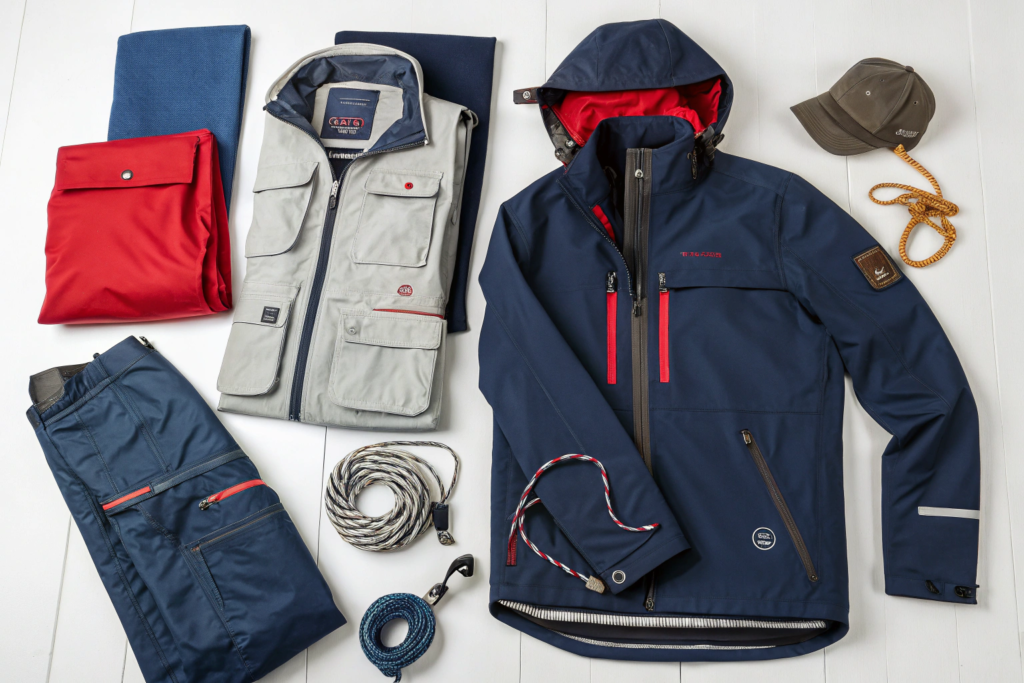
Sailing jackets and foul weather gear: The key here is waterproof breathable membranes. We use laminated fabrics with PTFE or PU membranes. They keep water out but let sweat escape. The outer fabric is usually nylon or polyester with a durable water repellent (DWR) finish. Saltwater can clog the membrane pores over time. So we recommend washing with special cleaners. A UK sailing brand buys our 3-layer laminated fabric. They make jackets that last years.
Marine flags: Flags take a beating. Wind, sun, salt. They fray and fade. The best marine flags use solution-dyed nylon or polyester. Nylon flies better in light wind, but polyester lasts longer in sun. We supply both. A US flag maker switched to our solution-dyed nylon. His flags last twice as long as before.
Boat fender covers: Fenders rub against docks. They need abrasion-resistant fabric. We use solution-dyed acrylic or heavy polyester. They also need to be easy to clean. A marina in Spain buys our covers. They wash them once a year, and they look good.
Deck bags and storage: These need strength and UV resistance. PVC-coated polyester is common. It is tough and waterproof. We also supply mesh for ventilation bags. A French sailor ordered 500 meters of mesh for storing wet gear. It allows air circulation, so gear dries without mildew.
Sun protection clothing: For crew members, UPF-rated fabrics are essential. We supply polyester and nylon with high UPF ratings (50+). They block UV even when wet. A Australian marine apparel brand uses our UPF fabric for their long-sleeve shirts. Popular with fishermen.
What are the latest innovations in marine textiles?
The marine textile industry is always improving. Here are some new developments we are working with.
Recycled marine fabrics: We now offer solution-dyed acrylic made from recycled fibers. It performs the same as virgin, but it is more sustainable. A California client loves this for their eco-brand.
Self-cleaning coatings: Using nanotechnology, some fabrics now break down organic dirt when exposed to light. This reduces cleaning needs. We are testing this for a few clients. Early results are good.
Biodegradable marine fabrics: For applications where fabric might end up in the ocean, biodegradable synthetics are being developed. They degrade slowly but safely. Not for long-term use, but for temporary covers or bags.
Smart fabrics: Some fabrics now have built-in sensors for temperature or moisture. Used in high-end sailing gear. We are exploring this with a tech company.
Conclusion
Marine environments are the ultimate test for fabric. Sun, salt, wind, and water combine to destroy anything that is not specifically designed for the job. But with the right knowledge, you can choose fabrics that last for years. And that is what your customers want. They want boat covers that do not fade. Cushions that do not rot. Jackets that stay waterproof. Flags that keep flying.
At Shanghai Fumao, we have spent years learning what works in saltwater. We have test methods that simulate real marine conditions. We have partnerships with solution-dyed acrylic mills and PVC coating specialists. We have stock programs for popular marine fabrics and custom development for unique needs. We know the HTS codes, the shipping requirements, and the common pitfalls. And we are here to help you avoid the mistakes I made in 2016.
If you are sourcing fabric for marine applications—whether for boat covers, upholstery, apparel, or accessories—contact our Business Director, Elaine. She manages our technical fabrics division and has worked with marine clients from Florida to Finland. Email her at elaine@fumaoclothing.com. Tell her about your project, your environment, and your performance requirements. She will send you samples, test reports, and a quote. And with our logistics support, shipping to the US or anywhere else is smooth, even with current tariffs. Because at Shanghai Fumao, we believe that the ocean should be enjoyed, not endured. And the right fabric makes all the difference.