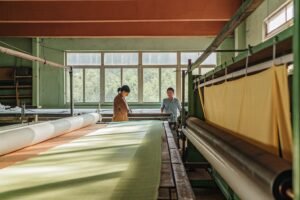
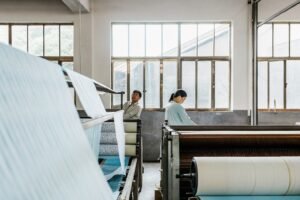
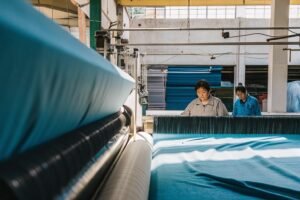
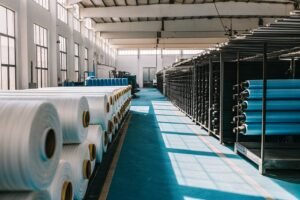
You know, I’ve spent over two decades in the textile industry here in Keqiao, and one question I get asked more and more is about hotel textiles. It makes sense. Think about it—when you check into a nice hotel, what’s the first thing you touch? The robe. The slippers. That moment of comfort sets the tone for the entire stay. And for hotel owners and managers, those seemingly small items are actually massive investments that directly impact guest satisfaction scores and brand loyalty.
But here’s the problem I hear from procurement managers all the time: sourcing custom hotel robes and slippers is a nightmare. They deal with inconsistent quality, colors that don’t match the brand standards, shrinkage after the first wash, and suppliers who disappear after the first order. I had a client from a boutique hotel chain in Miami call me last year, practically in tears, because their entire shipment of robes arrived with loose stitching and the terry loops were pulling out after one laundry cycle. That’s not just a supply chain failure—that’s a guest experience disaster.
So how do you get it right? How do you source hotel textiles that actually last, feel luxurious, and represent your brand consistently, order after order? Based on what we do every day at Shanghai Fumao, working with hotels from Dubai to New York, I’m going to walk you through exactly what you need to know. Because sourcing hotel textiles isn’t just about buying fabric—it’s about engineering an experience.
What Fabric Properties Matter Most for Hotel Robes?
Let’s start with the robe itself. This isn’t a fashion garment that someone wears for a few hours and tosses in the laundry. A hotel robe gets worn, washed, dried, and sometimes abused, day after day, week after week. The fabric has to survive all of that while staying soft and beautiful.

Why is GSM the first number you need to check?
GSM—grams per square meter—is the fabric’s weight. And in the hotel world, weight equals perception. Pick up a lightweight, flimsy robe, and guests immediately think "budget hotel." Pick up a substantial, heavy robe, and they feel pampered.
For hotel robes, we typically recommend 400-450 GSM for warmer climates or summer weight, and 450-550 GSM for that plush, spa-like experience. But here’s the thing: higher GSM isn’t always better. I had a client from a ski resort in Colorado who insisted on 600 GSM robes. Sounded luxurious, right? Problem was, the robes were so heavy that when wet, they were nearly impossible for housekeeping to handle, and they took forever to dry, leading to mold issues. We ended up settling on 500 GSM with a specific double-loop terry construction that gave the same plush feel but better performance.
The construction matters just as much as the weight. A well-constructed 450 GSM robe with dense, tightly packed loops will outlast and outperform a poorly made 550 GSM robe every single time. We always show clients how to test terry fabric GSM and loop density before they commit to bulk production.
How do fiber choices affect guest comfort and durability?
Cotton is king here, but not all cotton is created equal. For hotel robes, you’re typically looking at 100% cotton or cotton-polyester blends, and each has its place.
100% cotton, especially long-staple cotton like Egyptian or Supima, gives that premium, breathable feel that luxury hotels demand. The longer fibers mean fewer joins in the yarn, which translates to less pilling and longer life. We source our premium cotton directly from farms with certifications we can trace.
But here’s a trade secret: many hotels are switching to cotton-polyester blends for their workhorse robes. A 80% cotton, 20% polyester blend gives you the softness of cotton with the durability and quick-drying properties of polyester. For a client in Singapore with high humidity, we developed a specialized blend that resists mildew while maintaining that cotton-rich feel. The blend also holds color better through repeated industrial washing, which is why many of our five-star clients use blends for their colored robes. You need to understand the difference between ring-spun and open-end cotton for hospitality textiles because it directly impacts how the fabric feels against wet skin.
What Makes Hotel Slippers Different from Regular Slippers?
Now let’s talk about slippers. Honestly, this is where I see the most mistakes. Hotels treat slippers as an afterthought, but guests absolutely notice them. A flimsy slipper that falls apart after one use sends a clear message about how much the hotel values its guests.

What upper materials provide the best guest experience?
The upper part of the slipper—the part that touches the top of the foot—needs to balance softness with durability. Non-woven fabrics are common for budget options, but they can feel cheap and often don’t breathe well, leading to sweaty feet.
For our hotel clients, we typically recommend velour or high-quality terry cloth for the upper. Velour gives that silky, luxurious feel that screams "spa quality." It’s essentially terry fabric that’s been sheared to create a smooth, velvet-like surface. Terry cloth uppers, on the other hand, offer more absorbency and a familiar towel-like feel that guests love after a shower.
I remember working with a resort in the Maldives where guests go directly from the ocean to their rooms. They needed slippers that could handle wet feet without disintegrating. We developed a slipper with a quick-drying microfiber upper that wicked moisture away while staying soft. It wasn’t our standard offering, but by understanding their specific guest experience, we created something that worked perfectly. The key is matching the material to the actual use case, not just picking something from a catalog.
Why is sole construction critical for safety and durability?
This is non-negotiable. The sole has to do three things: provide traction on wet surfaces, protect the foot from the floor, and last through multiple uses if the hotel offers reusable slippers.
For disposable slippers, we use non-woven fabric soles with non-slip dots. These dots, usually made of PVC or TPR, need to be heat-sealed properly. I’ve seen cheap slippers where these dots peel off after three steps, creating a slipping hazard. We test every batch by walking on wet tiles—literally, someone from our QC team walks on them—to ensure the grip actually works.
For reusable slippers, which are becoming more popular in eco-conscious hotels, we use stitched EVA or TPR soles. These can go through light washing and maintain their shape. One of our Canadian hotel clients switched to reusable slippers with stitched soles and saved over 40% on their annual slipper budget while reducing waste. The construction method matters enormously, and you need to know how to verify non-slip safety standards for hotel slippers before placing your order.
How Do You Ensure Color Consistency Across Your Hotel Textile Line?
This drives procurement managers crazy. You order white robes, white towels, and white slippers from the same supplier, and they arrive in three different shades of white. It looks terrible in the room, and it’s completely unprofessional.

What causes color variation between different product types?
Different materials absorb dye differently. The cotton terry used for robes is a completely different fabric structure than the non-woven material used for slippers. Even within robes, the trim fabric and the body fabric can take dye differently if they’re not carefully matched.
We solve this by dyeing everything that’s going into a single order together whenever possible. For a major hotel chain renovation we worked on in 2023, they ordered 5,000 robes, 10,000 towels, and 15,000 slipper uppers, all in a custom "coastal sage" color. We coordinated with our dye house to run the terry fabric and the slipper fabric in consecutive batches, using the same dye recipe and lab dips to ensure consistency. We held the first production pieces for 24 hours under controlled lighting, comparing them against the approved standard.
Another trick? We always recommend ordering extra fabric from the same dye lot for future repairs or replacements. Dye lots can vary slightly between production runs, and having matching backup fabric saves headaches later. We keep detailed records of every dye recipe we’ve ever created for a client, so if they come back to us two years later, we can match it again. That level of service matters when you’re managing a brand.
How do lighting conditions affect perceived color in guest rooms?
Here’s something most suppliers won’t tell you: the color your guest sees depends entirely on the lighting in the room. That beautiful soft gray you approved in our showroom under fluorescent lights might look muddy brown in your guest rooms with warm LED lighting.
I learned this lesson the hard way about 15 years ago with a client from Las Vegas. They approved a champagne-colored robe that looked perfect in our sample room. When the bulk order arrived at their casino hotel, under the warm casino lighting, the robes looked distinctly pink. Not a good look. We ended up remaking the entire order at our cost, and I’ve never forgotten that lesson.
Now, we ask every hotel client to send us photos of their actual room lighting. We’ll create lab dips and view them under multiple light sources—daylight, incandescent, LED, fluorescent—to ensure the color works everywhere. We also provide digital color matching services where we can match fabric colors to existing hotel brand standards using spectrophotometers. It sounds technical, but it saves thousands of dollars in rejected orders.
What Testing Standards Should You Require for Hotel Textiles?
Here’s the truth: hotel textiles go through hell. Industrial washing machines, harsh detergents, high heat drying, and constant use. If your fabric can’t survive 50 wash cycles looking good, you’ve wasted your money.

What specific wash testing protocols matter for robes?
We test our hotel robes to 50, 75, and 100 industrial wash cycles. Why? Because the AATCC (American Association of Textile Chemists and Colorists) standards are good, but real hotel laundry conditions are brutal.
We check for:
- Shrinkage: Anything over 5% is unacceptable. A robe that shrinks becomes unwearable.
- Colorfastness: We test staining and color change after multiple washes.
- Pilling: Those little balls of fiber that form on the surface? Guests hate them.
- Loop integrity: For terry robes, we measure how many loops pull out under stress.
For a recent project with a cruise line, they required the robes to maintain their shape and softness after 100 marine-laundry cycles. Marine laundry uses higher temperatures and different detergents than standard hotel laundry. We had to adjust our yarn twist and finishing chemistry specifically for that environment. The point is, generic testing isn’t enough—you need testing that matches your actual use case.
How do you verify slipper durability without destroying your budget?
Slippers are harder to test because they’re smaller and the failure points are different. We focus on:
- Sole adhesion: Can the guest walk across the room without the sole separating?
- Strap strength: For slippers with back straps, can they handle being pulled on and off?
- Compression recovery: Do the slippers maintain their cushion after being stored under weight?
We have a simple test: we have someone on our team wear the slippers and walk 500 steps on a hard surface. Then we inspect for wear patterns. It’s low-tech but effective. For reusable slippers, we run them through three wash cycles and check for deformation.
One of our Japanese clients required slippers that could be washed at 60°C and tumble dried without losing shape. That required sourcing a specific type of polyester batting that wouldn’t clump when wet. We found it, tested it, and now it’s part of our standard offering. If you’re serious about quality, you need to ask your supplier what specific ASTM or ISO standards they test to for hospitality textiles. Don’t accept vague assurances—ask for the test reports.
Conclusion
Sourcing fabric for custom hotel robes and slippers isn’t just about picking something soft from a catalog. It’s about understanding the full lifecycle of the product—how it will be used, washed, stored, and perceived by your guests. The GSM, the fiber blend, the sole construction, the color consistency across different materials, and the wash testing protocols—every detail matters.
I’ve seen hotels transform their guest satisfaction scores simply by upgrading their robe quality. I’ve seen others struggle with negative reviews because their slippers fell apart. The difference is always in the sourcing decisions made long before the products ever reach the rooms.
At Shanghai Fumao, we’ve been helping hotels around the world get this right for over 20 years. We don’t just sell fabric—we help you engineer the exact experience you want your guests to have. Whether you need 100 robes for a boutique inn or 10,000 for a international chain, we have the supply chain, the technical expertise, and the quality control systems to deliver consistency every time.
Ready to create something special for your guests? Reach out to our Business Director, Elaine, directly. She and her team can guide you through the entire process, from selecting the perfect fabric to ensuring your colors match perfectly across your entire textile line. Drop her an email at elaine@fumaoclothing.com to start a conversation about your next project. Let’s make sure your guests feel pampered from the moment they step out of the shower.