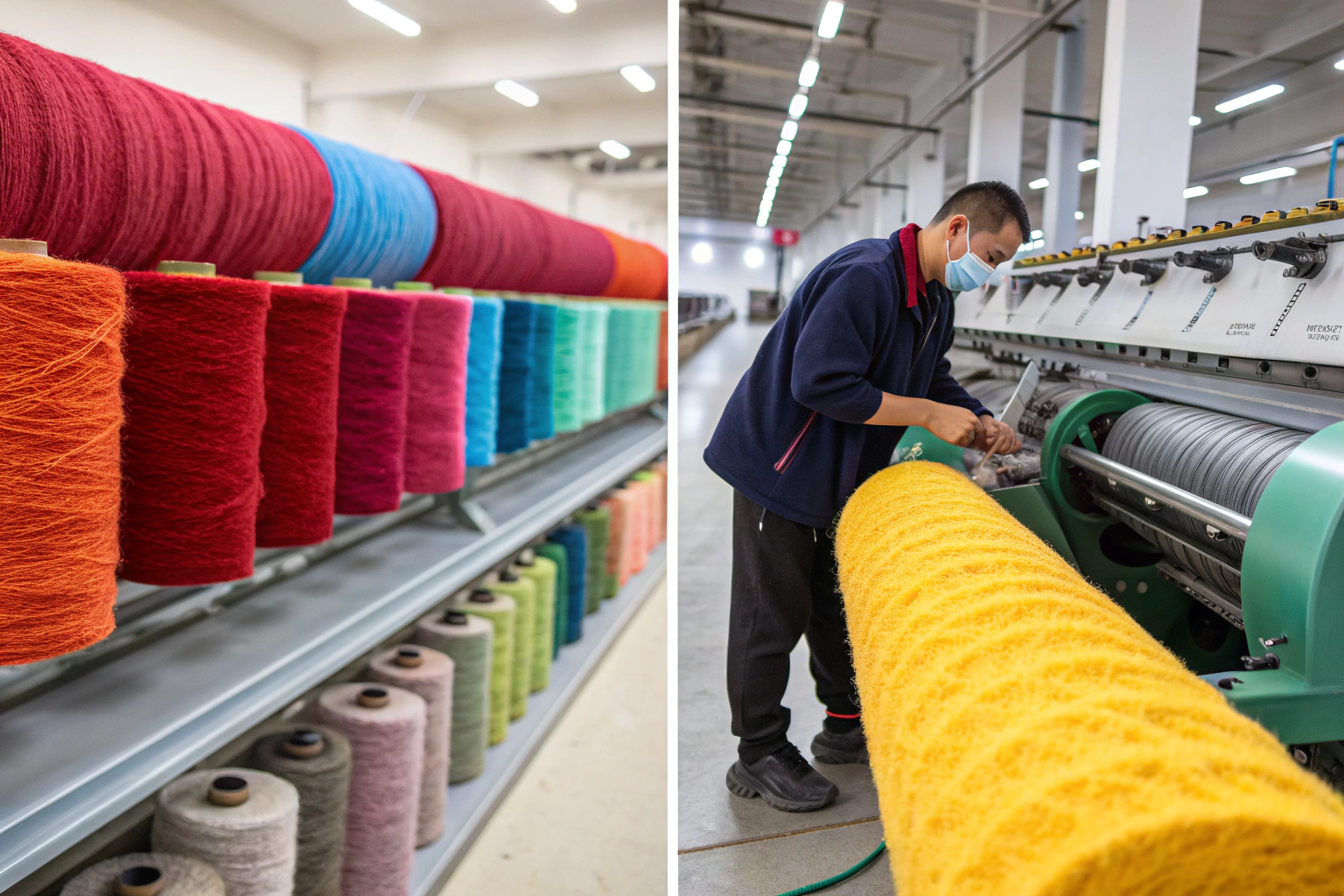
I’ll never forget the first time a client asked me about chenille. It was a Portuguese luxury home textile brand, and they wanted to develop a collection of ultra-soft throws. The buyer said, "We love chenille, but we’ve had quality problem with it before—shedding, pilling, yarns pulling out. Can you make it better?" I had to be honest with her: chenille is inherently tricky. Those soft, fuzzy yarns that make it so luxurious are also vulnerable to mechanical stress. But with the right process and quality control, you can minimize the problems and maximize the beauty. That conversation taught me that chenille isn’t just another fabric—it’s a specialty that requires understanding what’s happening at the yarn level.
Chenille fabric is made from chenille yarn, which is itself a fascinating construction. The word "chenille" is French for "caterpillar," and if you look closely at a chenille yarn, you’ll understand why. It has a fuzzy, velvety surface created by short lengths of pile yarn trapped between two core yarns and standing out perpendicularly. This construction gives chenille its characteristic softness, luster, and warmth—and also its unique challenges.
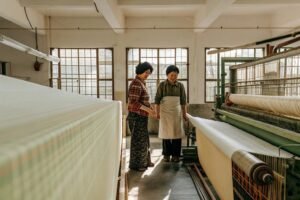
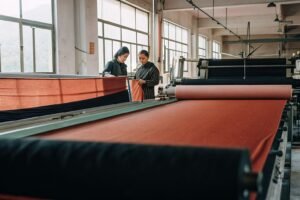
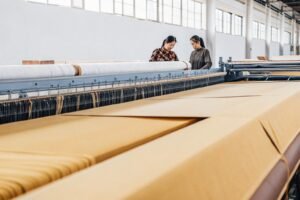
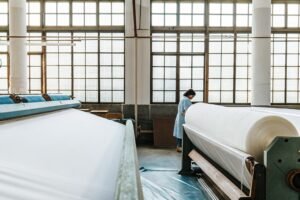
At Shanghai Fumao, we’ve produced chenille fabrics for clients ranging from luxury upholstery brands to high-end sweater manufacturers. The process requires specialized equipment, careful material selection, and meticulous quality control. Let me walk you through how it’s actually made.
How Is Chenille Yarn Constructed?
Chenille starts with yarn, not fabric. The unique properties of chenille fabrics come from the way the yarn itself is manufactured. Understanding this foundation explains everything about how chenille behaves.
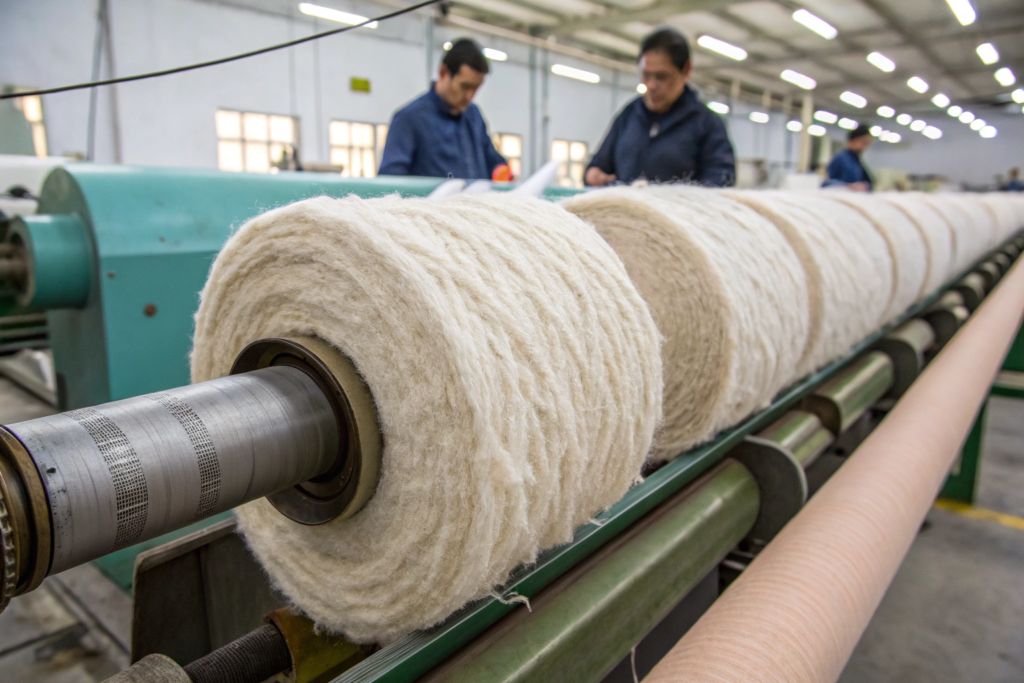
What are the components of chenille yarn?
Chenille yarn consists of three elements working together:
Core yarns: Two parallel yarns (typically cotton, polyester, or rayon) that form the backbone of the chenille. These provide tensile strength and structural integrity.
Pile yarns: Short lengths of fiber (usually rayon, cotton, acrylic, or blends) trapped between the two core yarns. These stand out perpendicular to the core, creating the fuzzy surface.
Binding twist: The twist applied to the core yarns after pile insertion, which locks the pile fibers in place. The amount of twist critically affects performance—too little and pile sheds, too much and yarn becomes stiff.
The pile length (how far the fibers extend from the core) determines the yarn’s softness and appearance. Longer pile creates plusher, softer fabric but is more vulnerable to pulling and shedding. Shorter pile creates more durable fabric with less plushness.
For a US upholstery client in 2022, we developed a chenille yarn with 2mm pile length for durability (sofa fabric needs to withstand abrasion) but used high-tenacity rayon for softness. The combination gave them the look and feel of luxury chenille with the durability required for contract furniture. Yarn engineering balances competing requirements.
How are pile fibers held in place?
The magic of chenille is how those short pile fibers stay put. The process:
- Two core yarns run parallel through the machine.
- Pile yarns are fed perpendicular between them.
- A cutting mechanism slices the pile yarns into short lengths (creating the characteristic fuzzy ends).
- The two core yarns are twisted together, trapping the cut pile fibers between them.
- The twist "locks" the pile fibers in place—they’re mechanically held by the twisted cores.
The critical factor is twist stability. If the twist relaxes or reverses, pile fibers can work loose, causing shedding. This is why chenille requires careful twist setting (heat-setting for synthetics, moisture setting for naturals) after yarn formation.
For a German automotive client (yes, chenille is used in some high-end car interiors), we heat-set every yarn batch at precisely 120°C for 30 minutes to stabilize twist. This eliminated the shedding problems they’d experienced with previous suppliers. Twist setting is non-negotiable for performance.
What fiber types work best for chenille?
Chenille can be made from many fibers, each with advantages:
Rayon (viscose): The classic chenille fiber. Rayon has excellent luster, takes dye beautifully, and feels soft. But it’s weaker than synthetics and can be less durable. Used for luxury apparel and decorative home textiles.
Cotton: Soft, absorbent, comfortable. Cotton chenille is popular for baby products, robes, and casual wear. Less luster than rayon but more natural hand feel.
Acrylic: Affordable, colorfast, durable. Acrylic chenille is common in blankets, throws, and mid-range apparel. Can be made to mimic wool or cashmere appearance.
Polyester: Strong, durable, wrinkle-resistant. Polyester chenille works for upholstery and high-use items. Can be engineered for various pile effects.
Blends: Often the best solution. Rayon-polyester blends combine rayon’s softness with polyester’s durability. Cotton-acrylic blends offer comfort at lower cost.
For a Swedish baby blanket client, we specified 100% cotton chenille for softness and breathability. For a US dorm bedding client (college students, heavy use), we recommended 65% polyester, 35% rayon for durability with good hand feel. Fiber selection drives end-use suitability.
How Is Chenille Yarn Woven or Knitted into Fabric?
Once chenille yarn is produced, it must be converted into fabric. This stage determines the final appearance, hand feel, and performance of the finished textile.
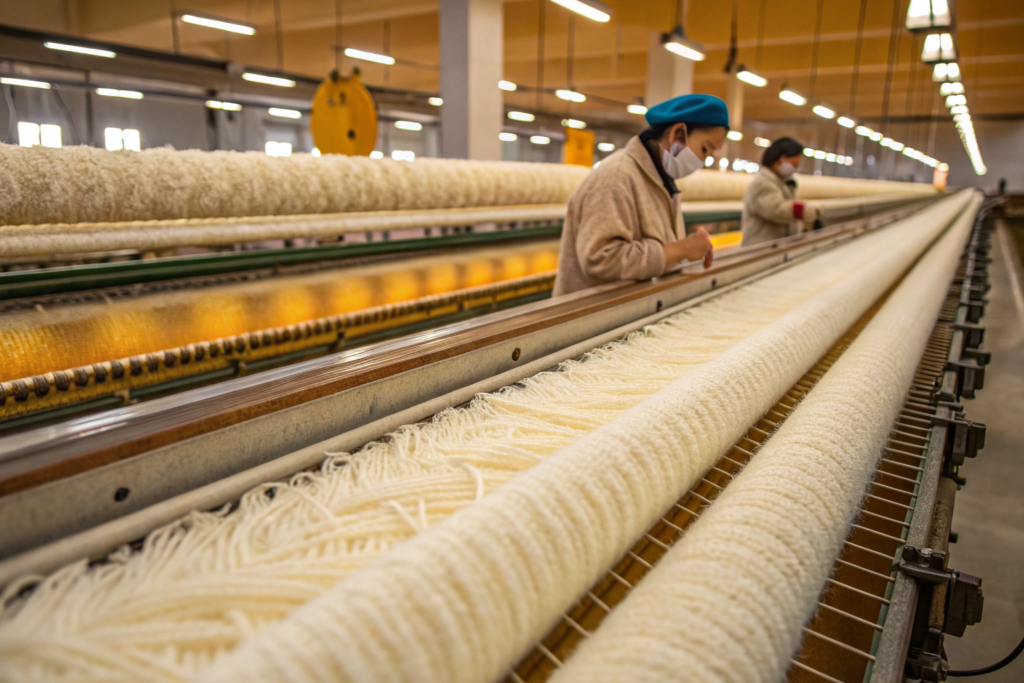
What weaving techniques are used for chenille?
Chenille is almost always used as weft yarn (horizontal), with a smoother yarn (cotton, polyester, or linen) as warp (vertical). This construction:
- Saves expensive chenille yarn: Chenille yarn is expensive to produce. Using it only in weft reduces cost while maintaining the soft surface where it matters.
- Provides structural integrity: Warp yarns bear most of the tensile stress in weaving and finished fabric. Stronger, smoother warp yarns make fabric more durable.
- Creates patterns: By varying chenille weft colors and placements, we can create stripes, plaids, and other effects.
Common weaves for chenille:
- Plain weave: Simple, classic, shows chenille texture clearly.
- Twill weave: Diagonal pattern adds visual interest and slightly more durability.
- Satin weave: Maximum luster and smoothness, used for luxury.
- Dobby/jacquard: Patterned weaves for complex designs.
For a French fashion client developing chenille jackets, we used a 2×1 twill weave with cotton warp and rayon chenille weft. The twill added subtle texture that complemented the chenille’s plushness, and the cotton warp kept the fabric stable. Weave selection affects both appearance and performance.
Can chenille be knitted?
Yes, but it’s less common. Knitted chenille fabrics are typically used for:
- Sweaters and cardigans
- Baby garments (soft against skin)
- Throws and blankets
- Loungewear
Knitting chenille requires careful tension control because the fuzzy pile can catch on knitting elements. We use specialized knitting machines with modified feeding systems and slower speeds to prevent damage.
For a Scottish luxury knitwear client, we developed a chenille sweater using a 7-gauge knitting machine with specially polished needles to prevent snagging. The resulting fabric was incredibly soft—like wearing a cloud—but required careful handling during production. Knitting chenille demands expertise.
How does finishing affect chenille fabric?
Finishing is where chenille truly comes to life. Key finishing steps:
Shearing: The fabric passes over blades that trim pile to uniform height. This creates the smooth, even surface characteristic of quality chenille. Uneven shearing creates patchy appearance.
Brushing: Gentle brushing raises the pile, increasing softness and creating the characteristic "halo" effect. Over-brushing can weaken pile retention.
Heat-setting (for synthetics): Stabilizes yarn twist and sets pile direction.
Steaming: Relaxes fibers and sets the final hand feel.
Back-coating (for upholstery): Applying a thin layer of latex or acrylic to the back of the fabric locks pile fibers in place and prevents shedding. This is essential for high-use applications.
For a US hospitality client (hotel upholstery), we applied a light back-coating that stabilized the fabric without making it stiff. The fabric passed 50,000 double-rub abrasion tests—far exceeding standard requirements. Finishing transforms chenille from good to great.
What Quality Challenges Are Unique to Chenille?
Chenille’s beautiful softness comes with inherent challenges. Understanding these helps you specify quality levels appropriate for your application and avoid disappointment.
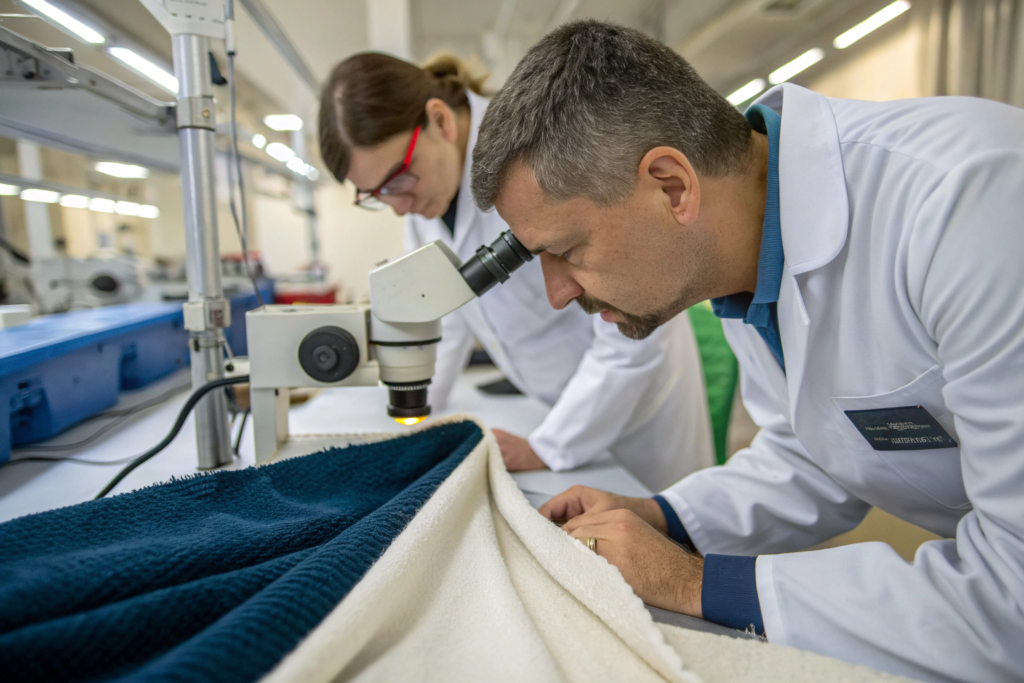
Why does chenille sometimes shed or lose pile?
Shedding is the most common chenille complaint. It happens when pile fibers aren’t adequately locked into the core yarns. Causes:
Insufficient twist: Core yarns not twisted enough to trap pile fibers securely.
Poor twist setting: Twist relaxes after weaving, allowing pile to loosen.
Damaged pile: Fibers cut during manufacturing (by dull cutting blades) have damaged ends that work loose.
Abrasion during use: Even good chenille will shed slightly initially (this is normal). Excessive shedding indicates quality problems.
Testing for shedding: We use a modified Martindale abrasion test with a weighted felt collector that captures shed fibers. Acceptable shedding is under 0.5% of fabric weight after 5,000 cycles. Premium chenille achieves under 0.2%.
For a Canadian contract furniture client, we developed a testing protocol: every batch tested for shedding before shipment. Batches exceeding 0.3% shedding are rejected or re-finished with additional back-coating. Shedding control separates quality suppliers.
How do you prevent pile crushing and matting?
Chenille pile can crush under pressure, losing its plush appearance. Prevention requires:
Pile height selection: Shorter pile (1-2mm) resists crushing better than long pile (3-4mm+). For seating applications, shorter pile is essential.
Fiber selection: Resilient fibers (polyester, nylon) recover better than less resilient fibers (rayon, cotton). Blends balance softness with recovery.
Construction density: Tighter weaves support pile better, preventing collapse.
Finish selection: Some finishes improve pile recovery.
For a UK theater seating project (heavy use, thousands of patrons annually), we specified 1.5mm pile height with 70% polyester, 30% rayon blend in a tight 2×1 twill weave. The fabric maintained its appearance through five years of use with minimal crushing. Engineering for recovery prevents premature aging.
What are acceptable quality standards for chenille?
Quality standards vary by application:
Apparel-grade:
- Pile height variation: ±0.3mm maximum
- Shedding: <0.5% after standard abrasion
- Twist stability: No relaxation after 5 home launderings
- Colorfastness: Grade 4 minimum for all tests
Upholstery-grade:
- Pile height variation: ±0.2mm maximum (tighter control)
- Shedding: <0.3% after heavy abrasion (15,000+ cycles)
- Back-coating: Required for most applications
- Abrasion resistance: 30,000+ double-rubs minimum
- Lightfastness: Grade 4 minimum for commercial use
Premium/luxury-grade:
- All upholstery standards plus:
- Hand-selected yarns (rejecting any with visible variation)
- 100% inspection of all fabric
- Certified performance testing
- Extended warranties
For a Japanese luxury brand, we maintain separate production lines for their chenille: only top-grade yarns, slower weaving speeds for better quality, extra shearing passes for perfect pile uniformity, and 100% final inspection. Their fabric costs more, but their customers accept no compromises. Grade expectations should match price points.
How Do You Source Chenille from China Successfully?
Chenille sourcing requires specialized knowledge. Not every fabric supplier understands the nuances, and mistakes are expensive.
What questions should you ask potential suppliers?
Before placing a chenille order, ask:
Yarn source: Do you produce your own chenille yarn or buy it? Integrated production (yarn to fabric) usually means better quality control.
Twist setting: How do you stabilize twist? Heat-setting? Moisture-setting? What parameters?
Pile control: What’s your pile height tolerance? How do you measure it?
Shedding testing: Do you test for shedding? What are your acceptance criteria?
Back-coating capability: Can you apply back-coating if needed? For upholstery, this is essential.
Minimum orders: Chenille often has higher MOQs than standard fabrics due to specialized production.
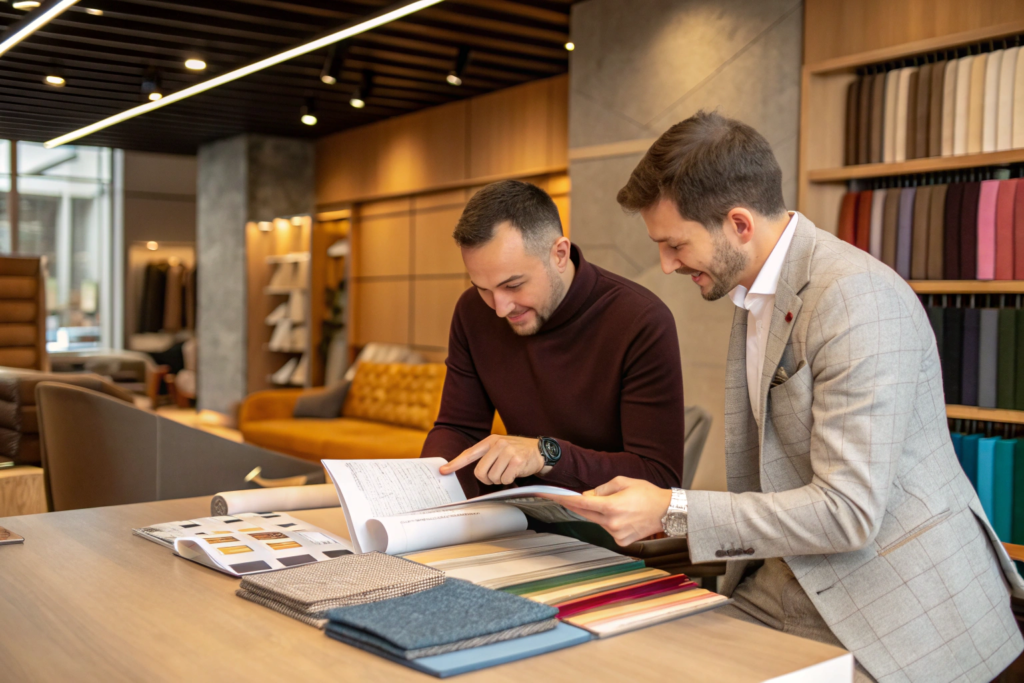
For a Dutch client sourcing chenille for the first time, we provided a detailed questionnaire covering all these points. They used it to evaluate multiple suppliers and chose us partly because we had clear, documented answers. Due diligence prevents problems.
How do sample evaluations differ for chenille?
Sample evaluation for chenille should include:
Visual inspection: Check pile uniformity under different lighting. Tilt fabric to see how pile reflects light—variations show as lighter/darker patches.
Hand feel assessment: Softness should be consistent across the sample. Localized stiff areas indicate problems.
Twist test: Gently twist a small area and release. Does pile return to original position? If twist relaxes visibly, shedding risk is high.
Shedding test: Rub fabric vigorously (20-30 times) with your hand. Does significant pile collect on your hand? A little is normal; a lot is trouble.
Wash test (for apparel): Wash sample according to care instructions. Check for shrinkage, twist relaxation, and shedding.
For a Danish design brand, we send 0.5-meter samples for every chenille development. We encourage them to abuse the samples—fold, rub, wash, abuse—before approving bulk. Samples exist to be tested, not admired.
What are realistic timelines for chenille production?
Chenille production takes longer than standard fabrics:
Yarn production: 2-4 weeks for custom chenille yarn development
Dyeing: 1-2 weeks (yarn-dyed or fabric-dyed)
Weaving/knitting: 2-4 weeks depending on complexity and quantity
Finishing: 1-2 weeks (shearing, brushing, heat-setting, back-coating)
Inspection: 1 week
Shipping: 3-5 weeks
Total: 10-18 weeks for first orders. Repeat orders can be faster (8-12 weeks) if yarn specifications are established.
For a US hospitality client with urgent needs, we hold greige (unfinished) chenille fabric in inventory. When they order, we finish to their specifications (color, shearing, back-coating) and ship in 4-6 weeks. The premium covers inventory cost but saves months. Inventory strategies can accelerate delivery.
Chenille is one of those fabrics that rewards attention to detail. When made well, it’s incredibly luxurious—soft, warm, visually rich. When made poorly, it’s a shedding, matting disappointment. The difference is in the process: yarn construction, twist control, pile management, finishing quality.
At Shanghai Fumao, we’ve invested in specialized chenille production capabilities because our clients demand the quality that only comes from understanding the process. We control yarn production, monitor twist stability, measure pile uniformity, and test shedding rigorously. The result is chenille that looks beautiful and performs reliably.
Conclusion
Creating chenille fabric is a multi-step process requiring specialized knowledge at every stage. Chenille yarn is constructed from two core yarns twisted together with short pile fibers trapped between them. The pile length, fiber selection, and twist level determine yarn characteristics. Weaving or knitting converts yarn to fabric, with careful tension control to preserve pile. Finishing—shearing, brushing, heat-setting, back-coating—transforms the fabric into its final luxurious form. Quality challenges include shedding, pile crushing, and twist relaxation, requiring rigorous testing and control.
The difference between mediocre chenille and exceptional chenille is in the details of this process. Attention to twist setting, pile uniformity, and finishing quality separates fabrics that delight from fabrics that disappoint.
If you’re developing chenille products and want to ensure quality, I invite you to reach out to us at Shanghai Fumao. We’ve produced chenille for apparel, upholstery, and specialty applications across four continents. We understand the yarn engineering, the weaving challenges, and the finishing techniques that create superior chenille. Contact our Business Director, Elaine, directly at elaine@fumaoclothing.com. Tell her about your project—whether it’s cozy throws, luxury apparel, or contract upholstery. She’ll connect you with our chenille specialists, and we’ll help you create fabrics that are as durable as they are beautiful.
Because chenille done right is unforgettable. Chenille done wrong is just another mistake.