A few years ago, I had a client from Portugal on the phone. She was a buyer for a high-end bedding brand, and she was furious. Her supplier had sent her "cotton sateen" sheets that looked dull and felt rough after the first wash. She sent them to a lab. The report came back: the cotton wasn’t mercerized. She had paid for a premium product but received standard, untreated cotton. She asked me, "How can I tell the difference just by looking? And is it really worth the extra cost?"
That question is at the heart of what I do every day. Mercerization is one of those finishing processes that separates cheap fabric from quality fabric. It’s not a type of cotton—it’s a chemical treatment that transforms the physical properties of the cotton fiber. Think of it like the difference between raw, unpolished wood and a piece that’s been sanded, stained, and varnished. The wood is the same, but the finish changes everything.
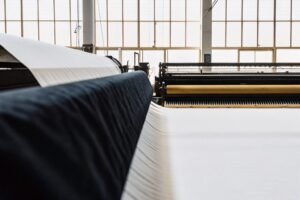
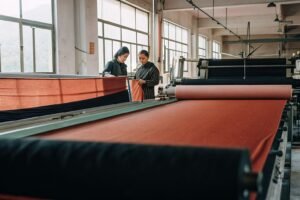
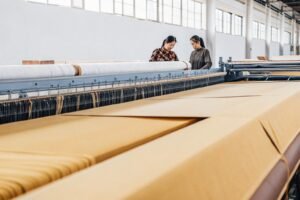
Here at Shanghai Fumao, we run mercerizing ranges almost every week. We do it for Egyptian cotton shirting, for Turkish toweling, and for high-end knitwear. The process adds cost—about $0.30 to $0.80 per yard depending on the width—but it also adds value. For the right product, like a luxury dress shirt or a set of premium bed sheets, mercerized cotton isn’t optional. It’s expected.
In this post, I’m going to walk you through the science, the practical differences you can see and feel, and the real-world applications. I’ll tell you when you absolutely need it, and when you can save your money and skip it.
What Does Sodium Hydroxide Do to Cotton Fibers?
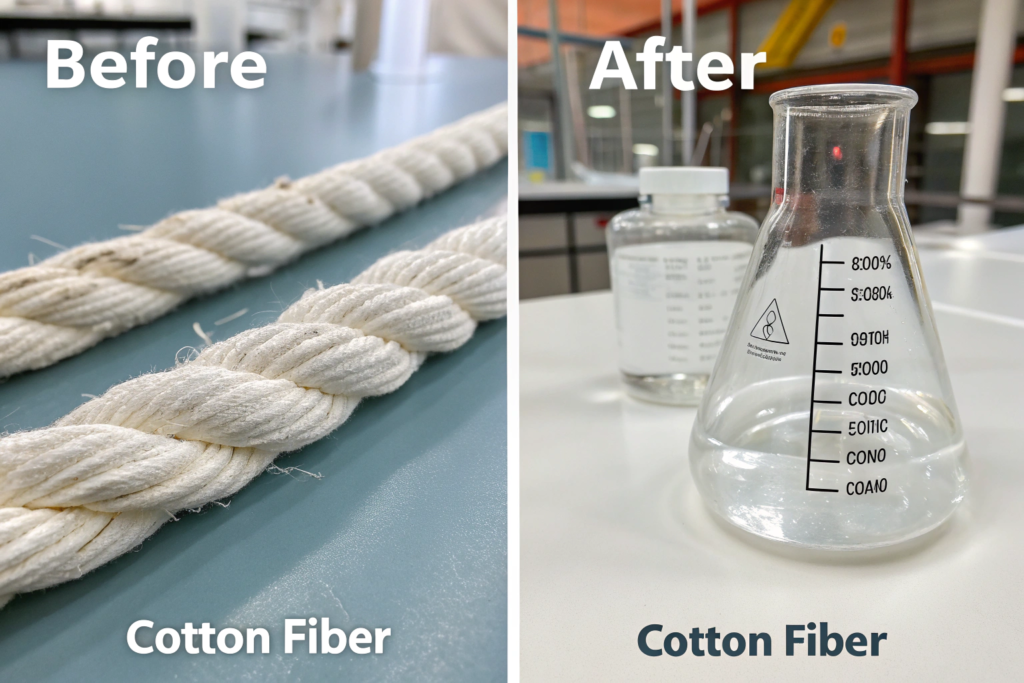
The magic happens in a caustic solution—sodium hydroxide (NaOH), or what we in the mills just call "caustic." When we dip cotton yarn or fabric into a concentrated caustic bath, the fibers swell like crazy. They go from a flat, twisted ribbon to a round, smooth tube. This swelling is permanent. It changes the fiber’s internal structure, making it stronger and more receptive to dye.
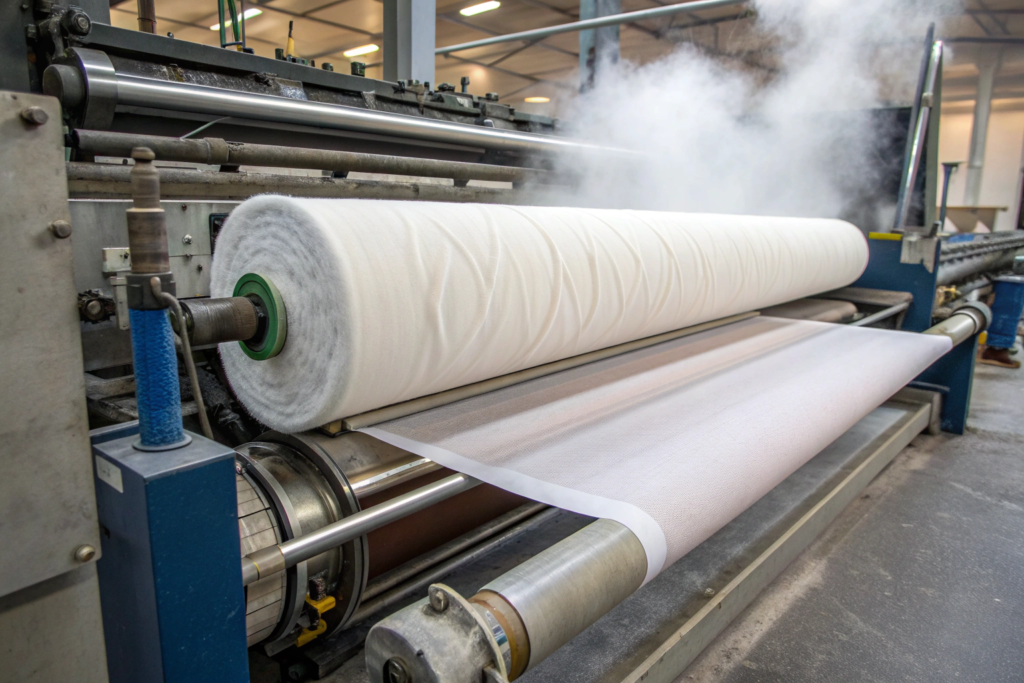
But it’s not just about dunking it in chemicals. We have to do it under tension. If we let the fabric shrink freely in the caustic, we get a different effect—it’s called "caustic shrinking" and it makes fabric denser. But for the high luster we associate with mercerized cotton, we hold the fabric tight on a stenter frame while it’s wet, so it can’t shrink.
Why does mercerized cotton feel smoother and look shinier?
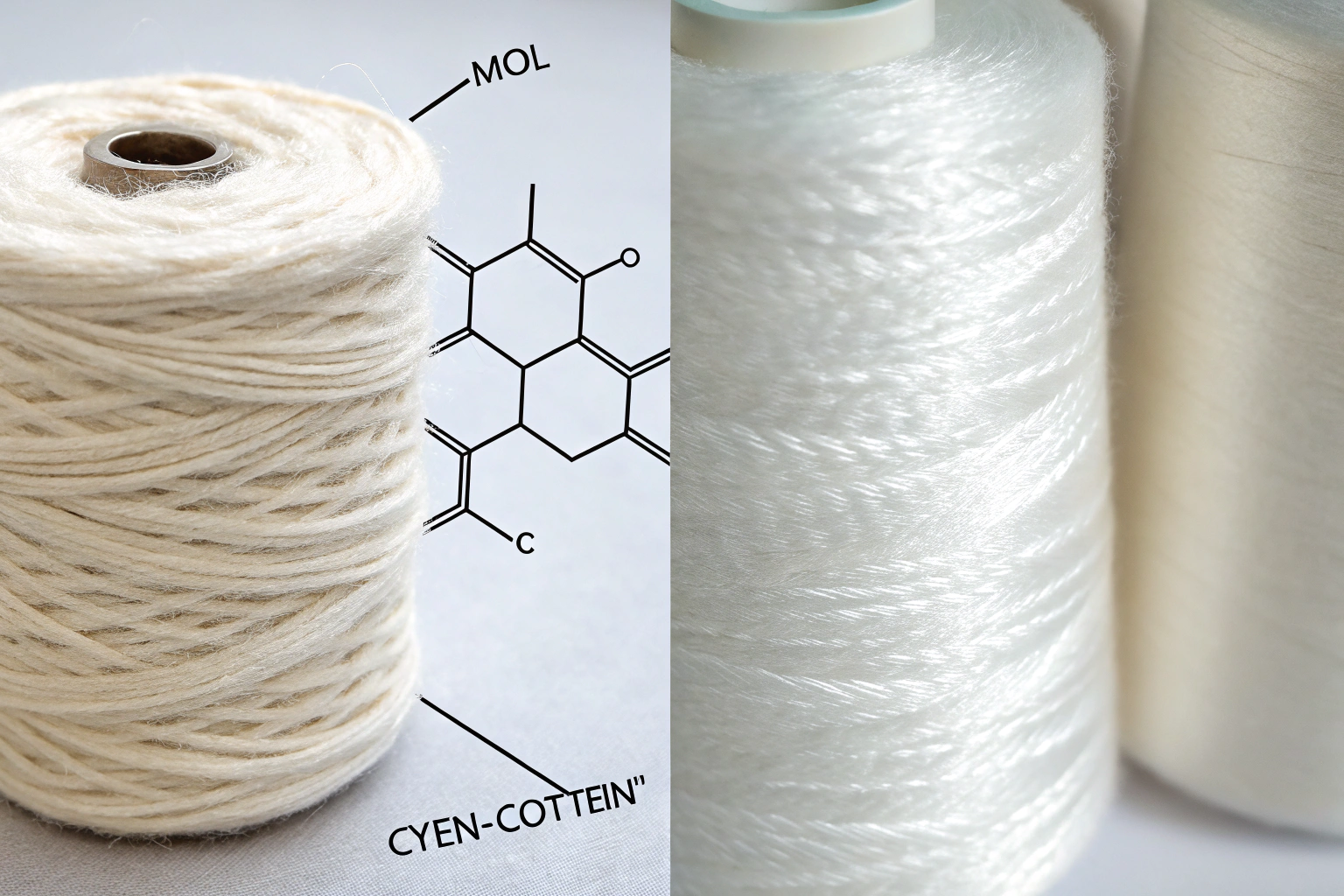
The shine comes from the change in the fiber’s shape. A flat ribbon scatters light in all directions—that’s why unmercerized cotton looks dull or matte. A round, smooth tube reflects light more directly, like a tiny glass rod. That’s the luster you see. The smoothness comes from the fiber swelling shut. Unmercerized cotton has a rough surface with microfibrils sticking out. Mercerization collapses those fibrils and smooths the surface. We ran a test for a Japanese shirting brand last year. We took the same 100s two-ply cotton yarn, wove it into the same fabric, and then mercerized half of it. The mercerized half had a 25% higher "KES" surface smoothness value (that’s a scientific measure of hand feel). You could literally feel the difference blindfolded. For a deep dive into the physics of fiber optics in textiles, Textile World has covered the technology extensively.
Does mercerization weaken the fiber? We hear it strengthens it.
Correct. It strengthens it. This counterintuitive fact surprises a lot of buyers. When the fiber swells, the amorphous regions (the weaker parts) become more organized and crystalline. The polymer chains align better under tension. We see a strength increase of 10-30% in our lab tests (ASTM D5035). For a Canadian workwear client making heavy-duty coveralls, we switched them from unmercerized to mercerized cotton twill. Their seam slippage issues disappeared because the fabric itself was stronger. The tear strength went up by about 18%. So, if you need durability, mercerized cotton is actually a better choice, even though it feels softer. There’s good data on this from the USDA’s Southern Regional Research Center, which has published studies on cotton mercerization for decades.
How Does Mercerization Affect Dyeing and Color Fastness?
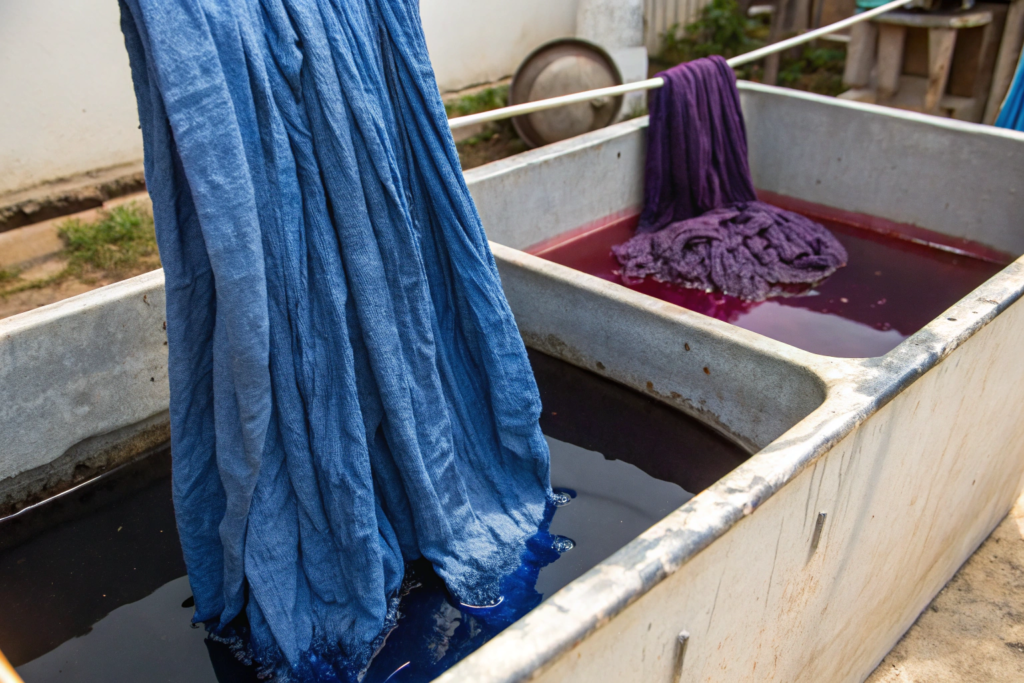
Here’s where the money is. Mercerized cotton drinks dye. Because the fiber has swelled and opened up, there are more sites for the dye molecules to attach to. The result is deeper, richer colors that use less dye. For a dyer like me, this is efficiency.
We measure dye uptake with a spectrophotometer. Unmercerized cotton might reflect 5% of light at a certain wavelength. Mercerized cotton from the same batch might reflect only 2%—it’s absorbing more light, so it looks darker. We can achieve the same depth of shade with 20-30% less dyestuff on mercerized cotton.
Why do we get "dead cotton" spots in unmercerized fabrics?
"Dead cotton" is the term we use for immature fibers that didn’t fully develop in the boll. These immature fibers are thin, weak, and have thick cell walls. They don’t absorb dye well. In an unmercerized fabric, they show up as light, undyed specks against a darker background. It’s a common defect in cheap cottons. Mercerization helps hide this. The caustic treatment swells even the immature fibers, making them more dye-receptive. They still might not dye perfectly, but the difference is much less noticeable. We had a client from Bangladesh in 2022 who was getting complaints about "white specks" in their garment-dyed polo shirts. We suggested they switch to mercerized cotton body fabric. The next production run had zero complaints. The caustic treatment leveled out the dyeing differences between the mature and immature fibers. For more on cotton maturity and dyeing challenges, Cotton Incorporated has excellent technical bulletins.
Is the color fastness better on mercerized cotton?
Yes, generally. Because the dye penetrates deeper into the swollen fiber, it’s physically trapped more effectively. It’s harder for the dye to escape during washing. We run crocking tests (wet and dry rubbing) and wash fastness tests (AATCC 61) on every batch. Mercerized cotton consistently scores half a point higher on the grey scale (1-5, where 5 is best). For a US brand making bright red athletic wear, this was critical. Their unmercerized reds were fading to pink after 10 washes. We switched them to a mercerized cotton jersey, pre-treated in our caustic range, and the red held for 25 washes. The difference was in the depth of penetration. The AATCC test methods for colorfastness are the industry benchmark, and we use them to prove these results.
Can You Mercerize Knits, or Just Woven Fabrics?
Most people think mercerization is only for woven fabrics—for shirting, for poplin, for sateen. But we mercerize knits all the time. It’s harder, because knits stretch and distort easily, but the results are incredible. Mercerized knit t-shirts have a silky hand feel and a subtle luster that regular jersey just can’t match.
The challenge is tension control. Woven fabrics are stable; you can pull them tight. Knits want to curl and relax. We use specialized machines for tubular knit mercerizing that inflate the tube with air to keep it open and apply even tension from the inside.
What is the "silky hand" of mercerized jersey?
It’s the combination of smooth fibers and reduced surface friction. When we mercerize a jersey fabric, we aren’t just treating the yarn; we’re setting the loops. The fabric becomes less "grabby." It drapes differently—more like rayon, but with the recovery of cotton. We supply a lot of mercerized jersey to European brands making high-end t-shirts and polos. One Italian client calls it "the poor man’s silk." It’s not silk, but it has a subtle sheen and a cool, smooth touch that feels luxurious against the skin. We also find that mercerized knits pill less. The fibers are smoother and less likely to tangle into little balls on the surface. In our Martindale pilling tests, mercerized knits typically rate a 4-5 (good to excellent), while the same unmercerized knit might be a 3-4. There’s a great overview of knit fabric mercerization techniques on Knitting Industry.
Does mercerizing affect the stretch and recovery of cotton/spandex knits?
Yes, and you have to be careful. Spandex does not like hot, concentrated caustic. It can degrade the elastic fiber. For cotton/spandex blends destined for mercerization, we use a lower concentration of caustic and a lower temperature. We also run the fabric through the machine faster to limit exposure time. In 2023, we had a batch for a UK athleisure brand that came out with inconsistent stretch after mercerizing. We traced it to a dwell time that was 10 seconds too long. The spandex in the center of the roll had been weakened. We adjusted the speed, and the problem disappeared. The final fabric had a 40% stretch and 95% recovery—exactly what they needed for yoga leggings. The key is precise process control. For technical specs on spandex chemical resistance, The LYCRA Company provides detailed guidelines for their fibers.
When Should You Specify Mercerized Cotton for Your Project?
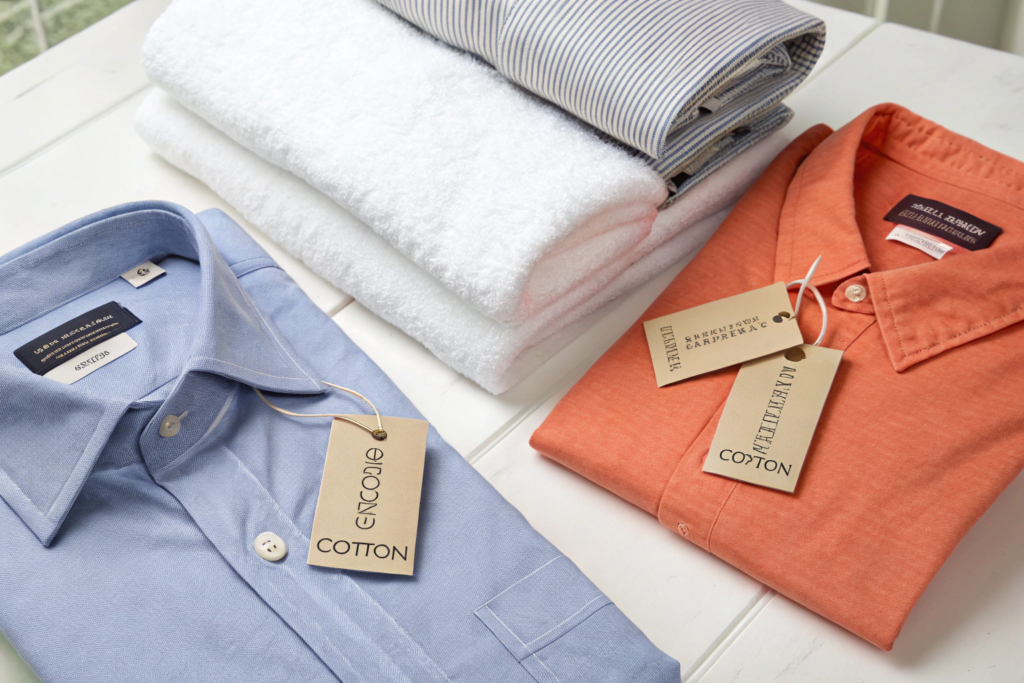
So, when do you need it? In my experience, there are three clear cases. One: formal wear and shirting where luster and a smooth finish are part of the aesthetic. Two: high-end knitwear where you want a "silky" hand feel. Three: any product that requires deep, consistent, vibrant dyeing, like bright colors or black.
If you’re making cheap promotional tote bags or industrial rags, don’t waste your money on mercerizing. The cost isn’t justified. But if your brand name is on the label, and you’re promising quality, it’s often a non-negotiable step.
Is mercerized cotton necessary for towels?
Not for basic absorbency, but for luxury, yes. A mercerized cotton towel is softer and has more luster. The loops are more defined and feel plush. However, there’s a trade-off. The mercerization process can slightly reduce the initial absorbency rate because the fibers are smoother and more closed. But once the water penetrates, the towel holds it just fine. For a five-star hotel chain in Dubai, we mercerized their bath towel yarns before weaving. The result was a towel that looked like silk velvet and stayed soft wash after wash. The unmercerized version from their previous supplier had gone stiff and scratchy. The hotel’s name was on the line, so they paid for the upgrade. For more on cotton fiber processing for towels, Textile Today has practical articles.
Does mercerized cotton cost more, and by how much?
Yes, it costs more. You’re paying for extra processing time, chemicals, water, and energy. On a standard 60" wide poplin, the mercerizing finish adds about $0.40 to $0.60 per yard to our cost. For a heavy twill, it could be $0.80 to $1.20 per yard. It also requires more skill from the operators. If the tension isn’t right, you can get moiré patterns (wavy marks) or uneven luster. So, the mill has to be experienced. We’ve been running mercerizing ranges for 20 years, so we’ve seen every problem. But for a startup brand, that extra cost might break the budget. Our advice? If your product is competing on price, skip it. If it’s competing on quality, include it. The International Textile Manufacturers Federation has market reports that often track the price premium for finished vs. greige goods.
Conclusion
The difference between mercerized and unmercerized cotton is the difference between a basic commodity and a premium material. It’s stronger, shinier, smoother, and takes dye better. It transforms a flat, dull fabric into something that feels and looks expensive. But it’s not magic—it’s chemistry and engineering, done right on the factory floor.
At Shanghai Fumao, we’ve been doing this for over two decades. We mercerize yarns, we mercerize piece goods, and we mercerize knits. We know how to adjust the caustic concentration for different fiber blends. We know how to keep the tension even so you don’t get flaws. We’ve helped bedding brands, shirting makers, and activewear designers get that premium finish without the production headaches.
If you’re unsure whether your project needs mercerized cotton, let’s talk. We can send you samples of the same fabric, one mercerized and one not, so you can feel the difference yourself. We’ll help you weigh the cost against the benefit for your specific market.
Reach out to our Business Director, Elaine. She knows this process inside and out and can guide you through the options. Her email is elaine@fumaoclothing.com. Let’s make your cotton look and perform its best.