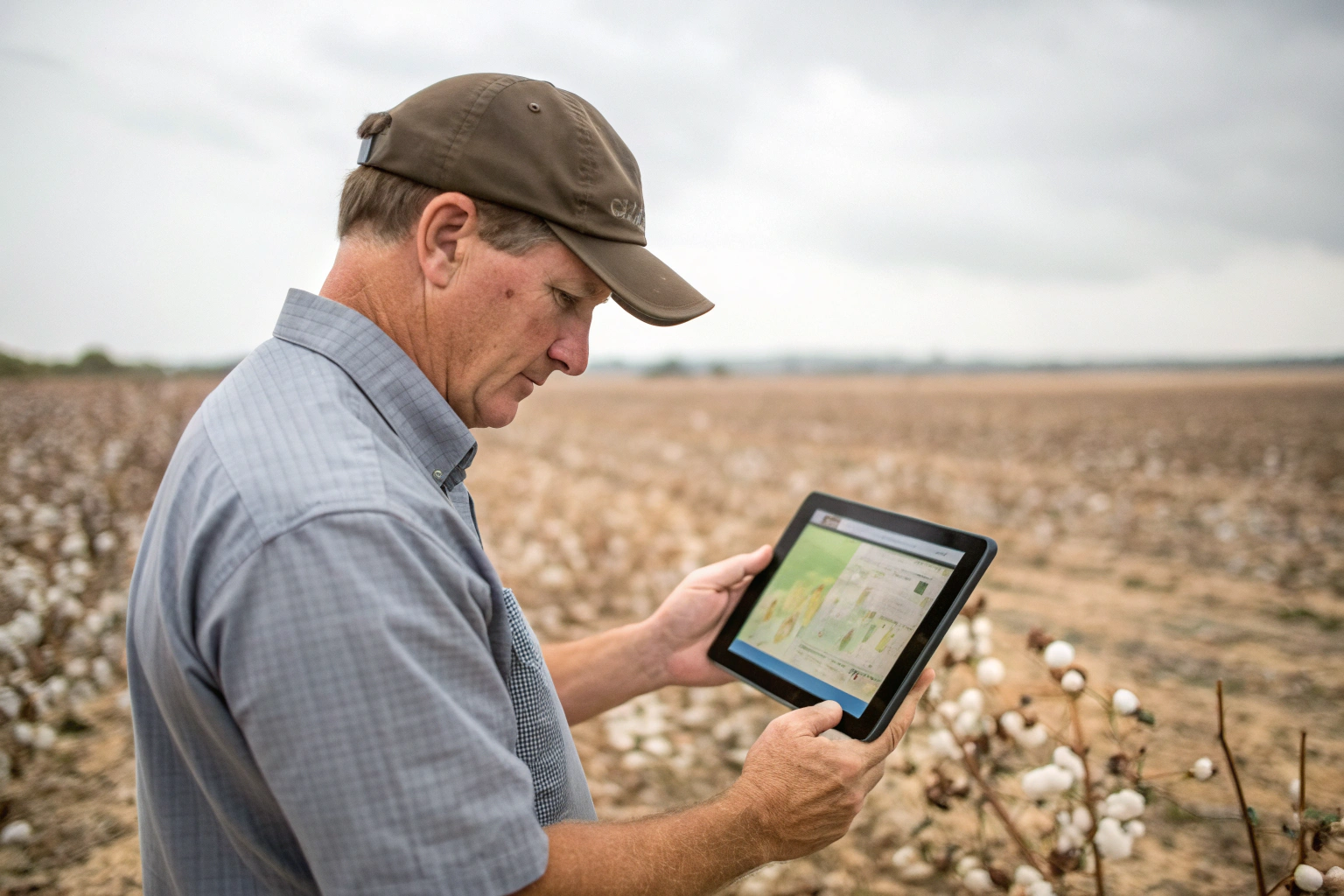
I was on a video call with a long-time client, Maria, last year. She sources high-end wool scarves and cotton hats for a chain of boutique hotels in the US. She was frustrated. The prices from her usual suppliers kept jumping. The quality of the raw materials seemed inconsistent. She asked me, "What is going on with the farms? Why can’t they just deliver what they used to?" I had to give her the honest answer. The weather is changing, and it is changing everything about how natural fibers are grown.
Climate change impacts natural fiber production like cotton and wool by disrupting the stable growing conditions these materials depend on. For cotton, it means extreme weather like droughts, floods, and heatwaves that ruin yields and lower fiber quality. For wool, it means shifting landscapes, water scarcity for grazing, and increased stress on animals, which affects the health of the fleece. At Shanghai Fumao Clothing, we see these effects in the raw material market, and we work closely with our partners to navigate these challenges for our clients.
You might think this is a problem for farmers, not for buyers. But when the raw material becomes harder to grow, the price goes up and the quality goes down. It affects your bottom line directly. Let me explain exactly what is happening on the ground.
How Does Climate Change Affect Cotton Farming?
Cotton is a plant. It needs specific things to thrive. It needs a certain amount of water at the right times. It needs warm days and cool nights. It needs predictable seasons. Climate change is taking that predictability away. Farmers are struggling to adapt.
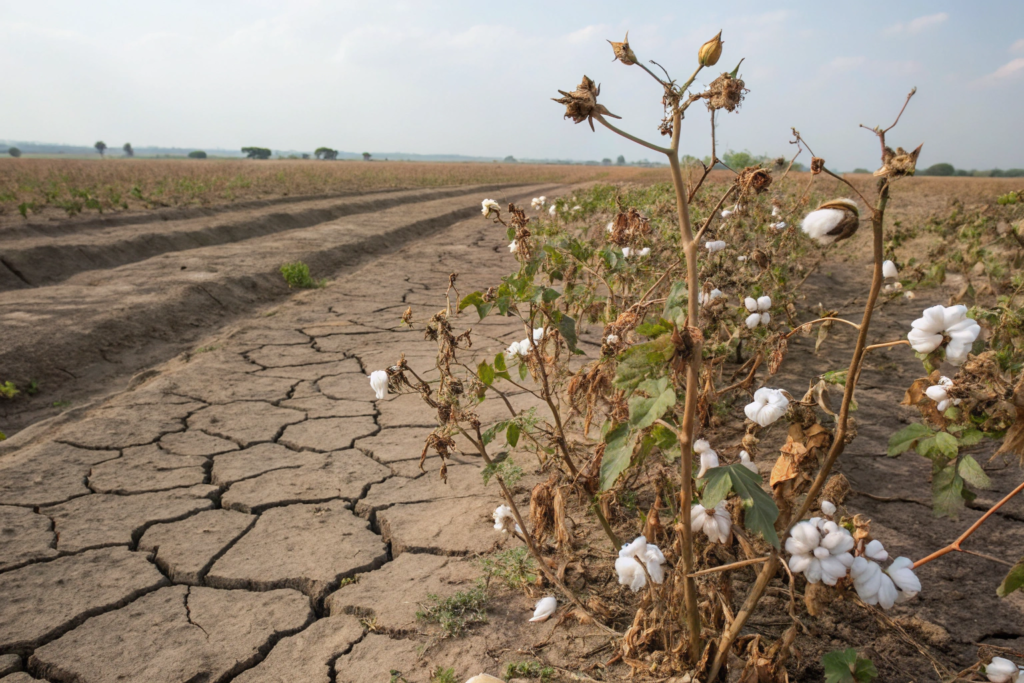
The biggest impact on cotton is water stress. Cotton is already a thirsty crop. In a changing climate, many cotton-growing regions are facing longer and more severe droughts. When the plant does not get enough water, the fibers become shorter and weaker. This lowers the quality. Conversely, when sudden, extreme floods happen, they can drown the plants or wash away topsoil. Erratic temperatures also confuse the plant’s growth cycle, leading to lower overall yields. This combination of less supply and lower quality drives up costs for everyone downstream.
Heatwaves are another major threat. Cotton plants have an optimal temperature range for growth. When temperatures spike above that range, especially during the flowering and boll-forming stages, the plant can abort its fruit. It simply drops the young cotton bolls to try to survive. This is a direct loss of potential harvest. For example, in recent years, major cotton producers like India and parts of the US have seen significant yield drops due to unexpected heatwaves. This creates volatility in the global cotton market, making it hard for buyers like Maria to plan their costs.
What Happens to Cotton Quality in a Drought?
Drought stress produces a shorter, coarser fiber. In the textile industry, we call this the "staple length." Longer staple cotton, like the famous Egyptian or Supima cotton, is prized because it can be spun into finer, stronger, and softer yarns. Short staple cotton makes weaker yarn that pills and feels rough. During a drought, the plant simply cannot grow those long fibers. It is too busy trying to survive. This means that even if a farmer gets a harvest, the cotton might only be suitable for lower-quality, cheaper products. This is a huge problem for brands that have built their reputation on the softness of their cotton shirts.
How Do Floods and Unpredictable Rains Affect the Crop?
While cotton needs water, it hates having "wet feet." Too much rain, especially late in the season, can be disastrous. It can cause the mature bolls to rot on the plant before they can be picked. It can also delay the harvest, pushing it into colder, wetter weather. Furthermore, heavy rains can lead to soil erosion, washing away the nutrient-rich topsoil that farmers need for the next year’s crop. This unpredictable cycle of drought one year and flood the next makes it nearly impossible for farmers to invest and plan. They are stuck in a reactive mode, just trying to survive each season.
How Does Climate Change Affect Wool Production?
Wool is different from cotton. It comes from animals, not plants. But animals are just as sensitive to climate change, if not more so. Sheep need healthy land to graze and stable temperatures to grow good fleeces. Climate change is attacking both of those things.
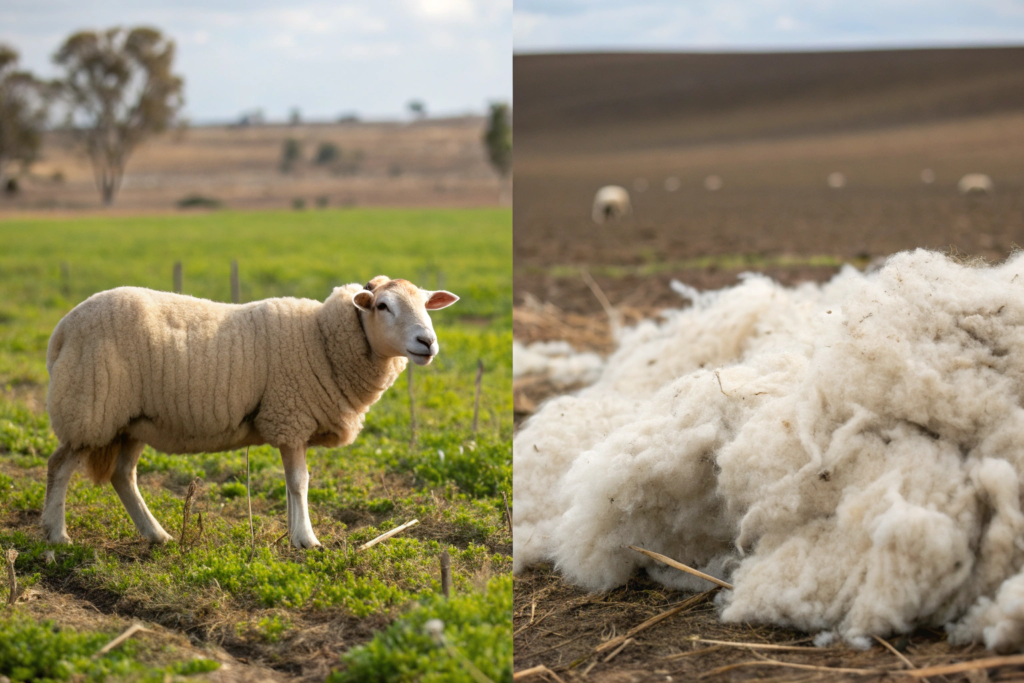
The primary impact on wool is on the grazing land. Sheep farming, especially for fine merino wool, often happens in semi-arid regions. These areas are becoming hotter and drier. Pastures are dying. Farmers have to buy supplemental feed, which increases their costs and cuts into their profits. When sheep are stressed from heat or malnutrition, they do not grow good wool. The fibers become weaker, developing "breaks" that can cause the yarn to snap during processing. The fleece yield per animal also drops.
Heat stress on sheep is a serious and growing problem. Sheep are covered in a thick layer of wool. They are not built for extreme heat. When temperatures rise, they stop eating and look for shade. They use their energy to cool down instead of growing fiber. This results in a lighter, poorer quality fleece. In extreme cases, heat stress can kill the animals. Furthermore, changing weather patterns are also affecting the parasite and disease landscape. New pests are appearing in regions that were once too cold for them, creating new health challenges for the flocks and requiring more interventions from farmers.
What Is a "Break" in Wool and Why Does It Matter?
A "break" is a weak point in a wool fiber. Imagine a strand of hair that has a section where it is much thinner and more fragile. That is a break. It happens when the sheep goes through a period of stress, like illness, malnutrition, or extreme heat. As the wool grows, that stress period creates a ring of weakness. Later, when the wool is processed into yarn, that weak point will snap. This creates short fibers that stick out of the yarn, making the finished wool scarf or sweater feel scratchy and pill easily. For a buyer like Maria who wants a luxurious, soft feel, wool with breaks is useless. It ruins the entire garment.
How Does Water Scarcity Affect Sheep Farming?
Sheep need water to drink, yes. But the bigger issue is the water needed to grow their feed. In many wool-producing regions like Australia and parts of South America, pastures rely on consistent rainfall. As droughts become more common and severe, these pastures dry up. Farmers are forced to buy hay and grain to feed their sheep. This is expensive. It also changes the animal’s diet, which can affect the wool quality. Furthermore, competition for water resources between farms and growing cities is increasing. This puts even more pressure on the farmers’ ability to maintain their flocks. The cost of all this stress is eventually passed down the supply chain to the buyer.
What Are the Supply Chain Consequences for Buyers?
As a buyer, you might think, "This is sad, but what does it mean for my orders?" It means a lot. The problems on the farm do not stay on the farm. They travel all the way to your warehouse and, eventually, to your customer. You need to understand these ripples to plan effectively.
The main consequences for buyers are price volatility, inconsistent quality, and longer lead times. When a major cotton or wool growing region has a bad harvest due to climate events, the global price for that fiber spikes. This makes your raw material costs unpredictable. Also, the fiber that is available might be of mixed quality. You might have to accept lower-grade materials or pay a premium for the good stuff. At Shanghai Fumao Clothing, we have to work harder to source consistent, high-quality raw materials for our clients’ premium accessory lines. This can add time to the development process.
There is also a growing issue with "green" claims. Many brands want to market their products as sustainable. But if the cotton is grown in a drought-stricken area using heavy irrigation that depletes rivers, is it really sustainable? If the wool comes from sheep on overgrazed land, is it truly environmentally friendly? Buyers are facing more pressure to prove the sustainability of their supply chains, and climate change is making that much harder. The story of the fiber is becoming as important as the fiber itself.
Why Are Raw Material Prices So Unpredictable Now?
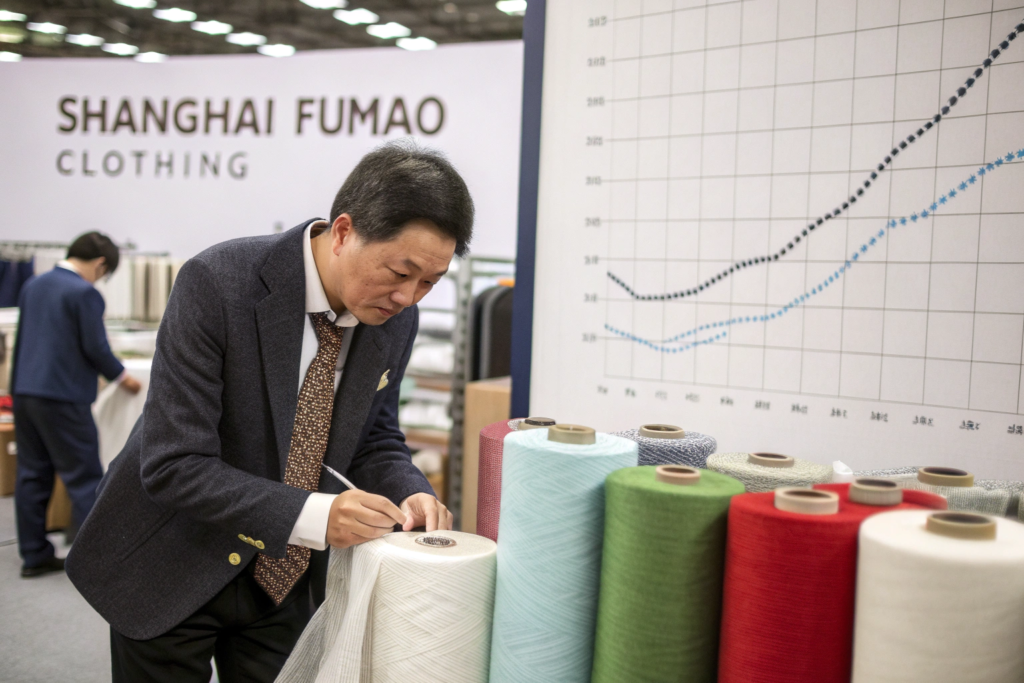
The simple answer is supply and demand. Climate change is making supply unreliable. If a key growing region like Texas or Xinjiang has a bad year, the global supply of cotton drops. But the demand from factories like ours does not drop. We still need to make shirts and hats. This imbalance pushes prices up. Then, next year, if the weather is good, there might be a surplus, and prices fall. This yo-yo effect makes it nearly impossible to set stable prices for your own customers. You are constantly reacting to a market that is being whipped around by the volatility of the weather.
How Can Buyers Protect Themselves from This Volatility?
There are a few strategies. One is to build stronger, longer-term relationships with suppliers. When you are a regular, trusted client, we can work with you to hedge against price spikes. We might buy raw materials in bulk when prices are low and store them for your future orders. Another strategy is to be flexible with fiber specifications. If the premium long-staple cotton is too expensive, we can work with you to develop a product using a high-quality short-staple cotton that still meets your needs. Finally, diversifying your sourcing is key. Don’t rely on one region. At Shanghai Fumao Clothing, we monitor global markets and can help you source from different origins to manage both cost and risk.
What Is Being Done to Mitigate These Impacts?
It is not all bad news. Farmers are not just sitting back and accepting this. Scientists and agricultural companies are working hard to find solutions. The textile industry is also changing. There is hope, but it requires investment and a willingness to adapt.
To mitigate the impacts, farmers are adopting new agricultural practices and technologies. This includes developing and planting more drought-resistant cotton varieties. It includes using precision irrigation systems that deliver water directly to the plant’s roots, wasting nothing. For wool, it means breeding sheep that are more heat-tolerant and managing grazing land more sustainably to preserve soil health and water. At the industry level, organizations are promoting standards for sustainable fiber production, which help buyers identify materials grown with the climate in mind.
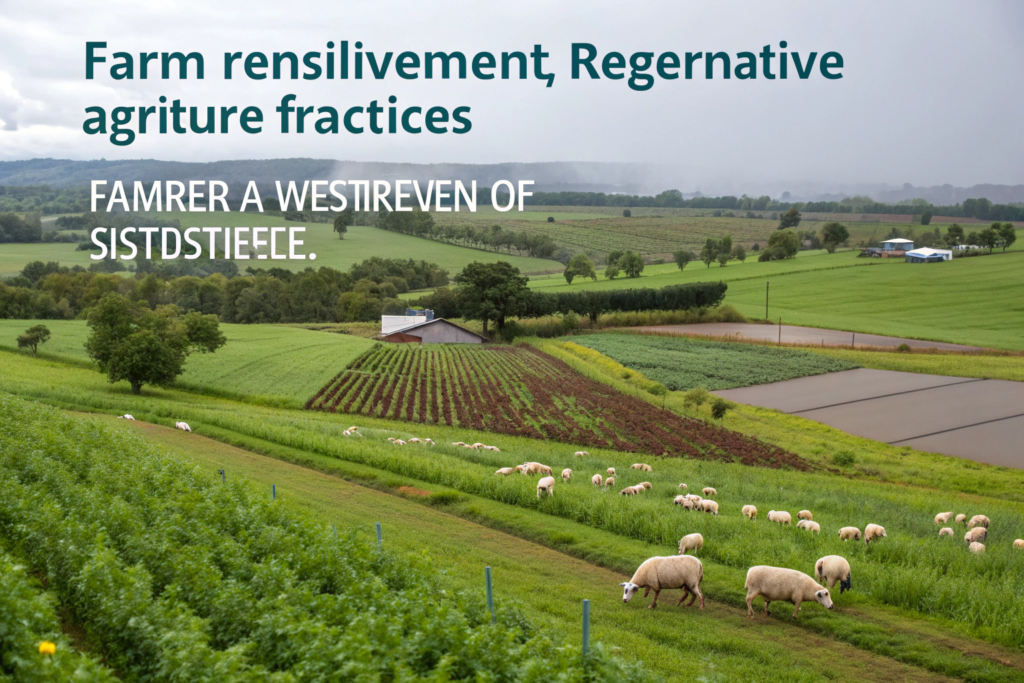
There is also a significant move towards regenerative agriculture. This is a system of farming principles that aims to rehabilitate and enhance the entire ecosystem of the farm. It focuses on building healthy soil, which stores more carbon and holds more water. Healthy soil can better withstand droughts and floods. For cotton, this means using cover crops and reducing tillage. For wool, it means rotational grazing, where sheep are moved frequently to allow pastures to recover. These practices not only help fight climate change by storing carbon, but they also make the farm more resilient to its effects.
What Are Drought-Resistant Cotton Varieties?
These are types of cotton that have been bred, either through traditional selective breeding or through biotechnology, to thrive with less water. They have deeper root systems to reach moisture deep in the soil. Their leaves might be designed to lose less water through evaporation. They can maintain their growth and fiber production even under water stress. These varieties are not a magic bullet. They still need some water. But they can survive and produce a usable crop in conditions that would destroy traditional cotton plants. This is a critical tool for farmers in regions where rainfall is becoming less reliable. Supporting the use of these seeds is one way the apparel industry can help secure its own future.
How Can Buyers Support Sustainable Fiber Production?
Buyers have a huge role to play. The most powerful thing you can do is to demand and pay for certified sustainable fibers. When you choose cotton with a certification like the Better Cotton Initiative (BCI) or wool with the ZQ certification, you are sending a signal to the market. You are telling farmers that their efforts to farm sustainably have value. It also provides a financial premium that helps them invest in better practices. At Shanghai Fumao Clothing, we encourage our clients to consider these options. They might cost a little more upfront, but they build a more stable and ethical supply chain for the long term. It is an investment in the future of your own products.
Conclusion
Climate change is not a distant problem for the textile industry. It is here. It is affecting the price of the cotton in your t-shirts and the quality of the wool in your scarves. It creates unpredictability and risk for everyone, from the farmer to the buyer. But by understanding these challenges, you can make smarter choices. You can work with partners who understand the market, who source responsibly, and who are investing in solutions.
If you are concerned about the stability and quality of your natural fiber supply chain, let’s have a conversation. We are deeply connected to these issues and can help you navigate them. We can find the right materials for your designs, even in a changing world. Please contact our Business Director, Elaine, at elaine@fumaoclothing.com. Let’s build a more resilient future for your accessory line.