I first encountered ramie in a way I’ll never forget. It was 2016, and a Japanese designer came to our office with a suitcase full of vintage garments from the 1950s. She laid them out reverently—shirts, dresses, household linens—all made from ramie, all still in beautiful condition after 60 years. "They don’t make fabric like this anymore," she said. I spent the next year proving her wrong. Today, we produce ramie blends for clients worldwide, and that designer is one of our best customers.
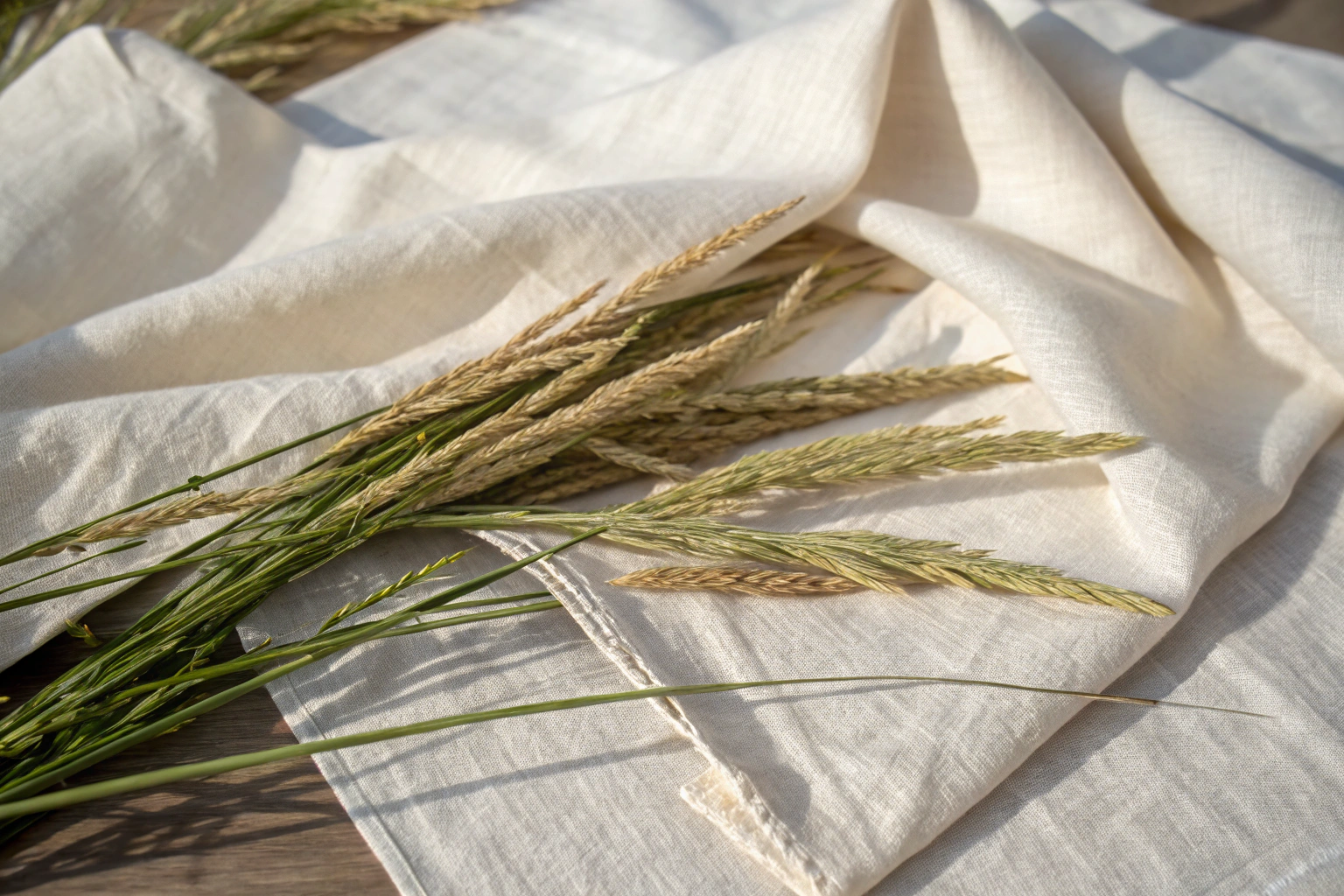
Ramie is a natural cellulosic fiber derived from the stem of the Boehmeria nivea plant, also known as China grass or white ramie. It’s one of the oldest textile fibers in the world, prized for exceptional strength, natural luster, brilliant white color, and resistance to bacteria and mildew. Unlike linen or cotton, ramie fibers are smooth, straight, and naturally stiff, creating fabrics with unique aesthetic and performance properties.
Let me share what I’ve learned about this remarkable fiber. Ramie has been cultivated in China for thousands of years—archaeologists have found ramie textiles dating back to 5000 BCE. But it remains relatively unknown in Western markets, partly because processing is difficult and partly because it’s often confused with linen or hemp. In reality, ramie is distinct from both, with properties that make it ideal for specific applications. Understanding these properties helps you decide when ramie belongs in your products.
How is ramie different from linen and hemp?
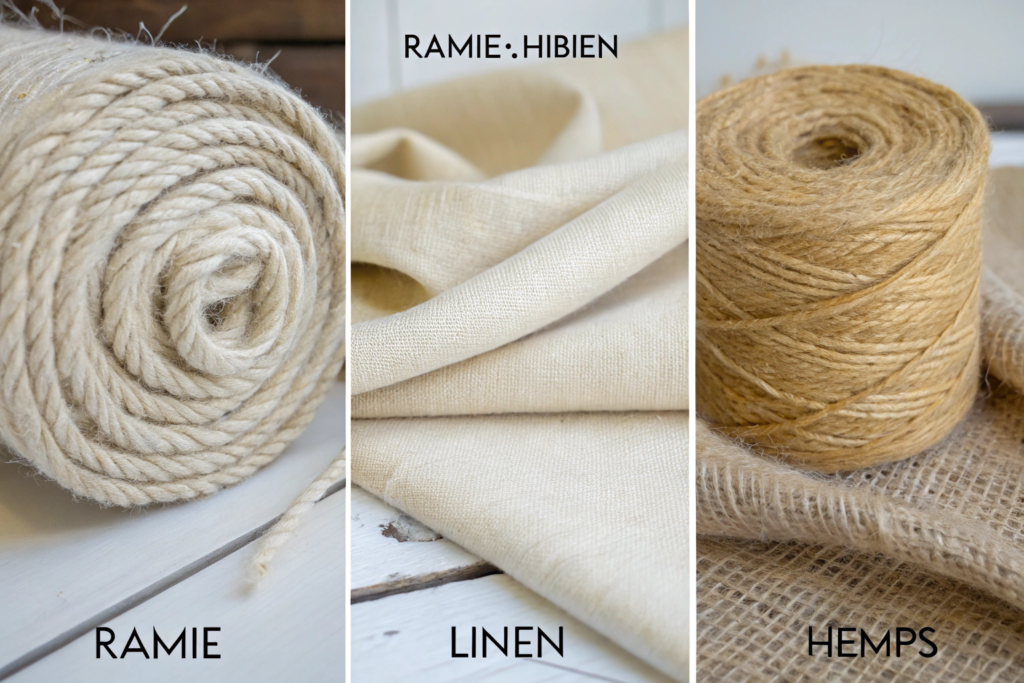
This is the question I get most often. Ramie, linen (flax), and hemp are all bast fibers—they come from plant stems. But they’re different plants with different fiber structures, and those differences matter in finished fabric.
The most obvious difference is appearance. Ramie fibers are naturally white and lustrous—almost silky. Linen is creamier, with more color variation. Hemp is typically grayish or brownish before bleaching. In fabric form, ramie has a crisp, clean look that holds its shape beautifully. It doesn’t soften and droop like linen can over time.
What makes ramie stronger than other bast fibers?
Ramie is arguably the strongest natural cellulosic fiber in commercial use. Its tensile strength is 2-3 times that of cotton and significantly higher than linen or hemp. This strength comes from the fiber’s molecular structure—highly crystalline cellulose with very few amorphous regions where breakage can start.
When wet, ramie actually gets stronger. Most fibers weaken when wet, but ramie’s strength increases by about 20-30% when saturated. This makes it ideal for applications involving moisture—towels, upholstery, ropes, and industrial textiles. For apparel, it means garments withstand repeated washing without breaking down.
In 2019, a German workwear brand approached us seeking fabric for heavy-duty uniforms. They’d tried cotton (abraded too quickly), polyester (too hot), and blends (compromises on both). We developed a ramie-cotton blend that combined ramie’s strength with cotton’s softness. The ramie fiber strength comparison to linen and hemp uniforms lasted three times longer than their previous cotton versions, and workers reported better comfort than synthetics. The strength difference wasn’t theoretical—it was measurable in real-world use.
Why does ramie feel stiffer than linen or cotton?
The stiffness people notice in 100% ramie comes from the fiber’s smooth, straight structure and high crystallinity. Linen fibers have nodes (joints) along their length that create natural flexibility. Cotton fibers twist and kink. Ramie fibers are essentially smooth cylinders that don’t bend as easily.
This stiffness is a feature, not a bug, for certain applications. Ramie holds crisp pleats and shapes beautifully. It resists wrinkling better than linen (though not as well as synthetics). It maintains its structure in garments where you want clean lines and shape retention.
For applications requiring more softness, blending is the solution. Ramie blends beautifully with cotton, modal, Tencel, or even small amounts of elastane. The blend softens the hand feel while retaining much of ramie’s strength and luster. A 55/45 ramie-cotton blend offers an excellent balance—enough ramie for strength and aesthetics, enough cotton for softness.
In 2021, a Portuguese sustainable fashion brand wanted a fabric with the look of linen but better wrinkle resistance and durability. We developed a 70/30 ramie-Tencel blend that captured the ramie fabric hand feel and stiffness properties textured aesthetic they wanted while performing significantly better than their previous linen sources. The collection sold out, and they’ve reordered annually since.
What are ramie’s unique moisture and thermal properties?
Beyond strength, ramie offers distinctive performance in how it interacts with moisture and temperature. These properties make it valuable for specific climates and applications, particularly in hot, humid conditions where other fibers fail.
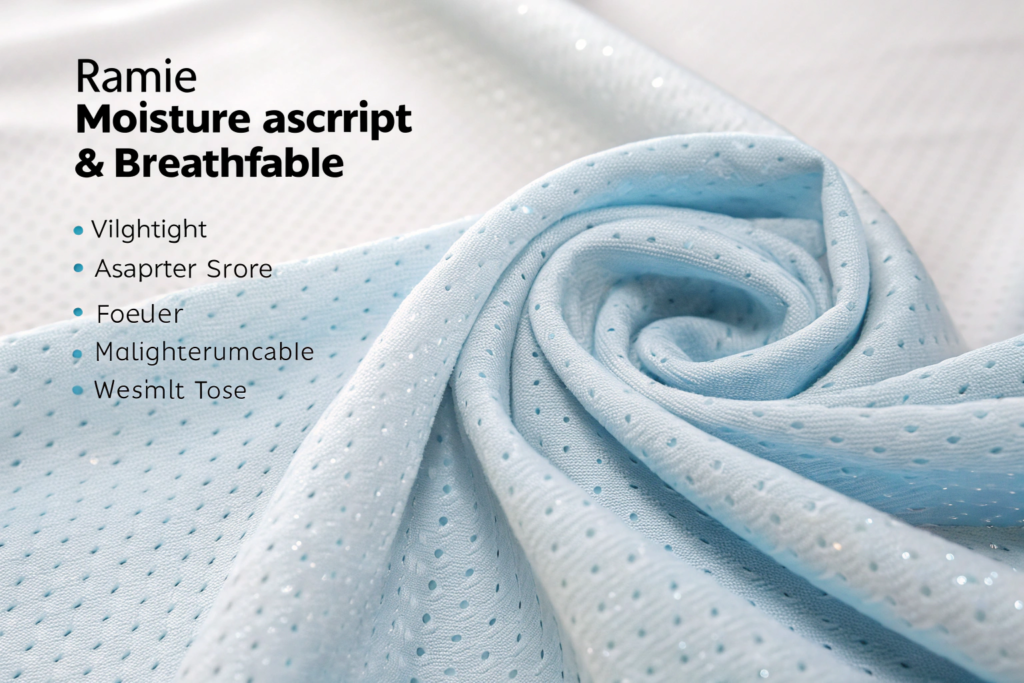
Ramie absorbs and releases moisture faster than any other major natural fiber. It can absorb up to 12-15% of its weight in moisture without feeling wet—comparable to linen but with faster drying. This rapid moisture transport makes ramie exceptionally comfortable in hot, humid conditions because it pulls sweat away from skin and releases it quickly to the air.
How does ramie perform in tropical climates?
This is where ramie truly shines. In Southeast Asia, where I travel frequently for business, ramie has been valued for centuries precisely because of how it performs in heat and humidity. Unlike cotton, which absorbs moisture and holds it against skin, ramie moves moisture through and releases it. Unlike synthetics, which trap heat, ramie breathes naturally.
The fiber’s hollow structure creates natural insulation—air pockets that moderate temperature. In heat, this means ramie feels cooler than many alternatives. The smooth fiber surface also doesn’t stick to damp skin the way cotton can, reducing that clammy feeling.
For a Singapore-based uniform company in 2020, we developed ramie-blend shirts for hotel staff working outdoors in tropical conditions. The ramie performance in tropical climates shirts kept workers cooler and drier than their previous cotton uniforms, and the strength advantage meant fewer replacements. The hotel chain calculated total cost of ownership savings of 40% over three years despite higher initial fabric cost.
Does ramie have natural antimicrobial properties?
Yes, and this is increasingly valuable in today’s market. Ramie contains natural compounds that inhibit bacterial growth. The fiber’s smooth surface also doesn’t trap bacteria the way textured fibers can. This means ramie fabrics resist odor development naturally, without chemical treatments.
Laboratory testing shows ramie inhibits growth of common bacteria including Staphylococcus aureus and Escherichia coli. The effect isn’t as strong as silver-based antimicrobial treatments, but it’s inherent to the fiber and won’t wash out. For applications where odor control matters—activewear, underwear, socks—ramie offers a natural solution.
In 2022, a Japanese sock manufacturer switched from cotton to a ramie-cotton blend specifically for odor control. Their customers reported significantly less foot odor, even after full days of wear. The ramie antimicrobial properties for textiles natural antimicrobial effect meant they could market "permanent odor control" without chemical treatments or certifications. The socks became their best-selling line.
What are the challenges of working with ramie?
I wouldn’t be honest if I only told you the good parts. Ramie presents real challenges in processing and manufacturing. Understanding these helps you work with them effectively rather than being surprised later.
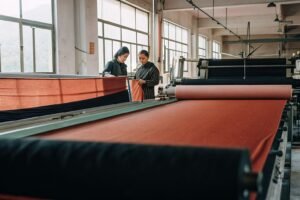
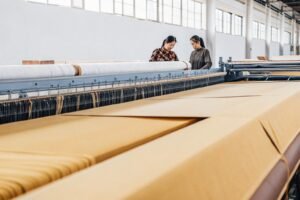
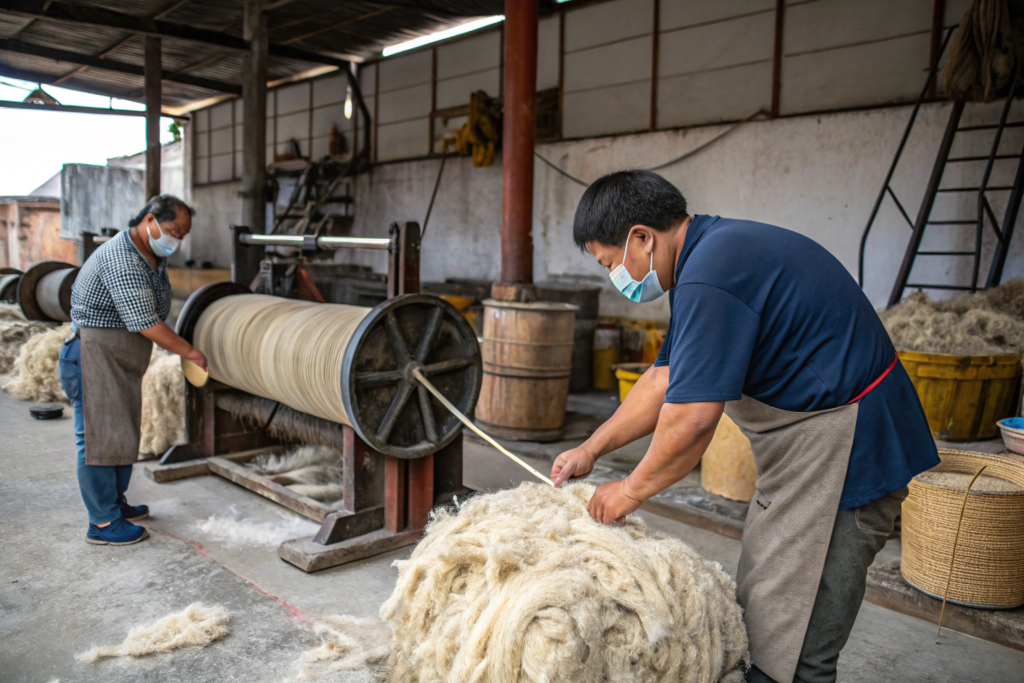
The biggest challenge is that raw ramie fibers are coated with natural gums that must be removed before spinning. This degumming process is critical—too little gum removal leaves fibers stiff and difficult to spin; too much damages fiber strength. Different mills handle this differently, and quality varies enormously.
Why does ramie quality vary so much between suppliers?
The degumming process explains most quality variation. Traditional methods using harsh chemicals can damage fibers, reducing strength and creating uneven quality. Modern enzymatic degumming produces superior results but requires expertise and investment. Mills that haven’t invested in modern processing often produce inconsistent, harsh ramie.
The other factor is fiber length. Long-staple ramie (longer fibers) spins into smoother, stronger yarns. Short-staple ramie creates hairier, weaker yarns prone to pilling. Top-quality ramie uses long-staple fibers with careful degumming. Budget ramie uses whatever fibers are available with minimal processing.
In 2018, a US-based home textiles brand approached us after bad experiences with ramie from other suppliers. Their previous source’s fabric pilled after a few washes and felt harsh against skin. We explained our degumming process and long-staple sourcing. Their ramie quality variation and supplier selection test order confirmed the difference—our fabric remained smooth after 20 washes, and they’ve sourced exclusively from us since. Quality isn’t expensive; it’s just different from cheap.
How should ramie be handled in garment manufacturing?
Ramie’s stiffness affects cutting and sewing. Sharp cutting tools are essential—dull blades crush fibers rather than cutting cleanly. High-quality needles with appropriate coatings prevent friction damage. Seam allowances may need different treatment than cotton or synthetics.
The fiber’s low elasticity means garments need appropriate ease for movement. Tight-fitting ramie garments can restrict motion or stress seams. Design with this in mind—more generous cuts, action pleats, or strategic blending with stretch fibers for fitted applications.
Finishing also matters. Ramie accepts dyes well but may require different dye chemistry than cotton. Our lab has developed specific recipes for consistent, colorfast ramie dyeing. Without this expertise, colors may be uneven or fade quickly.
For a Canadian outdoor brand developing ramie hiking shirts, we provided detailed ramie fabric handling and manufacturing guidelines cutting and sewing specifications based on our testing. Their production team followed our recommendations and achieved defect rates under 2%, comparable to their cotton production. The key was treating ramie as different, not assuming it behaves like linen.
What are the best applications for ramie fabric?
Given its unique properties, ramie excels in specific applications where other fibers fall short. Understanding these helps you decide when ramie belongs in your product lineup.
Summer apparel is the most obvious application. Ramie’s moisture management and natural cooling make it ideal for warm-weather clothing—shirts, dresses, pants, jackets. The crisp aesthetic suits tailored summer pieces that need to hold shape.
Is ramie good for home textiles?
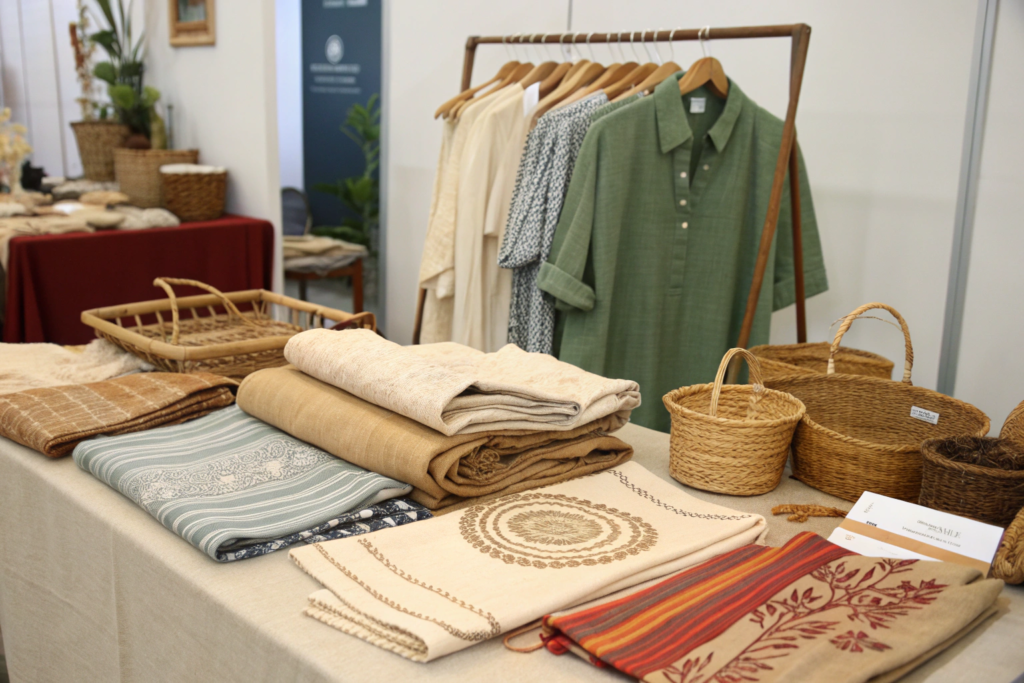
Absolutely, particularly for items that face moisture and wear. Ramie towels dry faster than cotton and resist mildew. Ramie upholstery wears longer than cotton or linen and cleans easily. Ramie curtains drape beautifully and resist sun damage better than many alternatives.
The fiber’s natural white color means less bleaching for white goods, reducing chemical use. For natural and eco-friendly home lines, ramie offers compelling advantages.
In 2021, a Danish home textile brand replaced their linen kitchen towels with a ramie-cotton blend. The ramie applications in home textiles ramie towels dried 30% faster, resisted mildew better, and lasted twice as long in their abrasion tests. Customers loved them, and the premium pricing was accepted because performance justified it.
What about industrial and technical applications?
Ramie’s strength and moisture resistance make it valuable outside apparel. Ropes and cords benefit from ramie’s wet strength. Canvas and tarpaulins gain durability. Reinforcement in composites adds strength with natural origin.
The fiber is also being explored for technical textiles where natural origin matters—medical textiles, filtration, packaging. As sustainability concerns grow, ramie’s combination of performance and renewability attracts attention.
A German automotive supplier tested ramie composites for interior panels in 2022. The ramie industrial applications and technical textiles ramie-reinforced panels met strength requirements while reducing weight and improving sustainability metrics compared to glass fiber. They’re now developing production versions for specific models.
Conclusion
Ramie is one of the world’s oldest textile fibers, but it remains surprisingly unknown in many markets. Its exceptional strength, natural luster, moisture management, and antimicrobial properties make it valuable for applications ranging from summer apparel to industrial composites. The challenges—processing complexity, quality variation, manufacturing adjustments—are manageable with the right expertise.
At Shanghai Fumao, we’ve invested heavily in ramie expertise over the past decade. Our degumming process produces consistently high-quality fiber. Our spinning relationships ensure long-staple yarns. Our dyeing recipes deliver colorfast results. And our quality control catches issues before they become your problems. We’ve supplied ramie and ramie blends to clients across apparel, home textiles, and industrial applications, learning from each project to improve our offerings.
If you’re curious about whether ramie belongs in your products, reach out to our Business Director, Elaine. She can discuss your specific applications, recommend appropriate blends, arrange samples for your testing, and guide you through the development process. Whether you’re considering a full ramie collection or just exploring options, we have the expertise to help. Contact Elaine at [elaine@fumaoclothing.com]() to start a conversation about what ramie can do for you.