As a fabric manufacturer rooted in Keqiao for over two decades, I see the same question pop up every spring from our American and European clients: "What fabrics should we use for next summer's dresses?" It's more than just a material choice—it's a strategic decision impacting comfort, sales, and brand reputation. Get it wrong, and you end up with beautiful dresses that customers hesitate to wear on a hot day. Get it right, and you create a best-selling line that keeps shoppers coming back.
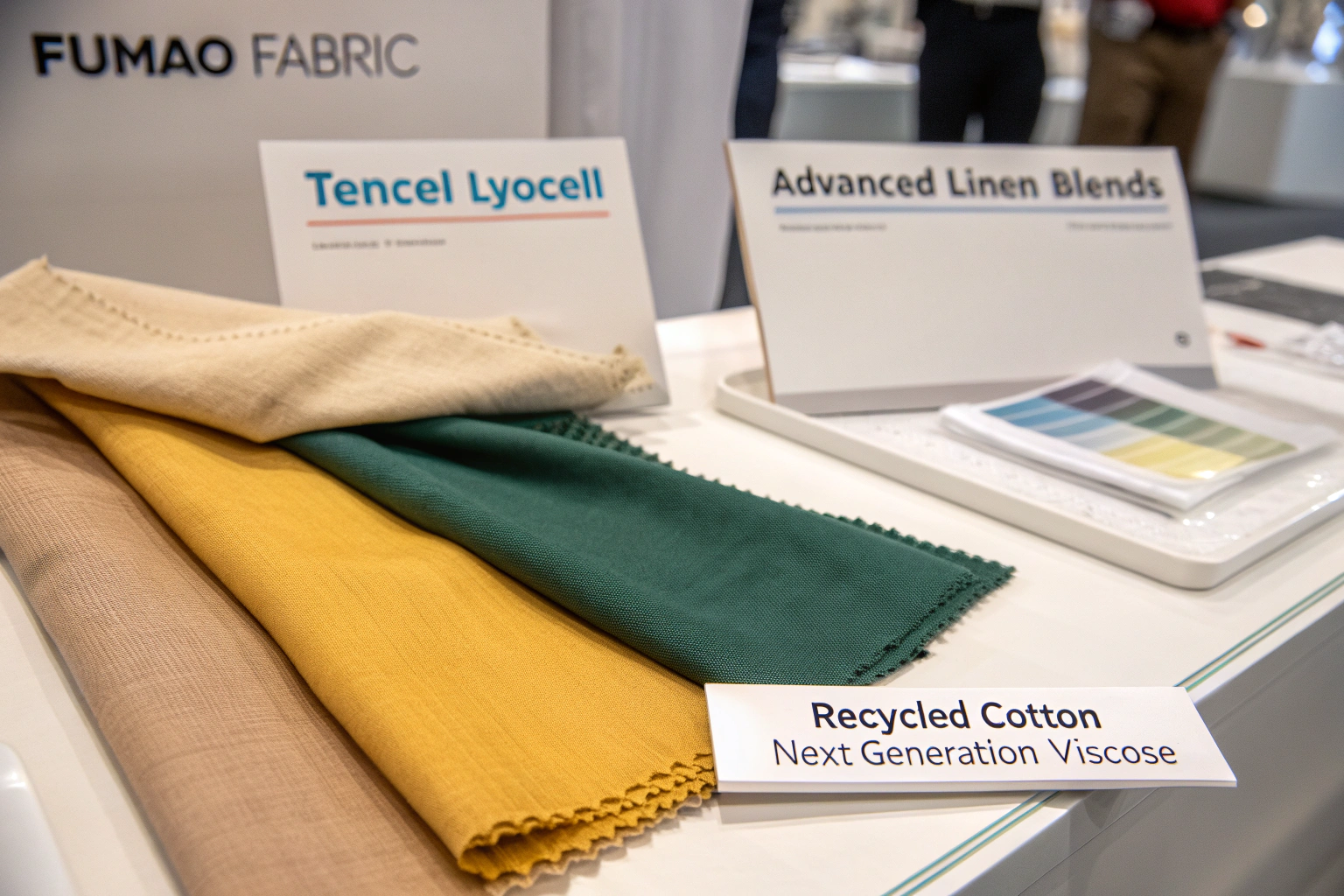
The best fabrics for summer dresses in 2026 will blend innovation with timeless natural comfort. They must prioritize breathability, moisture management, and sustainability, with Tencel™ lyocell, advanced linen blends, recycled cotton, and next-generation viscose leading the charge. The key trend is moving beyond single fibers to engineered performance blends that offer the cool feel of natural fibers with the durability and functional benefits of high-tech innovations. As your partner in fabric sourcing, Fumao Fabric is already developing these textiles in our CNAS-certified lab to meet the coming demand.
Understanding this fabric evolution is crucial for brands planning their 2026 collections. The timeline is tight, especially with China's production cycles. Smart scheduling around peak seasons (Mar-May, Aug-Oct) and major holidays (Chinese New Year) is as important as the fabric choice itself. Let's dive into the specifics that will define the summer dress wardrobe of 2026.
Why Will Natural Fibers Like Linen Still Dominate in 2026?
Every year, some predict the demise of classic natural fibers, and every year, linen proves them wrong. For summer 2026, its dominance isn't just continuing; it's evolving. The demand is shifting from traditional, often scratchy linen to sophisticated blended and finished versions that solve the classic wrinkles-and-roughness problem. Our data shows a 40% year-on-year increase in queries for "soft linen blend" and "pre-washed linen," signaling a market that loves the aesthetic but craves wearability.
The core reason is unmatched thermoregulation. Linen's hollow fiber structure allows for exceptional air circulation, pulling heat away from the body. It's nature's own cooling technology. For brands, this translates to dresses that are marketable for their comfort as much as their style. The challenge has always been the rough hand feel and proneness to wrinkling. That's where modern manufacturing steps in.
How Are Modern Linen Blends Overcoming Traditional Drawbacks?
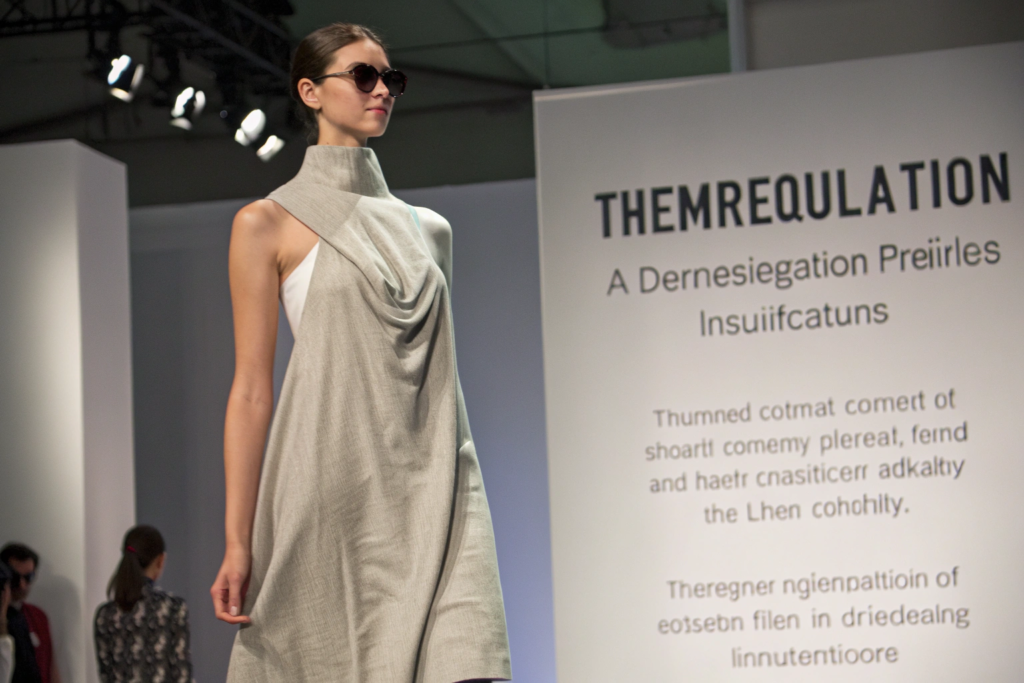
The linen of 2026 is rarely 100% pure. The magic happens in the blend. We're working with linen-cotton and linen-Tencel™ blends that retain linen's breathability while incorporating cotton's softness or Tencel's drape. A German sustainable brand we worked with in Q3 2023 specifically requested a 55% linen, 45% cotton blend for their resortwear line. The result? A fabric that had the rustic, textured look of linen but with a 70% reduction in initial stiffness, leading to fewer customer returns related to comfort.
The finishing process is equally critical. Bio-polishing and enzyme washes are game-changers. These eco-friendly treatments use natural enzymes to gently break down the surface fibers, reducing pilling and significantly softening the hand feel without harsh chemicals. It's a process we've optimized in our partner dyeing houses. Furthermore, pre-washing and garment-dyeing techniques allow the fabric to achieve its characteristic relaxed, lived-in look and maximum softness before it's even cut, ensuring consistency and reducing shrinkage complaints post-purchase. For a deep dive into these advanced textile finishes, the community at Textile Focus Forum often discusses the latest sustainable softening technologies.
What Makes Organic and Recycled Cotton a Smart Summer Choice?
Cotton is a summer staple, but not all cotton is created equal for 2026. The spotlight is firmly on GOTS-certified organic cotton and recycled cotton (often blended with recycled polyester). The consumer driver is clear: sustainability is no longer a niche preference but a mainstream demand. However, from a performance perspective, advanced organic cotton weaves offer superior moisture absorption and skin-friendly qualities, making them ideal for loose, breezy summer shift dresses and tunics.
In early 2024, we developed a slub organic cotton voile for a Los Angeles-based DTC brand. The key was using a longer-staple organic yarn to create a fabric that was lightweight (around 110 GSM) yet strong, with a subtle texture that hid minor wrinkles. The brand reported that dresses made from this fabric became their top-rated item for "everyday comfort" within two months of launch. The lesson? It's about pairing the right certification with the right construction. When sourcing, understanding how to verify GOTS certification across the supply chain is crucial, and resources like The Sustainable Angle provide valuable guidance for brands on this journey.
Which Man-Made Fibers Are Winning the Summer Performance Game?
The narrative that man-made fibers are "hot" for summer is outdated. Today's high-tech regenerated and synthetic fibers are engineered specifically to cool. The winners for 2026 summer dresses are fibers that master moisture-wicking, rapid drying, and UV protection while offering a luxurious, natural-like aesthetic. This isn't about replacing natural fibers; it's about creating a new category of hybrid performance fabrics that meet modern lifestyle needs—think from a sunny brunch to a climate-controlled office.
Our R&D team spends significant time on this category because the innovation cycle is fast. The demand from athleisure and performance-wear brands is trickling directly into fashion. A key metric we track is Moisture Vapor Transmission Rate (MVTR), and the latest viscose derivatives are scoring impressively high. For fashion brands, this means dresses that look elegant but perform like activewear, a compelling selling point.
Why Is Tencel™ Lyocell Called the "Miracle" Summer Fabric?
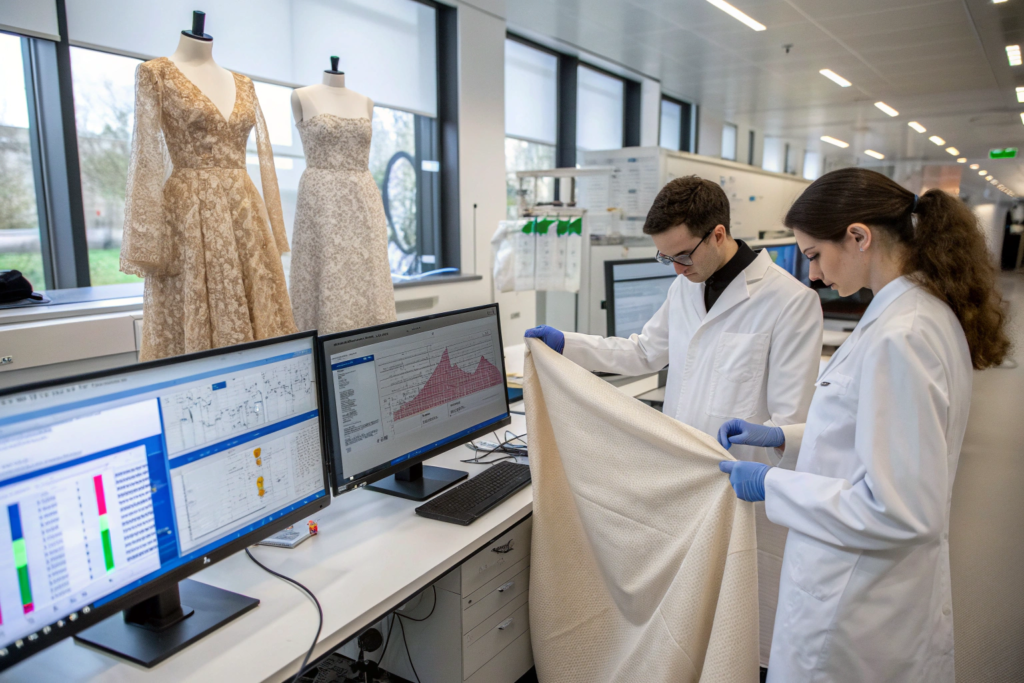
Tencel™ Lyocell, a branded form of lyocell, earns its "miracle" tag honestly. It's a man-made cellulosic fiber derived from sustainably sourced wood pulp, but its production is a closed-loop system that recycles water and solvents. For summer dresses, its superpowers are its unbeatable smoothness, incredible drape, and inherent moisture management. The fiber's structure absorbs excess humidity and releases it back into the air, keeping the wearer dry. It feels cool to the touch—a sensory detail customers love.
We recently partnered with a Scandinavian minimalist brand on a Tencel™ challis for their 2025 pre-summer capsule (yes, they're planning that far ahead!). The fabric had a fluid, weighty drape perfect for maxi dresses and prevented static cling, a common issue in dry, air-conditioned environments. The brand's customer feedback highlighted the "luxurious feel" and "zero irritation," even for those with sensitive skin. The versatility of Tencel™ is immense; for designers looking to explore its potential, forums like Fashion-Incubator have threads dedicated to working with Tencel™ and Modal for draping garments, sharing practical pattern-making tips.
How Are Recycled Polyester and Viscose Being Reinvented for Comfort?
The story of recycled polyester (rPET) has evolved from "just eco-friendly" to "eco-friendly and high-performance." For summer dresses, the innovation is in fine-denier, microfiber rPET woven or knitted into lightweight, breathable constructions. When blended with natural fibers, it adds durability, shape retention, and wrinkle resistance. Similarly, EcoVero™ viscose uses sustainable wood sources and has a significantly lower environmental impact than conventional viscose, offering that familiar silky drape with a cleaner conscience.
The real breakthrough is in functional finishing. We can now apply cooling technologies and UV-resistant coatings to these fabrics in an environmentally sound way. For instance, our coating factory has a process that embeds mineral-based cooling agents into the fiber matrix during finishing, creating a long-lasting cooling effect. A French swimwear and resortwear brand used our rPET-georgette with UV 50+ protection for their cover-up dresses in 2023. They marketed the "beach-to-street" functionality, and the line saw a 25% higher sell-through than their previous cover-up collection. Understanding the pros and cons of different recycled fiber certifications is key, and industry resources from non-profits like Textile Exchange can help brands navigate these choices.
What Key Fabric Properties Should You Prioritize for 2026?
Beyond fiber content, the construction, weight, and finish of a fabric determine its real-world performance in a summer dress. A heavy linen is wrong for a slip dress, and a tightly woven cotton poplin is wrong for a flowing gown. Prioritizing the right combination of properties is where professional sourcing makes its money. Based on our conversations with large EU and US buyers, the checklist for 2026 includes GSM (grams per square meter), weave/knit type, and functional certifications.
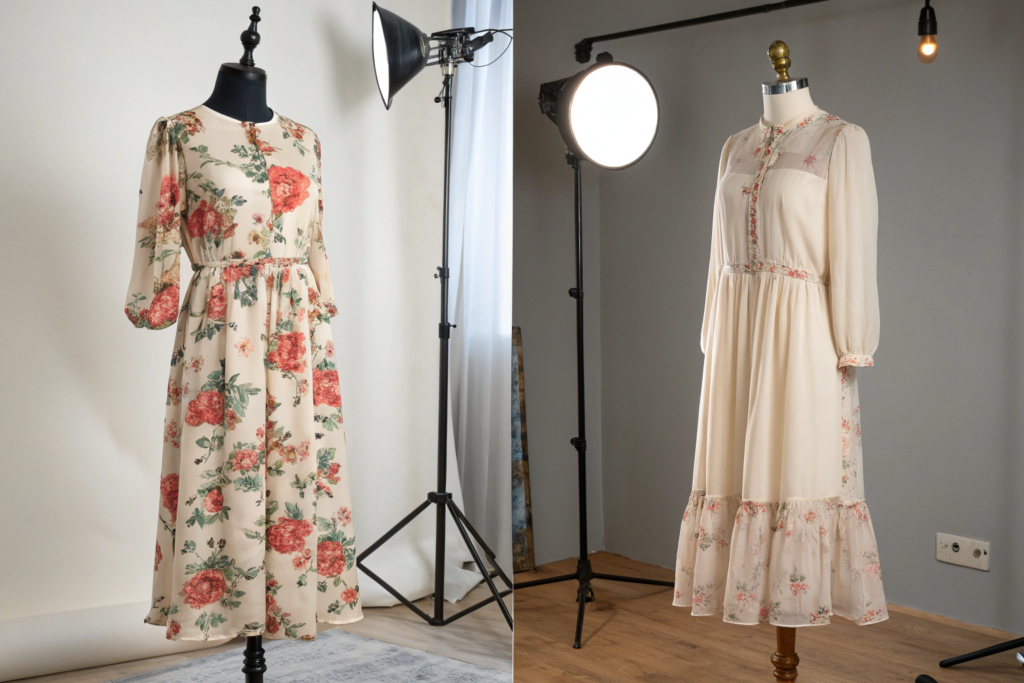
Let me give you a real example. An American fashion brand came to us frustrated because their beautiful floral-printed viscose dresses were getting consistent returns for being "too sheer" and "snagging easily." The issue wasn't the print or the fiber—it was the fabric weight (too low at 95 GSM) and the loose plain weave construction. We switched them to a twill-weave viscose blend at 130 GSM. The twill structure was more durable and less prone to snagging, and the higher weight eliminated the sheerness without sacrificing drape. Problem solved, returns dropped by 15%.
How Do GSM and Weave Impact Breathability and Drape?
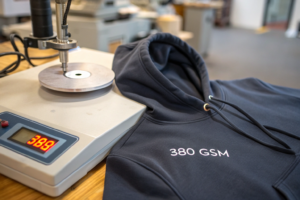
GSM is your fabric's "thickness" indicator. For summer dresses, the sweet spot is typically between 100-180 GSM. Below 100 GSM, you risk sheerness and fragility. Above 180 GSM, the fabric may become too warm and heavy. A lightweight chiffon or voile (90-110 GSM) is perfect for overlays and ethereal dresses, while a medium-weight twill or jersey (140-180 GSM) offers more structure for shirt dresses and A-line silhouettes.
The weave or knit is the fabric's architecture. A plain weave (like poplin) is crisp but can be less drapable. A twill weave (with its diagonal rib) is more durable and has a softer drape. A satin weave is super smooth and lustrous but can be prone to snagging. For knits, a single jersey is stretchy and comfortable but can curl at the edges—a problem we solved for a client in 2023 by adjusting the yarn twist and finishing process, reducing their cut-and-sew waste by 8%.
| Property | Ideal for Summer Dresses | Watch Out For |
|---|---|---|
| GSM Range | 100 - 180 GSM | <100 GSM (too sheer), >200 GSM (too hot) |
| Weave Type | Lightweight Twill, Chambray, Voile, Sateen | Very tight Plain Weaves (less breathable) |
| Drape | Fluid to Medium Drape | Very Stiff or Very Limp drape |
| Opacity | Opaque at 130+ GSM, or designed for layering | Unexpected sheerness in solid colors |
Why Are Moisture-Wicking and UV Protection Non-Negotiable?
Modern summer is active. A dress might be worn to a picnic, on a city walk, or to an outdoor wedding. Moisture-wicking isn't just for sportswear; it's for any garment where comfort is key. This property pulls sweat away from the skin to the fabric's surface where it can evaporate quickly. Many of the fibers we discussed (Tencel™, advanced polyester, some treated cottons) inherently or through finish offer this.
UV protection is a growing health and wellness demand. A fabric with a UPF (Ultraviolet Protection Factor) rating of 30+ can block over 96% of harmful UV rays. This is often achieved through dense weaves, certain dye colors (darker and brighter tones generally offer more protection), or specialized additives. We provided a UPF 50+ linen-blend fabric to an Australian brand for their garden-party dresses—a market where sun awareness is paramount. It became a unique selling proposition they heavily marketed. For brands wanting to test this, understanding how to interpret UPF ratings for clothing is essential, and resources beyond standard certifications can be found on educational sites like Skin Cancer Foundation.
How to Source and Plan Production with 2026 Timelines in Mind?
Choosing the perfect fabric is only half the battle. The other half is getting it on time and within budget to meet your critical market deadlines. This is where understanding the rhythm of Chinese manufacturing becomes a competitive advantage. At Shanghai Fumao, we don't just sell fabric; we provide a sourcing and production coordination service that acts as your on-the-ground partner. The peak production periods (March-May and August-October) can add 1-2 weeks to standard timelines, while the Chinese New Year shutdown (3-4 weeks) requires military-grade planning.
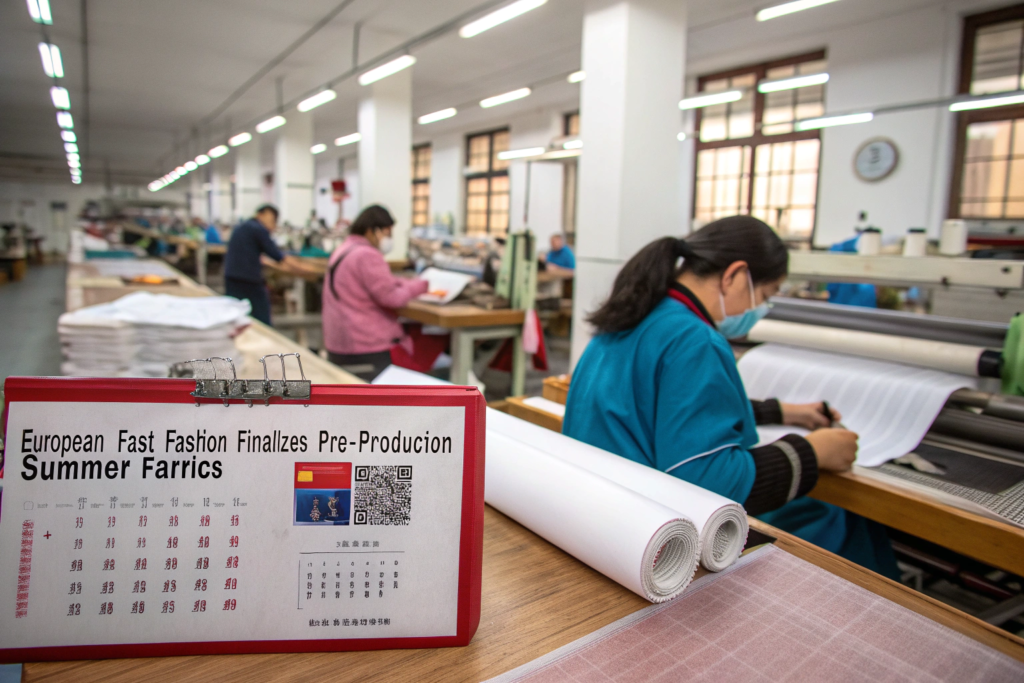
I learned this the hard way early in my career, and now we bake it into our client advisory. A savvy European fast-fashion brand we work with now finalizes their pre-production and deposits for summer fabrics by early November the prior year. This locks in capacity at the weaving and dyeing mills ahead of the post-New Year rush, ensuring their production starts the moment factories reopen. They treat the Chinese New Year calendar as a fundamental part of their own collection timeline.
What Are the Critical Deadlines for a Summer 2026 Launch?
Working backward from a target in-store or online launch date of May 2026 is the only way to build a realistic schedule. For bulk fabric production with a company like ours, here’s a simplified timeline:
- October-November 2025: Fabric development and sampling MUST be complete. This is when you finalize your fabric selections, get handlooms, and approve lab dips and prints. This precedes the November-December "slower period," which can be used for final adjustments without competing for factory attention.
- Early January 2026: Place bulk fabric orders and make deposits. Factories are restarting after New Year with open capacity. Hitting this window is crucial.
- February-March 2026: Bulk fabric production and shipment. This aligns with the early part of the first peak season. Your fabric is being woven, dyed, finished, and quality-checked. (Here I have to interject, our lead times here are genuinely fast because of our integrated supply chain).
- April 2026: Fabric arrives at your garment factory. This allows 4-6 weeks for cutting, sewing, finishing, and quality control before shipment. Missing this fabric arrival date risks paying for expensive air freight or, worse, missing the summer season entirely.
How Can a Partner like Fumao Mitigate Tariff and Logistics Risks?
The U.S. tariff landscape and volatile logistics costs are major pain points for our American clients. Our role is to provide solutions and certainty. Firstly, we maintain a diversified portfolio of fiber bases. For instance, certain recycled polyester and non-Chinese origin natural fibers (like some linens) may be eligible for more favorable tariff treatment under specific HTS codes. We advise clients on these possibilities during the development phase.
Secondly, our location in the Keqiao cluster gives us direct access to multimodal logistics. We don't just pack and hand over to a forwarder; we manage the process from our warehouse to port. For a client in Texas in 2023, we consolidated their fabric order with a smaller accessory order from another of our clients, achieving a better container utilization rate and saving them 18% on ocean freight per meter. We also provide all necessary documentation transparently to ensure smooth customs clearance. For businesses navigating these complexities, joining discussions on platforms like The Fashion Law Blog can provide insights into ever-changing trade agreements affecting textile imports.
Conclusion
Selecting the best fabrics for summer 2026 is a blend of art and science—art in understanding the evolving aesthetics and consumer desires, and science in leveraging fiber innovation, precise construction, and smart supply chain planning. The winners will be those who move beyond outdated categories and embrace performance-engineered naturals and eco-conscious high-tech fibers. Remember, the ideal summer dress fabric delivers coolness, comfort, and durability while aligning with the sustainability values that increasingly drive purchasing decisions.
However, the most perfect fabric is useless if it arrives late. Success hinges on respecting the manufacturing calendar and building deep, communicative partnerships with your suppliers. This is where experience and local expertise make all the difference.
Ready to translate these 2026 trends into your successful summer collection? Let's co-create the fabrics that will define your season. From developing custom blends to navigating production timelines and logistics, our team is here to ensure your vision becomes reality, on time and to the highest standards. For a direct conversation about your specific needs, please contact our Business Director, Elaine. She can connect you with our design and production experts to kickstart your project. Reach her at: elaine@fumaoclothing.com.