You’re scrolling through Alibaba listings, getting quotes from multiple wholesale suppliers. The prices look good, the photos look fine. They might even mention "OEKO-TEX" or "quality fabrics." But here’s the question that could make or break your business: does your wholesale clothing supplier operate with Grade 1 Certification? If you don’t know the answer, you might be working with a trading company masquerading as a factory, or a factory with no real control over its supply chain. In the wholesale world, "Grade" isn’t about quality—it’s about transparency and capability. Getting this wrong means dealing with endless middlemen, communication black holes, and zero ability to verify the true safety of the clothes you’re putting your label on.
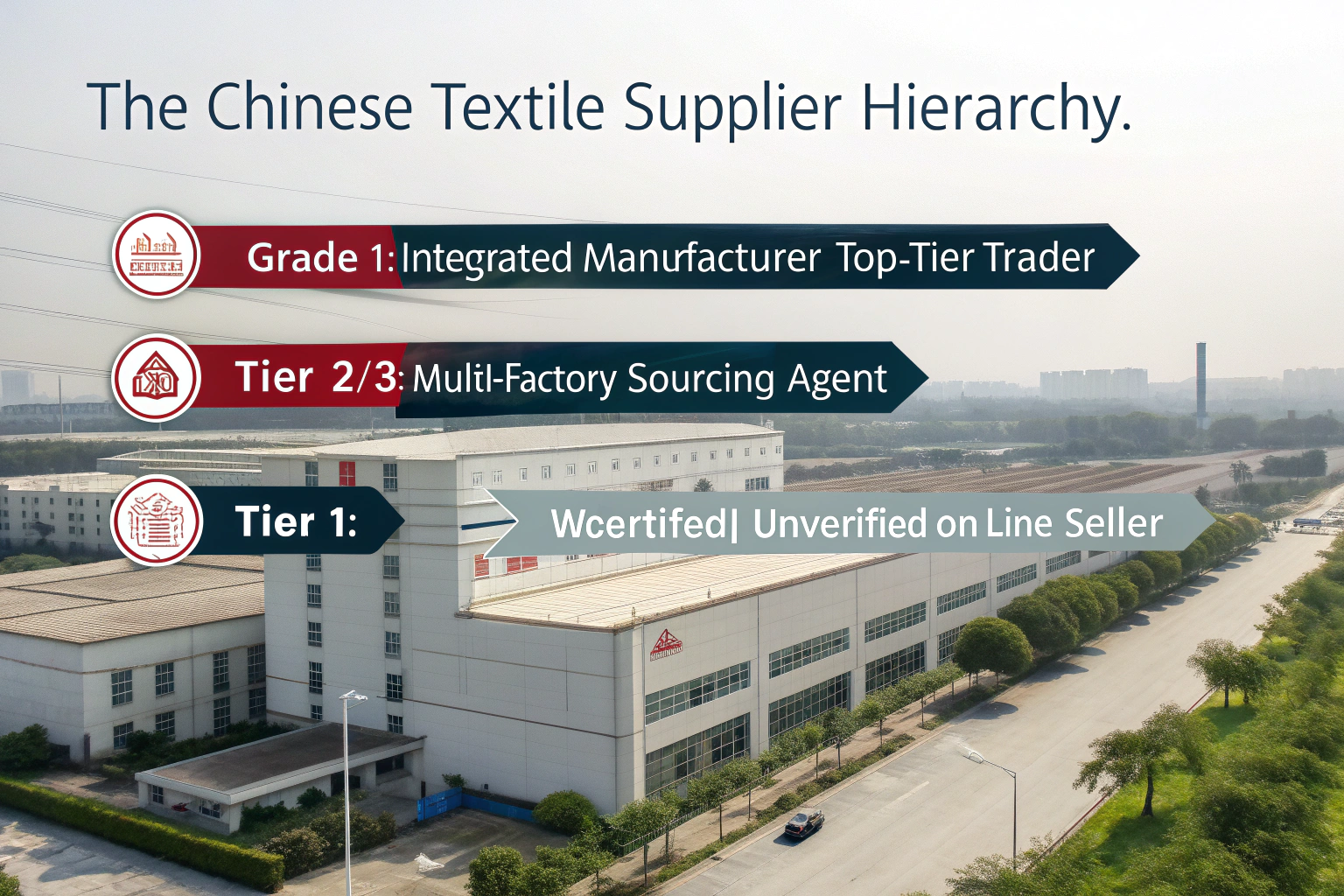
Grade 1 Certification in China’s textile industry is the most direct indicator of a true, vertically-integrated manufacturer or a highly privileged and audited first-tier trading entity. It signifies a supplier that has direct, accountable control over the production process, from fabric sourcing or production to garment finishing. For you, the buyer, this means direct access to the source, transparent pricing, enforceable quality standards, and most critically, the ability to trace and verify product safety certifications like OEKO-TEX® back to the raw material. Working with a Grade 1 supplier isn’t just a preference; it’s a fundamental risk mitigation strategy.
Let’s pull back the curtain. Many wholesalers you encounter online are Grade 3 or even uncertified trading companies. They source from unknown factories, add a markup, and act as a barrier. When you ask them about fabric composition or safety tests, they have to "check with the factory," and you may never get a straight answer. This article will decode the grading system, show you how to verify a supplier’s true grade, and explain why this single factor is more important than a slightly lower price per unit.
What is Grade 1 Certification and Why Does It Matter?
In China’s industrial classification, particularly within major manufacturing clusters like Keqiao, a "Grade" (often tied to business scope and verified by local chambers of commerce or export associations) signals a company’s position in the supply chain. While not a government-mandated safety standard like OEKO-TEX®, it is a credibility standard.
A Grade 1 Certified Supplier is typically one of two things:
- A Vertically-Integrated Manufacturer: A company with its own production facilities (weaving, dyeing, sewing) or direct, equity-based control over cooperative factories in each stage. They own the process.
- A First-Tier Authorized Trading Company: An exceptionally capable trading firm that holds exclusive or prioritized contracts with top-tier factories, often acting as their external sales and project management arm. They are audited by the factories they represent and have transparent access.
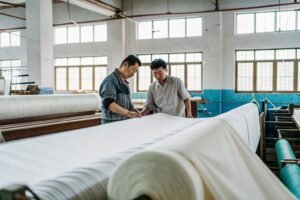
Why does this matter to you? Control and Traceability. A Grade 1 supplier can give you a straight answer because they are the source or are directly plugged into it. They can take you to the factory floor (physically or virtually), show you the fabric roll with its OEKO-TEX® tag, and explain the dyeing process. A lower-grade trader cannot; they are several steps removed.

How does Grade 1 status impact my ability to verify safety claims?
This is the critical link. If you request an OEKO-TEX® certificate from a Grade 3 trader, they will forward your email to a factory you’ve never met. The certificate you get back might be generic, outdated, or even fake. With a Grade 1 supplier, the certification is part of their owned infrastructure. At Shanghai Fumao, as a Grade 1 entity rooted in Keqiao, our OEKO-TEX® and GOTS certifications are tied to our specific cooperative dyeing and finishing partners. We provide the certificate linked to the exact batch of fabric you’re buying. You can verify it online in real-time. In 2022, a UK client avoided a major compliance scandal because we could instantly provide the valid, batch-specific GOTS certificate for their organic cotton order. Their previous Grade 3 supplier had provided a copied certificate from a different season, which was flagged during a retailer audit.
Does a higher grade mean better pricing?
Often, yes—both better and more transparent. Grade 3 traders add layers of margin: their own margin, plus the margin of any sub-agents between them and the factory. A Grade 1 supplier eliminates those middlemen. You get factory-direct or near-factory-direct pricing. More importantly, the pricing is stable and logical. You can discuss costs based on fabric consumption, labor time, and process complexity, not just a mysterious "final price" that changes with every inquiry. This transparency allows for true partnership and cost engineering, especially for custom orders.
How Can I Verify My Supplier’s True Grade?
Don’t just take their word for it. Any company can claim to be a "factory" or "Grade 1" on their website. Verification requires proactive detective work. Here is your practical checklist:
- Request Business License & Tax Registration: A legitimate Chinese company will provide a red-stamped copy. The "Business Scope" listed is telling. Look for terms like "textile production," "garment manufacturing," "printing and dyeing." If it only says "wholesale and retail trade" or "import and export," it’s likely a pure trading company.
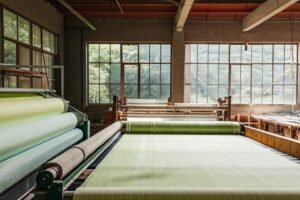
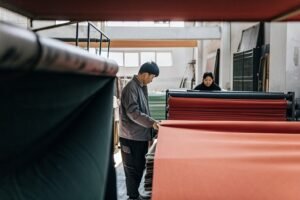
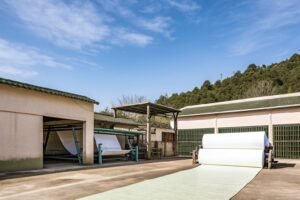
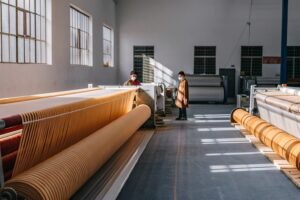
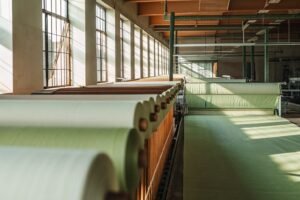
- Ask for Factory Photos & Videos, Not Stock Images: Demand real-time photos or a live video call from the factory floor. Ask them to show specific machinery related to your product (e.g., circular knitting machines for jersey, digital printers for patterns). A true manufacturer can do this instantly.
- Check Their Physical Address on Maps: Use Google Maps or Baidu Maps to look up their registered address. Is it an industrial park with factories? Or is it an office tower or residential apartment building?
- Inquire About Production Capacity & Lead Times in Detail: Ask specific questions: "What is your monthly capacity for knitted polo shirts?" "How many lines do you have for dyeing cotton?" "If I need to adjust the yarn count, who in your R&D team handles that?" Vague answers are a red flag.
- Verify Certifications at Source: Ask for the OEKO-TEX® or other certificate and then use the official online database to check the certificate holder’s name and address. Does it match your supplier? If not, who is the actual holder, and what is their relationship to your supplier?

What are the red flags of a lower-grade trading company?
Be wary of suppliers who:
- Are overly flexible: "We can make anything!" without asking detailed technical questions.
- Cannot provide pre-existing sample fabrics: They always need to "source samples."
- Have inconsistent MOQs: The minimum order quantity changes drastically based on the product.
- Avoid video calls or factory visits: They give excuses about "factory policy" or "too busy."
- Communicate only in poor English via chat: A true Grade 1 supplier will have a professional team capable of clear email communication.
- Have prices that seem too good to be true: They often are, and the cost will be recouped through hidden fees, inferior materials, or unexpected problems.
Can a trading company still be a good partner?
Yes, but only if they are transparent about their role and have Grade 1-level access and control. Some excellent trading companies function as project managers for Western brands, handling quality control, logistics, and compliance across a vetted factory network. The key is that they are honest about being a trading company, but they can demonstrate direct, contractual partnerships with factories and provide full transparency upstream. They act as an extension of your team. The danger is the trader who pretends to be a factory, obscuring the true source and your ability to manage risk.
The Direct Link Between Supplier Grade and Product Safety
This is the most important concept to grasp: You cannot ensure product safety if you do not know and control the source. A low-grade supplier creates a black box. You have no idea which dye house they used, what chemicals were in the print paste, or where the buttons were sourced. When you demand OEKO-TEX® certification, they might simply buy a batch of certified fabric, but then process it in an uncertified, unregulated factory using non-compliant auxiliaries, voiding the certification’s validity.
A Grade 1 supplier embeds safety into the controlled process. Their vertically-integrated or tightly-managed model means:
- Chemical Management: They approve and control the dyes and chemicals used at the dyeing and finishing stage.
- Process Control: They enforce washing temperatures and cycles to ensure residue limits are met.
- Component Sourcing: They source trims from vetted, compliant suppliers.
- Batch Traceability: They can track your order back to the specific lot of yarn or dye used.
| Aspect | Grade 1 Supplier | Low-Grade Trader |
|---|---|---|
| Fabric Origin | Known, controlled mill. Can provide mill certificates. | "The factory sources it." Often unknown. |
| Safety Certification | Owned or directly managed. Batch-specific, verifiable. | Purchased or faked. Often generic. |
| Problem Resolution | Direct access to production. Can diagnose and fix root cause. | Acts as messenger. Slow, blame-shifting. |
| Customization | Possible at the material level (yarn, weave, finish). | Limited to selecting from existing fabric stocks. |

How does vertical integration prevent contamination?
Vertical integration is the ultimate form of control. Let’s say you order a run of white baby onesies (OEKO-TEX® Class I). In a fragmented supply chain, the fabric might be dyed (whitened) in one facility, then sent to a separate printer for a small logo, then to a sewing factory. If the printing facility uses the same screens for adultwear with allergenic dyes without proper cleaning, cross-contamination occurs. In a vertically integrated or tightly managed Grade 1 setup, these processes are coordinated. The white fabric is processed in a dedicated "clean" line, and the printing is done in-house or at a partner under strict protocol, with cleaning logs. The entire chain is managed under one safety umbrella. This is how true safety is engineered.
What questions should I ask to assess safety control?
Ask your potential supplier these pointed questions:
- "Can you show me the OEKO-TEX® certificate for the factory that will do the dyeing and finishing for my order, not just the fabric mill?"
- "What is your procedure for cleaning machines between production runs, especially when switching from a dark color to a light color or between different product classes?"
- "How do you ensure the metal buttons/zips I use are nickel-free? Can you provide the test report from the trim supplier?"
The speed, detail, and evidence provided in their answers will tell you everything.
Making the Switch: How to Find and Partner with a True Grade 1 Supplier
Finding a true Grade 1 supplier requires a shift in strategy. Stop searching for the lowest price and start searching for the most capable partner.
- Target Industry Hubs: Focus your search on companies based in known textile capitals like Keqiao (Zhejiang), Guangzhou, or Shandong. Being in the cluster is a first indicator.
- Visit Trade Shows (Physically or Virtually): At major shows like Intertextile Shanghai, suppliers showcase their real capabilities. You can meet technical staff, see fabric samples, and judge their professionalism firsthand.
- Leverage B2B Platforms Intelligently: On Alibaba, use filters like "Verified Supplier" and "On-site Checked." Look for suppliers who have a "Gold Supplier" status for many years. Scrutinize their profile for evidence of factory ownership.
- Start with a Capability Test: Don’t place a large order first. Ask for a custom development sample. A true Grade 1 supplier will engage their R&D team, discuss technical details, and produce a sample that matches your specs. They will see it as an investment. A trader will hesitate or outsource it poorly.
- Conduct a Virtual Audit: Once you’ve shortlisted a supplier, schedule a formal video call. Request to see their warehouse, lab (if any), and a walk-through of a production line similar to what you need. A legitimate Grade 1 supplier will be proud to show you.

What should I expect in terms of communication and service?
Expect a partnership. A Grade 1 supplier will assign you a dedicated account manager supported by a technical team. Communication will be clear, proactive, and detailed. They will ask as many questions as they answer to fully understand your needs. They will provide realistic timelines and transparent cost breakdowns. They will have a systematic process for sample approvals, production updates, and quality inspection reports. The relationship feels professional and stable, not transactional and erratic.
Is it worth paying a potential premium?
Absolutely. Consider the "Total Cost of Ownership":
- Direct Cost: Might be slightly higher per unit.
- Avoided Costs: Zero cost for failed safety tests, rejected shipments, chargebacks from retailers, or brand-killing recalls.
- Gained Value: Faster time-to-market due to efficient communication, higher product quality leading to fewer returns, and the ability to confidently market your brand’s integrity.
The math always favors the reliable, transparent partner. As the owner of Shanghai Fumao, I can tell you our clients stay with us for decades not because we are the cheapest, but because we make their business safe and predictable. (Here’s a real truth: the cheapest supplier is often the most expensive mistake you’ll ever make).
Conclusion
The question "Does your wholesale clothing supplier have Grade 1 Certification?" is the key that unlocks a responsible, profitable, and sustainable sourcing strategy. It moves you from being a passive buyer in a chaotic marketplace to being an informed partner in a controlled supply chain. In an era where consumers and retailers demand transparency and safety, knowing and verifying your supplier’s grade is no longer optional—it’s the core of your due diligence.
Choosing a Grade 1 supplier like Shanghai Fumao means choosing a partner who provides clarity instead of obscurity, control instead of risk, and long-term value instead of short-term price savings. It is the single most important decision you can make to protect your brand and ensure its growth.
Stop gambling with your supply chain. Invest the time to verify, partner, and build with a true source. Let us show you the difference that transparency and control make. Contact our Business Director, Elaine, to discuss your needs and receive a transparent, capability-based proposal. Email Elaine at: elaine@fumaoclothing.com.