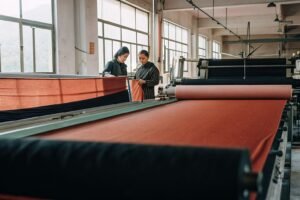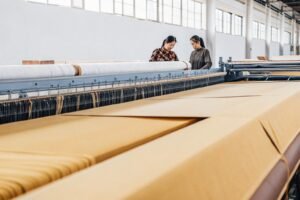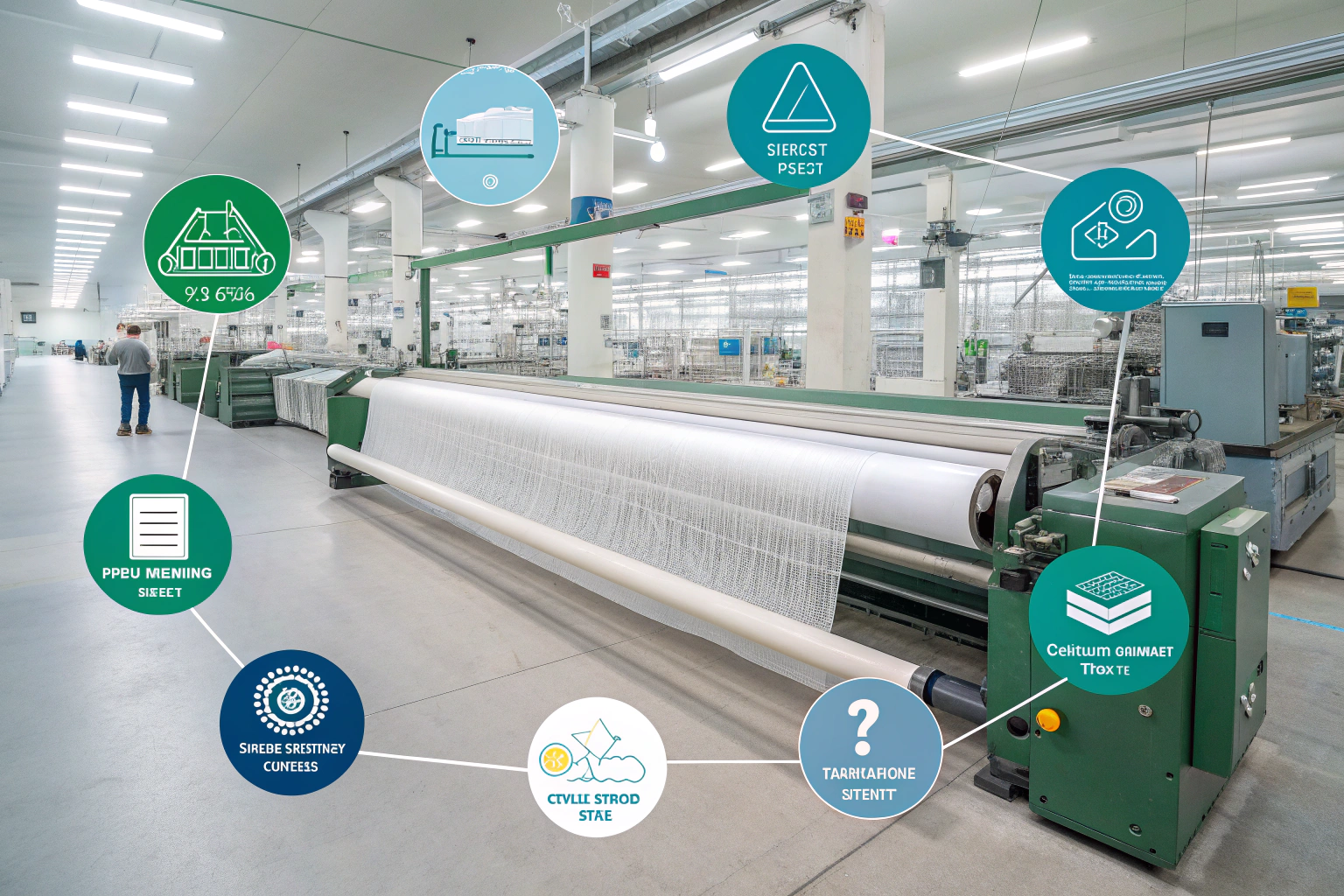
I’ve been in the textile business in Keqiao for over two decades, and if there’s one thing that keeps my international clients up at night, it’s not just getting a good price. It’s the fear of hidden risks. They’d ask, "Is this fabric really safe? Can you prove it’s free from harmful substances?" One of my European clients, back in 2022, almost faced a massive recall because their previous supplier couldn’t provide a full traceability report for their babywear line. The cost of that uncertainty is far greater than any fabric yardage. This brings us to a core question: in the world of certified manufacturing, why is tracking every fiber’s journey from source to shelf non-negotiable?
Simply put, material traceability is the backbone of any credible OEKO-TEX® certification. It’s not just a paperwork exercise; it’s a verifiable proof chain that ensures every component in your garment meets stringent human-ecological safety standards. Without a transparent and documented trail, a certification label is just an empty promise. At Shanghai Fumao, we treat traceability not as a cost but as our fundamental commitment. It’s what allows us to confidently serve brands targeting markets like the EU and North America, where compliance is strictly enforced.
Let’s pull back the curtain on what real traceability looks like on the factory floor and why it’s your strongest armor against compliance failures and brand damage.
What Exactly Is OEKO-TEX® Material Traceability?
Think of traceability like a passport for your fabric. Every batch of material gets a unique record that tracks its entire life: what it’s made of, where it came from, and every chemical or process it encountered. For an OEKO-TEX® STANDARD 100 or STeP certification, this isn’t optional. The system demands proof that all components, down to the sewing thread and prints, comply with their limit values for harmful substances.
Without this passport, you’re flying blind. I remember a specific case in early 2023 with a US-based activewear brand. They sourced a "certified" recycled polyester from another vendor, but the traceability documents were vague. When we conducted our own pre-production testing at our CNAS lab, we detected traces of unauthorized softening agents that migrated from a contaminated batch of recycled feedstock. Our traceability system helped pinpoint the origin. By switching to our fully documented GRS (Global Recycled Standard) certified recycled polyester supply, we eliminated the risk and secured their order. The brand avoided a potential season-ruining issue because we could prove the "what" and "where" of every material.
How Does Traceability Differ from a Standard Test Report?
A test report is a snapshot; traceability is the entire film reel. A standard lab test might show that a final fabric sample passed safety checks on a specific date. But what about the next batch? Traceability ensures consistency by linking that test result to a specific, controlled production chain. It answers critical questions: Was the same dye lot used? Was the yarn from the same supplier? At our partnered dyeing factory, we enforce batch-specific dye logs and chemical inventory tracking. This means if a problem is found, we don’t just reject a roll of fabric; we can identify and isolate the entire affected production batch, preventing defective materials from ever reaching our cutting floor. This level of control is what major brands like those we supply to—who operate at the level of ZARA or H&M’s tier-1 suppliers—require.
What Are the Practical Components of a Traceability System?
Implementing traceability isn’t magic; it’s built on disciplined documentation and technology. Here’s a breakdown of the key components we use at Shanghai Fumao:
| Component | What It Is | Real-World Example at Our Facility |
|---|---|---|
| Supplier Declarations (SDs) | Legally binding documents from each material supplier confirming compliance. | We require OEKO-TEX® or equivalent SDs for every greige fabric, yarn, and chemical we purchase. |
| Batch/Lot Numbering | A unique ID assigned to each batch of raw material and carried through production. | A roll of organic cotton fabric gets a lot number linked to the specific GOTS-certified cotton bale it came from. |
| Process Control Records | Detailed logs of all production steps, including dye recipes, machine parameters, and additive use. | Our dyeing partner’s records show exactly which dyestuffs (from an OEKO-TEX® approved list) were used on lot #ABC123. |
| Physical Identification | Labels, tags, or barcodes physically attached to materials throughout the workflow. | We use barcode tags on fabric rolls that are scanned at each stage—from warehouse to inspection. |
| Digital Tracking Platform | A centralized system to store and link all traceability data. | Our QC team can access the full history of a fabric lot via a digital dashboard, pulling up all associated documents in minutes. |
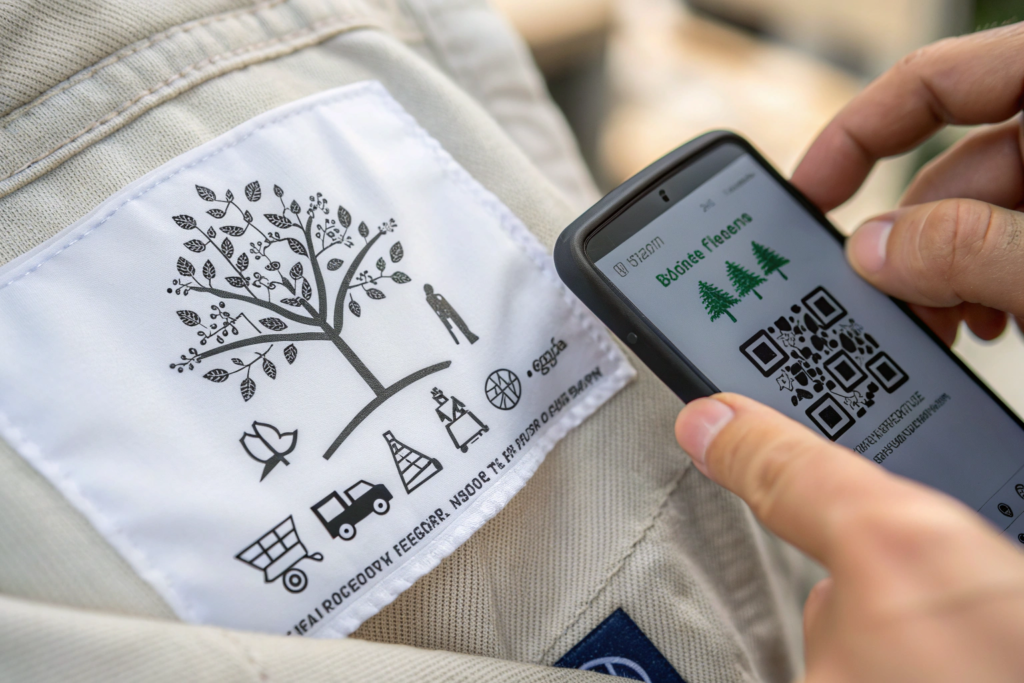
For instance, our investment in QR code tracking for fabric composition and testing wasn’t just for show. It directly supports this system. When you’re dealing with complex functional fabrics with moisture-wicking or UV-resistant finishes, you must trace not just the base cloth but also the specific chemical treatments applied. This granularity is what separates true compliance from a hopeful guess.
How Does Traceability Protect Your Brand from Legal and Financial Risks?
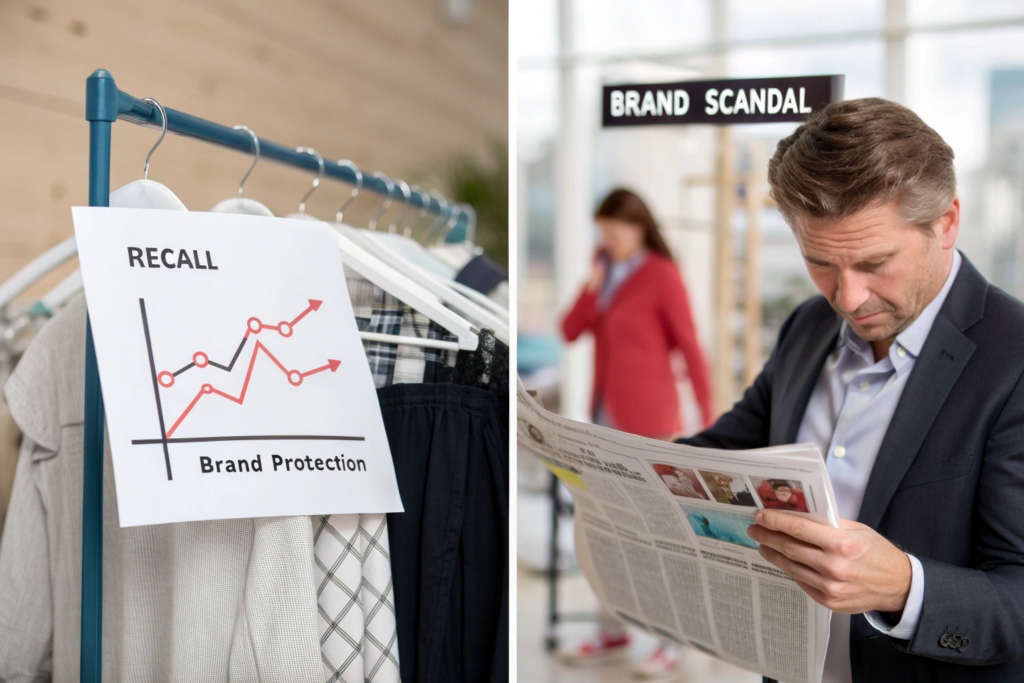
The fashion industry’s regulatory landscape is tightening like a drum. Laws like REACH in the EU and various state-level regulations in the US hold the brand ultimately responsible for what’s in their products. If a harmful substance is found, you face recalls, fines, and shattered consumer trust. Traceability is your evidence in court—it proves due diligence.
I have a client from Germany who manufactures children’s sleepwear. In late 2023, new restrictions on certain azo dyes were announced. Because we maintain full chemical inventory management aligned with the latest OEKO-TEX® Standard 100 Annex, we could instantly cross-reference our dye stock and production records. Within 48 hours, we provided them with a compliance report affirming that all their scheduled production for the next quarter was safe. They used this report with their retailers and regulators to maintain uninterrupted sales. Without traceability, proving this would have required costly and time-consuming re-testing of finished goods.
Can Traceability Help Avoid Costly Shipping and Customs Delays?
Absolutely. Customs authorities, especially in the EU and US, are increasingly demanding proof of compliance. A shipment lacking proper, verifiable documentation can be held, rejected, or destroyed. This turns your planned 30-day sailing schedule into a 90-day nightmare. Complete traceability packets, including detailed Mill Test Certificates (MTCs) and certificates of origin, streamline customs clearance. Our logistics team bundles these with every shipment. For one of our Russian clients importing technical outerwear fabrics, this meticulous documentation helped them clear Moscow customs 5 days faster than the industry average for similar goods last November. Their goods hit the local market faster, giving them a competitive edge during the peak winter sales period.
What’s the Financial Impact of a Non-Traceable Supply Chain?
Let’s break down the potential costs of a failure without traceability versus the investment in a traceable system:
- Recall Costs: Logistics, reverse shipping, destruction, and customer refunds.
- Regulatory Fines: Can reach hundreds of thousands of dollars or euros.
- Brand Equity Damage: Lost sales and costly marketing campaigns to rebuild trust. This is often the most devastating.
- Legal Fees: Defending against lawsuits or regulatory actions.
- Lost Business: Future contracts with risk-averse retailers vanish.
In contrast, the cost of implementing traceability is primarily upfront in system setup and ongoing documentation discipline. For us, it’s part of our end-to-end quality control promise. It’s an insurance policy that pays for itself by preventing disasters. It also makes you a more attractive partner. When Shanghai Fumao undergoes a brand audit for a potential partnership, our traceability system is a key asset that accelerates their approval process.
What Are the Common Gaps in Fabric Traceability Systems?
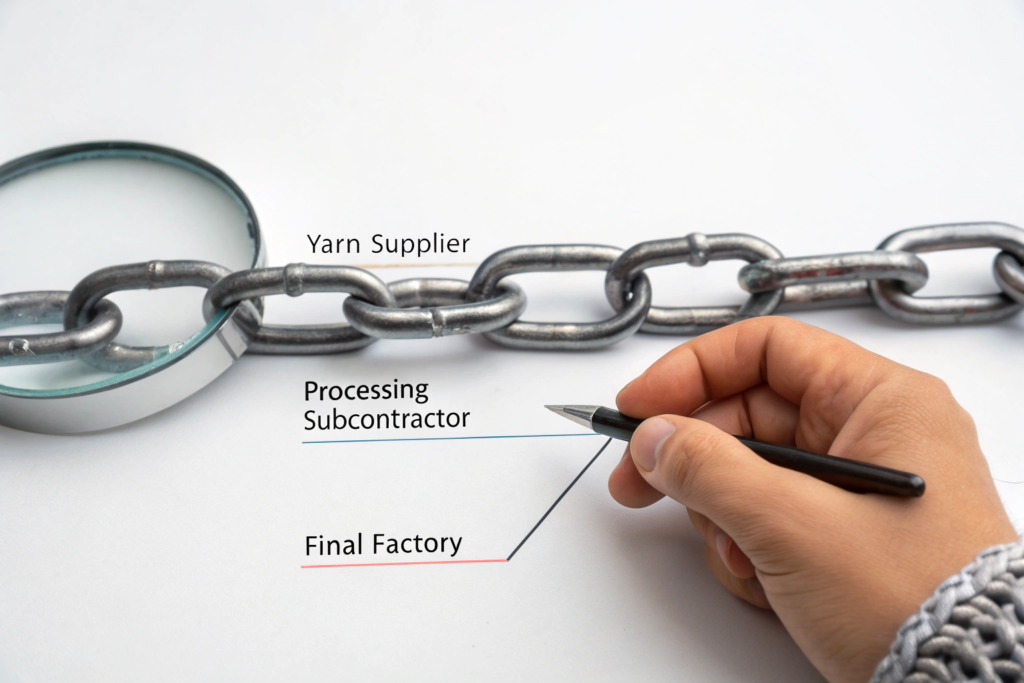
Many suppliers claim traceability, but the reality often has holes you could drive a truck through. The most common gaps occur at transition points: between the yarn spinner and the weaver, or between the dyer and the finisher. If these handoffs aren’t documented, the chain is broken.
We learned this the hard way early on. A few years ago, we sourced a beautiful linen blend from a small mill. They provided a test report, but their lot tracking was informal. During a routine check for a UK client, we found colorfastness variations between different rolls supposedly from the same batch. The mill couldn’t tell us if the dyeing was done in one vat or two, or if the linen fiber origin was consistent. We had to absorb the cost of the fabric and expedite a new, fully traceable production run. Since then, we’ve vertically integrated key processes and only work with partners who share our documentation ethos. For example, our cooperative dyeing factory uses the same digital tracking platform we do, so there’s no data black hole when the fabric leaves our weaving facility.
How Can You Verify a Supplier’s Traceability Claims?
Don’t just take their word for it. Ask for evidence. Here are concrete steps:
- Request a Traceability Flowchart: Ask them to diagram their process and identify where data is recorded. A credible supplier like us can show this instantly.
- Ask for a Batch-Specific Document Pack: Request all documents (SDs, test reports, process records) for a specific finished fabric lot number from a past order. See if they can produce them quickly and if the data links up.
- Audit Their Testing Protocols: Do they have in-house lab capability, like our CNAS-accredited testing center, or do they rely entirely on external reports? How often do they test?
- Check Certification Scope: Is their OEKO-TEX® certification for the company or specific products? Ask for the certificate number and verify it on the OEKO-TEX® website. A guide on how to verify authentic OEKO-TEX® supplier certificates is a useful resource for any importer.
Why Do Blends and Functional Fabrics Pose a Higher Traceability Challenge?
A 100% cotton fabric has one input to track. A fabric with 60% recycled polyester, 35% organic cotton, and 5% spandex, treated with a durable water repellent (DWR) finish, has multiple inputs and processes. Each fiber source needs its own recycled content certificate (e.g., GRS) or organic certificate (e.g., GOTS). The DWR chemistry needs its own safety data sheet and proof of compliance. We manage this complexity by creating a "dossier" for each custom development. For a recent project with a Swedish sportswear brand, the dossier for their antibacterial and moisture-wicking polyester fabric was over 50 pages long, covering every single component. It’s detailed work, but it’s the only way to guarantee the performance and safety they paid for.
How Can Smart Planning Use Traceability to Optimize Production Timelines?
Here’s an insider tip: Traceability isn’t just for risk mitigation; it’s a powerful tool for scheduling efficiency. Knowing exactly where your materials are in the pipeline allows for precise planning, especially around China’s peak production and holiday periods.
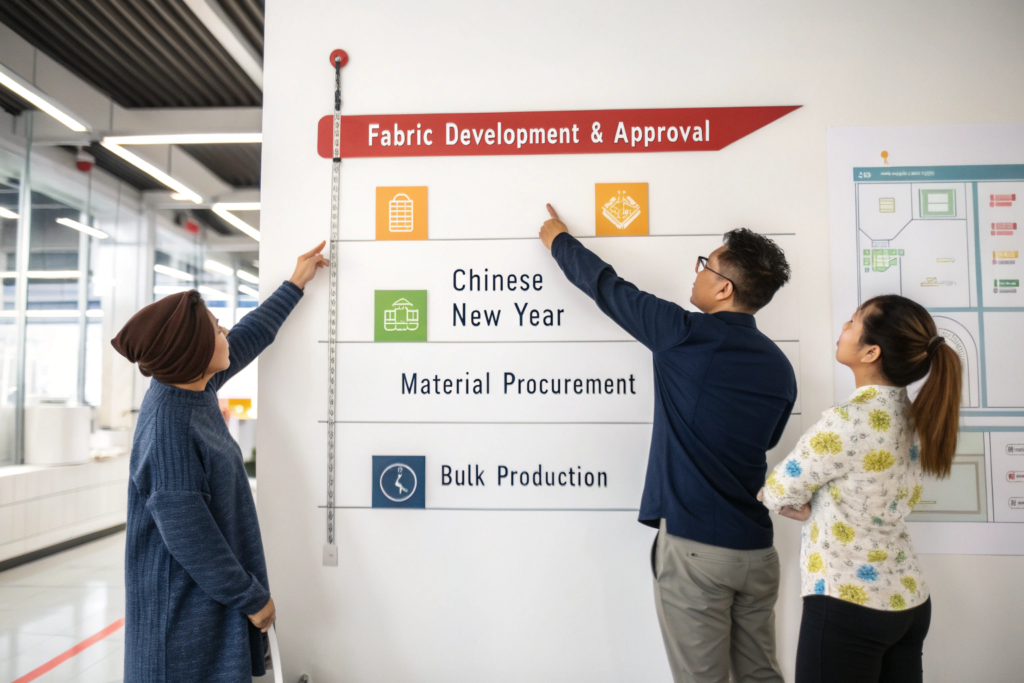
Let me give you a real example. A European fast-fashion brand we work with plans their entire cycle around Chinese New Year. They complete their fabric development and approval with us at least 6 weeks before the holiday. Because our traceability system gives them real-time visibility into the yarn procurement and greige fabric production status, they have absolute confidence in the timeline. The moment factories reopen, production starts immediately with pre-approved, traceable materials—no waiting for new samples or verification. This planning, powered by transparency, effectively neutralizes the 3-4 week holiday shutdown as a bottleneck for them.
How Does Traceability Facilitate Faster Sampling and Development?
Speed is money. When you have a library of pre-certified, fully traced materials, development accelerates. At Shanghai Fumao, our 40,000+ seasonal stock designs are backed by traceability data. When a client asks for a swatch of a specific organic cotton twill, we can send the physical sample and its preliminary compliance file simultaneously. This means their own QC team can start reviewing documentation while evaluating the hand-feel. In March of last year, for an Australian startup launching a sustainable jeans line, this approach cut their fabric sourcing and approval process for small brands from the typical 5 weeks down to 18 days, getting them to market for a key summer promotion.
Can Traceability Data Help with Inventory and Logistics Management?
Yes, it creates a feedback loop that improves overall operations. Our traceability data feeds into our inventory management system. We know not just how much of a fabric we have, but which specific compliant batches are available. This allows for smarter allocation of materials to urgent orders. Furthermore, by tracking material flow, we identify bottlenecks. For instance, data showed that coating processes were taking longer than estimated during the humid June-July period. We adjusted our scheduling buffers and client communications accordingly, setting more realistic expectations and improving on-time delivery rates by 15% during that slower, yet tricky, season. For insights on managing textile inventory with ERP systems, many small manufacturers find detailed forums discussions helpful.
Conclusion
In today’s market, selling a garment is also selling trust. Material traceability within an OEKO-TEX® framework is the technological and procedural foundation of that trust. It transforms "I think it’s safe" into "I can prove it’s safe." It turns regulatory compliance from a scary unknown into a managed, documented process. It protects your brand’s finances and reputation while, surprisingly, becoming a lever for faster, more reliable production.
As we’ve seen through real cases—from preventing recalls for activewear to enabling faster customs clearance for outerwear—the investment in a transparent supply chain pays dividends far beyond avoiding disasters. It builds the resilient, responsive partnership you need to compete.
If you’re tired of vague promises and want to build your next collection on a foundation of verifiable safety and efficiency, let’s talk. At Shanghai Fumao, we’ve woven traceability into the very fabric of our operations. Reach out to our Business Director, Elaine, to discuss how we can bring full transparency and reliability to your garment production. She can provide tailored insights for your specific product needs. You can contact her directly at elaine@fumaoclothing.com. Let’s co-create value you can trace, trust, and take to the bank.