
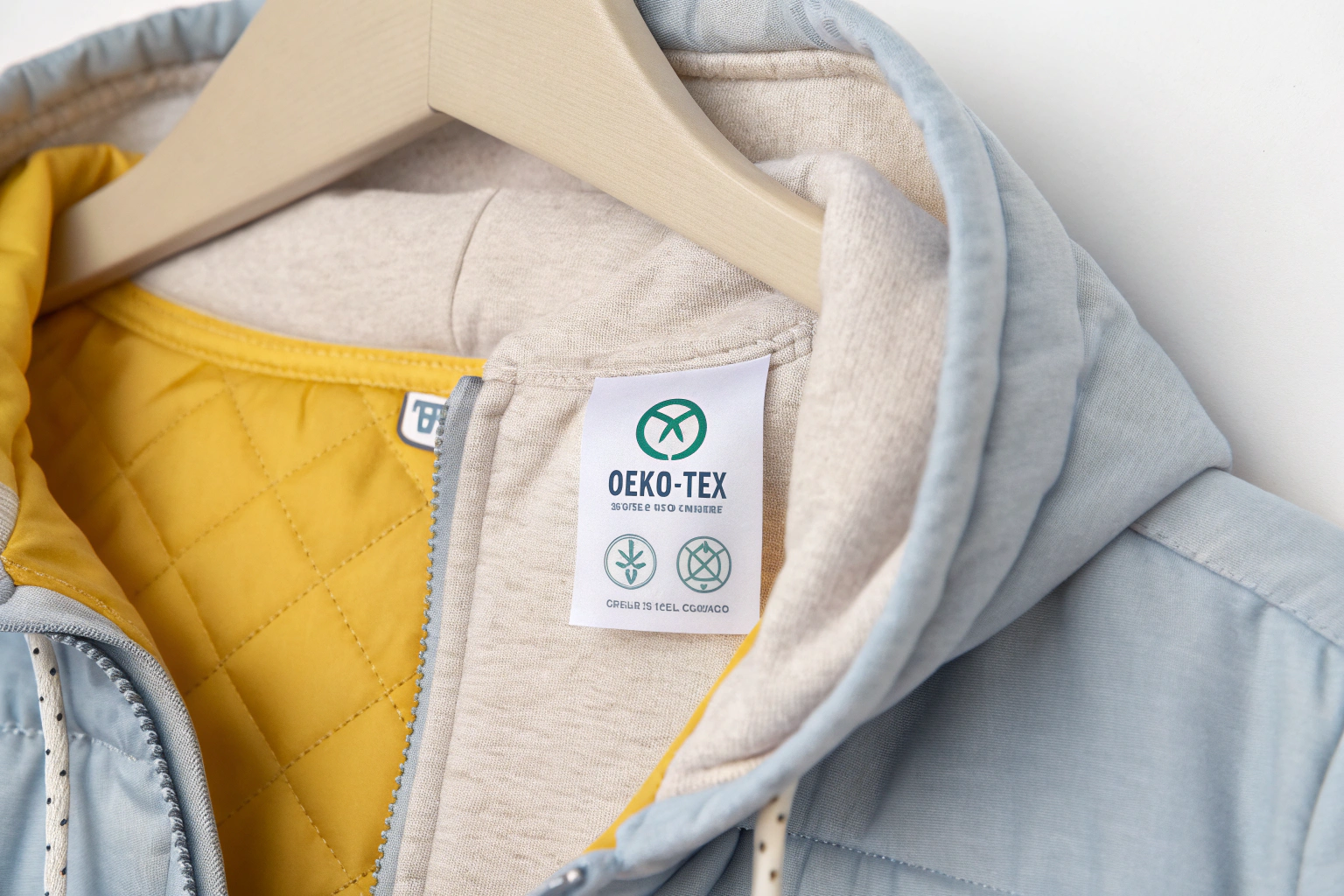
You’re launching a new apparel line. You’ve nailed the design, the fit, the marketing angle. But in the back of your mind, a question lingers: “Can I stand behind the safety of every garment?” In today’s market, safety isn’t just about durability or fit; it’s about the invisible chemistry of the fabric itself. Are there hidden allergens, irritants, or toxic substances that could harm your customer and your brand’s reputation? This is the precise void that OEKO-TEX certification fills, and at Fumao Clothing, we don’t just obtain this certification—we engineer our entire production process around its rigorous standards to deliver verifiable, end-to-end safety.
OEKO-TEX certification ensures garment safety by providing a scientifically rigorous, independent verification that a textile product is free from harmful levels of over 100 regulated substances, from heavy metals and pesticides to allergenic dyes and formaldehyde. But here’s the critical distinction: it’s a system built on product classes that match human exposure. For garments, this typically means Class II (for direct, prolonged skin contact) or Class I (for babies). This classification tailors safety limits to real-world use, making the certification relevant and robust. It’s a preventative shield, not a reactive test.
For too many brands, “certified” is a word they find on a supplier’s website. The reality is more complex. A certificate can be out-of-date, for the wrong product class, or not cover all components. True safety assurance comes from a supplier who treats the certification as a living system. This is our philosophy at Shanghai Fumao. Our OEKO-TEX certification is the result of a deeply integrated control model that starts at the chemical inventory and ends with a digital passport for your fabric. We once worked with a Scandinavian brand that had received “certified” fabric from another source, but their finished garments failed a retailer’s spot-check for phthalates. The issue? The certification didn’t cover the specific plasticizer in the print paste used. Our process is designed to eliminate such blind spots, ensuring the safety promise on the certificate is embedded in the product you receive.
What Does the OEKO-TEX Certification Process Actually Test?
The OEKO-TEX Standard 100 isn’t a single test; it’s a comprehensive battery of analyses designed to simulate the various ways a garment interacts with the human body over its lifecycle. Think of it as a full medical screening for fabric. The tests are categorized based on the potential risk pathways: skin contact, inhalation, and even ingestion (for babies). The standards are updated annually by an international consortium of research institutes, ensuring they reflect the latest scientific and regulatory knowledge.
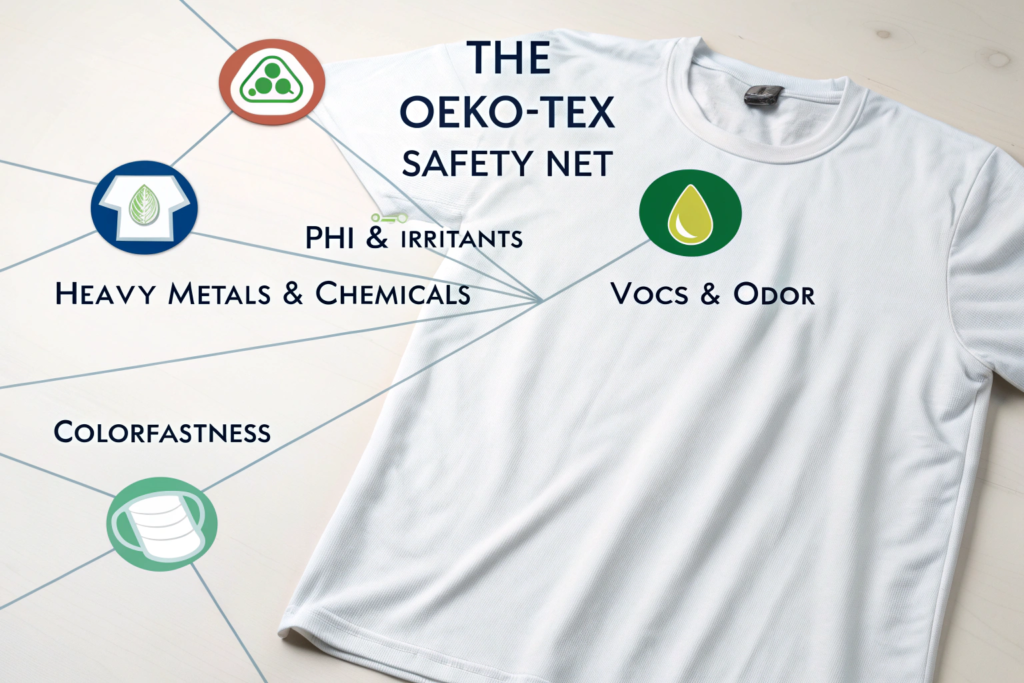
The core tested parameters form a multi-layered safety net:
- Illegal Substances: Such as banned carcinogenic colorants (e.g., certain azo dyes).
- Legally Regulated Substances: Including formaldehyde, pentachlorophenol, and cadmium, with limits stricter than many national laws.
- Chemicals Harmful to Health (but not always regulated): This is where OEKO-TEX excels, proactively limiting substances like allergenic disperse dyes, heavy metals (lead, antimony), and volatile compounds that cause odors.
- Parameters for Health Care: Including skin-friendly pH values and strong colorfastness to perspiration, saliva, and water to prevent dye transfer.
How Are Substance Limits Set and Why Do They Vary by Product Class?
This is the genius of the OEKO-TEX system. It recognizes that a baby’s onesie, an adult’s athletic shirt, and a decorative curtain pose vastly different exposure risks. The limits are not arbitrary; they are based on toxicological models and exposure scenarios. Class I (for babies) has the strictest limits, acknowledging thinner skin, higher absorption rates, and mouthing behavior. Class II (for direct skin contact apparel) has stringent but commercially attainable limits for adult skin. Class III (for indirect contact like linings) and Class IV (for decoration) have progressively higher limits.
Let’s take formaldehyde as a concrete example. It’s used in some finishes for anti-wrinkle or easy-care properties but is a potent skin sensitizer.
- Class I (Babywear): Limit: 16 mg/kg – Extremely strict to prevent any risk of dermatitis.
- Class II (Adult Apparel): Limit: 75 mg/kg – Strict enough to prevent irritation in prolonged contact.
- Class IV (Decoration): Limit: 300 mg/kg – Recognizing minimal skin contact.
At Fumao, when you order fabric for a dress, we default to Class II compliance. This means our entire chemical sourcing and finishing process is calibrated to hit that 75 mg/kg target or lower. We proactively select low-formaldehyde or formaldehyde-free cross-linkers. This class-specific approach ensures the safety standard is perfectly matched to your garment’s end use, a principle explained in resources like the OEKO-TEX Association’s guide to product classes, but executed daily on our production floor.
Why is Testing for Allergenic Disperse Dyes Critical for Activewear and Intimate Apparel?
This is a prime example of OEKO-TEX’s preventative, beyond-compliance approach. Allergenic disperse dyes are a group of synthetic dyes mainly used for polyester and other synthetics. Some individuals can develop severe allergic contact dermatitis to these dyes, a reaction often exacerbated by heat, moisture, and friction—conditions perfectly described by sportswear or intimate apparel.
While not universally banned by law, OEKO-TEX Standard 100 prohibits a defined list of over 20 of these problematic dyes in all product classes. For a brand producing polyester-based activewear, this part of the certification is a direct risk mitigator. We ensure that every batch of our performance polyester is dyed with compliant colorants. This wasn’t just theoretical for us; a client in the cycling apparel space switched to us after a small batch of their previous supplier’s fabric caused customer complaints of rashes. Our OEKO-TEX Class II certified fabric, with its guaranteed absence of these allergenic dyes, resolved the issue entirely. This focus on avoiding textile allergens in synthetic fabrics is a key part of the safety we build in.
How Does Fumao’s Integrated Control Model Go Beyond a Paper Certificate?
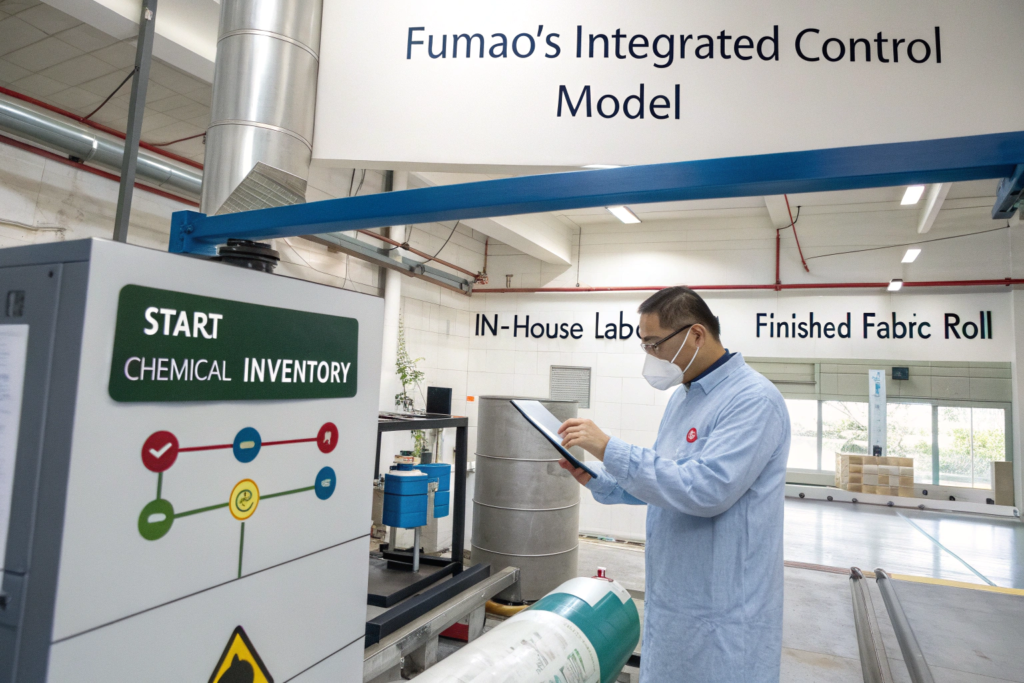
For many factories, OEKO-TEX is an endpoint—a sample is sent to a lab, and a certificate is received. At Fumao, it’s the starting point of a controlled, documented workflow. Our certification is not an isolated event; it’s the output of a vertically-aware quality management system. We control safety by controlling the inputs and processes long before the official test sample is ever cut.
Our model is built on three pillars:
- Pre-Approved Chemical Management: We source dyes and auxiliaries only from certified, OEKO-TEX compliant chemical suppliers. Every chemical entering our partner dye houses has a technical data sheet (TDS) and safety data sheet (SDS) that we vet against our restricted substance list (RSL), which is based on but often stricter than the OEKO-TEX standard.
- In-House CNAS-Accredited Laboratory: This is our strategic advantage. We conduct “pre-compliance” testing at critical stages: on raw yarns, after dyeing, and after finishing. We can check for pH, formaldehyde content, and colorfastness in-house within hours, allowing for real-time process adjustments.
- Digital Traceability: Every meter of certified fabric is linked to a digital dossier accessible via QR code, containing the official certificate, detailed test reports, and production batch data.
How Does In-Process Testing Prevent Bulk Non-Conformance?
The traditional model is risky: produce 10,000 meters of fabric, then send a small sample to an external lab, and wait 2-3 weeks for results. If it fails, you have a massive, potentially unsellable batch. Our in-process testing flips this. During the dyeing of a batch of organic cotton jersey for a US t-shirt brand, our lab ran a spot-check on the first lot. The pH reading was slightly alkaline. Instead of proceeding, we immediately instructed the dyeing master to adjust the rinsing cycle. An hour later, a re-test confirmed a perfect, skin-neutral pH. The bulk production then continued with confidence.
This proactive intervention saved weeks of potential delay and costly rework. The final official OEKO-TEX sample, submitted later, passed seamlessly. This approach transforms certification from a gamble into a guaranteed outcome. It’s how we maintain a 98% first-pass rate on external certifications. For brands, this means reliability and no nasty surprises. Understanding the importance of pH balance in textiles for skin health is key, and we control it relentlessly.
What is the Role of the Digital Product Passport in Ongoing Safety Assurance?
A paper certificate is static. A product’s safety story should be dynamic and accessible. Our QR code system embeds the certification into the physical fabric roll. When scanned by you or your garment factory, it doesn’t just show a PDF; it pulls up a live digital profile.
This profile includes:
- The valid OEKO-TEX certificate with ID number and test institute.
- Detailed internal test reports (colorfastness, shrinkage, etc.).
- Composition and care instructions.
- Batch-specific production details.
This becomes invaluable for due diligence. Imagine a retailer asks for proof of compliance for a specific shipment. Instead of digging through emails, you scan the roll tag in your warehouse and instantly share the verified data. For a German children’s wear client, this feature streamlined their internal audit process, saving dozens of administrative hours per season. This move towards digital transparency in the textile supply chain is the future, and our fabrics are already equipped for it.
What Are the Common Gaps in OEKO-TEX Compliance That Fumao Closes?
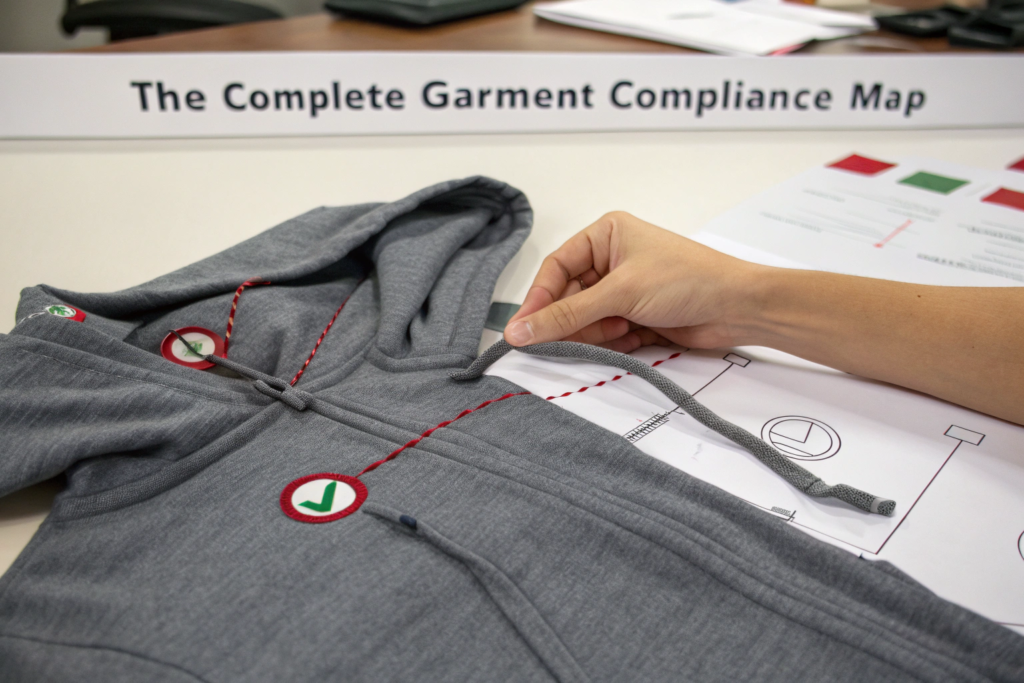
Having a certificate for the “fabric” is not enough to guarantee a “garment” is certified. The most common—and dangerous—gaps occur at the intersections of the supply chain: the components and the final manufacturing steps. OEKO-TEX Standard 100 certifies the final, ready-to-sell article. This means every constituent part must be compliant.
The critical, often overlooked components include:
- Sewing Thread: Often polyester or cotton, it must be dyed with compliant dyes.
- Elastics & Trims: These can contain phthalates (plasticizers) or heavy metals.
- Labels & Prints: Ink used for care labels or decorative prints must be tested.
- Interlinings & Padding: In jackets or structured garments.
If any of these are non-compliant, the entire garment fails the certification standard, even if the main fabric is perfectly certified.
How Does Fumao Manage Certified Trims and Component Sourcing?
We close this gap by operating as a solutions provider, not just a fabric seller. For our key fabric articles, we have established partnerships with thread manufacturers, elastic weavers, and label producers who also hold valid OEKO-TEX certifications for their products. We maintain a library of their certificates.
When you order a certified fabric from us for a specific end-use, we can provide a compliant component package or direct you to the certified suppliers. For instance, for a client producing OEKO-TEX Class I certified baby sleepwear, we supplied the organic cotton interlock fabric and connected them with a source for certified sewing thread and nickel-free snap buttons, providing a dossier of all supporting certificates. This holistic approach ensures the brand’s final garment can legitimately carry the OEKO-TEX label. It turns a complex sourcing puzzle into a streamlined, one-stop solution.
How Does the Licensing Process Work, and How Do We Support It?
This is a final, crucial step. The OEKO-TEX certificate is held by the producer (e.g., Fumao for the fabric). For your brand to legally attach the OEKO-TEX label to your garment hangtag, you must become an official licensee. The process is straightforward but mandatory.
Here’s how we support you:
- We provide you with our official supplier certificate number and a “Declaration of Conformity” for the specific fabric lot you purchased.
- We guide you to the online portal of the issuing institute (e.g., TESTEX).
- You apply for a license, declaring the final product types that will use our certified material.
- Upon approval and payment of an annual fee, you receive your unique licensee number and the official label artwork.
We’ve templated this process for clients, making it quick and hassle-free. A UK sustainable brand completed this process in under 48 hours with our guidance, allowing them to confidently market their new line with the trusted OEKO-TEX mark. It’s the final piece of the puzzle that we help you put in place.
Conclusion
OEKO-TEX certification ensures garment safety by providing a science-backed, exposure-based, and independently verified framework that substances harmful to human health are absent. However, the true assurance comes not from the certificate itself, but from the depth and integrity of the supplier’s processes behind it. It’s the difference between having a safety inspection report and building a house with safety as the foundational code.
At Fumao Clothing, we build safety in from the ground up. Through pre-approved chemical sourcing, in-process laboratory control, digital traceability, and holistic component management, we transform the OEKO-TEX standard from a passive certificate into an active, living guarantee. This integrated model is designed to give brand owners something invaluable: absolute confidence in the fundamental safety of their products, and the evidence to prove it to retailers and consumers alike.
Don’t let fabric safety be a hidden variable in your supply chain. Partner with a supplier whose operational DNA is aligned with verifiable safety standards. Let Shanghai Fumao be your foundation for secure, certified, and high-quality textiles. To discuss how our OEKO-TEX certified fabrics and integrated support can safeguard your next collection, contact our Business Director, Elaine. Reach her at: elaine@fumaoclothing.com. Build your brand on a foundation of trust, not just hope.








