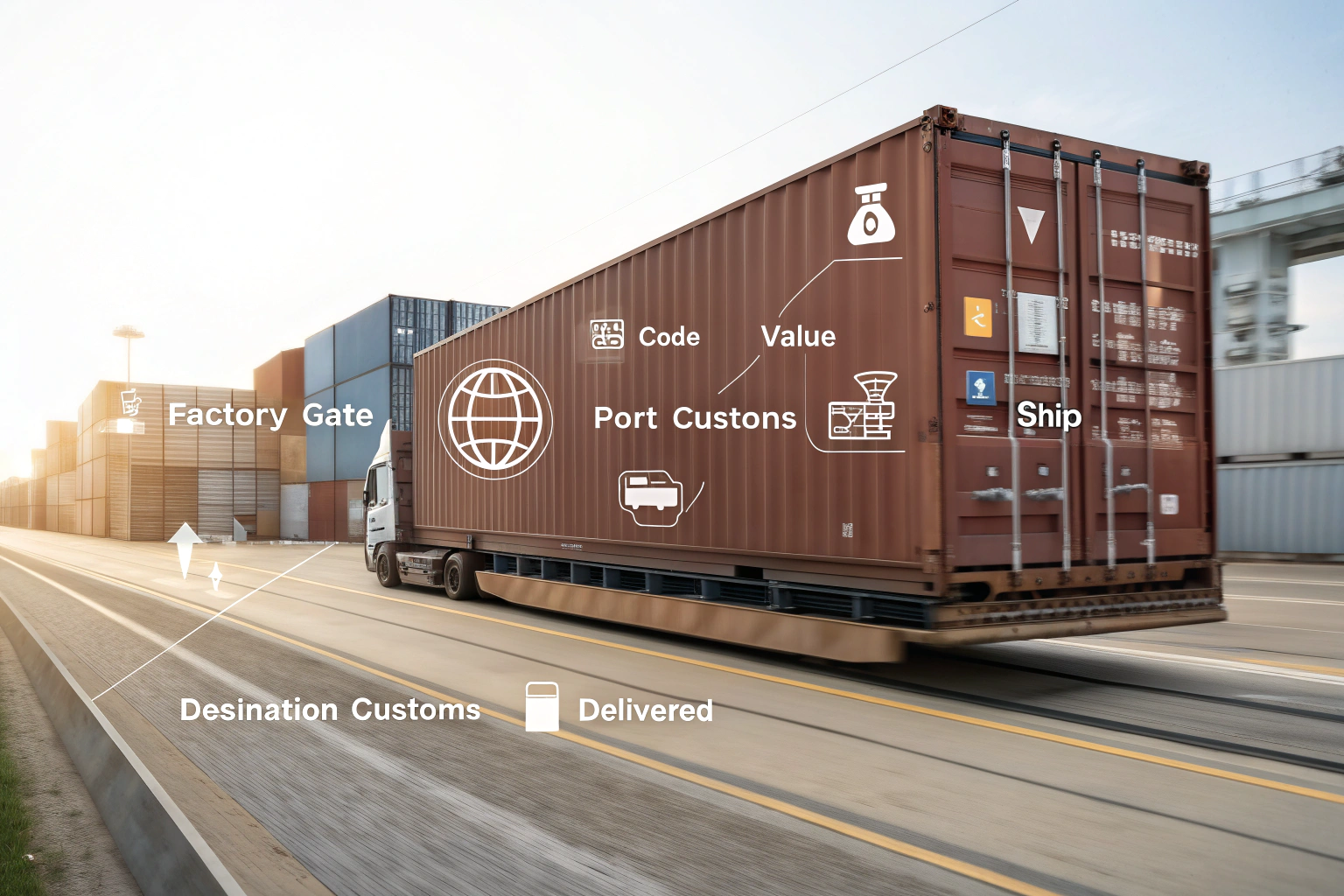
You’ve managed the production timeline perfectly, your goods are packed and ready—then your shipment gets stuck at customs for two weeks over a paperwork dispute. Suddenly, your carefully planned launch is in jeopardy, and daily demurrage fees are piling up. Shipping delays are the nightmare of every importer, but many don’t realize that a significant portion of these holdups originate from documentation errors, not logistical issues. A Transaction Certificate (TC) is far more than a quality confirmation; it’s a pre-emptive strike against the bureaucratic and administrative tangles that cause costly delays.
A Transaction Certificate prevents shipping delays by serving as the single, authoritative source of truth that aligns all other shipping and customs documents. It provides precise, legally-binding product descriptions that support accurate HS code classification, validates the declared value for customs, and creates a seamless audit trail that satisfies the requirements of freight forwarders, banks, and customs authorities simultaneously. By eliminating ambiguity and discrepancies between documents, the TC ensures your shipment moves through checkpoints without unnecessary stops for clarification or inspection.
Think of a shipment as a traveler passing through multiple international borders. The TC is their verified passport and comprehensive visa package—all documents are consistent, accurate, and pre-approved. Without it, the traveler gets pulled aside for questioning at every stop. In the high-stakes journey of a container from China to your warehouse, the TC is the document that keeps everything and everyone—from the factory floor to the customs officer—on the same exact page. Let’s examine how this works at each critical choke point.
How Does the TC Streamline the Customs Clearance Process?
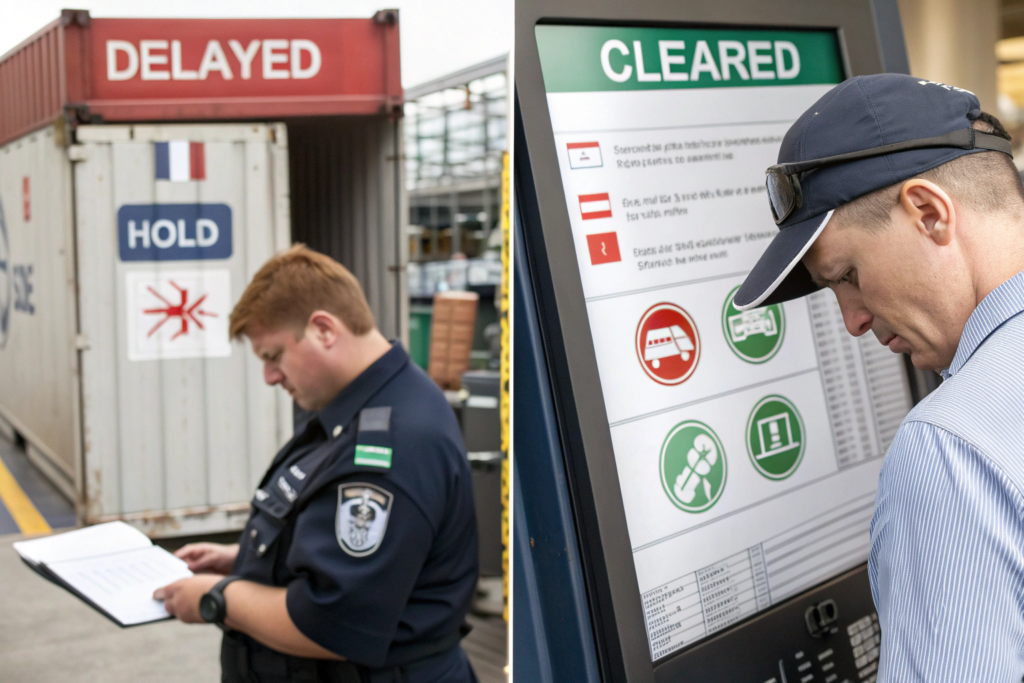
Customs clearance is the single greatest point of potential delay in international shipping. Authorities need to quickly assess three things: What is it? What is it worth? Is it compliant? Ambiguity in any of these answers triggers a manual review, inspection, or request for more information—processes that can take days or weeks.
The Transaction Certificate directly answers these questions with authority. For the question "What is it?", a packing list might say "Men’s Knit Sweaters," and a commercial invoice might say "100% Cotton Sweaters." Customs might classify this under a general apparel code. However, a detailed TC specifies: "Men’s 100% Extra-Long Staple Combed Cotton, 2-Ply 30 Ne, Jersey Knit Sweaters, 210 GSM." This precise description allows customs to confidently apply the correct, often more specific, Harmonized System (HS) code for knitted cotton apparel. Applying the correct code the first time prevents re-classification delays and potential duty disagreements.
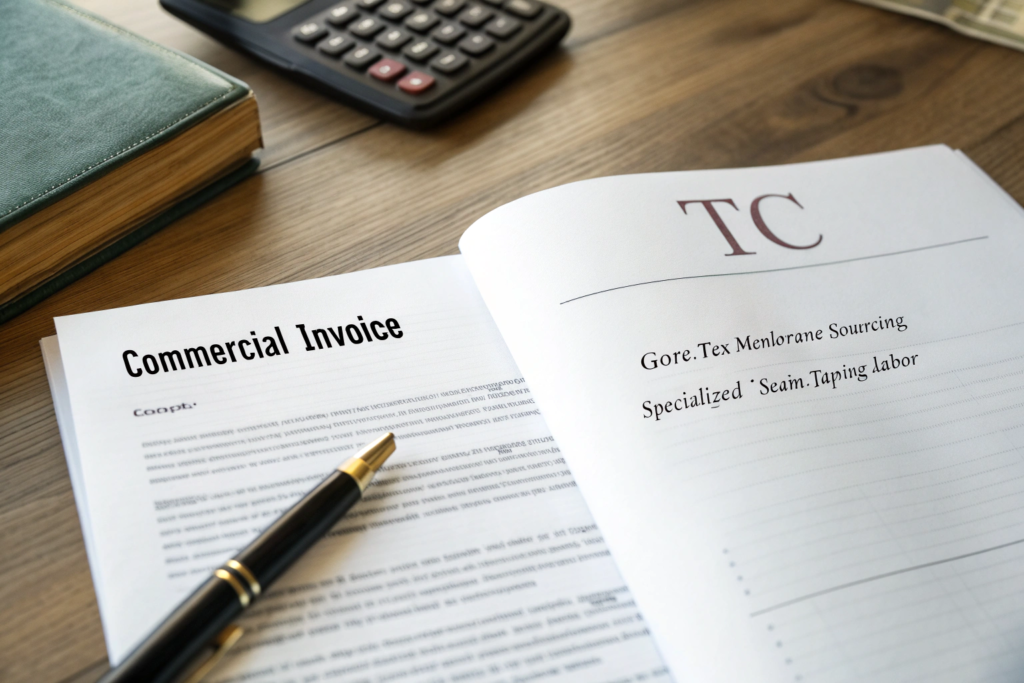
For the question "What is it worth?", the declared value on the commercial invoice must be justified. The TC, as a binding sales contract, provides that justification. It formally states the agreed transaction value. If customs suspects under-valuation (a common reason for holds), they will demand proof. The signed TC is the primary piece of evidence to defend the declared value, preventing a lengthy valuation dispute. We had a client shipping high-end technical outerwear to Canada where the declared value was questioned due to the premium price point. Our TC, which itemized the cost drivers like Gore-Tex membrane sourcing and specialized seam-taping labor, was submitted and the shipment was released within hours instead of being held for days.
How does the TC prevent "document mismatch" delays?
A major delay trigger is when details differ across documents. The invoice weight might not match the packing list; the product description on the Bill of Lading (B/L) might be a generic shorthand. Freight forwarders and banks under Letters of Credit (LC) will flag these mismatches. The TC acts as the master reference. At Shanghai Fumao, our documentation team generates the commercial invoice, packing list, and B/L draft directly from the data in the approved TC. This ensures 100% consistency across all documents. For LC shipments, this systematic approach is why we maintain a 99.9% first-presentation acceptance rate with banks, avoiding the 5-10 day payment and negotiation delays that discrepancies cause.
Can a TC expedite customs for restricted or certified goods?
Absolutely. For goods requiring special certifications—like organic cotton (GOTS), recycled materials (GRS), or safety standards (CPSC)—the TC doesn’t just claim compliance; it provides the certification numbers and links the physical shipment to them. Customs officials can quickly verify this data. For example, shipping Oeko-Tex Certified babywear to the EU, the TC includes the Oeko-Tex license number and product class. This pre-emptively answers compliance questions, allowing for green-lane clearance. Without the TC, these certificates might be separate, unlinked documents, raising doubts about whether they apply to this specific shipment.
How Does the TC Interface with Logistics Partners to Prevent Holdups?
Before goods even reach customs, they must move through a chain of logistics providers: truckers, warehouse operators, freight forwarders, and shipping lines. Each handoff requires clear information to prevent physical and administrative bottlenecks.
The TC provides the definitive shipping instructions. A detailed packing list within the TC tells the warehouse exactly how to label, weigh, and stack cartons. It tells the trucker the exact dimensions and weight for road freight compliance. Most importantly, it gives the freight forwarder the exact data they need to book the correct container size and issue an accurate Bill of Lading. An error here—like a wrong weight leading to an incorrectly booked container—can cause a last-minute scramble, missed vessel cut-off times, and a week-long delay waiting for the next sailing.
Furthermore, the TC governs the Incoterms. A clear TC stating "DDP (Delivered Duty Paid) to Warehouse, Frankfurt" leaves no room for misunderstanding about who is responsible for what costs and actions at each stage. This prevents disputes between your agent and the forwarder that can cause operational pauses. We once resolved a two-day standoff at the Shanghai port where a forwarder refused to load a container because the shipper (a trading company) and the buyer disputed who paid the local handling fee. Our TCs used in a direct factory-to-client model explicitly list all cost responsibilities, preventing such "who pays?" delays entirely.
How does the TC prevent pre-shipment inspection delays?
Many buyers hire third-party inspectors (like SGS or Bureau Veritas) for pre-shipment quality checks. The inspector needs a definitive standard against which to check the goods. The TC provides this by referencing the approved tech pack, lab dips, and approved bulk sample. Without a TC, the inspector’s mandate can be vague, leading to back-and-forth queries and delayed inspection reports. With a clear TC, the inspection is streamlined. The report either confirms or denies compliance with the TC’s specifications, allowing for a swift go/no-go decision for shipment. This process is critical for managing on-time delivery metrics for apparel production.
Can a TC help if cargo is transshipped or inspected en route?
Yes. If cargo is selected for a random security inspection at a transshipment port (like Singapore or Rotterdam), authorities review the shipping documents. A complete, consistent set of documents anchored by a professional TC makes their job easy and signals a low-risk shipment. In contrast, sloppy or inconsistent paperwork can make the cargo appear higher risk, justifying a more thorough—and time-consuming—physical inspection. The TC, as the core commercial document, contributes to the shipment’s "clean" profile.
How Does the TC Mitigate Financial and Banking Delays?
Financial document discrepancies are a leading cause of shipment delays, especially when shipments are held pending payment or when Letters of Credit are involved. The TC is central to a smooth financial workflow.
Under standard payment terms (e.g., 70% deposit, 30% against copy of shipping documents), the buyer releases the balance upon reviewing the documents. If the documents are unclear or don’t match the purchase order, the buyer rightly hesitates, delaying payment and sometimes the forwarder’s release of the cargo. The TC, which integrates the PO terms, provides the confidence needed for swift payment approval. It clearly shows that what was ordered is what was shipped.
For Letter of Credit (LC) transactions, the stakes are higher. Banks perform a meticulous "documentary check." Any discrepancy between the LC terms and the presented documents allows the bank to refuse payment. The TC, created with the LC terms in mind, ensures alignment. As the foundational commercial document, it guarantees the data that flows into the invoice, packing list, and certificates is LC-compliant. Our finance team at Shanghai Fumao cross-references every TC against active LC requirements before any production is finalized, a proactive step that has virtually eliminated documentary rejections for our clients and saved an average of 7-10 banking days per transaction.

How does the TC prevent delays related to insurance claims?
If goods are damaged in transit, a swift insurance claim is needed to recover losses and fund replacement production. The insurance company requires proof of the goods’ value and condition at shipment. The TC provides the definitive value. A clean Bill of Lading (stating goods were received in good order) is also required. The TC supports this by proving the goods met a quality standard before leaving the factory, making it harder for a carrier to claim damage was pre-existing. Faster claim settlement means faster re-order and recovery, minimizing overall timeline disruption. Understanding the process for filing marine cargo insurance claims is easier with a solid TC in hand.
Can the TC help with VAT/GST reclaims, indirectly preventing cash flow delays?
While not directly preventing a physical shipping delay, slow VAT reclaims hurt your cash flow, impacting your ability to fund future orders on time. For imports into regions like the EU, the customs import entry (which lists the paid VAT) is key for reclaim. This entry is based on the commercial declaration, which is supported by the TC. Accurate, detailed documentation from the start ensures the VAT amount is correctly recorded and easily reclaimable, improving your financial agility. Inaccurate declarations lead to queries and delays from tax authorities, tying up capital.
What Are the Practical Steps to Use a TC for Delay Prevention?
To leverage a Transaction Certificate as a delay-prevention tool, you must integrate it actively into your sourcing workflow, not just receive it passively at the end.
Step 1: Draft the TC Early, Before Production. The TC should be drafted and agreed upon after sample approval but before bulk production begins. This makes it a governing document for production, not just a post-production record. It should list all critical details: final specifications, approved colors (via Pantone or lab dip numbers), quality standards (AQL level), packaging instructions, and Incoterms. This is your chance to lock in every variable.
Step 2: Use the TC as the Master Data Source. Instruct your supplier that ALL other shipping documents (Commercial Invoice, Packing List, B/L draft, Certificate of Origin application) must be generated using the data from the finalized TC. This is the golden rule to prevent internal discrepancies at the supplier’s end.
Step 3: Tie Key Milestones to the TC. Make the issuance of the TC a contractual milestone. For example: "Balance payment of 30% is due within 5 days of receipt of the signed Transaction Certificate and copy of the Bill of Lading." This ensures you get the critical document in time to review it and authorize shipment/finance.
Step 4: Conduct a Pre-Shipment Document Review. Before the goods are even packed, request a draft of the key documents (Invoice, Packing List, TC) for your review. Check for consistency against your PO. This final check can catch errors that would have caused delays weeks later at the port. We offer this as a standard service, and it caught a critical error for a client where the PO number was missing, which would have caused an LC discrepancy.

How do you handle changes after the TC is issued?
If changes occur (e.g., a 10% quantity reduction), issue a formal TC Amendment or Change Order. This document references the original TC number and details the change. This amended TC then becomes the new master document for all subsequent paperwork. This maintains the integrity of the document trail. Never allow changes to be managed via email alone; they must be documented in a way that updates the "single source of truth."
What should you do if a delay occurs despite having a TC?
Even with a TC, delays can happen (weather, port strikes). However, the TC gives you a powerful tool to mitigate the consequences. If a customs delay occurs, you can instantly provide the TC to your broker as the authoritative clarification document. If a carrier causes damage, the TC is your evidence for the claim. The key is to have the TC digitized and immediately accessible to all parties (you, your forwarder, your broker). Its presence turns a chaotic problem-solving scramble into a focused document-based resolution process.
Conclusion
A Transaction Certificate is a proactive strategic tool, not a reactive administrative receipt. Its power to prevent shipping delays lies in its capacity to create clarity, enforce consistency, and build confidence at every touchpoint in the complex journey of an international shipment. From the factory floor to the final customs gate, the TC aligns everyone—supplier, forwarder, carrier, banker, and customs officer—with one version of the truth about your goods.
In an industry where time is literally money, investing in the creation and enforcement of a robust Transaction Certificate is one of the highest-return activities an importer can undertake. It is the difference between hoping your shipment arrives on time and systematically ensuring it does. At Shanghai Fumao, we build our operational workflows around this document because we have seen, time and again, that it is the most effective way to deliver not just quality fabric, but also certainty and reliability to our partners worldwide.
Don’t let avoidable documentation errors derail your next shipment. Partner with a supplier who understands that precision in paperwork is as critical as precision in stitching. To implement a TC-driven process that safeguards your timelines, contact our Business Director, Elaine. Let us demonstrate how our systematic documentation discipline can keep your supply chain moving smoothly. Reach Elaine at: elaine@fumaoclothing.com.