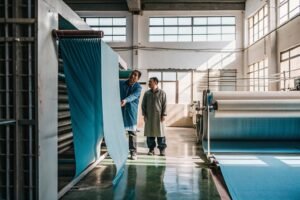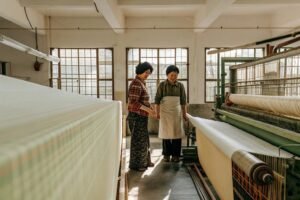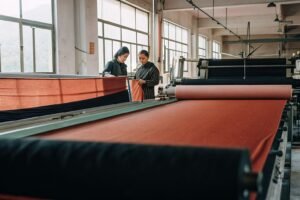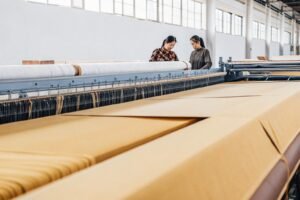
You’re sourcing 10,000 meters of polyester twill or 5,000 kilograms of organic cotton jersey. The price is right, the quality seems good, but your brand’s sustainability commitments—or your retail clients’ demands—are pressing on your mind. You’ve heard of CMIA certification for factories, and you wonder: Can this same framework apply to the mills and suppliers where my fabric actually comes from? It’s the right question to ask, because up to 70% of a garment’s environmental footprint is locked in at the raw material and fabric production stage. The short, crucial answer is: Yes, absolutely. CMIA certification is not only applicable to bulk fabric sourcing, it’s arguably where it delivers the most significant and measurable impact for your supply chain. Sourcing from a CMIA-certified mill isn’t just a "green" choice; it’s a strategic decision that injects data-driven transparency, risk mitigation, and compliance readiness directly into the foundation of your products.
Think of your supply chain as a river. The garment factory is downstream. The fabric mill is upstream, where the current starts. You can clean the water downstream (at the factory), but if the upstream source is polluted, you’re fighting a losing battle. CMIA certification at the mill level ensures the "water" entering your supply chain—the fabric itself—is produced under a system that measures and minimizes its environmental impact from the very beginning. For a brand or importer, this isn’t abstract; it means you get a verified, lower-carbon, efficiently produced material that makes your own environmental claims credible and your compliance with future regulations manageable.
So, let’s move past the idea that CMIA is only for sewing rooms. Let’s dive into how a certified fabric supplier changes the game for your sourcing, your costing, and your brand story.
The Core Impact: Measuring What Matters Most in Fabric Production
When a spinning mill, weaving mill, or dyeing/finishing plant pursues CMIA certification, they are committing to measure and manage the most intensive environmental aspects of textile production. This is where the big numbers are, and this is why it matters to you.
A CMIA-certified mill must track and report on:
- Energy Consumption: The spinning of fibers, weaving/knitting of fabric, and especially dyeing/finishing are incredibly energy-intensive. A certified mill will have sub-metered data on kWh per kilogram of yarn or per meter of fabric.
- Water Consumption & Effluent: Dyeing and finishing can use vast amounts of water. CMIA mandates tracking water use and implementing treatment systems. Sourcing from such a mill directly reduces the "water footprint" embedded in your goods.
- Chemical Management: This is critical. A certified mill maintains a full inventory of dyes and auxiliaries, with Safety Data Sheets (SDS) and policies to minimize hazardous substances. This provides you with a robust foundation for complying with regulations like OEKO-TEX, REACH, or brand-specific RSLs.
- Material Yield & Waste: They track efficiency from fiber to fabric, minimizing waste. This translates to a more resource-efficient product for you.
The Tangible Buyer Benefit: The Data Packet.
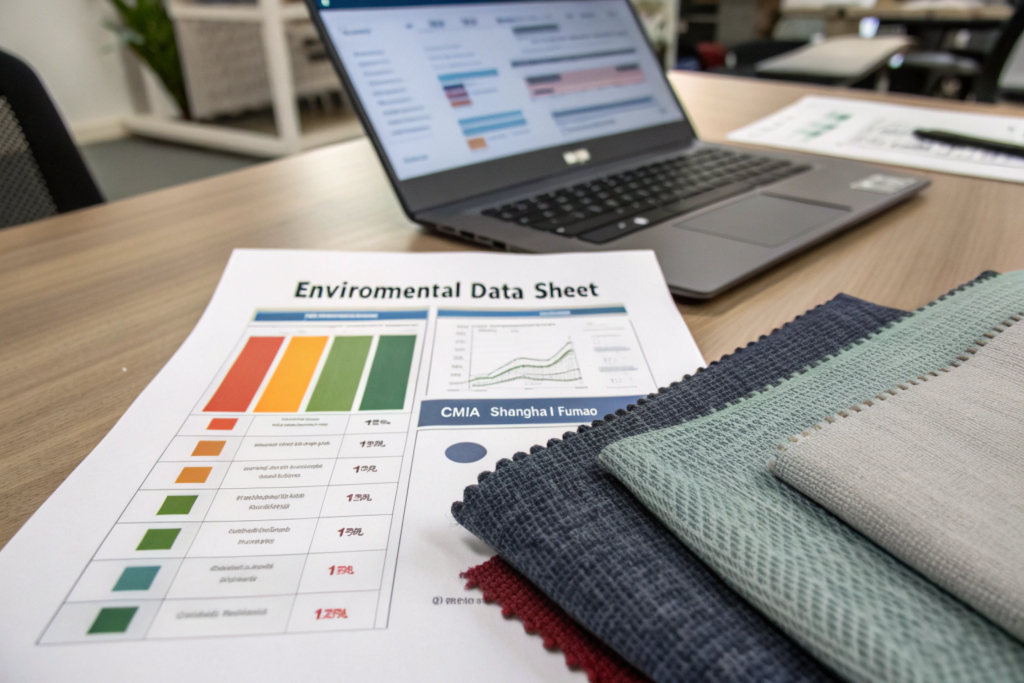
When you source from a CMIA-certified mill like Shanghai Fumao, you don’t just get fabric. You get, or can request, a Environmental Data Sheet that accompanies the technical specification. This might include key metrics like the carbon footprint (kg CO2e) per meter/kg for that specific fabric type, water consumption data, and details on wastewater treatment. This isn’t marketing fluff; it’s audited data. In 2023, a European outdoor brand used this precise data from their CMIA-certified fabric mill to calculate the total carbon footprint of their new jacket line, which became the centerpiece of their product launch campaign. They had numbers, not just adjectives.
How This Compares to Other Fabric Certifications
CMIA complements, rather than replaces, common fabric certifications.
- GRS (Global Recycled Standard): Certifies the content of recycled material and chain of custody.
- GOTS (Global Organic Textile Standard): Certifies organic fiber content and environmental/social criteria in processing.
- OEKO-TEX STeP: Focuses on sustainable production processes, chemicals, and social responsibility.
CMIA is unique in its laser focus on quantifiable carbon and environmental resource management data. It answers the question: "How efficiently and cleanly was this fabric made?" It can be applied to any type of fabric, whether it’s recycled polyester, organic cotton, or conventional nylon, providing a universal benchmark of production efficiency.
The Direct Link to Your Costs
Efficiency at the mill level often equals cost stability. A mill that reduces its energy and water use per unit has lower and more predictable operating costs. This can make them more resilient against utility price hikes, which translates to more stable fabric prices for you in the long term. You’re not just buying a greener fabric; you’re buying from a more efficient, future-proofed business partner.
De-Risking Your Supply Chain from the Source
Sourcing fabric is one of your largest single-line expenses and biggest quality risks. A CMIA-certified mill systematically reduces several key risks:
1. Regulatory & Compliance Risk: Laws are tightening. The EU’s Carbon Border Adjustment Mechanism (CBAM) will eventually require importers to declare and potentially pay for the embedded carbon in their goods. If your fabric mill is CMIA-certified, they are already measuring this. They can provide you with the verified carbon data you need for accurate declaration, preventing delays, fines, or incorrect duty payments. This is a massive future-proofing advantage.
2. Consistency & Quality Risk: The discipline of a CMIA system (process controls, documented procedures, calibrated equipment) leads to more consistent fabric quality. Batch-to-batch variation in weight, shrinkage, or color is reduced because processes are controlled and recorded. For you, this means fewer surprises during garment production, fewer cutting issues, and a more predictable final product.
3. Reputational Risk (Greenwashing): Making a claim like "low-impact fabric" is dangerous without proof. A CMIA certificate from the mill is third-party, audited proof. It protects you from accusations of greenwashing because you can trace the claim back to a verified management system. If a journalist or NGO asks, "How do you know your fabric is lower impact?" you can point to the mill’s CMIA certification and their published performance data.
A Real Example from Our Operations:
A client sourcing performance stretch fabric for swimwear was challenged by a large retailer to prove the environmental credentials of their material. We were able to provide not only the GRS certificate for the recycled content but also our mill partner’s CMIA certification summary, showing a 25% reduction in water use per meter compared to the industry benchmark for similar fabrics. This two-layered proof (content + production efficiency) secured the listing and allowed the brand to use specific, credible claims in their marketing.
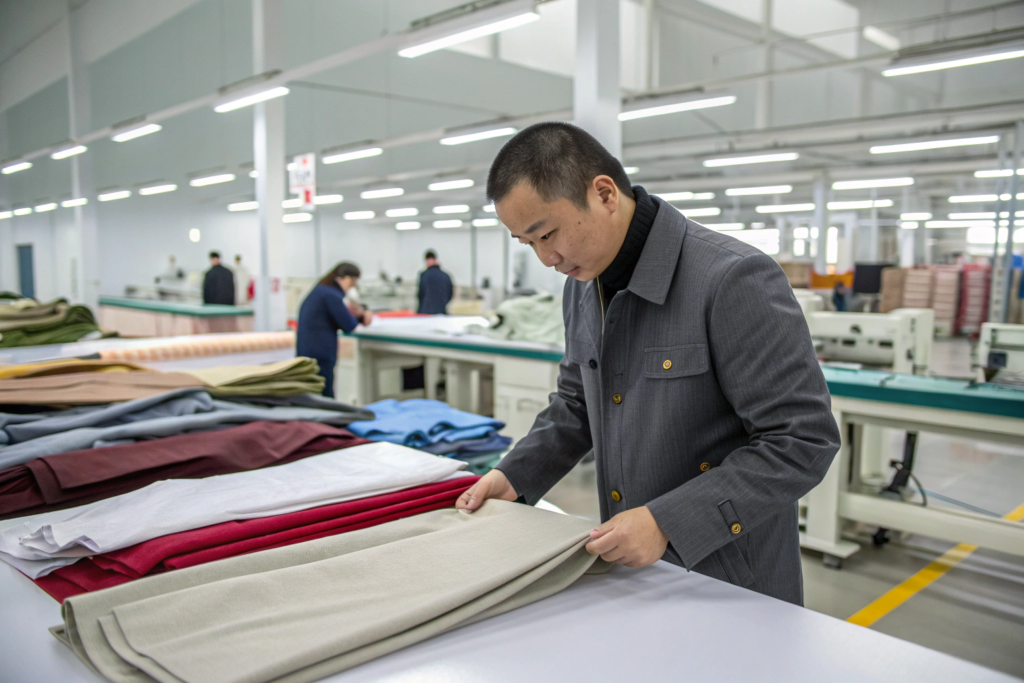
How to Verify a Mill’s CMIA Claims
The same due diligence applies as with factories:
- Ask for the Certificate: Ensure it’s current and the scope includes the relevant processes (e.g., "yarn spinning and weaving" or "dyeing and finishing").
- Check the Certification Body: Is it a recognized, accredited auditor?
- Ask for Performance Data: "Can you share the annual energy/water consumption data per unit of production for this fabric category?" A serious mill will have this summarized.
- Request a Virtual Tour: Ask to see their monitoring systems and environmental controls.
The Financial Logic: Beyond the Price Per Meter
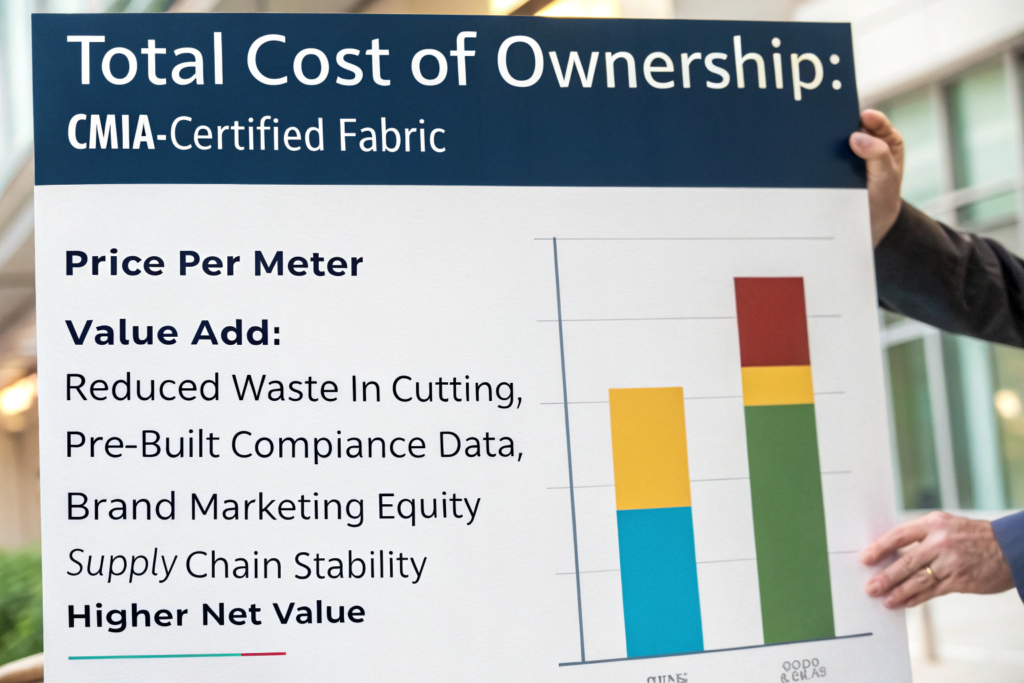
It’s tempting to choose fabric based solely on the lowest price per meter/kilogram. However, a CMIA-certified fabric often delivers a lower Total Cost of Ownership (TCO) when you account for hidden costs and value-added benefits.
The TCO Analysis:
- Upfront Cost: CMIA fabric may carry a small premium (2-8%) due to investments in efficiency technology and auditing.
- Offsetting Savings & Value:
- Reduced Garment Production Waste: More consistent fabric (in width, shrinkage) leads to higher marker efficiency at your factory, saving 2-5% on fabric consumption. This can offset the entire premium.
- Compliance Cost Avoidance: The cost of conducting your own lifecycle assessment (LCA) or scrambling for carbon data later is significant. The mill’s data is readily available.
- Brand Equity & Sales Value: The ability to make credible sustainability claims can justify a higher retail price point, drive consumer preference, and meet B2B buyer mandates, directly boosting revenue.
The Negotiation Mindset Shift:
Instead of negotiating only on price, engage on value. Say: "Your CMIA data shows X% lower water use. This helps us meet our brand goals and reduce our compliance risk. Can we partner on a long-term agreement that reflects this shared value?" This fosters a strategic partnership rather than a transactional one.

The Role of Integrated Suppliers
A supplier like Shanghai Fumao, which operates within a CMIA-certified ecosystem (from our own operations to our partner mills), simplifies this for you. We act as the integrator, sourcing from certified, efficient mills and providing you with a consolidated package of technical and environmental data. This saves you the immense time and cost of vetting multiple spinning, weaving, and dyeing mills yourself.
What About Blended Fabrics?
CMIA applies to the production process, not the final fiber content. A mill producing a 65/35 Poly-Cotton blend can be CMIA-certified for its weaving and dyeing operations. The certification speaks to the efficiency and control of those processes, regardless of the blend. You would then pair this with content certifications (e.g., GRS for recycled polyester, GOTS for organic cotton) for a complete picture.
Building a Future-Proof, Transparent Supply Chain
Ultimately, choosing CMIA-certified fabric sources is about building a supply chain architecture that is resilient, transparent, and aligned with the inevitable direction of global trade.
1. Traceability from the Ground Up: CMIA requires documented control of inputs. This means a certified mill can tell you the origin of its fibers (to a degree) and all processing steps. This traceability is becoming a baseline requirement for serious brands.
2. Data-Driven Decision Making: When you have actual environmental performance data from different mills, you can make sourcing decisions based on hard numbers. You can literally choose the lower-carbon option between two similar fabrics, optimizing your overall footprint.
3. Alignment with Investor & Stakeholder Expectations: ESG (Environmental, Social, Governance) metrics are now critical for securing investment and partnerships. Having CMIA-certified materials in your portfolio provides concrete, auditable evidence for the "E" pillar, strengthening your overall corporate standing.
The Strategic Sourcing Mandate:
For brands that are serious about sustainability, the mandate should be: "First, seek material with the right content certifications (GRS, GOTS). Second, prioritize sourcing those materials from producers with verified environmental management systems (CMIA, STeP)." This two-tiered approach ensures both what the product is made of and how it was made are responsibly managed.
Getting Started: Questions for Your Current or Potential Fabric Supplier
- "Is your manufacturing facility (or your core mill partner) CMIA certified? Can I see the certificate?"
- "Do you have annual environmental performance data (energy, water, carbon) for your key fabric lines?"
- "How does your CMIA system help ensure batch-to-batch consistency in the fabrics I buy?"
- "Can you provide a summary of your chemical management policy and how it aligns with major international regulations?"
Their willingness and ability to answer these questions will separate true partners from simple merchants.
Conclusion
CMIA certification is not only applicable to bulk fabric sourcing—it is essential for any brand or buyer who wants to move beyond superficial sustainability claims and manage real risk. It brings the power of measurement and continuous improvement to the most impactful stage of the textile chain. By choosing CMIA-certified fabric, you are not just purchasing a material; you are investing in verified lower impact, inherent quality consistency, and a robust defense against the growing wave of environmental regulations and consumer scrutiny.
This choice transforms your fabric from a commodity into a strategic asset—one that carries its own proof of responsibility. It enables you to tell a complete, credible story and builds a supply chain that is efficient, transparent, and built to last.
Ready to source fabrics with a foundation of verifiable data and operational excellence? At Shanghai Fumao, we are committed to driving this transparency from the mill level onward. Contact our Business Director, Elaine, at elaine@fumaoclothing.com to explore how our CMIA-aligned sourcing can provide the material integrity your brand deserves.