Last November, I got an angry email from a premium menswear brand in Milan. They’d received 3,000 meters of cotton shirting fabric from a supplier they’d used for years. The dyed fabric looked fine on the inspection table. But when their cutter started spreading it on the cutting table, he noticed something strange. The fabric had faint, irregular stripes running through the weave—barely visible, but enough to make every third shirt look like a factory second. The dye had hidden the defect. The stripes were in the greige fabric, woven in from the very beginning, and nobody had checked the fabric before it went into the dye bath.
They lost 40% of the production run. The supplier blamed the weaver. The weaver blamed the yarn. The brand lost a season’s worth of their bestselling dress shirt. And there was no proof of what the fabric looked like before dyeing because nobody had documented it.
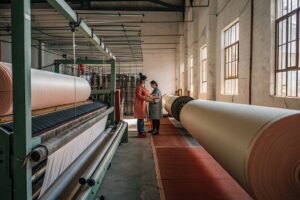
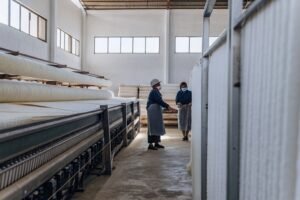
That email is burned into my memory, and it’s the reason we shoot video proof of every single greige fabric batch before it leaves our weaving shed for the dyehouse. It’s not a marketing gimmick. It’s not a "value-added service" we charge extra for. It’s an insurance policy—for you and for us—that the fabric foundation is sound before we add the color that can hide a thousand sins. Here’s exactly what the video captures, why it matters, and how it protects your order from the most insidious category of textile defects.
What Defects Does the Greige Video Inspection Actually Catch?
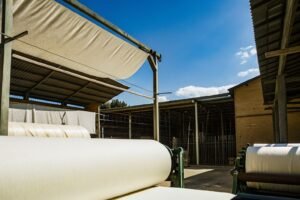
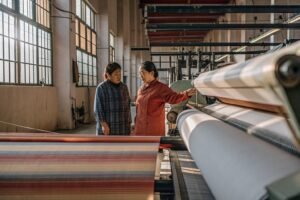
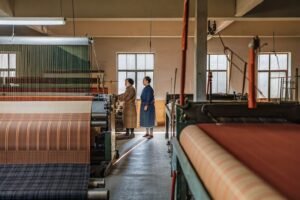
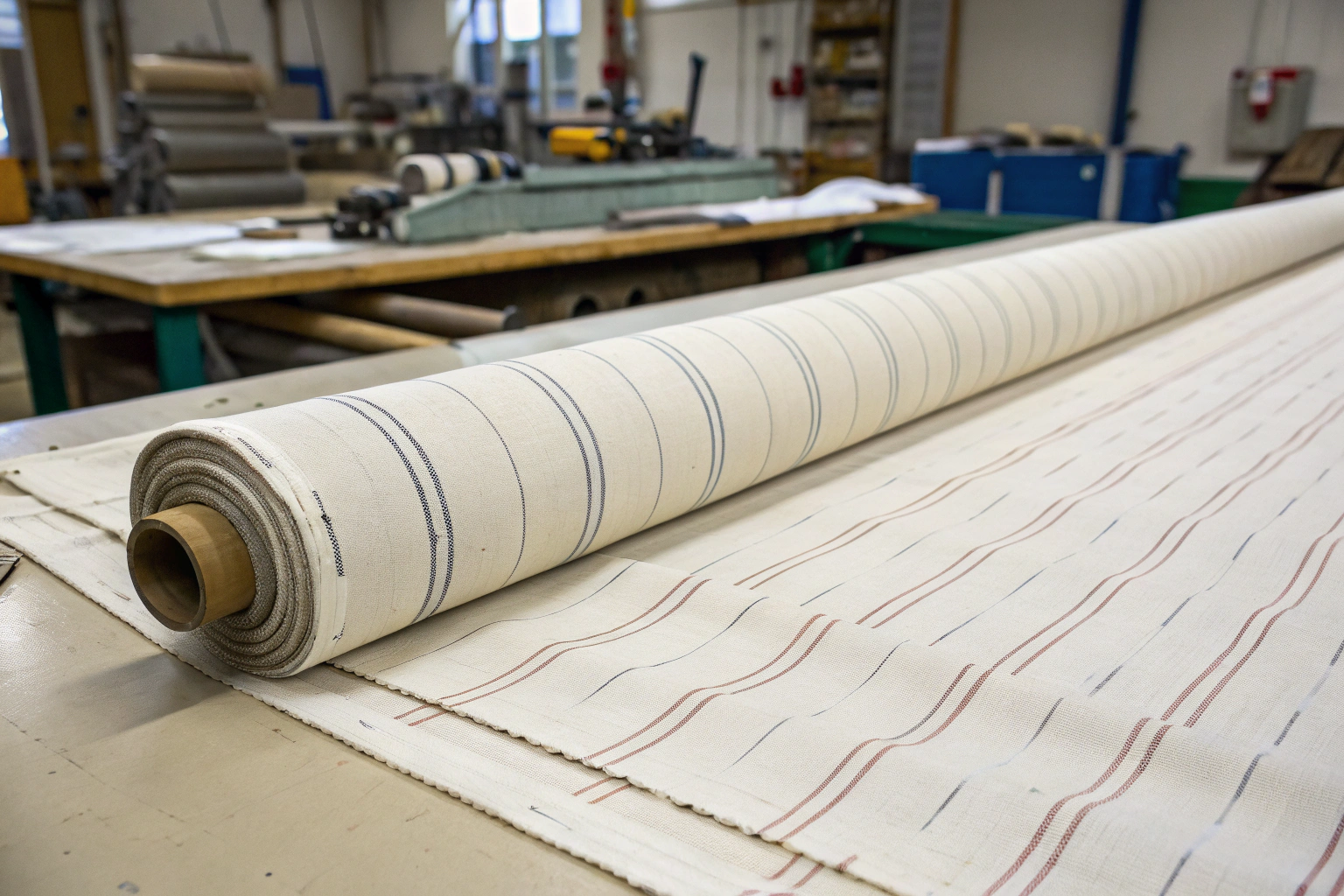
Greige fabric—pronounced "gray," from the French grège for raw or unfinished—is fabric straight off the loom, before any dyeing, printing, or finishing. It’s the raw material of our industry, and it’s the stage where weaving defects are most visible. Once the fabric is dyed, especially in medium to dark colors, many of these defects become invisible to the naked eye. The dye penetrates the fibers, the color evens out the surface, and a fabric that looked flawless on the dyed inspection table can harbor structural problems that only emerge after washing, after wearing, or under certain lighting conditions.
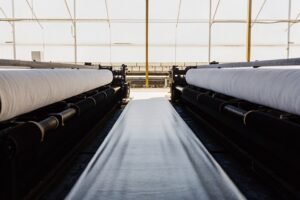
Our greige video inspection is a full-width, backlit, recorded examination of every meter of your fabric before it’s rolled onto the dyeing batch beam. The backlight is the key—it shines through the fabric and reveals the internal architecture that surface lighting hides. Here are two of the most critical defect categories the video catches.

Why Is a "Backlit Inspection" Critical for Seeing Warp Streaks?
Warp streaks are subtle, longitudinal lines running the length of the fabric, parallel to the selvedge. They’re caused by slight differences between individual warp yarns—one warp end is slightly thicker than its neighbors, or slightly more twisted, or came from a different yarn lot. Under normal reflected light, these differences can be almost invisible. The fabric surface looks uniform, and the inspector’s eye glides right over the streaks.
Under backlit inspection, warp streaks jump out. The backlight passes through the fabric, and the thicker or denser warp ends block more light, appearing as dark lines. The thinner or less dense warp ends allow more light through, appearing as bright lines. The overall effect is a subtle striped pattern that, if undetected, will become a permanent feature of the dyed fabric. In a solid-colored garment, especially under the bright, uniform lighting of a retail store, these streaks can make the fabric look uneven, low-quality, or defective.
Our video inspection protocol positions a high-intensity LED light panel behind the fabric as it passes over the inspection table. The camera is positioned above the fabric, recording at 4K resolution at 30 frames per second. The fabric speed is controlled at 10 meters per minute—slower than a standard inspection—to ensure the camera captures every detail without motion blur. The video file is time-stamped and linked to your production order number.
When we find a warp streak, we mark the location with a colored tag on the selvedge and note it in the inspection report. Depending on the severity and the intended end-use, we either cut out the affected section, downgrade the roll to a B-grade for a less demanding application, or—if the streaks are pervasive—reject the entire batch and re-warp the loom. The video provides indisputable evidence of the defect and the decision we made in response.
- Learn about common greige fabric defects and their root causes from the quality control resources on the Textile School greige fabric inspection and defect identification guide.
- Understand the principles of backlit fabric inspection for detecting structural defects from the inspection equipment documentation on the Uster fabric inspection technology portal.
How Do We Spot "Loom Chatter" Marks Before They’re Hidden by Dye?
Loom chatter is a vibration-induced defect that creates periodic, closely spaced horizontal lines across the fabric width. It’s caused by mechanical vibration in the loom’s reed or sley mechanism—a bearing that’s wearing out, a gear that’s slightly misaligned, a reed that’s loose in its mounting. The vibration transfers to the warp yarns as they’re being beaten into place, creating a subtle but regular pattern of density variation: tighter, looser, tighter, looser, repeating every few millimeters.
Under normal lighting on finished fabric, loom chatter can be invisible—or it can look like a very faint moiré pattern that a consumer might not consciously notice but will unconsciously interpret as "cheap" or "low quality." Under backlit inspection on greige fabric, loom chatter appears as a regular, rhythmic banding pattern that’s unmistakable once you know what to look for.
The video camera’s frame rate is critical for catching loom chatter. A standard 30-fps recording can create a visual aliasing effect with the chatter pattern, either exaggerating it or masking it depending on the relationship between the chatter frequency and the camera frame rate. We shoot greige video at 60 frames per second, which provides enough temporal resolution to capture the true chatter pattern without aliasing artifacts.
When our inspector identifies loom chatter on the video review—which we do on a large, color-calibrated monitor, not on a small camera screen—the loom that produced the fabric is immediately stopped and inspected by our maintenance technician. The chatter pattern frequency tells us exactly which mechanical component is likely responsible: a reed vibration produces a different frequency than a sley rock or a take-up gear oscillation. The problem is fixed before the loom runs another meter of fabric. The video proves that we caught it and corrected it.
- Read about loom mechanics and the causes of vibration-induced fabric defects from the machinery maintenance resources on the Picanol weaving machine troubleshooting and maintenance guide.
- Understand the principles of high-speed video inspection for textile quality control from the technology resources on the Fibre2Fashion automated fabric inspection systems knowledge hub.
How Does a Video Archive Prevent Shade Disputes With the Dyehouse?
The relationship between a weaver and a dyehouse is one of the most tension-filled partnerships in the textile supply chain. When a dyed fabric comes back with a defect—uneven color, white spots, dye streaks—the weaver blames the dyehouse for poor process control. The dyehouse blames the weaver for sending them defective greige fabric. The argument typically has no resolution because there’s no evidence of what the fabric looked like before it entered the dye bath.
Our greige video archive eliminates this dispute. Every meter of fabric that leaves our weaving shed for the dyehouse has a corresponding video file that shows its condition at the moment of handoff. If the fabric comes back from dyeing with a defect, we can pull up the greige video and determine definitively whether the defect existed before dyeing or was introduced during the dyeing process.

What Happens When a Dyed Batch Shows "White Spots" From Poor Preparation?
White spots on dyed fabric are small, circular or irregularly shaped areas where the dye didn’t penetrate. The consumer sees a tiny pale dot—maybe half a millimeter across—on an otherwise solid-colored garment. Up close, it looks like a manufacturing flaw. Multiply that by a hundred dots across a dress shirt, and the garment is unsellable.
White spots can originate from either the weaving process or the dyeing process. In weaving, white spots are caused by small deposits of size—the starch-based protective coating applied to warp yarns before weaving—that weren’t properly removed during desizing. Or they can be caused by oil droplets from the loom’s lubrication system that contaminated the warp yarns. In dyeing, white spots are caused by undissolved dye particles, foam bubbles in the dye bath, or fabric areas that folded and didn’t contact the dye liquor.
When a dyed batch comes back with white spots, our QC team doesn’t guess. They pull the greige video for that specific batch and review the footage frame by frame. If the white spots correspond to visible contamination on the greige fabric—oil spots, size deposits, foreign matter—the fault is ours, and we own it. We replace the fabric at our cost. If the greige video shows clean fabric with no visible contamination, the fault is in the dyeing process, and our dyehouse partner owns it under their service agreement with us.
Before we implemented greige video, these disputes were unresolvable. We’d have to absorb the cost of the defective fabric regardless of fault, because we couldn’t prove the greige was clean. The video archive has reduced our dyehouse dispute resolution time from weeks of argument to hours of evidence review, and it’s saved us—and our clients—tens of thousands of dollars in unfairly absorbed costs.
- Learn about common dyeing defects and their root causes in fabric preparation from the technical articles on the Textile School dyeing defects and solutions resource.
- Understand the desizing process and its importance for even dye penetration from the chemical processing guides on the Fibre2Fashion textile pretreatment and desizing knowledge hub.
How Do We Use "Pre-Dye Video" to Prove the Fabric Was Correctly Warped?
Warping is the process of winding the warp yarns onto the loom beam under precise, uniform tension, with each individual warp end in its correct position. A warping error—a crossed end, a missing end, an end wound at incorrect tension—creates a permanent defect in every meter of fabric woven from that beam. If the warping error isn’t caught in the greige stage, it’s woven into the fabric, dyed into invisibility, and only discovered when the garment is cut and sewn.
The pre-dye video captures the warp line—the visual pattern of the warp ends as they sit on the fabric surface—with enough clarity to confirm that the warping was correct. The video shows the even spacing of the warp ends, the absence of gaps from missing ends, and the absence of dense bands from double ends. This visual record proves that the warp was sound before dyeing.
In one instance last year, a dyed shirting fabric came back with a subtle but persistent pinstripe effect—a thin, darker line running the length of the fabric every few centimeters. The dyehouse claimed it was a warping defect: a missing end creating a gap that absorbed more dye. Our greige video showed the warp line clearly: all ends present, evenly spaced, no gaps. The pinstripe was actually a dyeing machine issue—a slightly clogged jet nozzle that was applying uneven pressure to the fabric. The video evidence redirected the investigation from our warping department to the dyehouse maintenance team, and the problem was resolved within a day.
- Read about warp preparation and common warping defects in woven fabric production from the technical resources on the Textile School warping process and quality control page.
- Understand how warp tension variations affect fabric appearance and dye uptake from the textile engineering articles on the Fibre2Fashion weaving preparation and warp tension guide.
Can You Access Your Greige Video Remotely Before Color Commitment?
In a traditional sourcing model, the brand has zero visibility into the greige fabric stage. The fabric is woven, sent to the dyehouse, dyed, finished, and shipped. The brand sees the finished product and either accepts or rejects it. If there’s a problem, the investigation starts weeks after the fact, with no access to the intermediate production stages.
Our greige video archive changes this dynamic completely. The video is uploaded to your secure client portal within 24 hours of the fabric passing greige inspection. You can review it from your office in New York, London, or Stockholm, before a single gram of dye is mixed. You have a window into the foundation of your fabric at the exact moment when corrective action is cheapest and fastest.

How Does the Client Portal "Greige Approval" Button Work?
The greige approval feature is integrated into our existing client portal production tracking dashboard. When your order’s greige fabric has been woven and inspected, your order status updates to "Greige Inspection Complete – Awaiting Approval." You receive an automated email notification with a direct link to the video.
Clicking the link opens the portal’s video review page. The greige inspection video is streamable in HD, with timeline markers that correspond to the inspection report’s defect log. If the inspector flagged a section at meter 82 for a minor slub, the video timeline has a clickable marker at that timestamp. You can jump directly to the flagged moment, review the defect in full-screen mode, and decide whether it’s acceptable for your quality standards or requires the section to be cut out.
Below the video player, there are two buttons: a green "Approve for Dyeing" button and a red "Hold for Review" button. If you approve, the greige is released to the dyehouse immediately, and your order continues through the production pipeline without delay. If you hold for review, our production coordinator contacts you within one business day to discuss your concerns. Maybe you saw something in the video that concerned you, or you want a closer look at a specific section, or you want to ship the greige to a different dyehouse. The hold preserves your options and prevents the fabric from moving forward until you’re satisfied.
This approval step is optional—most of our long-term clients trust our inspection and approve automatically. But for new relationships, complex fabrics, or high-value orders, it provides a level of transparency and control that’s rare in textile manufacturing.
- Learn about client portal technologies for supply chain transparency from the digital transformation resources on the GS1 digital supply chain visibility standards page.
- Understand the benefits of remote quality approval in global textile sourcing from the business articles on the Apparel Resources digital quality management in textiles hub.
What If You Spot a Concern in the Greige Video—Can We Pause the Dyeing?
Yes. Immediately. The "Hold for Review" button is not a suggestion—it’s a hard stop. When you click it, the greige batch is physically moved to a designated hold area in our warehouse, tagged with your order number and the word "HOLD" in red lettering. The dyehouse is notified that the batch is not to be processed until the hold is released.
The hold mechanism exists for exactly this scenario: you’re reviewing the greige video from your office, and something catches your eye. Maybe it’s a subtle irregularity that our inspector passed but that your experienced eye—knowing your specific garment construction and quality standards—recognizes as a potential problem. Maybe you want to send a physical cutting of the greige to your own quality lab for independent testing before committing to the dyeing cost.
When a hold is triggered, our production coordinator contacts you to understand the concern. We can cut a physical sample from the held batch and courier it to you. We can re-inspect the flagged section and send you additional close-up video. We can run a small-scale dye test on a sample cutting to see how the area looks in color. Whatever you need to resolve your concern, we execute it before the batch moves forward.
This level of responsiveness requires a flexible production schedule and a willingness to absorb short-term disruption for long-term trust. Our production team grumbles occasionally when a hold disrupts their carefully planned dyehouse scheduling. But I remind them—and I remind myself—that a two-day hold to address a client concern costs a fraction of a rejected shipment or a recalled production run. The video and the hold button exist to prevent small concerns from becoming large failures.
- Read about quality hold procedures in textile production and their role in preventing defects from the quality management resources on the ISO 9001 nonconforming product control standards.
- Understand the cost-benefit analysis of in-process quality interventions versus end-of-line inspection from the lean manufacturing articles on the IndustryWeek quality at the source methodology guide.
Conclusion
The greige fabric video is not a flashy innovation. It’s not AI-powered or blockchain-verified. It’s a high-resolution, well-lit, methodically shot recording of your fabric at its most vulnerable and revealing stage—before color, before finish, before anything that can hide a flaw. It’s the evidence that protects you from receiving dyed fabric with hidden structural defects. It’s the evidence that protects our relationship with our dyehouse partners from unresolvable disputes. And it’s the window that gives you, sitting thousands of miles from our weaving shed, the ability to inspect and approve your fabric’s foundation before the irreversible chemistry of dyeing begins.
That Milanese menswear brand that lost 40% of their shirting production? They’re now a Shanghai Fumao client. Their first question during onboarding wasn’t about price or lead time. It was: "Do you inspect the greige before dyeing, and can we see it?" I showed them our video archive. I showed them the client portal approval button. I showed them a video of their first order’s greige fabric, shot that morning. They approved it from their office in Milan, and the fabric shipped three weeks later with zero defects.
If you want to see a sample greige inspection video for a fabric similar to what you’re sourcing, email Elaine at elaine@fumaoclothing.com. She’ll send you a link to an anonymized example and walk you through the client portal interface. You’ll see exactly what transparency looks like before you commit a single dollar to production.