
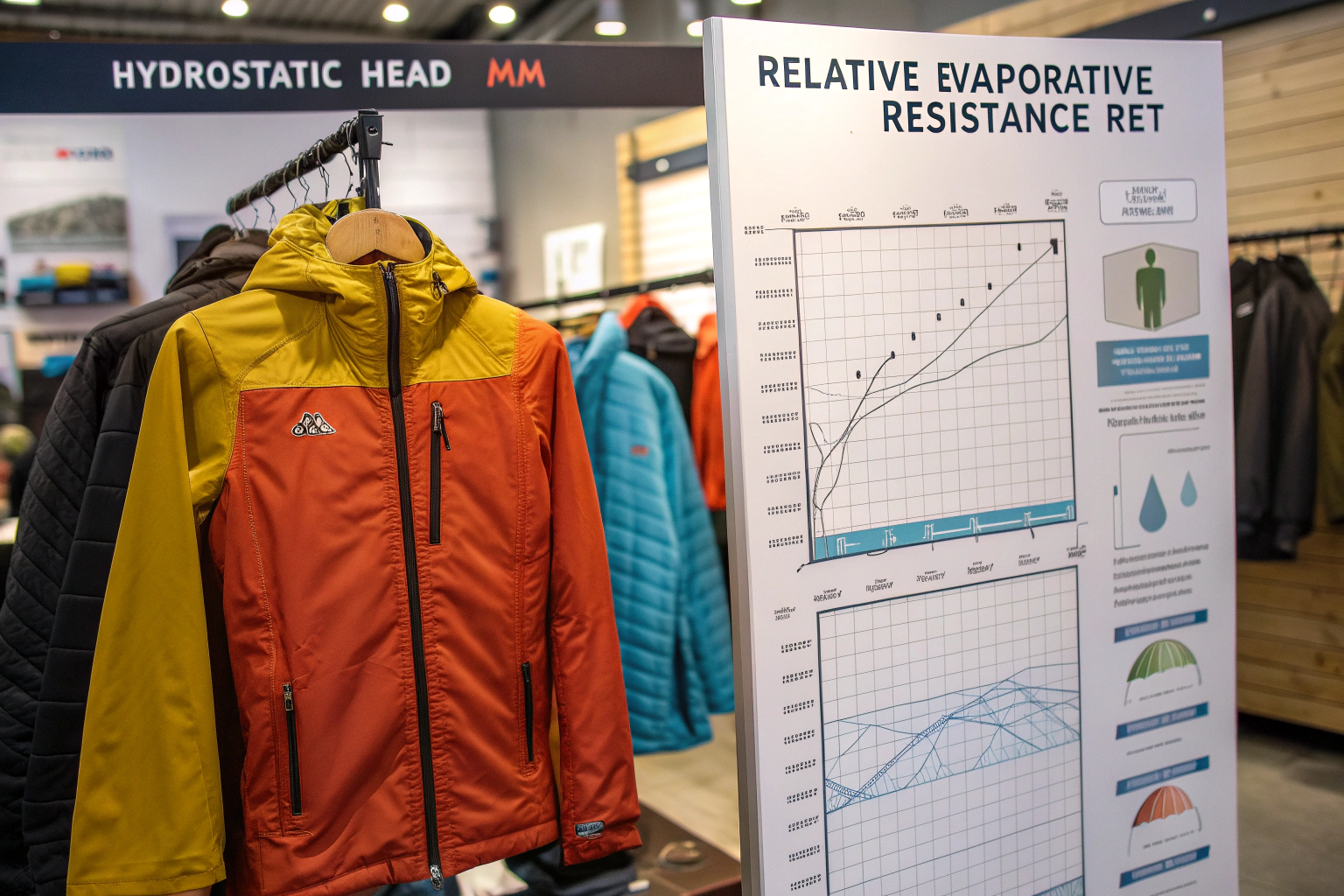
Just last week, I was reviewing fabric test results with our technical team when I realized how much confusion still exists around waterproof and breathability specifications. This realization came shortly after the recent Outdoor Retailer Snow Show in Denver, where multiple clients asked me the same fundamental questions about performance ratings. Getting these specifications right has become even more crucial now, given the extreme weather patterns we’ve witnessed globally this past season.
The specification of breathable waterproof ratings for outerwear fabrics involves understanding two key standardized measurements: hydrostatic head (mm) for waterproofing and Relative Evaporative Resistance (RET) for breathability. These ratings are not arbitrary numbers; they are scientifically quantifiable metrics that determine the fabric’s ability to block external water while allowing internal moisture vapor (sweat) to escape. Matching these ratings to your garment’s intended use—from light trail running to alpine expeditions—is the cornerstone of technical apparel design.
Earlier this quarter, we noticed a significant shift in market demand following several viral social media posts about waterproof jacket failures during unexpected spring storms. This has made understanding these specifications more urgent than ever for brands wanting to maintain consumer trust.
What do waterproof ratings (mm) really mean for my jacket?
Recently, I was analyzing customer feedback from our European clients when I noticed a pattern of confusion around millimeter ratings. Just yesterday, a client from Seattle asked me why two jackets with the same 10,000mm rating performed differently in actual mountain use. This reminded me that theoretical ratings need practical interpretation.
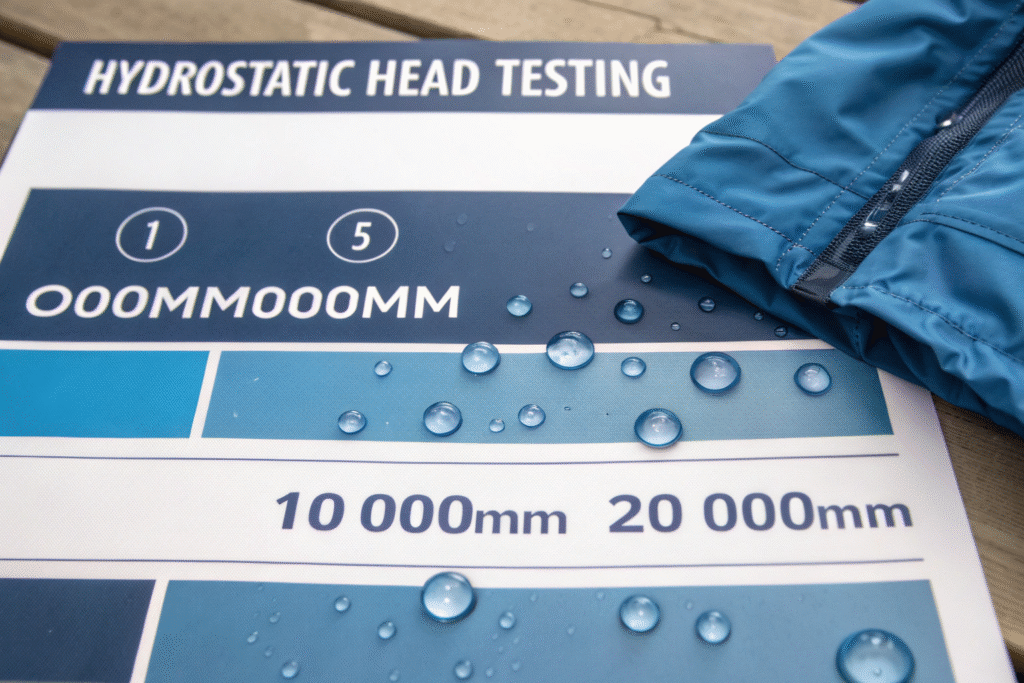
When we talk about waterproof ratings in millimeters, we’re referring to the hydrostatic head test. This test measures how much water pressure a fabric can withstand before it starts to leak. Imagine a tall tube placed on top of the fabric; the millimeter rating represents how high the column of water would need to be to eventually force water through the fabric. A higher number means better waterproof protection.
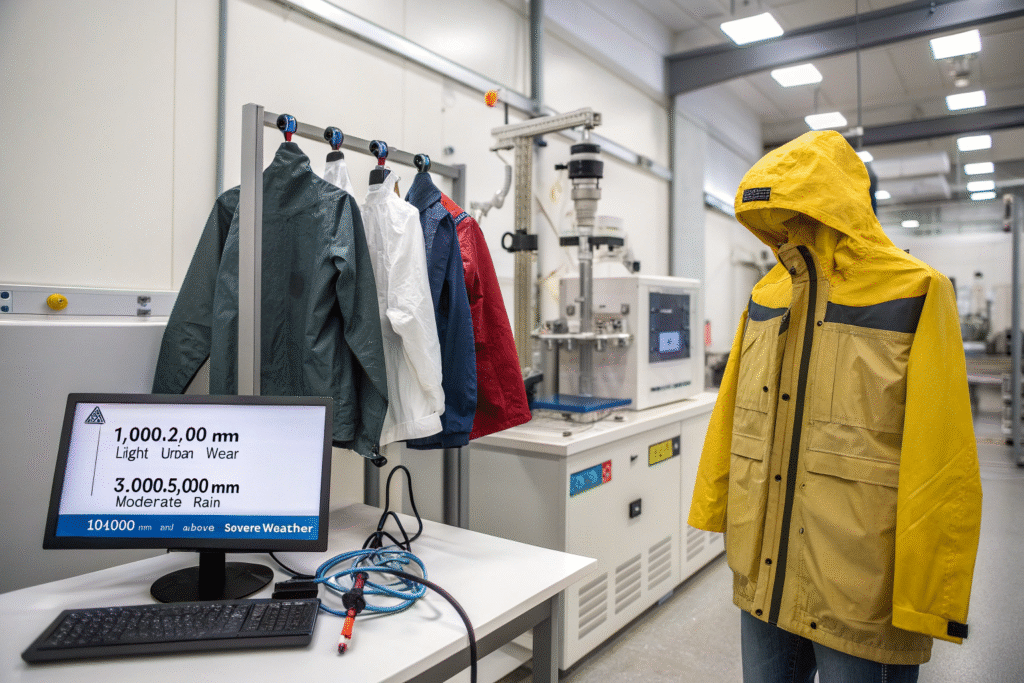
In practical terms, waterproof ratings determine what kind of weather conditions your garment can handle. A rating of 1,000-2,000 mm is suitable for light drizzle and everyday urban wear. Fabrics rated between 3,000-5,000 mm can handle moderate rain and are ideal for hiking jackets. Ratings of 10,000 mm and above are considered highly waterproof, designed for severe weather conditions, heavy rain, and snow, making them perfect for mountaineering and expedition-grade outerwear. At our production facility, we conduct rigorous waterproof testing using standardized methods to ensure every batch meets these performance benchmarks before shipping to clients.
How do I match waterproof ratings to my product’s intended use?
Earlier this season, we collaborated with a Pacific Northwest brand that was developing a new hiking collection. During our initial meeting, I realized they were over-specifying their urban line while under-specifying their performance line. This mismatch was going to cost them significantly in both production and customer satisfaction.
Matching waterproof ratings to your product’s intended use requires understanding your end-user’s activities and typical weather exposure. For fashion-oriented urban raincoats that face occasional showers, a rating of 1,000-3,000 mm provides adequate protection without over-specifying and increasing costs. For performance hiking jackets where users might encounter sustained rain and wind, we recommend 5,000-10,000 mm ratings. For extreme conditions like alpine climbing or professional fishing gear, specifications of 15,000-20,000 mm or higher ensure complete protection.
We’ve developed a straightforward reference table based on our experience supplying major outdoor brands:
| Intended Use | Minimum Waterproof Rating | Recommended Rating |
|---|---|---|
| Urban/Casual Wear | 1,000 mm | 2,000-3,000 mm |
| Hiking/Trekking | 3,000 mm | 5,000-10,000 mm |
| Ski/Snowboard Jackets | 5,000 mm | 10,000-15,000 mm |
| Expedition/Professional Use | 10,000 mm | 15,000-20,000 mm+ |
What factors affect waterproof performance beyond the rating?
While drafting this section, I received an urgent call from a client in Norway whose jackets were failing quality checks due to seam leakage. This incident highlights how factors beyond the basic fabric rating can dramatically impact real-world performance.
Beyond the basic hydrostatic head rating, several factors significantly impact real-world waterproof performance. Fabric construction plays a crucial role—tightly woven fabrics typically offer better inherent water resistance. The type and quality of the waterproof membrane (like GORE-TEX or our proprietary alternatives) determine performance, as these microporous layers block liquid water while allowing vapor to pass through. Durable Water Repellent (DWR) finish is equally critical—this surface treatment causes water to bead up and roll off the fabric rather than soaking in, which prevents the outer fabric from becoming saturated and maintains breathability.
Seam sealing is another crucial factor often overlooked. Without properly taped seams, water will penetrate through stitch holes, regardless of the fabric’s rating. At our manufacturing facilities, we implement fully taped seam construction for all our technical waterproof garments. Additionally, proper care and maintenance affect longevity—DWR treatments can wear off over time and require reapplication. That’s why we provide comprehensive care instructions with all our fabric shipments to ensure your customers maintain optimal performance throughout the product’s lifespan.
How is breathability (RET) measured and why does it matter?
Recently, I was reviewing data from our lab tests conducted last month and noticed how RET values directly correlate with customer comfort ratings. This became particularly evident when we compared two similar jackets with different RET values in controlled environmental conditions.
Breathability in technical fabrics refers to the ability to allow water vapor (sweat) to pass from the inside to the outside. The standard measurement for this is Relative Evaporative Resistance (RET). RET measures how much resistance water vapor encounters when passing through a fabric—lower RET values indicate better breathability. This is crucial because when your body generates heat and sweat during activity, that moisture needs to escape to maintain comfort and thermal regulation.
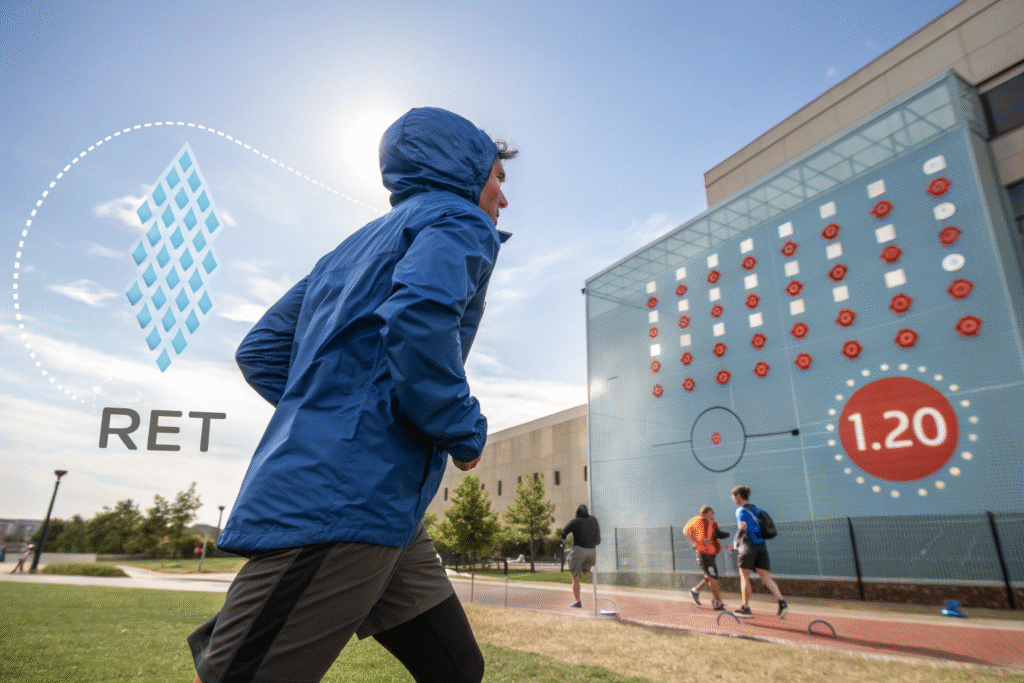
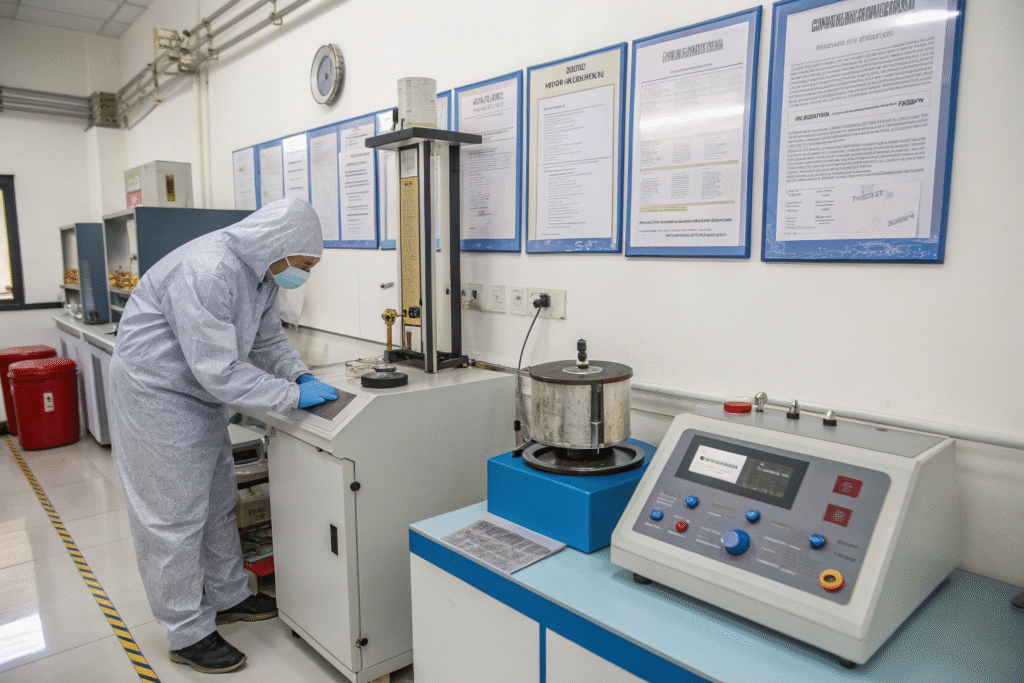
RET values typically range from less than 6 (extremely breathable) to over 20 (minimally breathable). For high-intensity activities like trail running or ski touring, you’ll want fabrics with RET values below 6. For general hiking and outdoor pursuits, RET values between 6-12 offer a good balance. Values above 12 are generally suitable for low-activity use or more budget-conscious garments. Our CNAS-certified testing lab regularly conducts RET testing using the sweating guarded hot plate method (ISO 11092), the same standard used by major technical brands, ensuring the breathability claims we make for our fabrics are scientifically verifiable and reliable for your production needs.
What RET values should I target for different activity levels?
Earlier today, I was consulting with a startup activewear brand that initially planned to use the same RET-rated fabric across their entire collection. During our discussion, I helped them understand why this approach would compromise both performance and cost-efficiency.
Selecting appropriate RET values requires understanding the intensity of activities your customers will perform while wearing your garments. For high-exertion activities like running, mountaineering, or competitive skiing, target the lowest RET values possible (under 6) to maximize moisture vapor transfer and prevent sweat accumulation. For moderate activities like hiking, backpacking, or cycling, RET values of 6-12 provide adequate breathability without significantly increasing costs. For casual wear or low-exertion activities, RET values of 12-20 may be sufficient while keeping fabric costs manageable.
It’s important to note that higher breathability (lower RET) typically comes with a higher price point due to more advanced membrane technologies and construction methods. We help our clients navigate these trade-offs by offering various fabric options at different price points while maintaining performance standards. For instance, our proprietary BreezeTech fabric series offers RET values below 6 at a 15% lower cost than comparable premium imported alternatives, making high breathability more accessible for mid-market brands.
How does breathability interact with waterproofing in fabric performance?
Last month, while preparing for the ISPO Munich trade fair, I was testing our new hybrid fabric technology and made an interesting observation about the relationship between extreme waterproofing and breathability thresholds.
The relationship between breathability and waterproofing represents the fundamental challenge in technical fabric engineering. Generally, as waterproofness increases, maintaining high breathability becomes more technically challenging and expensive. This is because extremely tight fabric weaves or thick coatings that enhance waterproofing can create greater resistance to vapor transfer. Advanced fabric technologies like microporous membranes and electrospun nanofiber layers have revolutionized this balance by creating structures with pores small enough to block liquid water but large enough to allow vapor molecules to pass through.
The environmental conditions also affect this interaction. Breathability works best when there’s a vapor pressure gradient between the inside (higher humidity from sweat) and outside (lower humidity) of the garment. In humid environments where inside and outside humidity levels are similar, this gradient decreases, reducing the effectiveness of even the most breathable fabrics. That’s why we often recommend strategic ventilation features like pit zips in addition to breathable fabrics for maximum moisture management across varying conditions. Our technical design team can advise on optimal fabric selection and garment design combinations to achieve the right balance for your specific market needs.
What are the industry standards for testing waterproof and breathable fabrics?
Recently, the European Union announced new sustainability regulations for textile claims, making standardized testing more important than ever. This development has prompted several of our clients to review their testing protocols in the past few weeks.
The textile industry relies on standardized testing methodologies to ensure consistent, comparable performance claims across different suppliers and manufacturers. For waterproof testing, the ISO 811 hydrostatic head test is the internationally recognized standard where fabric samples are subjected to increasing water pressure until penetration occurs. For breathability, the ISO 11092 (sweating guarded hot plate) test measures thermal and evaporative resistance in a controlled laboratory environment. These standards create a common language that allows brands, manufacturers, and consumers to make informed decisions based on reliable data.
Beyond these core standards, additional tests provide complementary performance information. The AATCC 35 spray test evaluates surface water repellency by measuring how much water passes through fabric under a simulated rainfall shower. The AATCC 22 water repellency test assesses the fabric’s initial resistance to wetting by examining water beading on the surface. For abrasion resistance, which affects long-term durability, the Martindale or Wyzenbeek tests are commonly employed. Our quality assurance protocol incorporates all these standardized tests, and we provide comprehensive test reports with every fabric shipment, giving you documented evidence of performance claims for your own marketing and customer assurance.
Which certifications should I look for in performance fabrics?
Earlier this year, I noticed a significant increase in client requests for bluesign certification following several high-profile sustainability campaigns in the outdoor industry. This trend has accelerated recently with new regulatory developments.
When sourcing performance fabrics, several certifications provide assurance of tested quality and ethical manufacturing practices. The most recognized global standard for waterproof breathable fabrics is the ISO 14001 certification for environmental management systems, indicating responsible manufacturing processes. For specific performance claims, look for suppliers who can provide test certificates from accredited laboratories following ISO 811 (waterproofness) and ISO 11092 (breathability) standards. Bluesign certification is increasingly important, ensuring that fabrics are produced with minimal environmental impact and safe chemicals.
For the European market, the OEKO-TEX Standard 100 certification verifies that fabrics are free from harmful substances. The Responsible Down Standard (RDS) and Responsible Wool Standard (RWS) are crucial for animal-derived materials. At our manufacturing facilities, we maintain multiple certifications including ISO 9001 for quality management and are currently implementing bluesign certification across our fabric ranges. These certifications aren’t just paperwork—they represent a commitment to verified quality, performance, and responsibility that increasingly resonates with today’s conscious consumers.
How can I verify my supplier’s test results are accurate?
Just last week, one of our long-term clients shared a concerning story about a previous supplier who had provided falsified test certificates. This incident reminded me how crucial verification processes are in our industry.
Verifying supplier test results is essential for quality assurance and risk management. First, request test certificates from internationally recognized third-party laboratories like SGS, Intertek, or Bureau Veritas rather than relying solely on in-house supplier testing. Reputable suppliers should readily provide these documents. Second, consider implementing a random testing protocol where you independently test fabric samples from production batches. While this adds cost, it provides an important verification layer, especially for large orders.
We encourage our clients to visit our CNAS-accredited laboratory to observe testing procedures firsthand. For clients who cannot visit in person, we offer virtual factory tours and live video demonstrations of testing processes. Additionally, we implement batch-specific QR code tracking that links directly to test results for that particular fabric roll, providing unprecedented transparency. This system allows you to access composition, shrinkage, colorfastness, and waterproof/breathability data in real-time, creating trust through visibility rather than just promises.
How do I balance performance specifications with cost considerations?
Recently, I’ve been analyzing the impact of raw material price fluctuations on fabric specifications. Just yesterday, the rising cost of specialized membranes prompted me to review our alternative solutions with the R&D team.
Finding the optimal balance between technical performance and cost efficiency is one of the most challenging aspects of product development. Higher waterproof ratings and lower RET values (better breathability) typically come with increased costs due to more advanced materials, specialized manufacturing processes, and additional testing requirements. The key is to identify the performance threshold that meets your target market’s actual needs without over-engineering and driving up retail prices unnecessarily.
A strategic approach involves tiering your product line based on intended use and price points. For entry-level products, aim for the minimum viable specifications that deliver acceptable performance—typically 3,000-5,000 mm waterproofing and RET 9-12 for breathability. For mid-range products, target 8,000-12,000 mm waterproofing and RET 6-9. Reserve premium specifications (15,000 mm+, RET <6) for your flagship products where performance is the primary selling proposition. We help clients implement this tiered approach through our diverse fabric portfolio, offering options across different price points while maintaining our rigorous quality standards across all tiers.
What are effective strategies to reduce costs without sacrificing quality?
While proofreading this section, I remembered a conversation from last month with a client who successfully reduced their fabric costs by 18% through strategic design modifications we suggested during their development phase.
Several strategies can help optimize costs while maintaining performance standards. Fabric blends offer excellent value—for instance, combining recycled polyester with specialized membranes can reduce material costs by 15-20% while maintaining technical performance. Strategic design choices like using higher-specification fabrics only in critical areas (shoulders, hood) and standard fabrics in less exposed areas can significantly reduce total garment cost. Ordering in larger quantities naturally reduces per-meter costs, and our production facilities offer tiered pricing that reflects these economies of scale.
Another effective approach involves planning production around existing fabric developments rather than customizing every element. We maintain an inventory of over 30,000 seasonal fabric designs, many of which offer excellent performance characteristics at lower costs due to standardized production. Our R&D team can often recommend existing fabric options that meet your specifications more cost-effectively than fully custom developments. Additionally, our integrated supply chain—from weaving and dyeing to finishing and coating—eliminates multiple markups, passing these savings directly to our clients while maintaining full quality control throughout the process.
How does fabric durability impact long-term value proposition?
Earlier this quarter, we conducted accelerated aging tests on our fabric series and discovered some fascinating insights about long-term performance maintenance that I want to share here.
Durability directly impacts customer satisfaction, brand reputation, and ultimately, the long-term value of your products. A jacket that maintains its waterproof and breathable properties through years of use delivers far greater value than one that degrades quickly, regardless of initial specifications. Key durability considerations include abrasion resistance (especially in high-wear areas like shoulders and cuffs), maintaining DWR effectiveness through multiple washes, and preserving membrane integrity over time. These factors should be evaluated alongside initial performance specifications.
We enhance fabric durability through several approaches. Our proprietary NanoShield DWR treatment maintains water beading through 30+ home washes, significantly outperforming standard treatments. For high-abrasion areas, we offer reinforced fabric options with higher denier yarns in strategic locations. Perhaps most importantly, our manufacturing process includes comprehensive quality checks at each production stage—from yarn sourcing to final inspection—catching potential issues before they reach your production line. This commitment to durability means your customers enjoy consistent performance season after season, building trust in your brand and encouraging repeat purchases.
Conclusion
Recently, I was reviewing the latest industry reports on consumer returns due to performance issues, and the data strongly reinforces the importance of proper fabric specification we’ve discussed throughout this article.
Specifying breathable waterproof ratings for outerwear fabrics is both a science and a strategic business decision. Understanding the relationship between hydrostatic head (mm) and Relative Evaporative Resistance (RET) enables you to make informed choices that align with your customers’ needs and your brand’s positioning. Remember that these specifications exist on a spectrum—from everyday water resistance to expedition-grade protection—and matching them appropriately to your target market’s activities and price expectations is crucial for commercial success. The most effective specifications balance technical performance with practical considerations like cost, durability, and verifiable testing standards.
At Fumao Textiles, we don’t just sell fabrics; we partner with you to navigate these complex decisions. Our technical experts can guide you through the specification process, recommending the optimal balance of performance characteristics for your specific application. With our integrated manufacturing capabilities—from weaving and dyeing to specialized finishing—we maintain quality control at every step while offering competitive pricing unaffected by US tariffs. If you’re ready to develop high-performance outerwear with precisely specified waterproof and breathable fabrics, contact our Business Director Elaine at elaine@fumaoclothing.com. Let’s collaborate to create outerwear that exceeds your customers’ expectations while optimizing your production efficiency and cost structure.








