
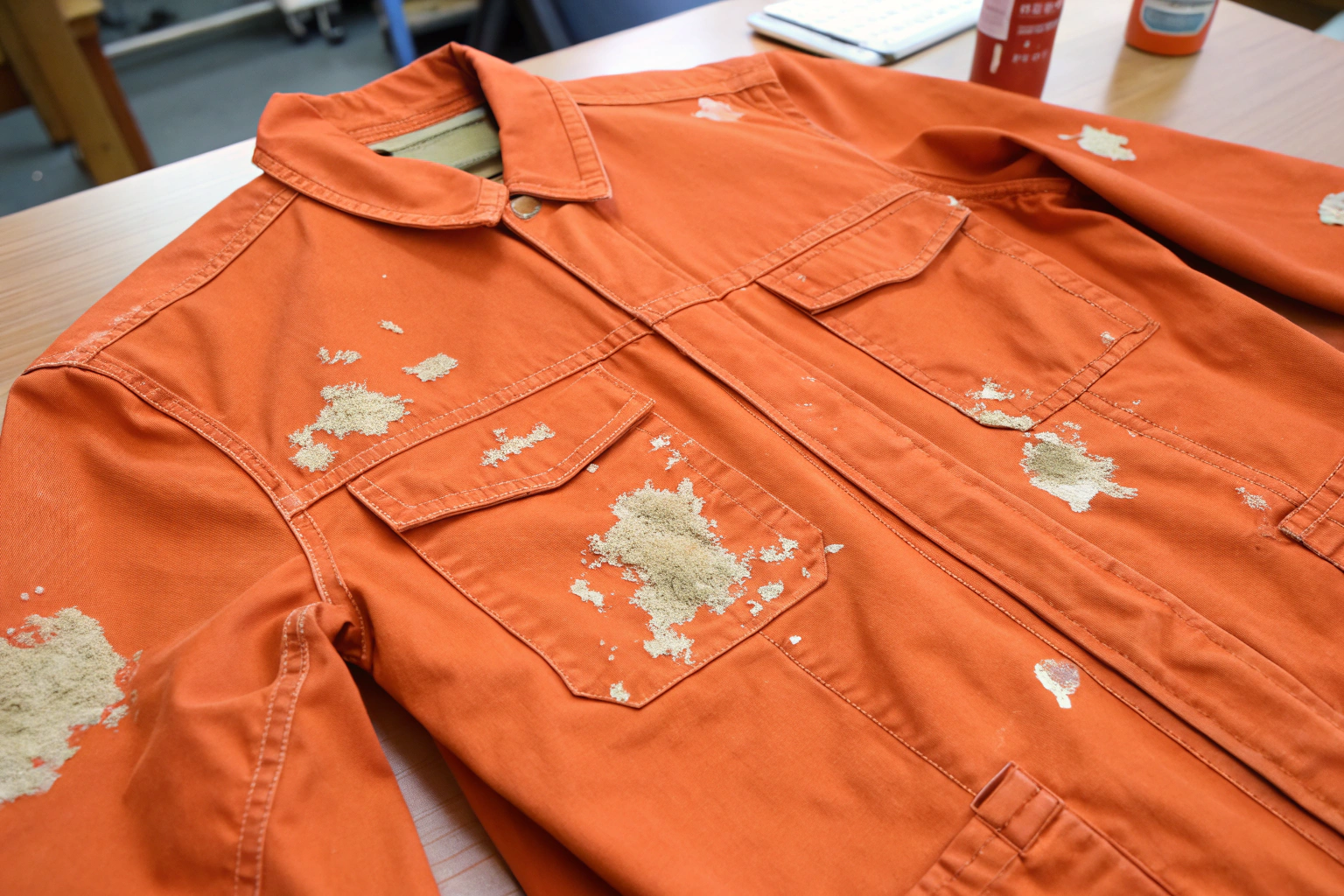
Seeing orange peel texture and uneven mottling on what should be smooth cotton prints is frustrating. You expect crisp, uniform designs, but instead get surfaces that look like citrus skin with blotchy color distribution. This isn’t just cosmetic—it signals fundamental issues in your printing process that affect hand feel and quality. At Fumao, we’ve solved these issues for countless clients across our global operations.
Orange peel and mottling in pigment printing primarily stem from improper paste rheology, inadequate fixation, and substrate preparation issues. The solution lies in optimizing binder concentration, controlling viscosity, ensuring even application, and perfecting curing parameters. It’s a systematic approach we’ve refined through years of troubleshooting production runs.
If you’re tired of rejected shipments and want consistently smooth prints that enhance your cotton products, understanding these technical details is crucial. Let’s examine the specific factors that cause these defects and how to eliminate them systematically.
What Causes Orange Peel Texture in Pigment Printing?
Orange peel—that characteristic bumpy, irregular surface resembling citrus skin—occurs when pigment particles aggregate instead of forming a continuous film. The primary culprit is usually incorrect viscosity. When paste is too thick, it doesn’t level properly on the fabric surface. The high viscosity prevents even spreading, causing the paste to "sit up" in peaks and valleys rather than flowing out smooth. Think of it like spreading cold peanut butter versus warm butter—the wrong viscosity just won’t lay flat.
Another major factor is binder migration. During drying and curing, if the process happens too quickly, the binder can migrate toward the surface, carrying pigments with it. This creates uneven distribution and those characteristic bumps. The binder, which should form a continuous film encapsulating the pigment particles, instead forms irregular clusters. We often see this when printers try to rush production by shortening drying times or cranking up curing temperatures beyond recommendations.
How Does Paste Rheology Affect Surface Smoothness?
Paste rheology isn’t just about thickness—it’s about how the paste behaves under shear stress and how it recovers afterward. For smooth prints, you need pseudoplastic behavior: the paste should thin out when being squeezed through the screen (high shear) but recover viscosity once on the fabric to prevent bleeding. If the recovery is too rapid or excessive, orange peel appears. The key measurements are viscosity and viscoelasticity. We regularly use a Brookfield viscometer to check our pastes, targeting 3000-5000 cP at 20 rpm for most cotton applications. A balanced rheology modifier system is crucial—too little and you get bleeding, too much and you get orange peel. Many printers overlook the importance of using high-quality thickeners specifically designed for pigment printing, not generic alternatives.
What Role Does Binder Chemistry Play in Film Formation?
The binder is the workhorse that forms the continuous film holding pigments to the fabric. Acrylic binders dominate the market for good reason—they offer excellent adhesion and flexibility. However, not all acrylic binders are created equal. For smooth surfaces, you need binders with the right particle size distribution and minimum film formation temperature (MFFT). If the MFFT is too high relative to your curing temperature, the binder particles won’t coalesce properly, leading to discontinuous films and orange peel. We typically use binders with MFFT between 20-30°C for cotton, ensuring proper film formation at standard curing temperatures. The binder concentration also matters significantly—we aim for 15-25% binder solids in the paste formulation. In 2023, we helped a US home textiles brand reduce their orange peel defects by 80% simply by switching to a softer acrylic binder with lower MFFT and adjusting their curing schedule accordingly.
How Can Proper Thickener Selection Prevent Mottling?
Mottling—those uneven, blotchy areas of color that should be solid—often traces back to thickener selection and distribution. The thickener does more than just control viscosity; it stabilizes the entire pigment system and affects how color releases from the paste to the fabric. Synthetic thickeners like polyacrylates generally provide more uniform results on cotton compared to natural thickeners, which can vary batch to batch. The thickener must maintain consistent viscosity throughout the printing process and not break down under mechanical stress.
The degree of substitution (DS) in synthetic thickeners significantly impacts their performance. Thickeners with very high DS can sometimes cause mottling because they may not release pigment evenly. We’ve found medium-DS thickeners around 0.7-0.9 typically provide the best balance between viscosity development and pigment release characteristics. The thickener concentration must be precise—too little and the paste bleeds, too much and it can trap air bubbles or prevent even pigment distribution, both leading to mottling.
Why Does Thickener-Pigment Compatibility Matter?
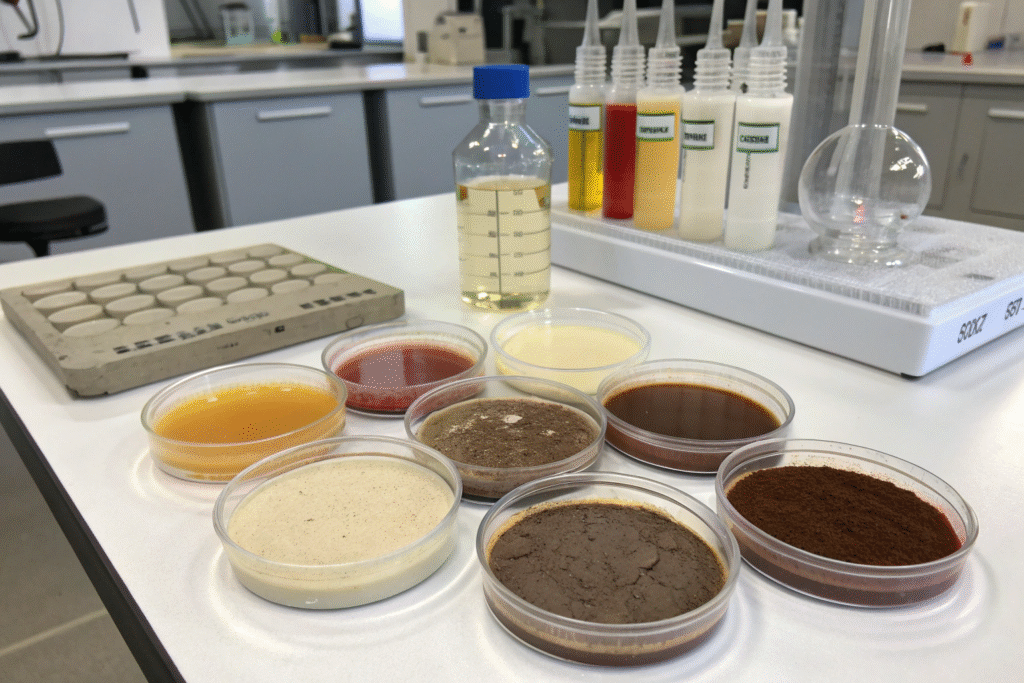
Not all thickeners work well with all pigments. Some pigment surfaces have charges that can interact negatively with certain thickeners, causing flocculation or settlement. This incompatibility manifests as uneven printing and mottling. Before full production, we always conduct compatibility tests by mixing the proposed thickener and pigment system and checking for separation or viscosity changes over 24 hours. A stable system should maintain consistent viscosity and show no separation. We also check the paste under a high-shear mixer—if it develops many tiny air bubbles that don’t release, that’s a red flag for potential mottling issues. The choice between synthetic and natural thickeners often comes down to the specific application, but for premium cotton printing, high-quality synthetic thickeners typically deliver superior uniformity.
How Can You Optimize Thickener Concentration for Different Cotton Weaves?
Different cotton fabrics require different thickener concentrations due to variations in absorbency and surface characteristics. Heavy twills and denims need lower viscosity pastes than lightweight voiles because the thicker fabrics have more pronounced weave structures that can trap paste. For standard 140-180 gsm cotton, we typically use 2-3% thickener concentration, but for heavier fabrics, we might reduce to 1.5-2.5%, and for very light cottons, we might increase to 3-4%. The table below shows our starting point formulations for different cotton types:
| Cotton Fabric Type | Recommended Thickener % | Additional Considerations |
|---|---|---|
| Lightweight (voile, batiste) | 3-4% | Higher concentration prevents bleeding on open weaves |
| Medium weight (poplin, broadcloth) | 2-3% | Standard starting point for most applications |
| Heavyweight (denim, twill) | 1.5-2.5% | Lower viscosity helps penetration into dense weaves |
| Knitted cotton | 2.5-3.5% | Higher concentration compensates for stretch recovery |
A European fashion brand learned this lesson painfully in early 2024 when they used the same paste formulation across five different cotton substrates. The results varied from acceptable to disastrously mottled. After we helped them develop fabric-specific formulations, their defect rate dropped from 15% to under 2% across all fabrics.
What Fixation Parameters Eliminate Surface Defects?
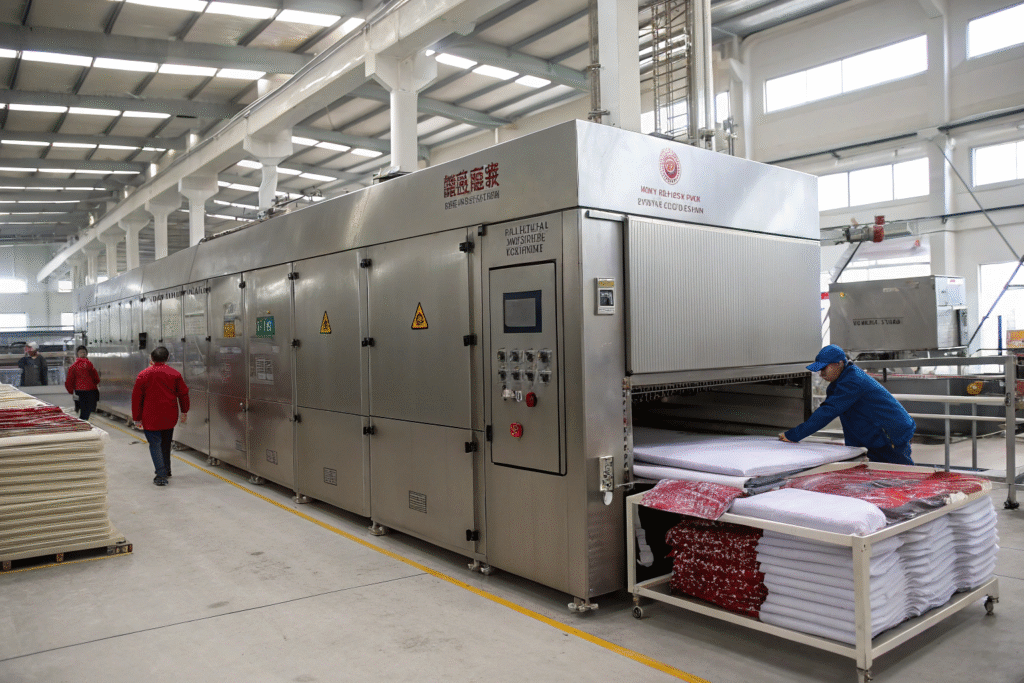
Curing is where the magic happens—or where defects get locked in permanently. The relationship between temperature, time, and airflow during curing directly determines whether you get smooth films or defective surfaces. For pigment printing on cotton, the sweet spot typically lies between 150-160°C for 3-5 minutes in a forced air circulation oven. This provides sufficient energy for binder film formation without causing premature surface sealing that can trap solvents and cause mottling.
Temperature uniformity across the curing oven is absolutely critical. Hot spots cause localized over-curing, creating rough texture, while cold spots result in under-cured areas with poor adhesion and potential mottling. We regularly map our curing ovens with multiple thermocouples to ensure temperature variation doesn’t exceed ±3°C across the entire curing zone. The ramp rate—how quickly the fabric reaches target temperature—also matters. Too rapid heating can cause binder migration to the surface before proper film formation, creating orange peel texture.
What’s the Ideal Curing Profile for Smooth Pigment Prints?
The curing profile isn’t just about final temperature and time—it’s about the entire thermal journey. We typically use a three-stage profile: initial gentle drying at 80-100°C to remove water without causing paste movement, followed by a ramp to curing temperature, then a sustained period at the target temperature. For most cotton applications, our optimal profile looks like this: 1 minute at 100°C, 1.5-minute ramp to 155°C, 3 minutes at 155°C. This gradual approach allows even binder migration and film formation. Many printers make the mistake of going straight to high temperatures, which essentially "fries" the paste surface before the interior can properly cure. Using infrared temperature guns, we verify that the fabric itself—not just the oven air—reaches the required temperature throughout.
How Does Airflow Management Affect Final Print Quality?
Forced air circulation in curing ovens serves two purposes: temperature uniformity and solvent removal. However, excessive airflow can cause problems. If air moves too rapidly across uncured prints, it can create skinning—where a surface film forms too quickly, trapping solvents beneath that later escape and create pinholes or mottling. We aim for airflow velocities of 1-2 m/s across the fabric surface, enough for uniform heating without causing surface disturbance. The direction of airflow also matters—cross-flow designs typically provide more uniform curing than parallel flow systems. A client from Brazil was battling consistent mottling until we discovered their oven had two blocked air ducts creating dead zones. After cleaning and rebalancing their airflow, the mottling disappeared completely. Proper troubleshooting common pigment printing defects requires examining every aspect of the curing system.
How Can Pretreatment and Fabric Preparation Help?
The journey to smooth prints begins long before paste hits the fabric. Cotton preparation dramatically affects how prints look and perform. Desizing, scouring, and bleaching must be consistent across the entire fabric batch. Any variation in absorbency will cause the print paste to be taken up unevenly, resulting in mottling. We regularly test the absorbency of prepared cotton using the drop test method—a water drop should absorb completely in 3 seconds or less for consistent printing.
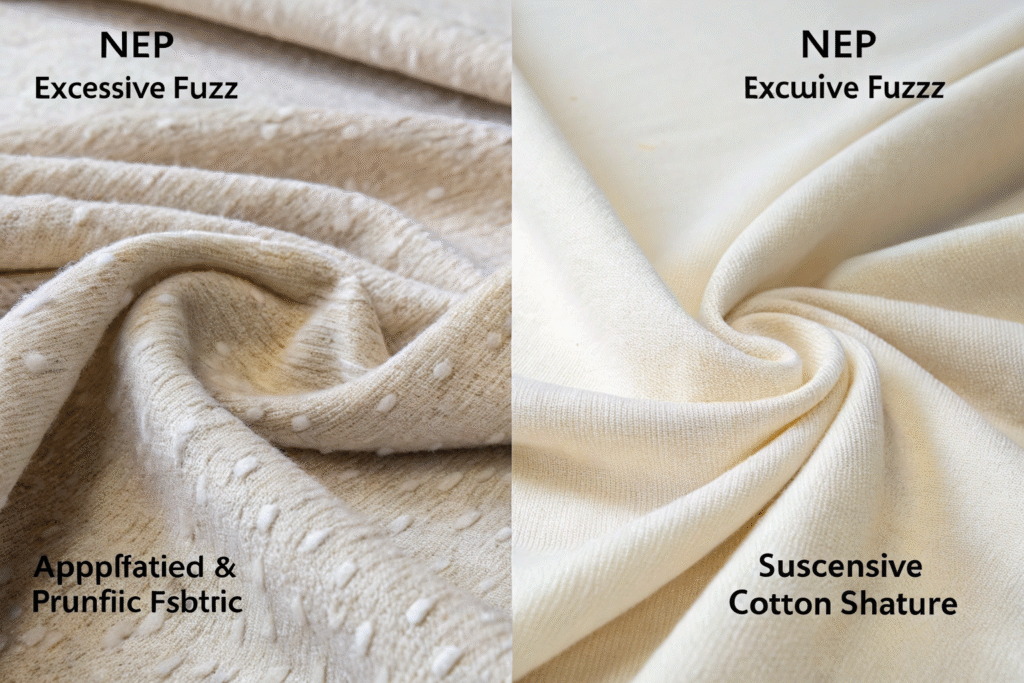
Fabric surface characteristics matter tremendously. Cotton with too much fuzz or nep can create a textured surface that amplifies orange peel effects. Singeing is therefore crucial for achieving smooth prints. Properly singed fabric has a clean surface that allows even paste application. The thread count and weave uniformity also play roles—tight, uniform weaves typically print more smoothly than loose, irregular weaves. We always inspect incoming fabric under consistent lighting conditions to identify any weaving defects that might cause printing issues later.
Why Does Cotton Absorbency Variation Cause Mottling?
Uneven absorbency is perhaps the most overlooked cause of mottling. When different areas of fabric absorb paste at different rates, pigment concentration varies, creating light and dark patches. This often traces back to inconsistent preparation—perhaps inadequate rinsing leaving residual chemicals in some areas, or uneven mercerization affecting cotton’s affinity for water. We test absorbency at multiple locations across the fabric width and length, rejecting any batches that show significant variation. The pH of prepared fabric should also be consistent and neutral, as acidic or alkaline conditions can affect binder curing and cause surface defects. For critical applications, we sometimes apply a uniform pre-treatment with wetting agents to standardize absorbency across the entire fabric surface.
How Can Fabric Tension and Handling Affect Final Results?
How fabric is handled during printing significantly affects outcomes. Too much tension can stretch the fabric, changing the weave geometry and causing uneven paste application. After printing, if the fabric is dragged or folded before curing, the wet paste can transfer or smear, creating mottling effects. We maintain minimal tension throughout the printing process and use conveyor systems that support the fabric without contact until the paste is set. The choice between flatbed and rotary printing also matters—for very smooth surfaces on cotton, we often prefer flatbed printing for its gentle fabric handling, though modern rotary machines with proper settings can also produce excellent results. In 2023, a Canadian client was experiencing random mottling patterns until we noticed their tension control was fluctuating due to a worn brake on their printing machine. Replacing the $150 part eliminated their $15,000 per month defect problem.
Conclusion
Avoiding orange peel and mottling in pigment printing on cotton requires a holistic approach addressing paste formulation, thickener selection, curing parameters, and fabric preparation. There’s no single magic bullet—consistent, smooth results come from controlling every variable in the process chain. From optimizing binder chemistry to maintaining precise curing conditions, each element contributes to the final print quality.
The complexity of achieving perfect pigment prints shouldn’t discourage you. With systematic attention to these technical details, you can transform your printing results from problematic to professional. If you’re struggling with surface defects and want to achieve consistently smooth, vibrant prints on cotton, our technical team is ready to help. We bring decades of experience solving exactly these challenges for global clients. For personalized assistance with your specific application, contact our Business Director, Elaine, at elaine@fumaoclothing.com. Let us help you achieve the flawless printing results your products deserve.








