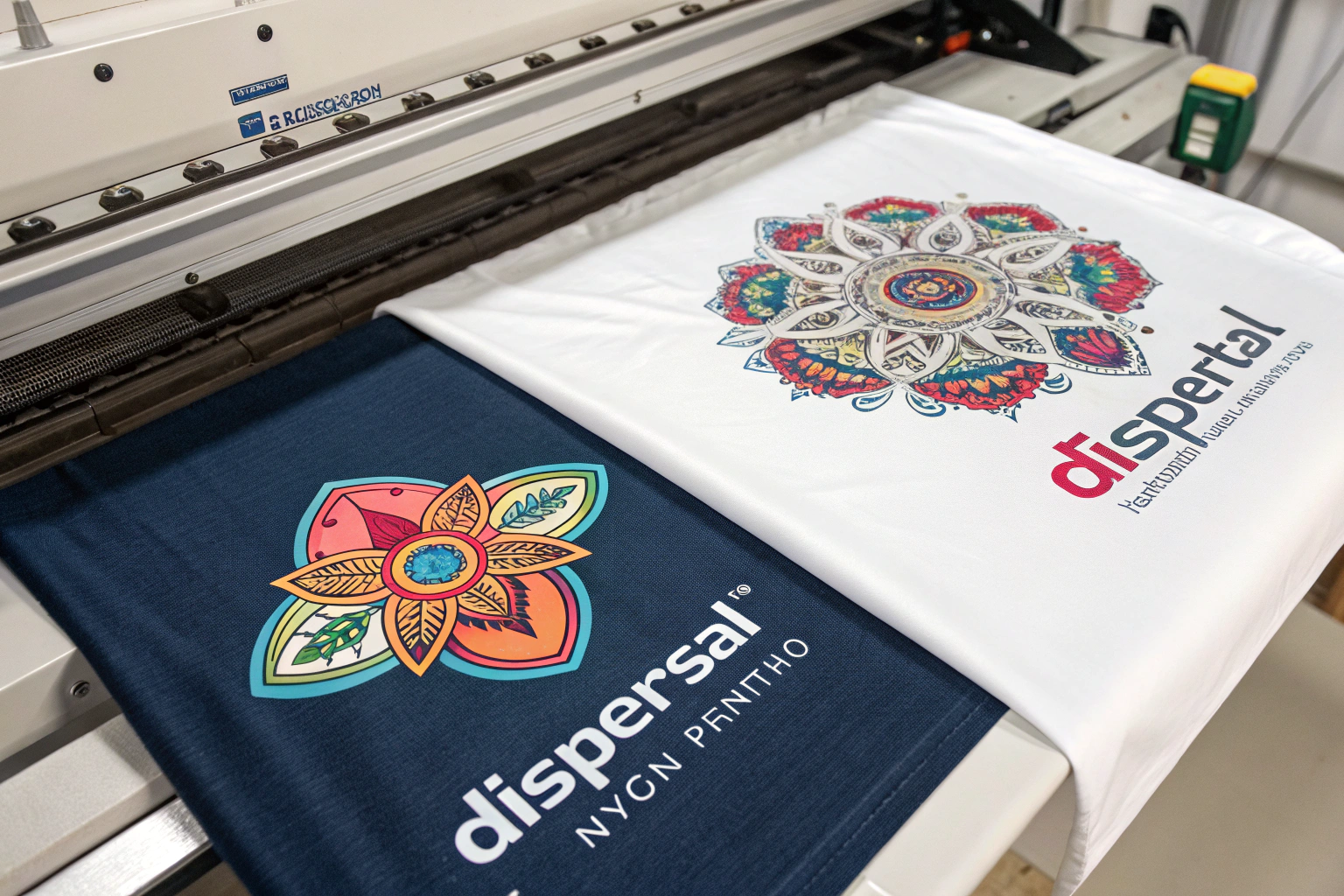
Nothing screams amateur like a blurry, faded logo on nylon sportswear. You design sharp, clean branding, but the final product looks washed out or pixelated. This common frustration costs brands credibility and sales. At Fumao, we’ve perfected nylon printing for global athletic brands, navigating the technical challenges to deliver crisp, durable logos every time.
Achieving crisp logos on nylon depends on your specific fabric composition, production volume, and performance requirements. Disperse printing excels for 100% synthetic nylons with complex designs, while transfer sublimation offers superior sharpness for polyester-rich blends and high-volume production. The choice ultimately hinges on fiber content, design complexity, color requirements, and budget constraints.
If you’re tired of compromised logo quality and want professional results that withstand washing and wear, understanding these printing technologies is essential. Let’s examine how to select the right method for your specific nylon applications.
What Are the Technical Differences Between These Methods?
The fundamental difference lies in how color bonds with nylon fibers. Disperse printing uses paste-based inks containing disperse dyes that penetrate fabric through heat fixation, while transfer sublimation uses solid dyes that convert directly from solid to gas under heat and pressure, bonding with synthetic fibers at a molecular level. This chemical distinction creates dramatically different application experiences and results.
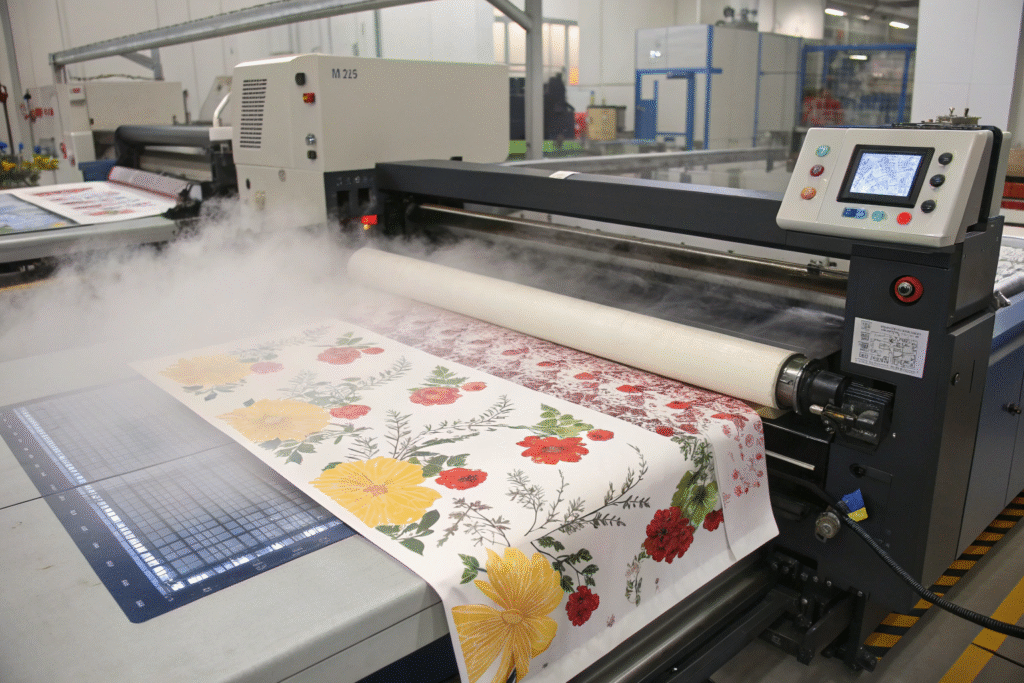
Disperse printing applies ink directly to fabric through screens or digital printers, then fixes it with steam or dry heat. The process allows for precise ink deposition but requires careful paste formulation for nylon’s specific dye affinity. Transfer sublimation prints designs onto special paper first, then transfers them to fabric using heat presses. This indirect method offers exceptional detail reproduction but demands perfect temperature and pressure control.
How Does Each Method Physically Bond with Nylon Fibers?
Nylon’s polymer structure determines how well each printing method works. Disperse dyes form hydrogen bonds with nylon’s amine groups, creating good colorfastness but sometimes limited color vibrancy compared to polyester. The dye molecules must be small enough to penetrate nylon’s tight molecular structure yet resistant to washing once fixed. Sublimation dyes work through a different mechanism—they actually gasify and penetrate the fiber structure, creating a permanent bond that’s integral to the fiber rather than sitting on its surface. This explains sublimation’s exceptional durability, though it works best with synthetic fibers that have open molecular structures at high temperatures.
What Equipment and Skill Requirements Differ Between Methods?
The infrastructure investment varies significantly. Disperse printing requires either screen printing setups (screens, squeegees, drying units) or specialized digital textile printers capable of handling paste inks. The process demands technical expertise in paste formulation, color matching, and fixation parameters. Transfer sublimation requires high-quality paper printers, heat presses with precise temperature control, and expertise in color management across different substrates. The table below compares key requirements:
| Requirement | Disperse Printing | Transfer Sublimation |
|---|---|---|
| Primary Equipment | Screen printer or digital textile printer | Paper printer + heat press |
| Technical Skill | Paste chemistry, color matching | Color management, heat control |
| Setup Cost | Medium to high | Low to medium |
| Production Speed | Medium (direct application) | Fast (after paper printing) |
| Space Requirements | Significant for drying/fixation | Minimal for transfer process |
A European sportswear brand reduced their logo production time by 40% after switching from disperse printing to sublimation for their nylon-PET blend jackets, while simultaneously improving logo sharpness on complex gradient designs.
Which Method Delivers Superior Sharpness and Detail?
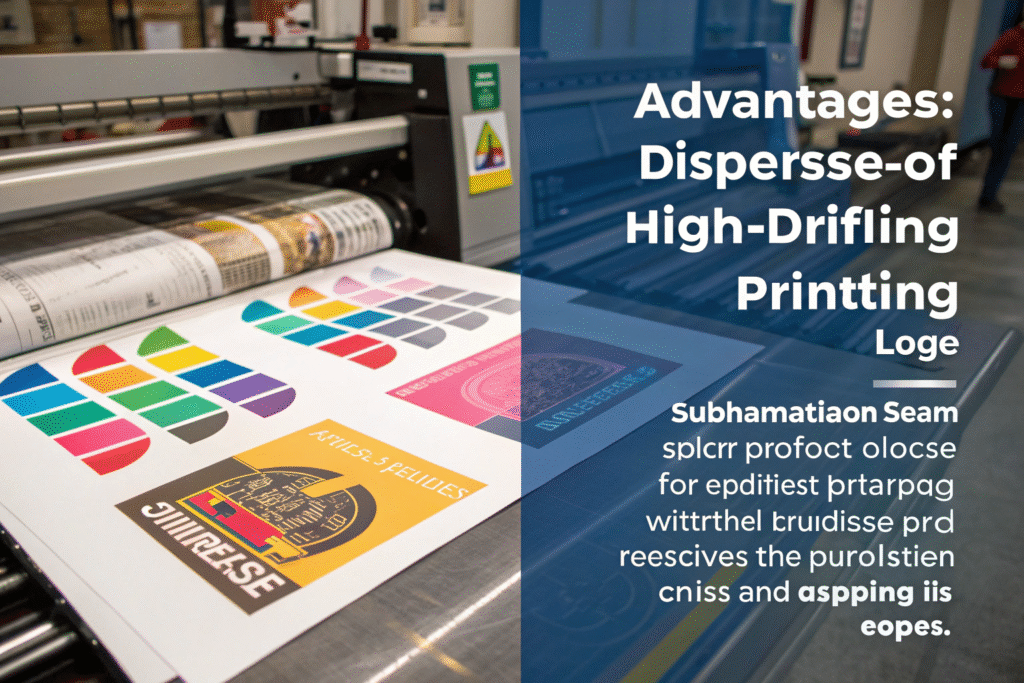
For razor-sharp logos with photographic detail, transfer sublimation generally outperforms disperse printing. The paper-based printing process allows for higher resolution (up to 1440 dpi) compared to most direct textile printing methods. Since the design transfers to fabric in one pressurized application, there’s no risk of ink spreading or bleeding during application—a common issue with liquid disperse inks on nylon.
However, disperse printing has advantages for certain applications. When using high-quality stencils or advanced digital printers, disperse can achieve excellent edge definition, particularly for solid color logos. The direct application method also eliminates the risk of misalignment or incomplete transfer that can occasionally affect sublimation. For very large logos, disperse printing avoids the seam lines that can occur when multiple sublimation transfers must be aligned.
How Does Each Method Handle Fine Lines and Small Text?
Sublimation excels at reproducing fine details because the transfer process happens simultaneously across the entire design area under even pressure. Text as small as 4pt remains readable, and hairline details in logos transfer perfectly. Disperse printing struggles with extremely fine elements because liquid ink naturally spreads through capillary action in the fabric. Even with precise paste rheology control, details below 1pt often fill in or become irregular. We recommend disperse printing for elements no smaller than 6pt text and line weights no finer than 0.5mm. A US cycling apparel brand achieved their intricate 2mm tall sponsorship logos only through sublimation after disperse printing failed to maintain legibility.
What Role Does Fabric Construction Play in Detail Reproduction?
The fabric’s weave or knit structure significantly impacts final sharpness. Tight weaves with smooth surfaces (like nylon taslan or ripstop) deliver the crispest results with both methods. Open knits or textured weaves cause ink spread in disperse printing and can create uneven contact in sublimation. For textured nylons, we often recommend sublimation with higher pressure settings and specialized release papers that better conform to fabric surfaces. A Turkish outdoor gear manufacturer solved their logo clarity issues on textured nylon backpack fabric by switching from disperse to sublimation with a textured release paper that maintained even pressure across the uneven surface.
How Do Color Vibrancy and Durability Compare?
Color performance differs dramatically between methods due to their different dye mechanisms. Sublimation typically produces more vibrant colors because the dyes penetrate deeply into fibers and reflect light from within, creating richer, more saturated hues. The color palette is also wider, with brighter neon and fluorescent options available. Disperse printing offers good color range but often appears slightly muted in comparison, particularly on darker nylon fabrics.
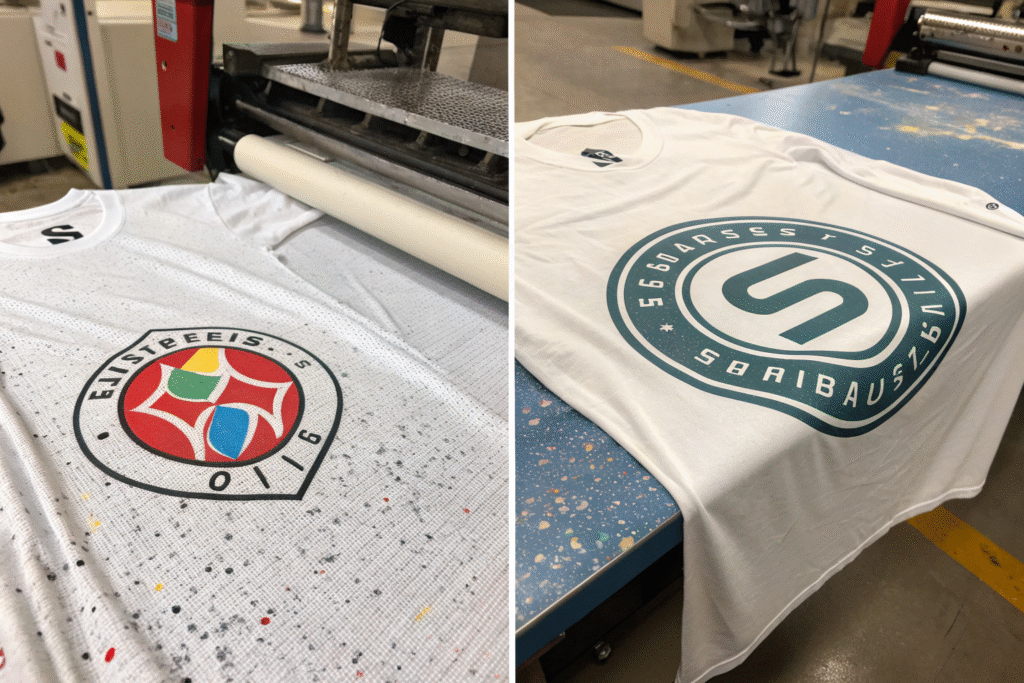
Durability testing reveals another key distinction. Sublimated logos become part of the fiber itself, making them extremely resistant to fading, cracking, and peeling. They withstand repeated washing, UV exposure, and abrasion exceptionally well. Disperse prints sit on the fiber surface, making them more susceptible to mechanical wear, though proper fixation creates good wash fastness.
How Do Wash Fastness Ratings Compare Between Methods?
Properly executed sublimation typically achieves Grade 4-5 wash fastness (excellent) on synthetic nylons, showing minimal color change even after 50+ home washes. Disperse printing generally reaches Grade 3-4 (good to very good) with optimized fixation. However, disperse printing on nylon-polyester blends can show differential fading where colors change at different rates—a problem sublimation avoids because all colors transfer simultaneously. We conduct accelerated wash testing on all logo applications, and sublimation consistently outperforms disperse printing in color retention. A Japanese uniform company eliminated their fading complaint issues by switching to sublimation for their navy blue nylon security uniforms, extending the professional appearance lifespan by approximately 40%.
Which Method Offers Better Resistance to Abrasion and Chemicals?
Sublimation’s molecular-level bonding provides superior resistance to abrasion since there’s no surface film to wear away. The colors remain vibrant even when the fabric surface shows wear. Disperse prints can crack or peel with repeated flexing, particularly with thick ink deposits. Chemical resistance also favors sublimation, as the internalized dyes resist sweat, chlorine, and sunscreen better than surface-level disperse prints. However, disperse printing with specialized cross-linking binders can achieve good chemical resistance for specific applications. Understanding textile printing durability standards helps establish objective performance benchmarks for your specific requirements.
What Are the Cost and Production Considerations?
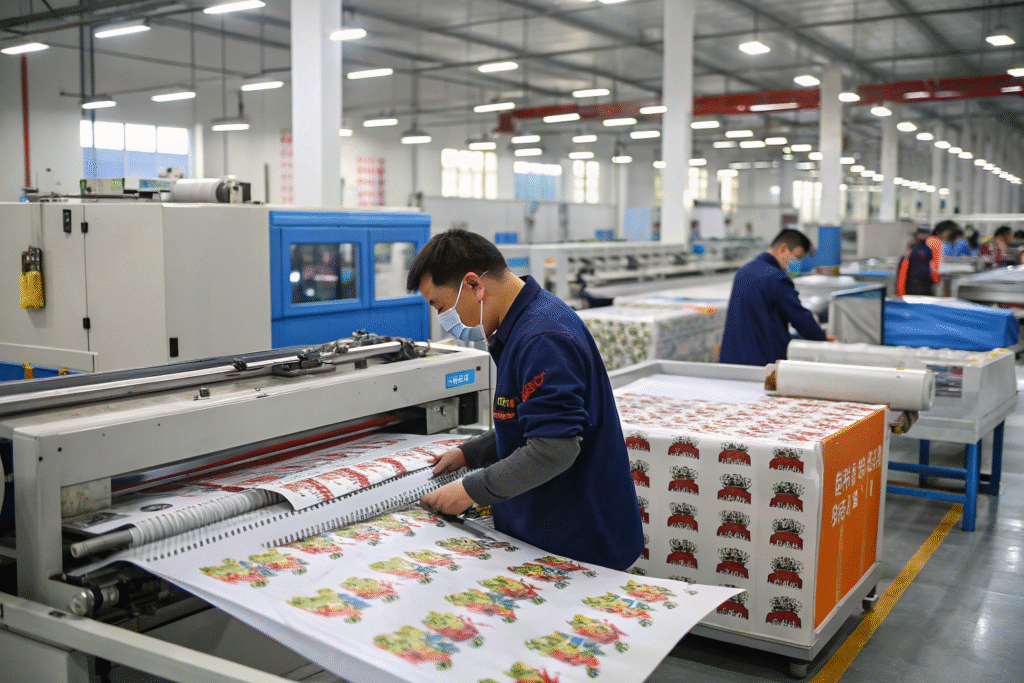
Production economics significantly influence method selection. Disperse printing becomes more cost-effective at higher volumes once screens are created, while sublimation maintains consistent per-unit costs regardless of quantity. For runs under 500 pieces, sublimation typically offers better economics due to minimal setup requirements. For quantities exceeding 2000 pieces, disperse printing often becomes more economical, though this varies with design complexity.
Turnaround time differs substantially. Sublimation allows for quicker production startup since no screen making or paste preparation is needed. However, the two-step process (paper printing then transfer) can create bottlenecks for very high volumes. Disperse printing requires more setup time but can achieve higher throughput once running, particularly with automated screen printing systems.
How Do Minimum Order Quantities and Setup Costs Compare?
Sublimation’s digital nature makes it ideal for small batches and prototyping. MOQs can be as low as single pieces with minimal cost penalty. Disperse printing requires significant setup—screen creation, paste mixing, color matching—making small runs economically challenging. The table below illustrates typical cost structures:
| Cost Factor | Disperse Printing | Transfer Sublimation |
|---|---|---|
| Setup/Screen Cost | $50-200 per color | None (digital file only) |
| Minimum Quantity | 100+ pieces | 1 piece |
| Cost per Unit (100 pcs) | $2.50-4.00 | $3.50-5.00 |
| Cost per Unit (1000 pcs) | $1.00-2.00 | $2.50-4.00 |
| Sample Cost | $100-300 | $20-50 |
A startup activewear brand launched their initial collection using sublimation for precisely this reason—they could produce small batches of each design colorway without committing to large minimums, then scale to disperse printing once specific designs proved commercially successful.
How Does Design Complexity Affect Production Efficiency?
Design characteristics significantly impact production efficiency for each method. Sublimation handles complex multicolor designs, gradients, and photographic elements with equal efficiency since all colors transfer simultaneously. Disperse printing becomes progressively more complex and expensive with additional colors, requiring separate screens and precise registration. However, for simple one or two-color logos, disperse printing offers faster production speeds once set up. A Brazilian football club optimized their production by using disperse printing for single-color player numbers and sublimation for complex chest logos with gradient effects and fine detail.
How to Choose Based on Your Specific Nylon Type?
Not all nylons respond equally to both printing methods. Nylon 6,6 generally accepts disperse dyes better than Nylon 6 due to its higher melting point and different chemical structure. Fabric treatments like water repellency coatings or UV resistance can interfere with both methods, requiring pretreatment or alternative approaches.
The presence of other fibers dramatically affects results. Nylon-cotton blends present challenges for both methods—sublimation only works on the synthetic portion, creating muted colors, while disperse printing requires special formulations for the cellulose fibers. Nylon-spandex blends demand careful tension control during sublimation to prevent distortion, while disperse printing requires elastic binders to maintain stretch recovery.
What Preparation Does Each Method Require for Different Nylons?
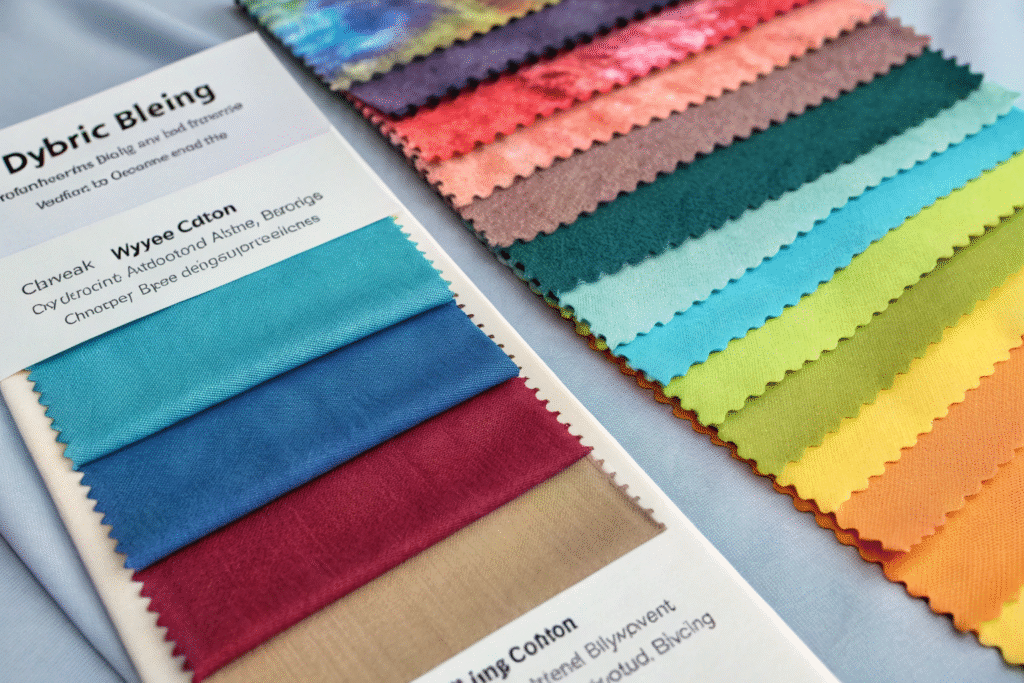
Fabric preparation varies significantly. Sublation requires absolutely clean, dry fabric free from finishes that might block dye penetration. We often pre-heat nylon fabrics to drive off moisture and open the fiber structure before sublimation. Disperse printing can tolerate some fabric finishes but may require pretreatment with specialty chemicals to ensure proper ink adhesion. For technical nylons with durable water repellent (DWR) finishes, we typically recommend pretreatment washing or plasma treatment to ensure proper bonding with either method. A Korean outdoor brand solved their printing adhesion issues on DWR-treated nylon by implementing atmospheric plasma treatment before sublimation, achieving perfect results where both direct printing and untreated sublimation had failed.
How Do You Test Compatibility Before Full Production?
Always conduct comprehensive compatibility testing before committing to a production method. We test color fastness, stretch recovery (for elastic nylons), hand feel changes, and durability under simulated use conditions. The most important test involves creating actual logo samples on production fabric and subjecting them to accelerated aging, multiple wash cycles, and abrasion testing. This reveals potential issues like color migration, cracking, or stiffness that wouldn’t be apparent from small swatches. The American Association of Textile Chemists and Colorists provides standardized testing methods that help ensure objective evaluation across different suppliers and fabric types.
Conclusion
Choosing between disperse printing and transfer sublimation for nylon logos requires careful consideration of your specific fabric, design requirements, production volume, and performance expectations. Sublimation generally delivers superior sharpness, color vibrancy, and durability for synthetic nylons, while disperse printing offers cost advantages for high-volume simple designs and better performance on certain nylon blends.
The optimal choice often involves hybrid approaches—using sublimation for complex multicolor elements and disperse for solid backgrounds or large coverage areas. If you’re struggling to achieve professional logo results on your nylon products, our technical team can recommend the ideal solution based on your specific requirements. We’ve helped brands worldwide optimize their printing processes for better results and lower costs. For personalized recommendations and technical support, contact our Business Director, Elaine, at elaine@fumaoclothing.com. Let us help you create logos that enhance your brand identity through impeccable execution.